








NEW YORK — If there is one defining characteristic of life in 2025, it is a pervasive, collective exhaustion. For many navigating the relentless demands of modern living, the daily experience is defined by an unyielding overload of information, beginning nearly every morning with notifications blaring "Breaking News." This constant digital tether, paired with the relentless societal hustle to do more, achieve more, and live up to rigid expectations of personal and professional milestones, has pushed countless individuals to the brink. When combined with the heavy sensory overload of urban environments—such as the relentless noise, perpetual motion, and high-stakes environment of New York City—the result is an escalating mental health crisis characterized by severe burnout.
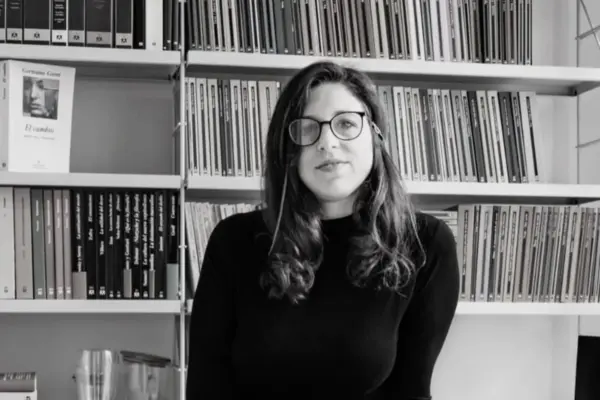
For writer Lyra, the antidote to this looming exhaustion did not come from traditional therapy, heavy pharmaceuticals, or self-help books. Instead, it came from a cultural movement that has gained significant traction across social media: entering the "soft girl era."
While the term often circulates online as an aesthetic trend associated with pastel colors, cute accessories, and a hyper-feminine lifestyle reminiscent of a pop music video, its application can be far deeper. For Lyra, the concept has little to do with visual aesthetics and everything to do with a fundamental shift in mindset. Having already felt comfortable and secure in her femininity, the lifestyle movement became something entirely different: a deliberate transition away from constant survival mode and toward a slower, more intentional way of living. This new path is grounded in appreciating small, everyday moments, prioritizing physical self-care, and establishing firm personal boundaries.
Transitioning away from a hyper-productive lifestyle, however, is rarely seamless. Attempting to overhaul one’s entire routine overnight often leads to immediate failure and deep fatigue. Recognizing this pattern, the approach began with small, manageable adjustments. The journey quickly revealed a deeper underlying issue: a complete absence of self-worth. In the thick of overwhelming daily responsibilities and endless to-do lists, basic human needs—such as eating regular meals, taking a shower, or brushing teeth—were routinely neglected. There was simply no perceived reason or priority given to self-preservation amidst the chaos.
Faced with this internal resistance, a psychological reframe became necessary. If it proved too difficult to practice self-care for the present version of herself, the focus shifted toward a future iteration: "future Lyra." The perspective centered on the idea that future Lyra deserved a break, a nourishing meal, and adequate hydration to prevent afternoon headaches. Future Lyra deserved a warm shower, clean teeth, and the comfort of soft blankets before sleep. Crucially, future Lyra deserved at least an hour of uninterrupted rest without glancing at a phone, operating on the understanding that time spent relaxing is never time wasted.
Surprisingly, this mental shift proved more effective than any clinical intervention or traditional wellness literature she had encountered. Every instance of slowing down and considering how to make life easier for her future self produced an immediate sense of lightness. Over time, the psychological loop reinforced itself: by consistently investing in the care of a future version of oneself, the practice naturally circled back to benefit the present self. Eventually, the division dissolved, and daily self-care was extended to the person she was in the present moment just as readily as it was offered to future Lyra.
In reflecting on the broader cultural phenomenon of the soft girl era, it became apparent that much of the public discourse and online advice surrounding the trend had become overly complicated, particularly for individuals who did not require basic instructions on how to express their femininity. Rather than adopting a rigid, pre-packaged blueprint, the solution lay in personalization.
Observers of the movement note that avoiding burnout through the soft girl era requires a flexible, individualized approach rather than a strict adherence to social media trends. Because no single list of suggestions can universally improve an individual’s quality of life, the process often resembles a curated mishmash of strategies tailored to the individual. As long as these choices do not harm others, the foundational goal remains centered on cultivating a nurturing, comforting personal space, leaving individuals to define the rules of their own well-being independently.
At its core, this modern lifestyle movement is not about pursuing luxury or adhering to expensive wellness regimens. Instead, it represents an unapologetic redirection of priorities in a world that frequently demands a relentless, treadmill-like pace with no discernible finish line. Amidst the ongoing pressures of contemporary work and city life, the underlying philosophy remains remarkably simple: slowing down is not a luxury, but a necessity. Whether through setting boundaries, carving out moments of digital silence, or simply ensuring basic physical needs are met, the practice serves as a vital counterbalance to modern stress. As the daily rush continues, the fundamental reminder remains as straightforward as taking a glass of water and remembering to eat—because the future self, much like the present one, deserves the care.