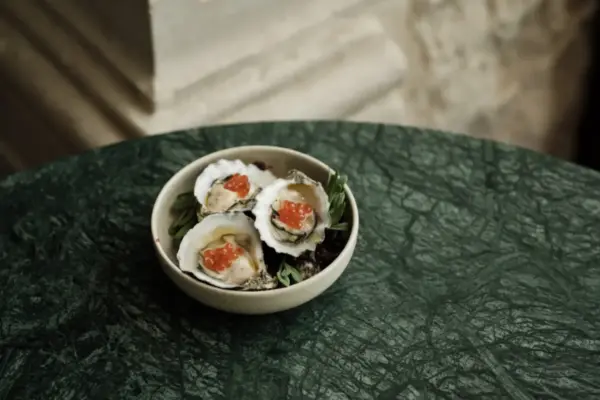










A full day of preparation inside the narrow, bustling kitchen and front-of-house spaces begins hours before the first guests arrive for evening service. The early morning hours are dedicated almost entirely to the raw materials, specifically the pristine seafood that forms the backbone of the menu. Fresh shrimp, carefully sourced from the coastal waters of Sinaloa and Ecuador among other prime locales, are delivered fresh and immediately undergo a painstaking process of being de-shelled and de-veined by hand. These sweet, pristine crustaceans are destined for three of the restaurant’s central shrimp dishes, requiring a level of knife work and attention to detail that sets the tone for everything that follows.
While the seafood is being processed, Giovanni Cervantes turns his attention to the kitchen’s foundational flavor components: the salsas. In a culinary operation where consistency is paramount, Cervantes undertakes a ritualistic taste-testing process for each new batch of salsa, meticulously comparing it against the flavor profile of the previous week’s batches to ensure absolute uniformity for the patrons. Among these signature preparations is a vibrant, bright red salsa that gets emulsified with high-quality mayonnaise. This rich, zesty concoction is ultimately used to coat the camarones zarandeados, a creative shrimp-based adaptation of a classic fish dish hailing from the Pacific coast of Mexico, which is traditionally cooked over an open flame in a flat wire grill basket to impart a smoky depth.
While the kitchen brigade fires up the prep burners and readies the stations, Tania Apolinar handles the transition of the dining room upstairs, preparing the physical space for the evening’s influx of diners. She carefully arranges the day’s freshest catches on beds of ice directly in the front window, creating an inviting, marketplace-style display that signals to passersby what is in store for the evening. Alongside the iced seafood, she strategically places wine bottles that will soon be nestled into chilled buckets for service, ensuring they maintain the ideal temperature for the wine bar’s specific offerings. Apolinar frequently recommends that arriving guests secure a seat at the long, winding bar, where they have a front-row view of the action, giving them a chance to observe the bartenders and chefs working in tandem throughout the course of the evening service.
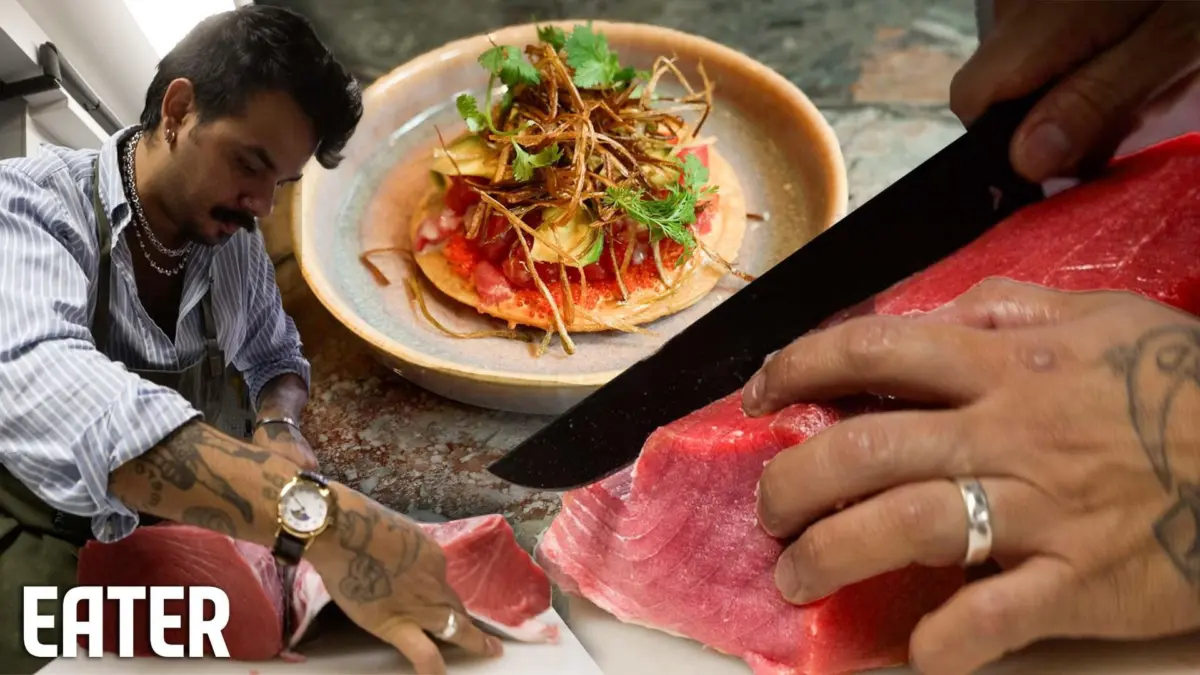
Downstairs in the kitchen, chef Carlos Barrera dives into the complex task of breaking down large cuts of Spanish tuna. This premium fish is utilized for one of the menu’s standout creative plates: a striking tuna tostada. The dish is meticulously layered with a spicy, house-made mayonnaise, delicate fish eggs that pop with texture, a pungent habanero-lime oil for brightness, creamy slices of ripe avocado, and a crown of crisp leeks that add a necessary crunch to the multi-layered creation.
The preparation then shifts toward the extensive array of tacos that have quickly become a staple of the menu. This includes the pescadilla, a traditional deep-fried fish taco that requires careful folding and frying to achieve a golden, shatteringly crisp exterior while keeping the savory fish filling hot and moist inside. Alongside it, the kitchen prepares a rich shrimp taco, heavily accented with traditional queso fresco, savory refried beans, and delicate strips of roasted poblano peppers that lend a gentle, earthy heat to the handheld dish.
As the afternoon progresses, Cervantes and Barrera turn their focus to the raw bar area, crafting the establishment’s distinct line of finishing sauces, including a herbaceous salsa verde and a deeply complex salsa negro. While the green salsa relies on fresh parsley for its bright, grassy notes and vivid color, the black salsa is an exercise in culinary intensity, layered with fiery habaneros, tiny and potent piquin chiles, and dark, briny squid ink that provides both a dramatic visual and a subtle oceanic richness.
The concept behind El Camarón Peludo evolved organically from an initial beverage pairing idea. Cervantes explains that his original vision was simply to pair innovative, high-end seafood plates with bubbly wine. Over time, however, that initial concept naturally expanded into a full-fledged natural wine bar program. Today, the establishment sources unusual and expressive bottles from all over the world, curating a list that defies conventional wine pairings and instead complements the acidity, spice, and smoke inherent in coastal Mexican cooking.
Food enthusiasts and curious diners looking for a closer look at the operation can watch the team at the Mexican seafood wine bar prep everything from intricate tostadas and crispy tacos to flavor-packed aguachile in the newest episode of Now Open, capturing the daily dedication required to bring this unique West Village culinary destination to life.