








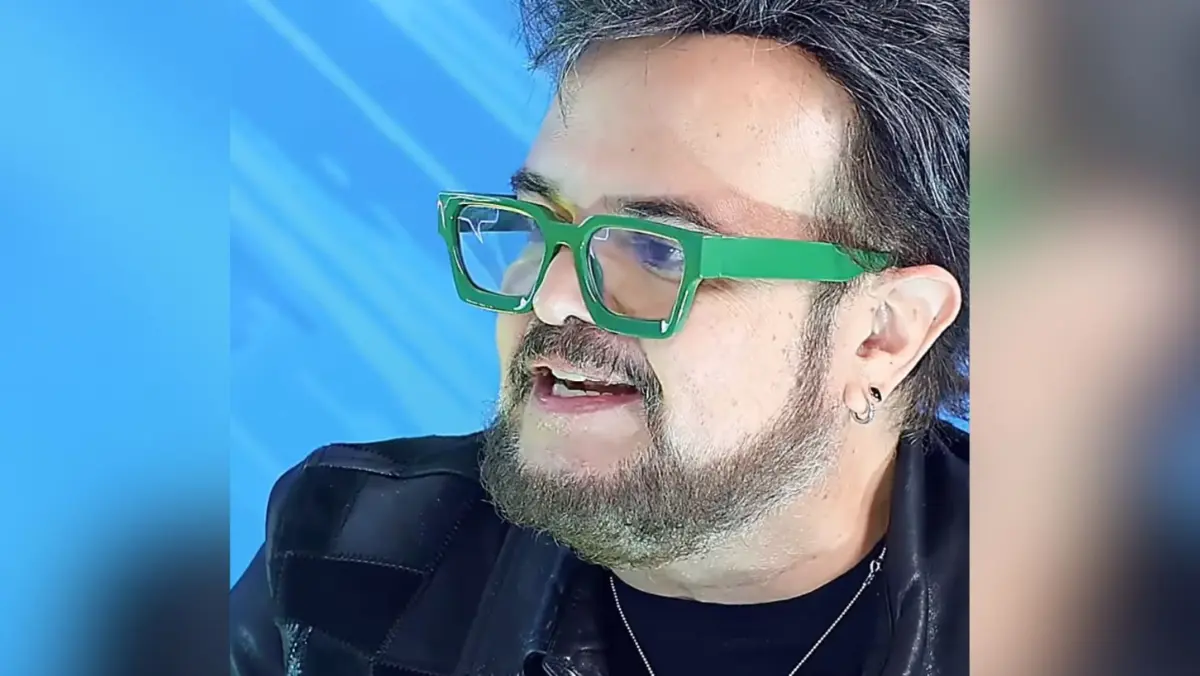
Mexican pop-rock singer Aleks Syntek has once again found himself at the center of controversy after targeting urban music and cultural identity during a recent live concert in Mexico. Known over the last several years for his vocal opposition to modern Latin music genres like reggaeton and corridos tumbados, Syntek crossed a line that extended far beyond genre critique. During the performance, the artist performed a mocking imitation of the Puerto Rican accent, criticized high-profile international platforms for promoting global superstars like Bad Bunny over traditional Mexican artists, and made disparaging remarks regarding comments Bad Bunny had previously shared about his post-concert routines.
The backlash from the Puerto Rican community and fans of urban music was swift and widespread. Across social media platforms, listeners expressed disbelief and frustration that an established veteran of the music industry would resort to cultural mockery and targeted disparagement as a means of commentary. Rather than addressing systemic industry changes through a professional lens, Syntek’s latest onstage stunt has reignited a broader conversation about artistic relevance, professional maturity, and the ongoing culture clash between legacy pop acts and the dominant forces of contemporary Latin music.
A Career Defined by Past Hits and Recent Controversies
To understand the weight of Syntek’s recent remarks, one must look at the trajectory of his career. As a Mexican pop-rock singer and songwriter, Syntek achieved his peak commercial and cultural success in the late 1990s and early 2000s. He is widely recognized for enduring Latin pop staples such as "Duele el Amor," a celebrated collaboration with Spanish singer Ana Torroja, and "Sexo Pudor y Lágrimas," the iconic title track from the critically acclaimed Mexican film. These works cemented his place in Latin pop history, establishing him as a respected composer and performer of his era.
However, in stark contrast to his decades of musical output, Syntek’s public profile over the last five years has been overwhelmingly defined by controversy rather than chart-topping releases. Acknowledging this shift himself, Syntek candidly admitted in a recent interview with the Spanish news agency EFE that the first thirty years of his career were largely free of scandal, while the last five years have proven to be deeply problematic. He attributed this turbulent phase to experiencing significant early success while struggling to accept his transition away from being a trendy, mainstream artist. Observers and critics have frequently noted that much of the friction surrounding his public image is self-generated through his persistent, often hostile commentary directed at newer generations of musicians.
A Longstanding Grievance with Modern Music and Algorithms
Syntek’s grievances against the contemporary music landscape are not entirely new and have followed a predictable, repetitive pattern over the years. His primary arguments often center on the belief that modern streaming algorithms unfairly favor content he perceives as vulgar, ephemeral, or lacking in traditional craftsmanship. He has frequently asserted that talented Mexican musicians are being sidelined by the massive commercial rise of reggaeton and regional Mexican subgenres like corridos tumbados, arguing that the global music industry is sacrificing genuine artistic idols in favor of speed and viral trends.
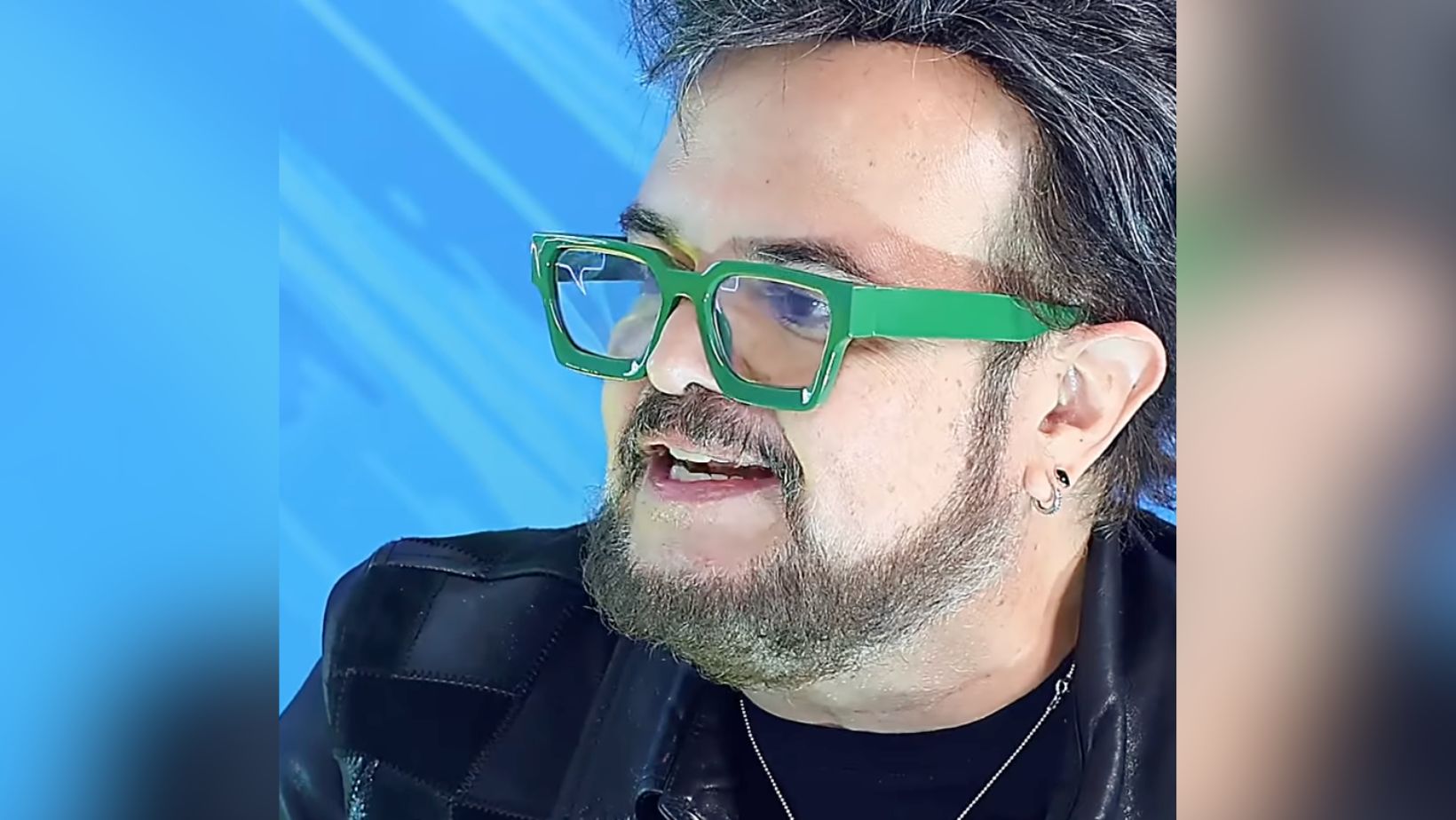
While these concerns touch on legitimate industry-wide debates regarding how streaming economics and algorithmic curation impact traditional artistry, Syntek consistently undermines his own arguments. Instead of offering thoughtful, structural critiques of the music business, he repeatedly pivots to personal attacks against specific artists and cultural communities. Mimicking a regional accent on stage is not a critique of algorithmic bias; it is an expression of cultural contempt. By framing his frustrations as personal vendettas, Syntek diminishes any valid points he might raise regarding the evolution of the global music market.
During his interview with EFE, Syntek touched upon another culturally sensitive topic, arguing that the rise of music glorifying sex, drug use, and criminal behavior has become a shortcut for attracting mass audiences, thereby undermining traditional musical culture from within. While this remains a subject of active debate among cultural critics, sociologists, and industry leaders, Syntek invariably undercuts his own premise by centering his criticism on global phenomena like Bad Bunny. Watching a Puerto Rican artist sell out massive stadiums across the globe and earn widespread acclaim—including multiple Emmy recognition for monumental performances like the Super Bowl halftime show—clearly unsettles Syntek, giving his critiques a distinctly personal and bitter undertone. For an artist who has spent years railing against reggaeton while his own contemporary footprint shrinks, lecturing the public on what music deserves to exist carries little credibility.
Navigating Creative Ambitions and the Struggle for Relevance
Beneath the provocative headlines and public grievances, Syntek appears to be grappling with a very real and widespread anxiety shared by legacy artists in the digital age: the fear of professional obsolescence. In his conversation with EFE, he reflected on the realities of aging in the entertainment industry, pointing out that artists can reach the age of forty and already feel immense pressure from the cultural machinery to retire. He drew parallels between his own career and international legacy acts like Alan Parsons and Tears for Fears, who continue to compose and record new music but rarely surface on modern top-ten charts because contemporary algorithmic discovery models do not prioritize them.
Syntek’s observation regarding the challenges older artists face in maintaining visibility is grounded in industry reality. Furthermore, he maintains genuine creative ambitions, evidenced by his upcoming studio album, titled "Zen," which is scheduled for release in May, alongside a twelve-city United States concert tour set to kick off on April 3rd in New York. These professional milestones indicate that despite his frustrations, he remains an active creator dedicated to his craft.
Yet, the central paradox of Syntek’s current public persona is that he consistently sabotages his own artistic endeavors through self-defeating behavior. By adopting the posture of a grievance-airing critic who relies on tearing down other performers to generate headlines, he alienates potential listeners and overshadows his musical output. Neither the Puerto Rican community nor the broader contemporary music audience owes Syntek a platform that he has not cultivated in the current cultural moment. Bad Bunny did not usurp Syntek’s place in the industry, nor did streaming algorithms deliberately erase his legacy. Rather, years of relentless complaining, cultural mockery, and public antagonism have defined his recent narrative. As Syntek prepares for his upcoming album release and international tour, many observers suggest that a period of self-reflection might finally allow his music to speak for itself once again.