









The Viajando por el Mundo Tropitour concert in Miami nearly did not happen for one writer, a reality that reframes the entire narrative of a transformative evening. Attending through an opportunity with Acoustyle, the writer brought along a Colombian friend—a paisa from Medellín and a costeña from Barranquilla navigating the aggressively humid Miami streets together. The night turned out to be far more impactful than either had anticipated. The heat that greeted them outside was the type that slaps you across the face and reminds you exactly where you are, and somehow it felt perfect because they were already feeling tropical before walking through the doors. They carried that specific electricity that comes from being two Colombian women about to watch a Colombian woman own a stage.
It is worth being honest about the hesitation that many Karol G fans felt going into the Tropitour era. After Mañana Será Bonito, which functioned as collective healing for women in a way that felt less like a concert and more like therapy, some fans were still craving that specific hug from her music. That era’s catalog spoke directly to the broken parts of Latinas and made them feel seen in their pain. Tropicoqueta brings a different energy, and at first, that difference felt disorienting. It was like being handed something bright and colorful when part of the audience was still holding on to something tender.
Yet, standing in that crowd in Miami—sweating through a sexy outfit, holding a cold drink dripping down an arm while singing every word—the evolution made complete sense. Latinas are multifaceted and are not always in a healing era. Sometimes, they are in a tropical, fully alive era, and Karol G was giving her audience permission to inhabit that version of themselves without guilt or apology.
The Mañana Será Bonito Era and Why It Still Lives in My Body
To understand what the Tropitour meant, one has to understand what Mañana Será Bonito did first. That era saved many fans in ways they are still processing, arriving during one of the hardest periods of life—a year where everything felt so heavy that survival itself felt uncertain. Karol G’s voice was on repeat constantly. Fans prayed and daydreamed for a day when they would feel whole again, playing her album like a promise made to themselves that the day would eventually come.
The fact that the global superstar is Colombian, originating from Medellín—the very same city as the writer—made her feel like a sister in those moments. She felt like someone who understood without needing to be told, and that closeness carried many listeners through dark nights.
Because the album meant so much, making it a point to join her Mañana Será Bonito show in Miami was non-negotiable. Putting on sparkles, dressing up cute, and walking into Hard Rock Stadium with a heavy heart meant being ready to absorb every second of the performance. Music has a way of creating intimacy with people you will probably never meet. Sometimes, a voice and a melody are enough proximity to make you feel less alone in your struggles.
However, during that previous tour, when the song “Amargura” came on and everything in the chest rose to the surface at once, the writer slipped out of the seat and let the moment pass without them, protecting themselves from a grief they were not ready to face in public. They carried that unfinished feeling without knowing it was still there, tucked underneath everything else, waiting for the right moment to finally let it breathe.
What the Tropitour Gave Me That I Did Not Know I Was Looking For
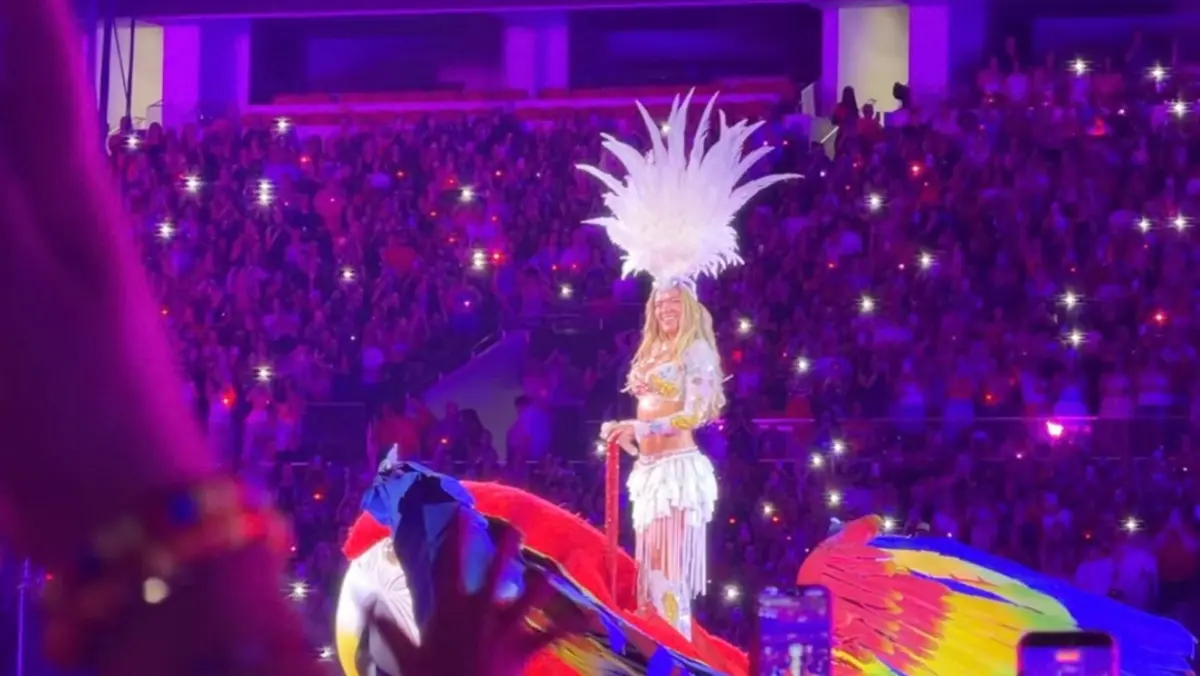
When Karol G stepped onto the stage during the Tropitour, her energy moved through the crowd before anyone had time to prepare. Suddenly, the audience was fully immersed, moving, singing, and feeling every bit of the tropical atmosphere she had built. The heavy, melancholic version of the listener from the Mañana Será Bonito era felt very far away in the best possible sense.
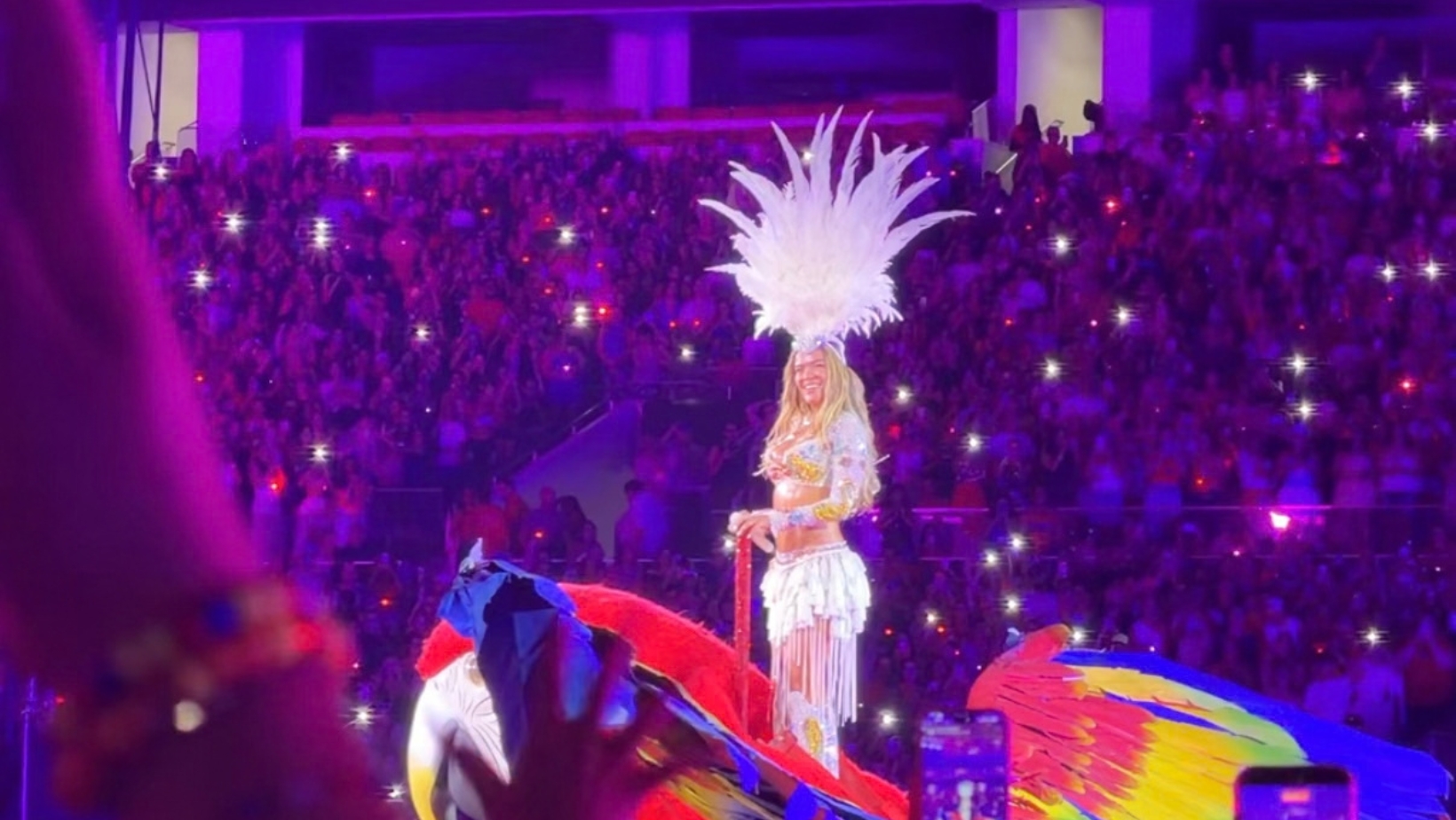
She moved through her original songs before inviting people onto the stage to dance with her. This included two Cubans whom she mentioned were among the first Cubans she had ever brought on stage, alongside a Mexican and two Colombians. There was something powerful about watching people from different places come together for a good perreo to “Bby Wow.” It felt like a celebration of everything live music is supposed to be: a room full of diverse individuals finding the exact same joy at the exact same time.
What made the integration even more special was how she incorporated TikTok videos of fans performing the "Bby Wow" trend directly into the show. This detail spoke volumes about how she and her team operate. They are genuinely paying attention to what is happening around her influence and choosing to honor it rather than take it for granted. That attentiveness is one of the key factors that separates Karol G from artists who simply perform for their audience rather than with them.
That same spirit of community and mentorship showed up when she brought out mariachis, followed by Elena Rose and Greeicy. She gave the stage to artists who are still building their moment in a way that not every artist at her level chooses to do. Watching her create space for others when she has worked so hard to create space for herself felt like its own important lesson.
By the time she performed “Bichota” infused with cumbia rhythms, the song felt like it had grown alongside everyone in the crowd. It felt as though everyone was moving closer to their folkloric roots together, because somewhere underneath all the perreo, audiences have always been craving that traditional sound. The Tropitour feels like Karol G’s way of telling her listeners that they are allowed to want it all.
“Amargura” and the Moment I Realized How Much I Have Healed
In the middle of the concert, the flames erupting next to the stage added an extra layer of heat to an already sweltering night as “Amargura” began to play. Hearing the first few notes, the writer’s body knew before the brain did, and everything carried over from the last time that song was heard live came rushing back in an instant. The previous time, the emotional weight had forced a hurried exit from the venue.
This time, however, things were different. The writer stayed, sang every word, danced, and allowed genuine joy to exist inside a song that once felt far too heavy to inhabit. Somewhere in the middle of that performance came the realization that the unfinished moment carried since the Mañana Será Bonito tour had finally been completed.
It marked the full circle the writer did not know they were walking toward when they almost skipped the concert entirely. Karol G moves through musical eras constantly, but she remains an artist whose work always accounts for what is in her listeners’ hearts. She walks alongside her fans whether they are broken, thriving, or navigating the complicated space between the two.
The Tropitour stands as proof that she has never stopped doing that, even as her sound has evolved. Audiences can be emotional bichotas with a matadora energy and still find time to sing “Pineapple” and “Mamiii,” because human beings contain all of those dimensions at once. Karol G has been communicating that message unapologetically through every genre she touches. Standing in that crowd in Miami, finally singing “Amargura” without having to leave the room, brought the understanding that the healing started during Mañana Será Bonito was never really over. It was simply transforming into something new.