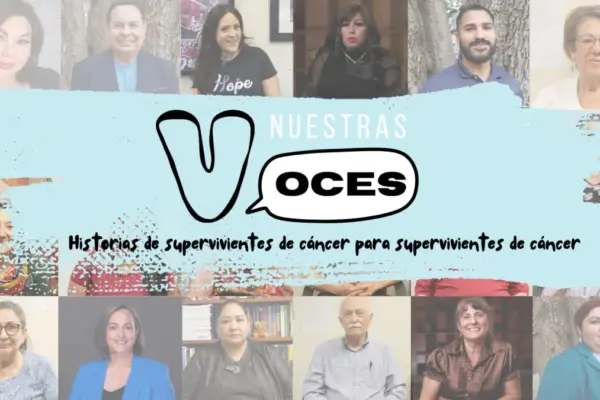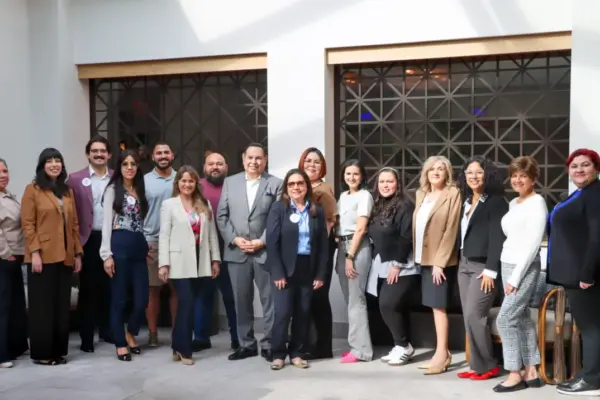


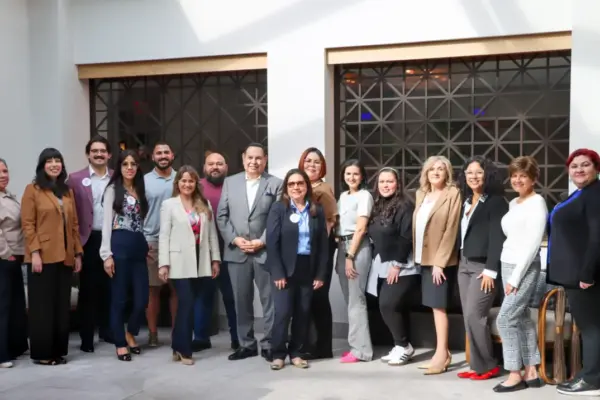


On December 4, 2025, a dedicated group of 15 cancer survivors and caregivers embarked on a transformative journey to become powerful patient leaders through the 2026 Latino Cancer Patient Advocate Training Program. Spanning different backgrounds, cancer types, geographies, and genders, these individuals came from multiple organizations to train as a unified collective focused on a single, vital mission: helping people facing the same hardships they once endured.
Over an intensive eight-month period, the participants learned how to navigate and meet the challenges of a rapidly changing cancer care environment. They explored innovative ways to transform their deeply personal lived experiences into actionable, community-wide change. Along the way, many had to overcome cancer recurrences, ongoing treatments, and personal hardships just to reach the finish line. Evolving into full-fledged patient leaders, they are now actively working to elevate their voices among healthcare decision-makers and create new, inclusive research opportunities for Latinos nationwide.
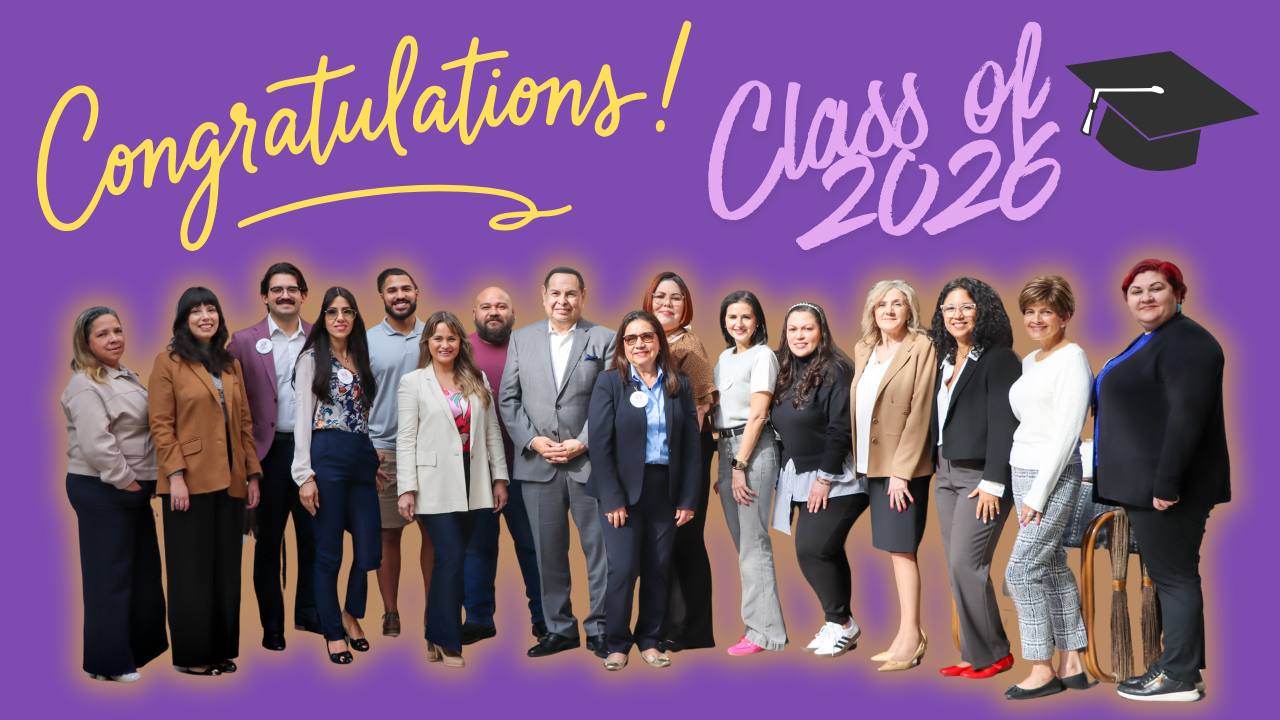
The achievement marks a major milestone for the graduating class of 2026, whose members are ready to make a lasting impact. Reflecting on the collective spirit of the group, program co-creator Dr. Barbara Segarra-Vázquez of the University of Puerto Rico shared her profound admiration for the cohort.
"They have built a space where love, empathy, encouragement, joy, and even sadness can be shared openly," Dr. Segarra-Vázquez said. "A space where opportunities are celebrated, challenges are faced together, and learning never stops. A space where collaboration replaces competition and where every person’s voice matters."
The 2026 Latino Cancer Patient Leader Cohort
In honor of the newest group to step into leadership roles, the graduates are already setting plans in motion to utilize their specialized training to support patients, caregivers, and their families across the United States and Puerto Rico.
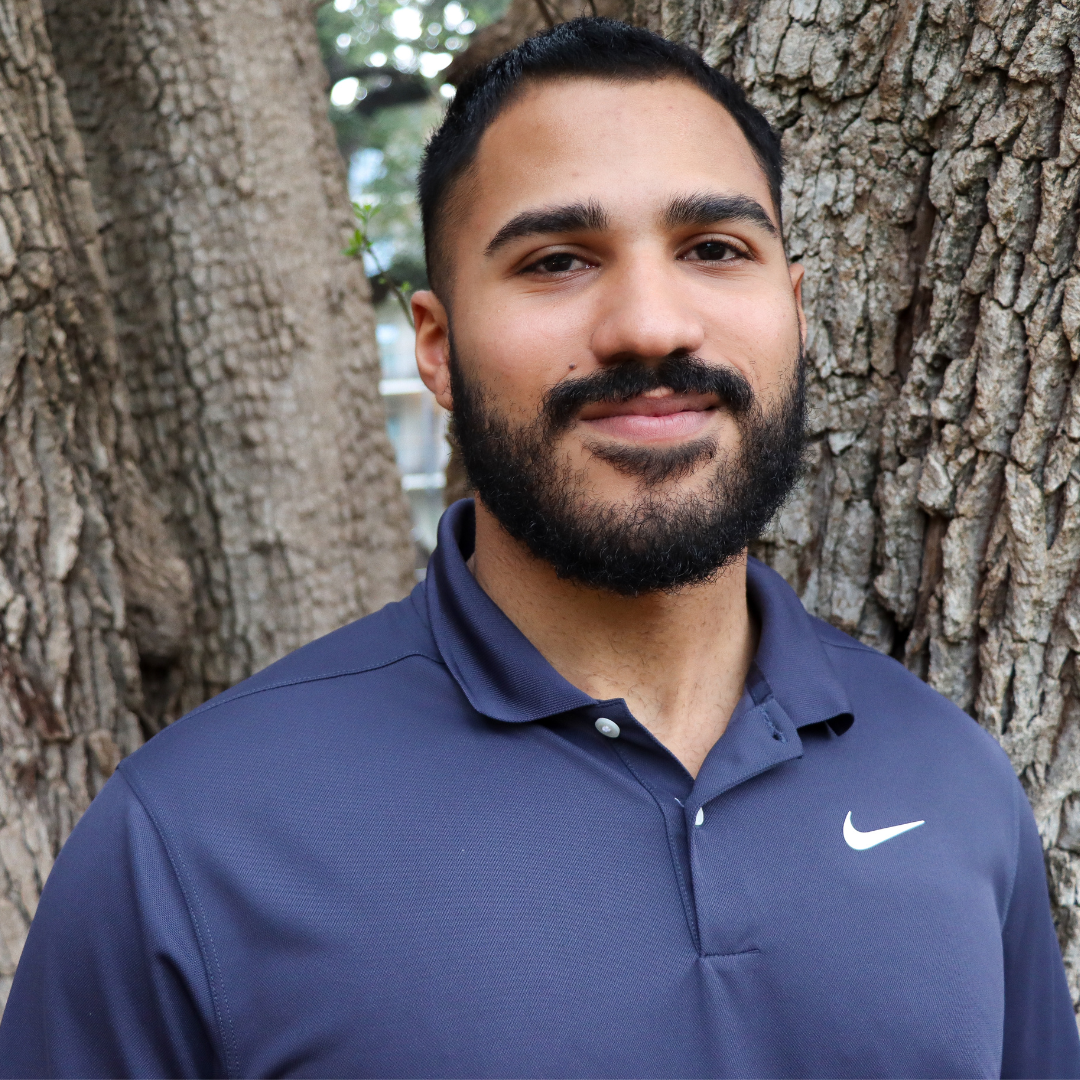
Arnoldo Rodríguez of Texas, a lymphoma and prostate cancer survivor, is launching a dedicated prostate cancer support group in September 2026 in partnership with the University of Texas Rio Grande Valley Health Cancer & Surgery Center. His vision is to expand the initiative to hold two meetings every month—one in Spanish and one in English—with plans to follow up by establishing a dedicated lymphoma support group.
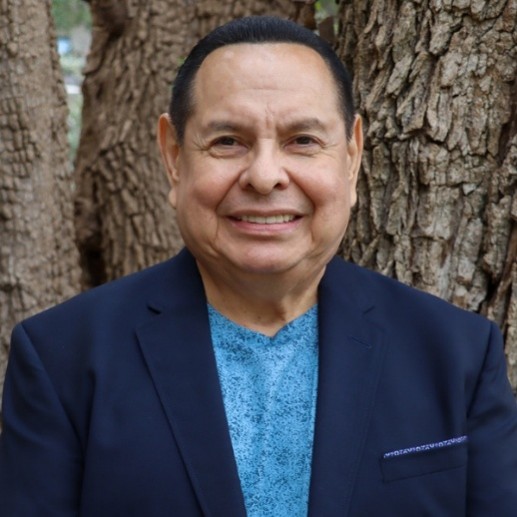
For Brooks Fuentes of Oregon, a breast cancer survivor, the focus is on expanding patient advocacy through targeted outreach and resources tailored for young Latinas impacted by breast cancer. Furthermore, she hopes to leverage her position within the Oregon Cancer Coalition to forge stronger relationships with Latino communities and organizations, bridge critical gaps in survivor care, and bring fresh, essential perspectives into the coalition.
Carolina E. Uribe Abad of Kansas, also a breast cancer survivor, is channeling her personal survivorship experience into raising broader awareness about cancer. She aims to empower others to speak up for their healthcare needs, support fellow survivors, and connect struggling individuals and families with the mental health support and essential resources they urgently require.
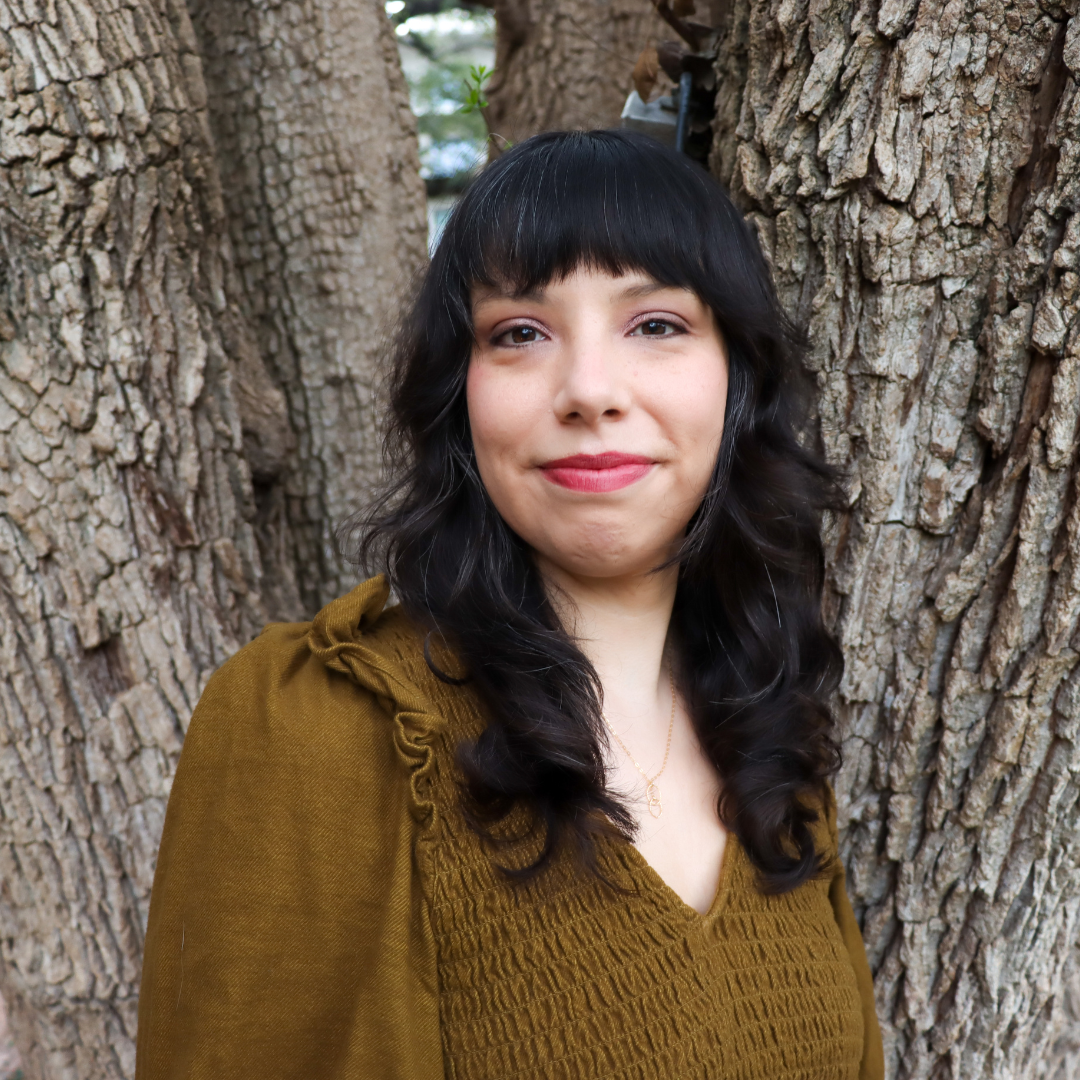
Claudia Pérez-Favela of California, a cervical cancer survivor, is committed to educating Latinas who struggle with taking preventative healthcare steps. She focuses heavily on emphasizing the importance of early detection and sharing vital resources. Additionally, she aims to launch a sustainable community project designed to support families in her home region of Imperial County, California.
Deborah Blake-Ontiveros of Utah, who is living with metastatic breast cancer, is dedicated to making patient information and resources genuinely accessible for Spanish-speaking patients. By sharing her own story, she hopes to help patients feel informed, seen, heard, and genuinely empowered to stand up for their health.
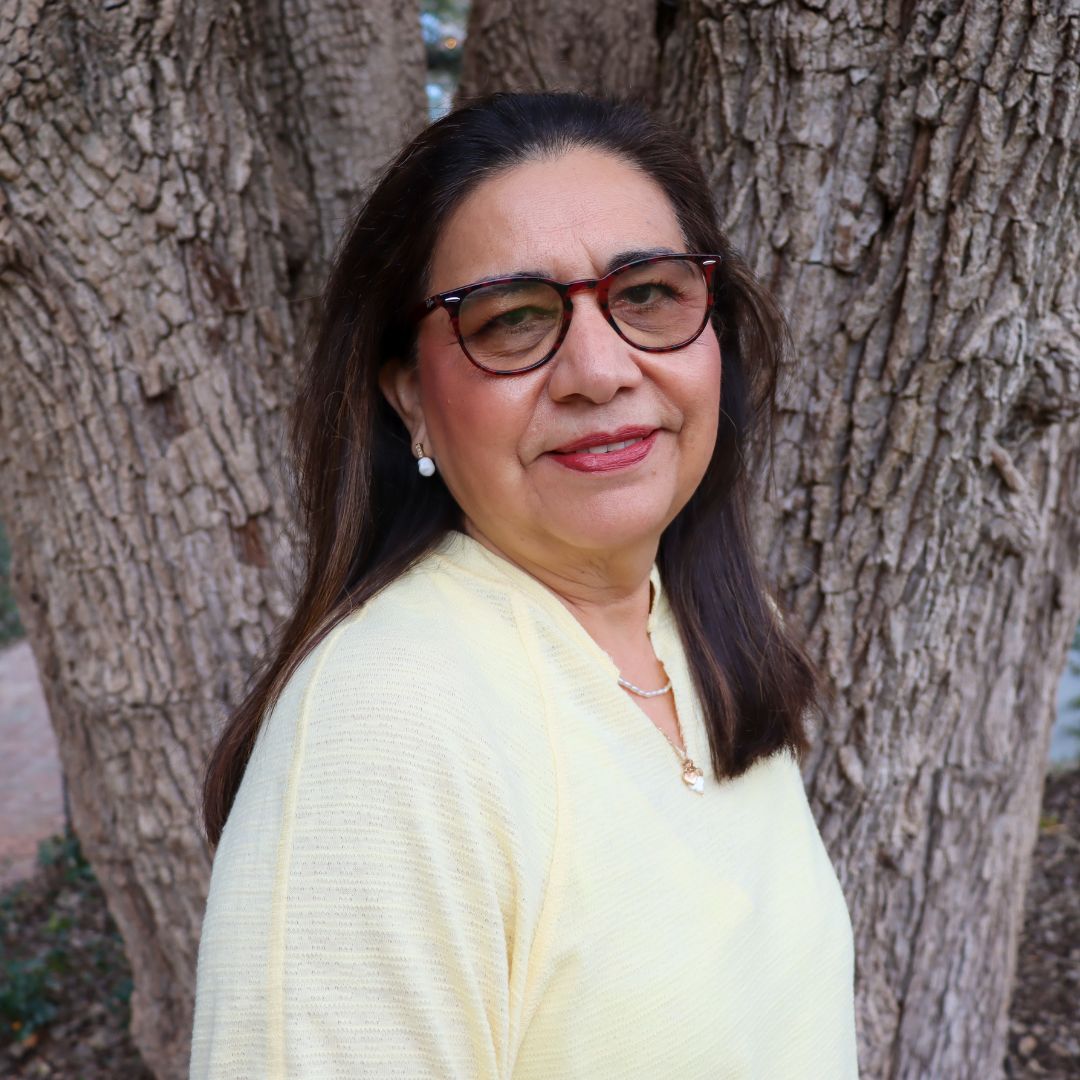
Diana Garibaldi of Florida, a breast cancer survivor, plans to use her lived experience to strengthen the core mission of BBellaBStrong, an organization dedicated to empowering Latina women and all individuals affected by breast cancer. Her goals include providing comprehensive, bilingual education, support, and resources.
Jackie Berrios Branch of Oregon, another breast cancer survivor, has set her sights on increasing the representation of Latino cancer patients and survivors on cancer advisory boards and program planning committees. Her aim is to ensure that personal experiences directly inform modern cancer services, resources, and research initiatives.
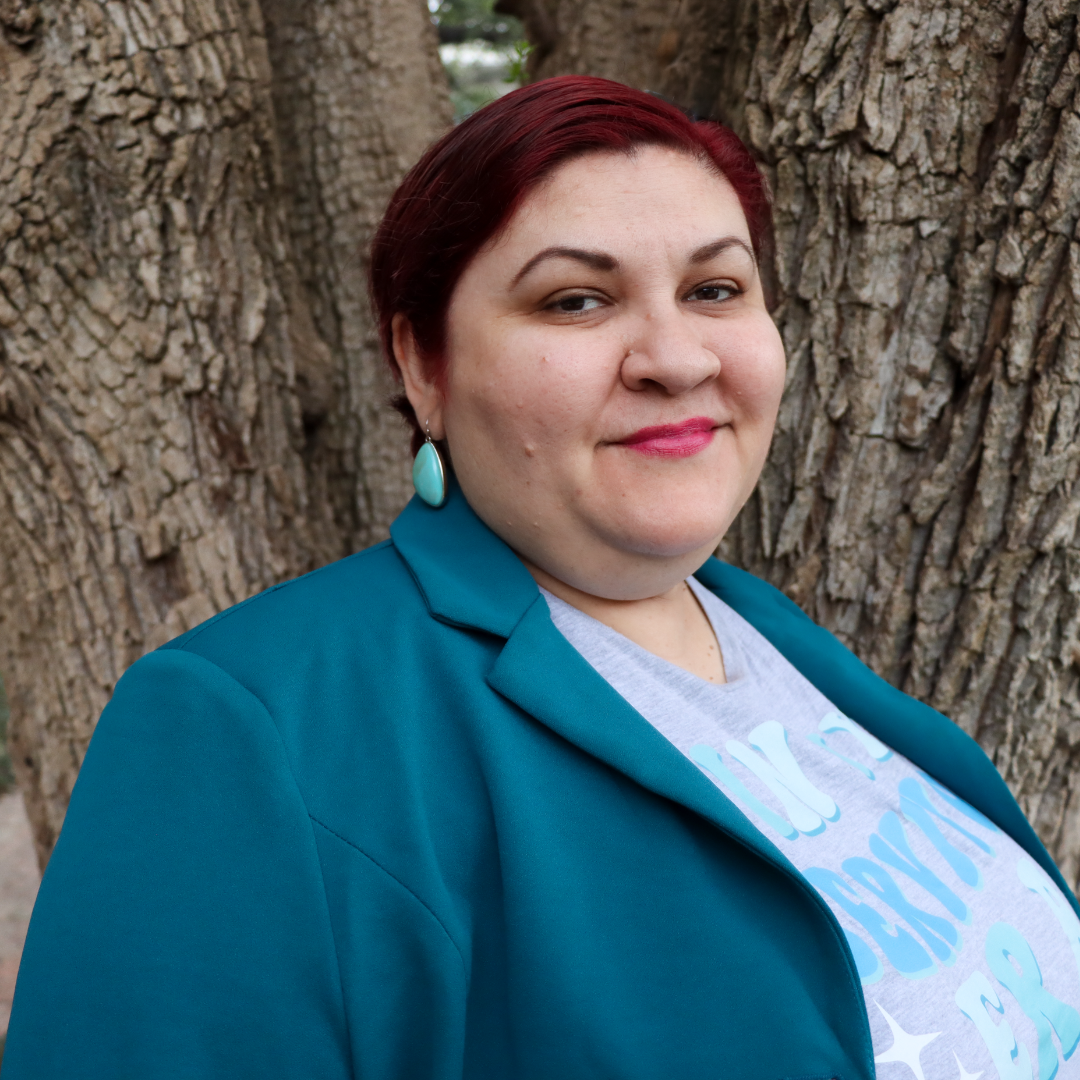
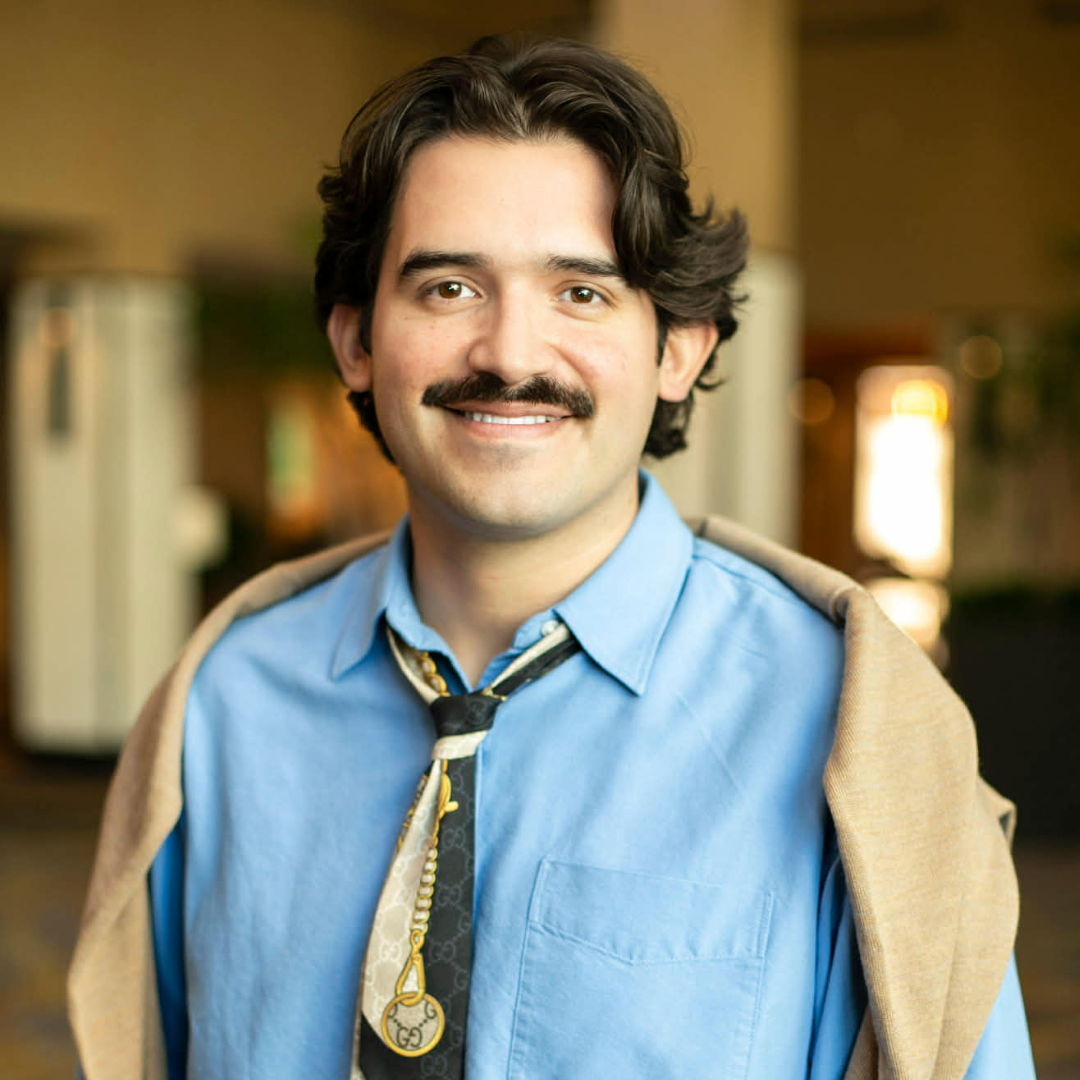
Javier (JC) Cantu of Texas, participating as a caregiver, wants to invest directly in the future of the training program by identifying and recruiting three new applicants to ensure future caregivers and survivors can benefit from the same transformative education.
José Adorno of Ohio, a lymphoma survivor, is driven by a simple yet profound motivation. He wants to impact as many lives as possible, either directly or indirectly, and leave a mark that reassures people that at least one person deeply cares and supports them.

Karen Estrada of Florida, an acute myelocytic leukemia survivor, aims to serve as a beacon of inspiration for families, showing them the unvarnished truth about cancer and how resilience can emerge from pain. She also hopes to expand her knowledge of various cancer types to educate patients and families on diverse treatment options, including the benefits of participating in clinical trials.
Mignaliz “Nanny” Vega-Morales, a colon and ovarian cancer survivor, is tackling Latino cancer challenges at local, state, regional, and national levels. By promoting health improvements within the Hispanic and Latino community, she uses her shared experiences to address persistent obstacles in healthcare access, education, and prevention.
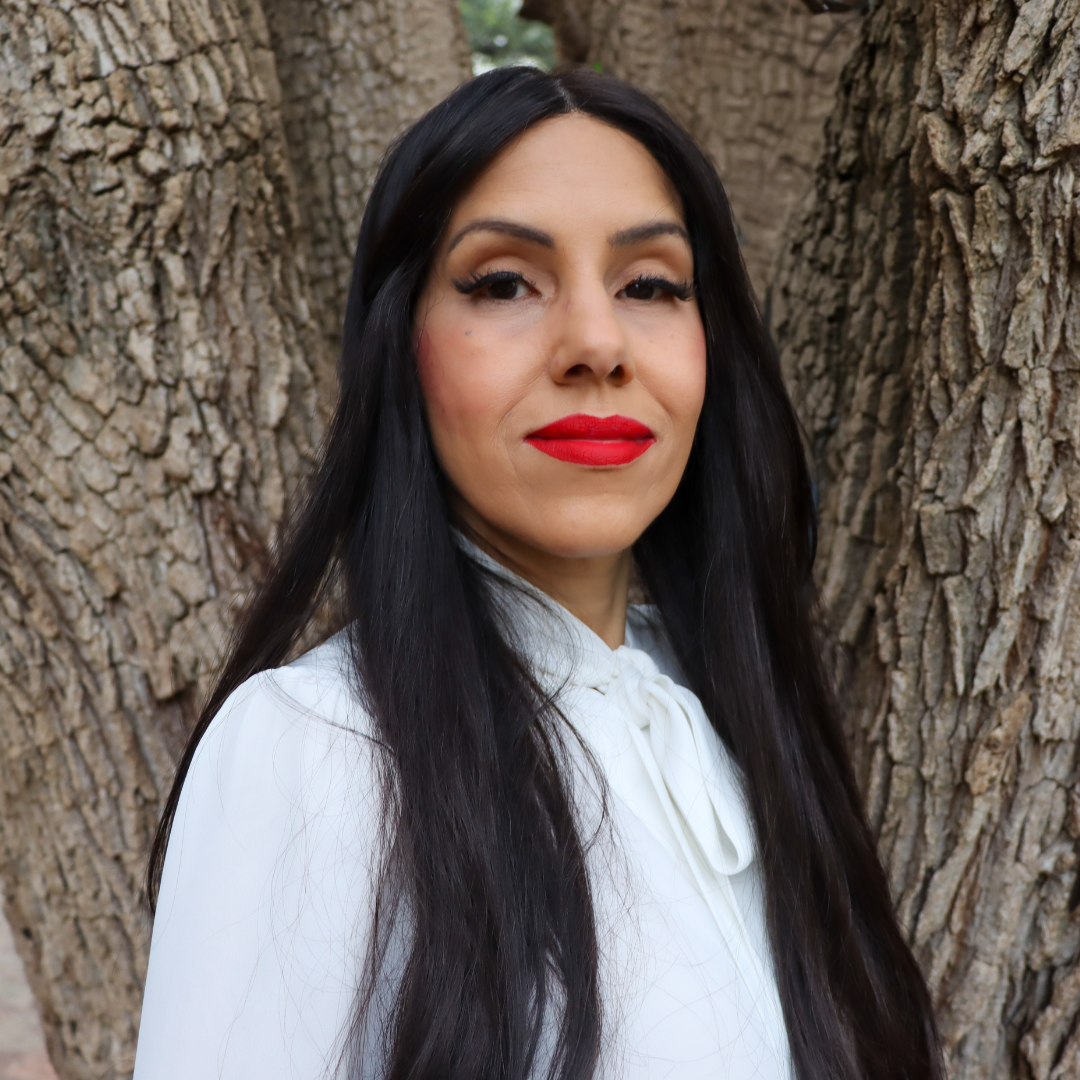
Melissa González of Florida, an endometrial cancer survivor, remains focused on continuous learning and using her voice to ensure patients feel heard, supported, and confident in advocating for their own medical needs.
Monica Binciguerra of Illinois, a lung cancer survivor, endeavors to create or partner with an existing organization to develop a specialized program serving the Latino community. She is also committed to generating new content, resources, and programs that ensure cancer-related information is linguistically accessible and culturally tailored.
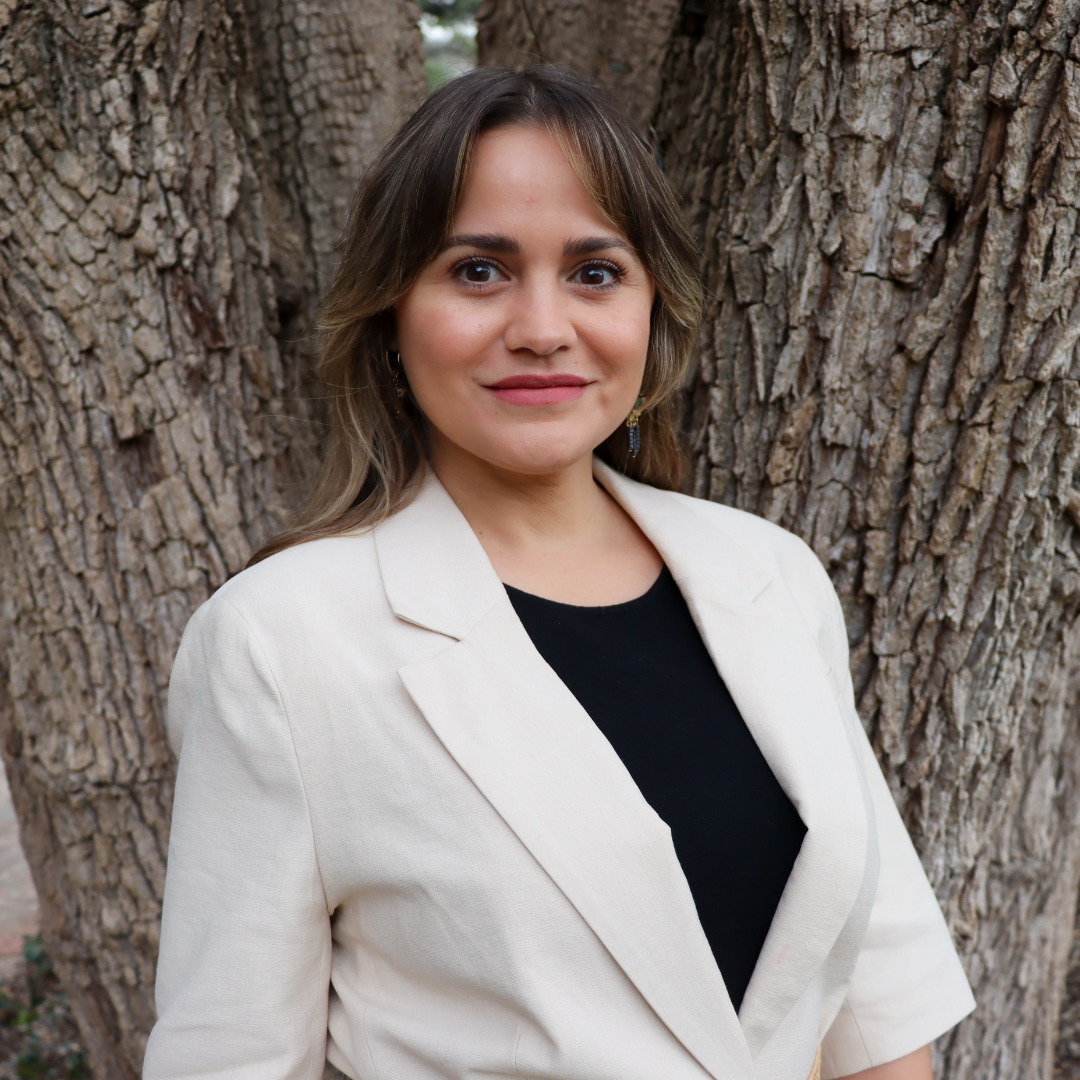
Shirley Pacheco of California, a breast cancer survivor, continues to volunteer with hospitalized breast cancer patients while assisting a nonprofit organization focused on women’s cancers. She plans to keep facilitating support groups and ultimately hopes to train and serve as a professional patient navigator.
Tristana I. Vázquez Torres of Puerto Rico, a colorectal cancer survivor, wants to help make safe, accessible movement and wellness practices an integrated part of standard cancer care. She also aims to support research examining how these wellness programs can meaningfully improve the quality of life for patients and survivors.
Building a Movement: The Evolution of the Training Program
The newly graduated class joins an established network of 15 prior survivors who are actively working to improve cancer outcomes for Latinos and all communities.
The program itself was created in 2023 by Dr. Barbara Segarra-Vázquez and the late Sandi Stanford of the Alamo Breast Cancer Foundation. That year, 15 Latina cancer survivors were selected for the inaugural Latino Cancer Patient Advocate Training Program. They met for the first time ahead of the 2024 Advancing the Science of Cancer in Latinos Conference on February 20, 2024.
That foundational meeting set a national movement into motion—one dedicated to placing Latino cancer survivors into influential positions where they could leverage their lived experiences to guide and protect future patients. Graduates of the program are now deeply embedded in leadership roles. They meet regularly with industry stakeholders, share their stories through media outlets, assist health organizations with prevention and education, and serve on influential committees.
Demonstrating the enduring strength of this network, two graduates from the inaugural class—colon cancer survivors Marielle Santos McLeod from South Carolina and Andrea Suarez Vargas from Miami, Florida—returned to support the 2026 graduating class. They welcomed the new members into the fold of a rapidly expanding community of Latino patient leaders during a special podcast appearance and graduation event.
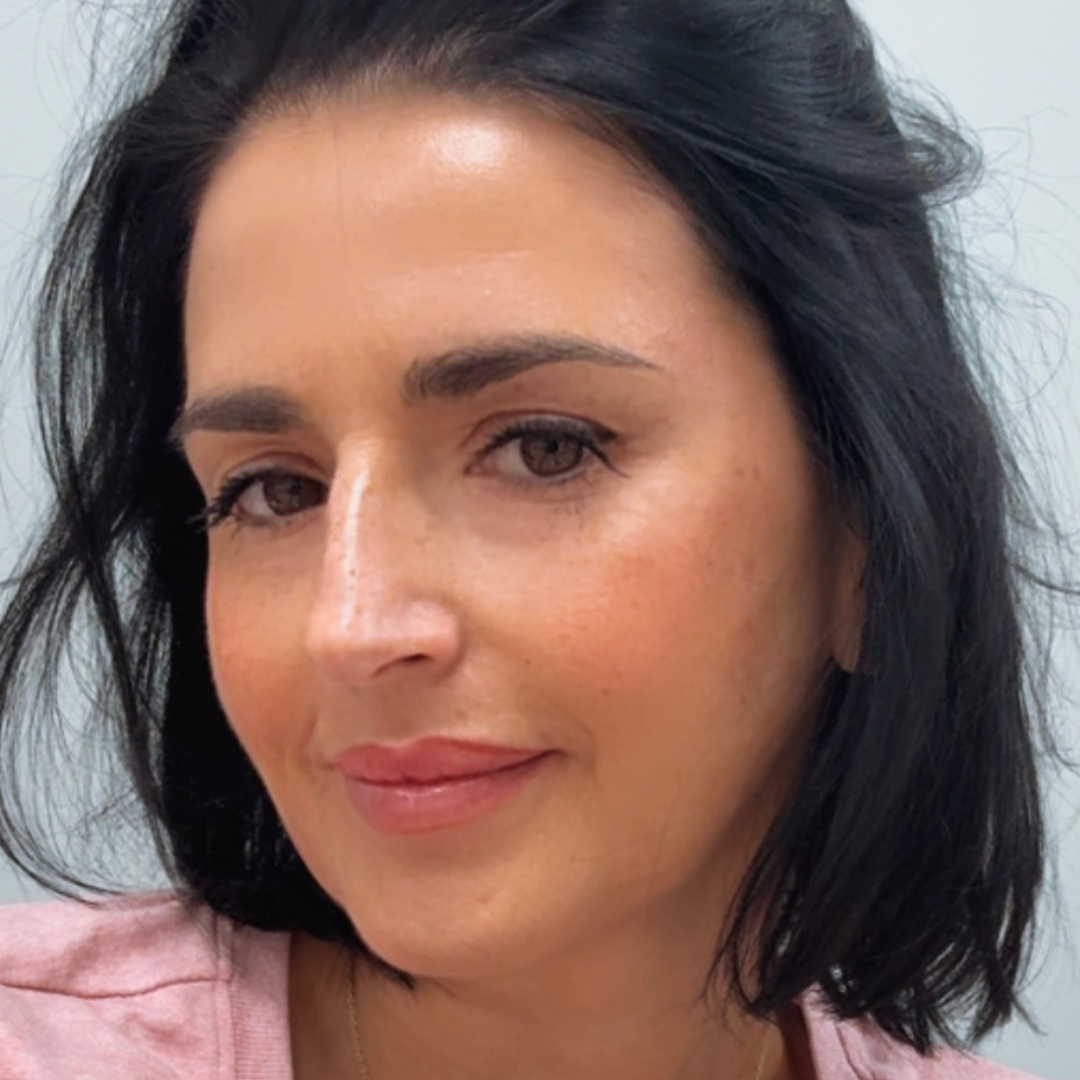
With tassels successfully moved to the other side, program organizers are already looking ahead to opening opportunities for the next cohort.
"You really have to have passion to become a patient advocate," Dr. Segarra-Vázquez reflected. "It’s that desire to help others, that desire to speak for those who cannot speak, maybe because they’re not sitting at the table, or maybe because they’re not here anymore. It’s our role to continue the legacy and to have fewer people or no people at all die from cancer."
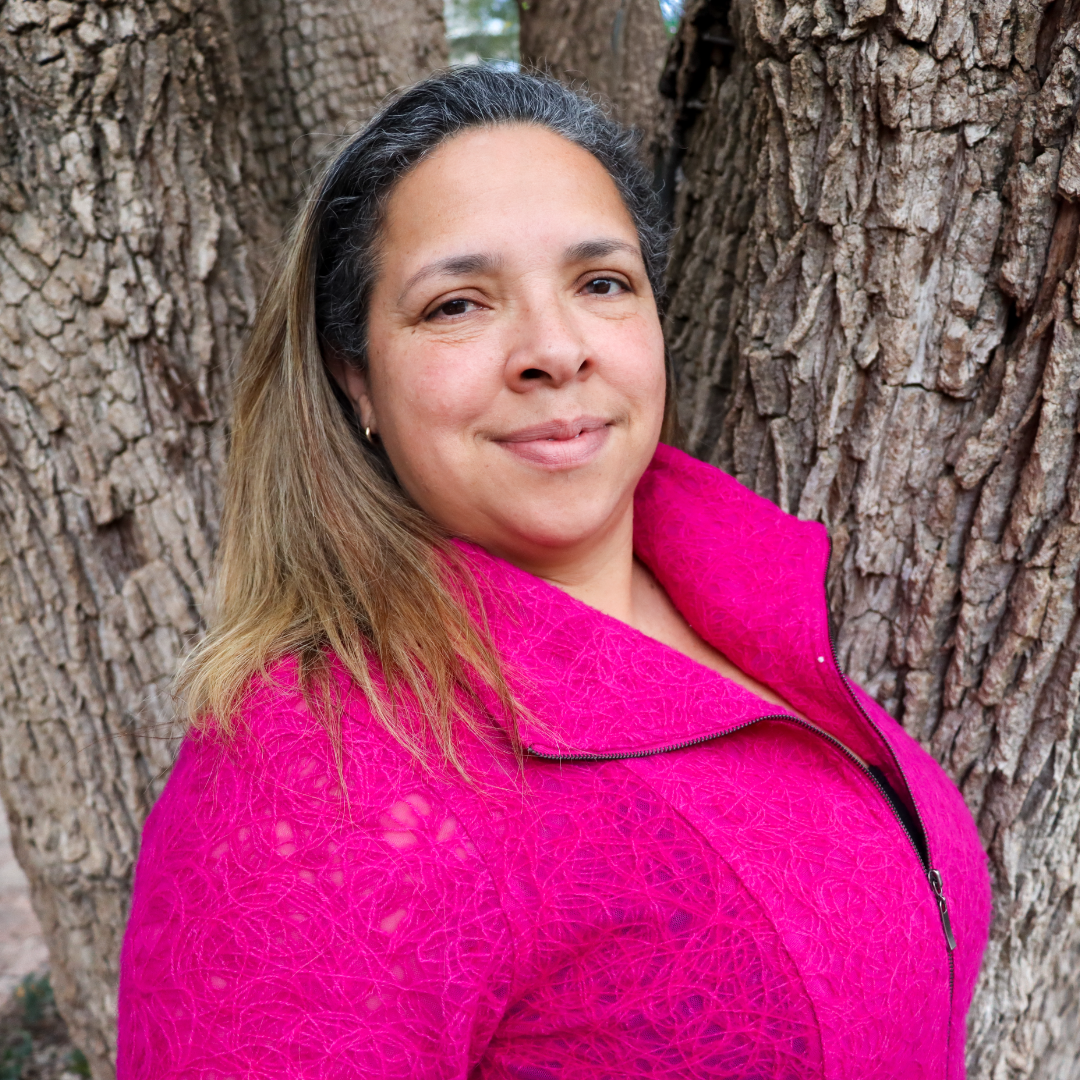
Applications for the next cycle of the training program are scheduled to open in 2027.
This publication is dedicated to the loving memory of Latino Cancer Patient Advocate Training Program co-creator Sandi Stanford of the Alamo Breast Cancer Foundation. A fierce survivor and pioneer advocate who dedicated her entire life to improving cancer outcomes for Latinos and all people, Stanford passed away on August 29, 2026.