









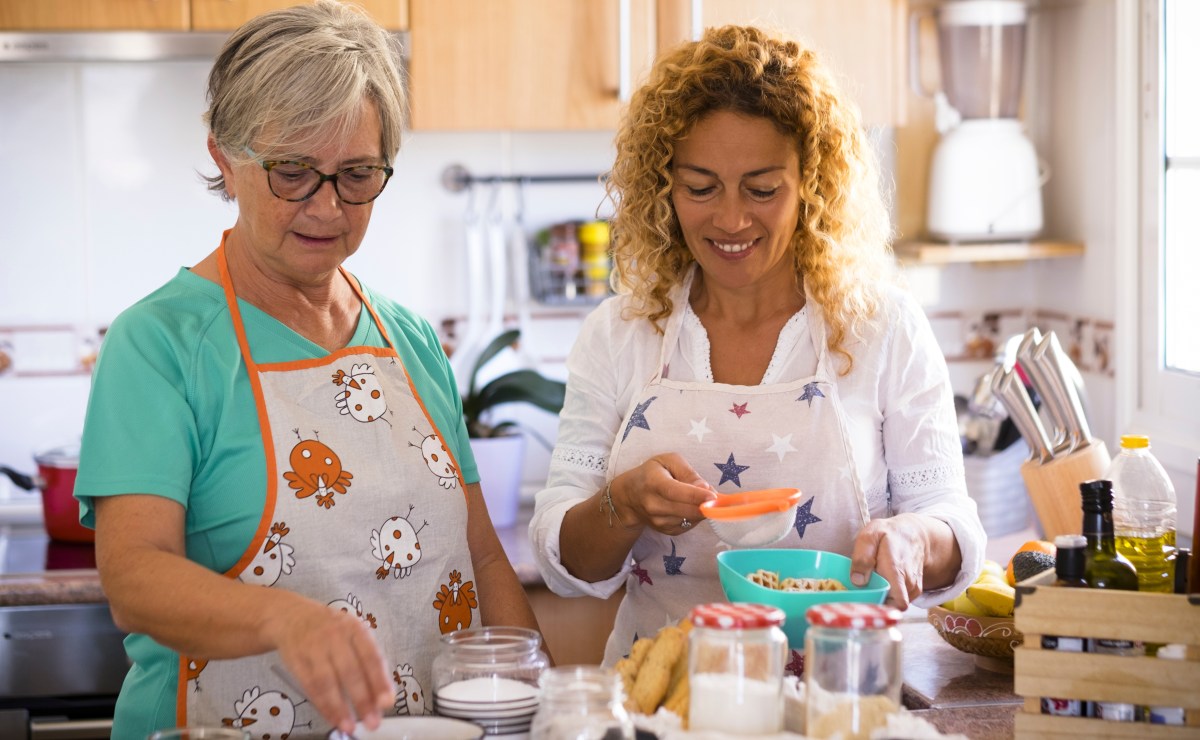
In families across the Latin diaspora, the kitchen has historically functioned as far more than a mere space for food preparation. It operates as the emotional center of the household—a dynamic environment where generational stories naturally unfold, laughter fills the air, and the enduring wisdom of an abuela lives on vividly through every dish served. For many communities, food serves as a vital bridge between generations, connecting individuals to their cultural roots while simultaneously allowing them to forge new, meaningful traditions with their own children and loved ones.
Following a challenging year marked by societal stressors and economic fluctuations, households across the country are expressing a profound collective eagerness for a cozy Nochebuena and Christmas spent in the company of cherished family members. Anticipation is building around the sharing of comforting culinary traditions and childhood favorites that serve to remind individuals of what truly matters during the holiday season: togetherness, shared meals, and the deeply familiar flavors that immediately evoke a sense of home, belonging, and peace.
Culinary traditions often rely on a handful of deeply nostalgic recipes that effortlessly draw family members back to the communal table. Infused with memory and emotional resonance, these dishes can be easily recreated in modern kitchens utilizing everyday essentials and kitchenware easily sourced through online retailers like Amazon. Three distinct recipes stand out for their ability to anchor a holiday gathering, each carrying a unique history and cultural significance that transcends the dining room.
1. Abuela’s Caldo de Pollo
Nothing consistently beats a traditional bowl of caldo de pollo prepared precisely the way an abuela used to make it during the colder winter months. This welcoming starter warms hearts in a manner that few other dishes can manage. A steaming bowl of chicken soup, slowly simmered over extended periods with fresh vegetables and aromatic seasonings, offers unmatched comfort and emotional restoration. Within many Latin households, this dish functions as a universal remedy deployed by mothers for nearly any affliction: whether a family member is battling a seasonal cold, nursing a heartbreak, or simply recovering from a long, exhausting day at work or school.
Home cooks frequently recreate this foundational dish utilizing accessible ingredients such as skinless chicken thighs, carrots, potatoes, fresh corn, and butternut squash. Enhancing the flavor profile involves a careful sprinkle of fresh cilantro, oregano, and parsley, paired with sea salt and a distinctive, personal touch—one medium Japanese sweet potato introduced to impart a subtly sweet fragrance to the broth. The preparation method remains remarkably straightforward: gather the ingredients, meticulously chop the vegetables, and cook everything together in boiling water alongside the chosen seasonings.
The ultimate success of the dish relies heavily on proper timing. Cooks must bring the water to a rigorous boil, introduce the firmest ingredients first, and subsequently reduce the heat to a steady medium level. Once these dense components begin to soften, the more delicate ingredients are added, allowing their distinct flavors to meld together harmoniously over gentle heat. Culinary experts note that utilizing a heavy cast-iron Dutch oven can significantly elevate the quality of a home-cooked caldo de pollo. Because cast iron distributes heat evenly throughout the cooking process, it creates the ideal simmering environment necessary for the flavors to fully develop.
When serving the soup, presentation and utility intersect. Ceramic soup bowls are frequently recommended because they retain heat significantly longer than standard dinnerware and offer the added convenience of being both oven- and microwave-safe. For an elevated touch that nods to traditional European and Latin fusion techniques, some home cooks place a slice of bread topped with melted cheese under the kitchen broiler for a few minutes before submerging it or serving it alongside the broth. Shiny stainless-steel soup spoons complete this simple yet sophisticated presentation, ensuring that the dining experience feels both intentional and comforting.

Ultimately, complicating the process is entirely unnecessary; this dish remains effortlessly delicious and virtually guaranteed to please diverse groups of guests. It represents comfort food at its finest: healing, heartwarming, and inherently communal. It provides the exact kind of nourishment that sustains both the physical body and the human spirit during the demanding holiday season.
Empanadas for Sharing
Empanadas represent a ubiquitous pan-Latin American staple, with virtually every country—and often distinct regions within those countries—claiming its own unique culinary twist on the pastry. In traditional childhood homes, the labor-intensive process of preparing and baking empanadas was rarely a solitary chore; rather, it was structured as a collaborative group effort. Rolling out the dough, portioning the savory meat or cheese fillings, and meticulously crimping the edges created an atmosphere where every family member wanted to participate. It was an activity defined not just by the eventual meal, but by the teamwork and conversation that brought the kitchen to life.
Childhood memories associated with the dish often highlight the communal nature of the preparation. Standing on a household bench to reach the countertop, children frequently snuck pieces of seasoned meat while older generations demonstrated signature folding techniques, such as the traditional flower-shaped seal. Because high-value fillings like meat were historically treated as special holiday treats, families routinely exercised creativity by substituting alternative ingredients such as cheese, corn, spinach, and tuna. Consequently, empanadas function as one of the most convivial foods in Latin cuisine, possessing a unique capacity to bridge generational divides and bring people together regardless of the specific filling chosen.
Achieving the ideal batch requires reliable equipment, such as commercial-grade aluminum baking pans. These pans are favored in professional and home kitchens alike because they conduct heat with high consistency, ensuring that each pastry bakes evenly across the sheet. When it is time to serve, hosts often utilize lightweight bamboo plates paired with festive holiday paper napkins, facilitating an informal, stand-and-chat snacking environment that works exceptionally well during crowded family gatherings. These culinary traditions remain a holiday staple precisely because they unfailingly recreate the warm, shared joy of communal participation.

Arroz con Leche
For the grand finale of a holiday feast, few dishes rival a warm, creamy, and lightly sweet arroz con leche, often finished with a rich swirl of dulce de leche and heavily spiced with aromatic cinnamon precisely the way abuela Norma used to prepare it. Rice pudding occupies a distinct space in the culinary landscape of Latin America, functioning as a dessert that shapes childhood memories with unmatched permanence. For many, simply thinking about the dish evokes powerful nostalgic emotions. Visiting a grandmother’s home and discovering that she had spent her afternoon preparing a fresh batch was historically a moment of unadulterated joy.
Today, many individuals maintain that there is simply no better way to conclude a major family gathering, such as Nochebuena or Christmas Day, than by serving a generous bowl of this rich, aromatic delight. Its distinctive aroma and sweet taste capture the precise sense of home and cultural heritage that many members of the Latinx diaspora continually long for. While individual families invariably add their own distinct touch—some incorporating lemon or orange zest, others introducing raisins or a generous splash of sweetened condensed milk—the foundational appeal remains rooted in accessible pantry staples: rice, milk, and sugar. Furthermore, these basic ingredients stretch remarkably far, allowing a cook to produce a large batch capable of satisfying a substantial gathering of family and friends.
According to generational culinary wisdom, the true secret behind a successful rice pudding is unwavering patience and constant attention. This involves letting the rice cook slowly over a low flame until the texture reaches the precise point of perfection. Achieving the ideal consistency—one that is neither overly thick nor excessively runny—requires vigilance to prevent the dairy from scorching at the bottom of the vessel. Modern cooks often utilize nonstick saucepans paired with durable wooden spoons to streamline the process, transforming a historically tedious chore into a manageable routine.
The specific varieties of rice and milk utilized play a critical role in the final outcome. Short-grain rice varieties, such as Arborio or Calrose, release significantly higher amounts of starch during the simmering process. When combined with whole milk, this released starch creates the velvety, luxurious texture that diners traditionally expect from an authentic rice pudding. For hosts accommodating dietary restrictions, lactose-free whole milk serves as an effective substitute that preserves the rich mouthfeel while preventing digestive discomfort among guests.

The preparation method requires deliberate pacing. A standard batch begins by rinsing a cup of rice under cold water using a fine mesh strainer, followed by combining the grain with four cups of milk and a measured amount of sugar. The mixture is brought to a gentle simmer, the heat is reduced, and the cook must continuously stir the pot every few minutes while monitoring the thickening texture. Finishing touches typically include fresh lemon peel, a hint of vanilla extract, and a generous dusting of powdered cinnamon across the surface.
Because preparing arroz con leche typically demands thirty to fifty minutes of uninterrupted attention beside the stove, many home cooks intentionally transform the task into a mindful ritual. By playing soft background music and stepping away from the daily anxieties of modern life, the cook can embrace a deliberate, slower pace of life. Standing beside the simmering pot, stirring occasionally, and assessing the texture allows the individual to become fully present in the kitchen. Gradually, the ambient noise fades, the rich aroma of warm milk and spices fills the room, and the act of cooking becomes a restorative exercise in heritage and care.
The dessert is traditionally served warm, often garnished with organic cinnamon sticks during family gatherings to encourage storytelling and shared reminiscences among relatives. Ultimately, these culinary traditions underscore the reality that food functions as vastly more than mere physical nourishment. It operates as a living archive of family history, tradition, and emotional connection. These enduring recipes demonstrate that even amid challenging societal circumstances, individuals can continue to find profound joy in the simplest, most fundamental human acts: sitting together, passing shared plates, and carrying the warmth of an abuela’s kitchen into the modern home.