
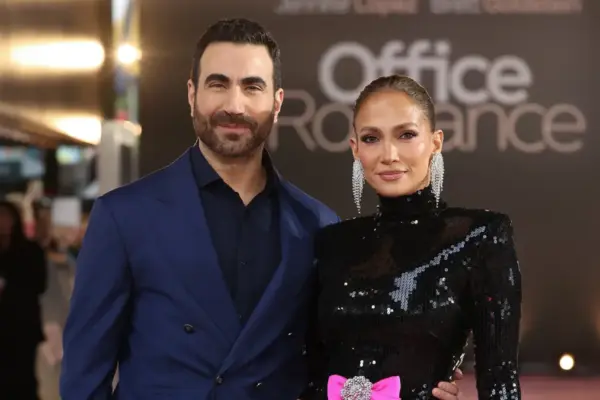









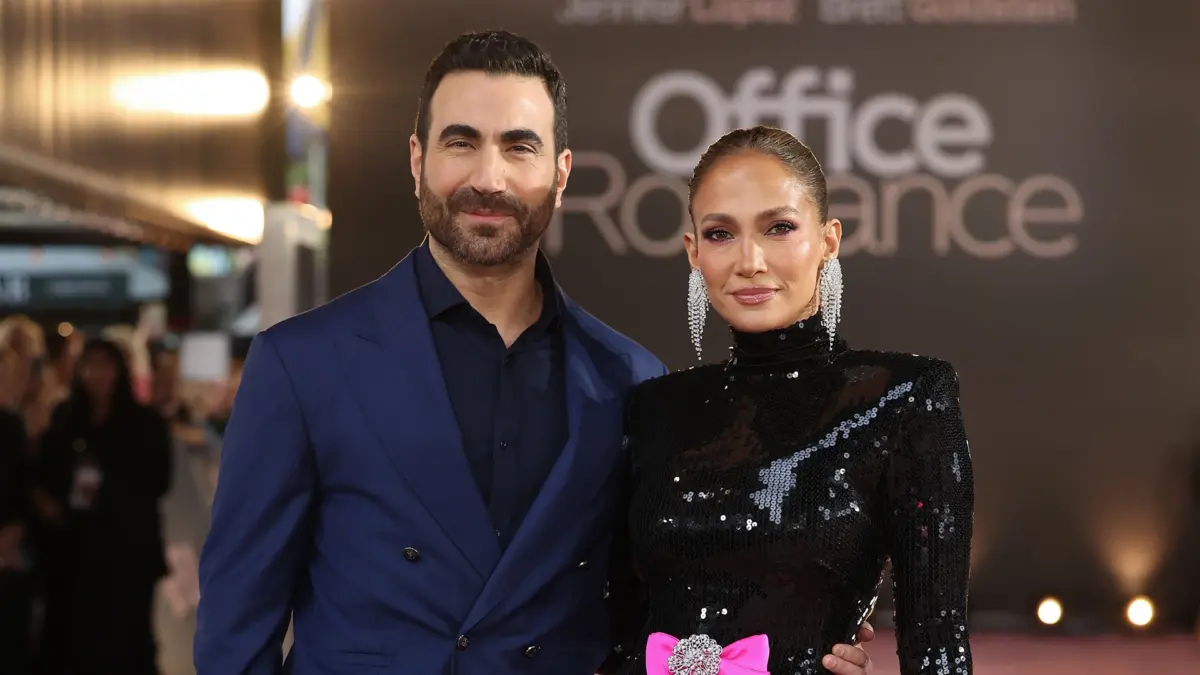
Jennifer Lopez and Brett Goldstein generated intense speculation about their real-life relationship status after displaying undeniable chemistry while promoting their Netflix romantic comedy, Office Romance. During the film’s press tour in June, the two appeared on NBC’s Today, where Goldstein revealed that he had specifically written the screenplay with Lopez in mind. Showcasing their playful dynamic, host Savannah Guthrie highlighted the romantic undertones of the project and recalled that Lopez had previously named Goldstein her "best kisser" among her co-stars during an appearance on Andy Cohen’s Watch What Happens Live.
Although both actors deflected questions and denied they were romantically involved, exchanging nervous giggles and smirks during their television appearances, few observers were convinced. The undeniable spark led many to question whether the palpable chemistry was merely a strategic promotional tactic, echoing past celebrity publicity campaigns such as Bradley Cooper and Lady Gaga’s heavily scrutinized promotional rollout for A Star Is Born.
Months after the film’s release and the conclusion of its promotional circuit, fresh fuel has been added to the fire. According to reports from Page Six, Lopez and Goldstein may indeed be dating casually after the pair were recently spotted leaving a Los Angeles party together in the same vehicle. As of now, neither Lopez, Goldstein, nor their respective representatives have confirmed or denied the rumored romance. Nevertheless, the digital landscape has already embraced the narrative, with fans and commentators eagerly speculating about a potential Hollywood love story.
This latest development reignites a familiar cultural conversation surrounding Jennifer Lopez’s high-profile romantic history and the persistent double standards women face in the public eye. When a major celebrity sighting occurs, public discourse often rushes to fit a woman’s romantic choices into a strict narrative of permanence, demanding that every new relationship be judged by whether or not it will lead to marriage. This expectation disproportionately targets women—particularly Latinas, regardless of their age or career achievements—while men are rarely subjected to the same rigid scrutiny regarding their relationship trajectories.
At 57 years old, Lopez has built an extraordinary career, navigated four marriages and subsequent divorces, and raised two children. Having lived a deeply public and full life, she has undoubtedly accumulated self-awareness and personal growth. Yet, cultural assumptions immediately position any new male connection as a serious contender for marriage. Following her high-profile divorce from Ben Affleck, public sentiment often projects a sense of urgency onto Lopez’s love life, as though Goldstein must instantly fulfill the role of a lifelong partner rather than someone she is simply getting to know.
Society frequently evaluates a woman’s romantic relationships as a direct reflection of her personal judgment, self-worth, and emotional maturity. In contrast, men are rarely subjected to the insinuation that a new relationship indicates a failure to learn from the past or a lack of personal value. For decades, cultural expectations—compounded by traditional values and respectability politics—have placed immense pressure on Latinas to find lasting love and maintain strict social reputations.
While younger generations, such as Gen Z, have experienced greater cultural leniency regarding dating, many millennials, Gen Xers, and older demographics were raised under the traditional "señorita" mentality. Historically rooted in patriarchal structures and machismo, this cultural framework tied an unmarried woman’s worth directly to her sexual modesty and respectability. A "good woman" was traditionally expected to reserve intimacy exclusively for marriage, preserving her reputation and ensuring that her romantic choices would lead predictably to a lifelong union.
Even as modern society shifts away from these rigid constraints, the underlying double standard persists. Women who date casually, experience multiple relationships, or remain unmarried are frequently forced to justify their choices, defend their reputations, and prove that they regret nothing about their personal lives. Meanwhile, men with comparable romantic histories are routinely viewed through a lens of independence, experience, and careful deliberation. A successful man who takes his time before settling down is typically excused as confident and self-assured, while a successful woman with similar options is often subjected to harsh judgments about her ability to maintain a lasting relationship.
This persistent fascination with Lopez’s romantic life underscores a broader societal discomfort with successful, empowered women who do not conform to traditional domestic timelines. A marriage ending does not equate to a personal failure, nor does a divorce mean a woman must prove her worth by immediately securing her next husband. Whether her connection with Goldstein is fleeting or long-lasting, Lopez retains the fundamental right to explore romantic chemistry, seek companionship, and enjoy pleasure on her own terms without being weighed down by societal expectations.
Men are routinely permitted to navigate dating as a fluid phase of life, free to focus on personal goals or keep their options open for years without facing existential questions about their emotional maturity or psychological well-being. Women making identical choices, however, are frequently met with intrusive inquiries about commitment phobia, pickiness, or unresolved trauma. As women age, these judgments often intensify, revealing an entrenched cultural conditioning that encourages women to internalize the belief that their romantic paths define their entire identity.
While women certainly navigate legitimate physical and social risks in the dating world—including the threat of sexual violence, unequal emotional labor, and severe reputational double standards—the cultural pressure to manage how others interpret their personal lives remains exhausting. The societal habit of treating a woman’s romantic history as a public scorecard creates an uneven playing field where personal choices are constantly scrutinized.
Ultimately, Jennifer Lopez does not owe the public a successful marriage to validate her personal growth or demonstrate that she has "figured out love." She is entirely entitled to pursue romance, excitement, and human connection for however long a season lasts, free from the lingering weight of respectability politics.