










Recently spent exploring Prince Edward Island, a place that embraces its local foodways with gusto, reveals a destination with a complex culinary history. With deep roots extending into Indigenous Mi’kmaq, Acadian, Irish, Scottish, and various other cultural traditions, the island’s heritage is rich and varied. If there is one singular element that unites these diverse histories, it is the extraordinary abundance of fresh seafood and fertile produce that has justly earned the territory the nickname “Canada’s Food Island.” It is a moniker that beckons travelers from near and far to experience its unique gastronomic landscape firsthand.
Spanning a stretch of land only about 140 miles long, Prince Edward Island offers a remarkable concentration of culinary treasures. Visitors can easily sample oysters pulled straight from nearby waters, potatoes cultivated on local family farms, juicy burgers crafted from prime PEI beef, and artisanal ice cream made from the milk of cows grazing quietly along the region’s famous red-dirt roads. That is an astonishing amount of exceptional dining packed into a geographic expanse small enough to drive across entirely in a single afternoon.

Planning a visit to such a bountiful region requires careful coordination, balancing dedicated dining excursions with must-see cultural touchstones. For literature enthusiasts, a bucket-list pilgrimage to the Green Gables Heritage Place is practically mandatory. Set against the charming backdrop of PEI around the turn of the last century, the location immortalizes L.M. Montgomery’s beloved novel, Anne of Green Gables. Additionally, timing a trip to coincide with the annual PEI International Shellfish Festival promises an unforgettable immersion into the island’s maritime culture, featuring endless trays of freshly shucked oysters and clams, hot buttered lobster rolls, steaming bowls of local mussels, and a vibrant array of entertainment ranging from competitive shucking and cooking demonstrations to live music and traditional dancing.
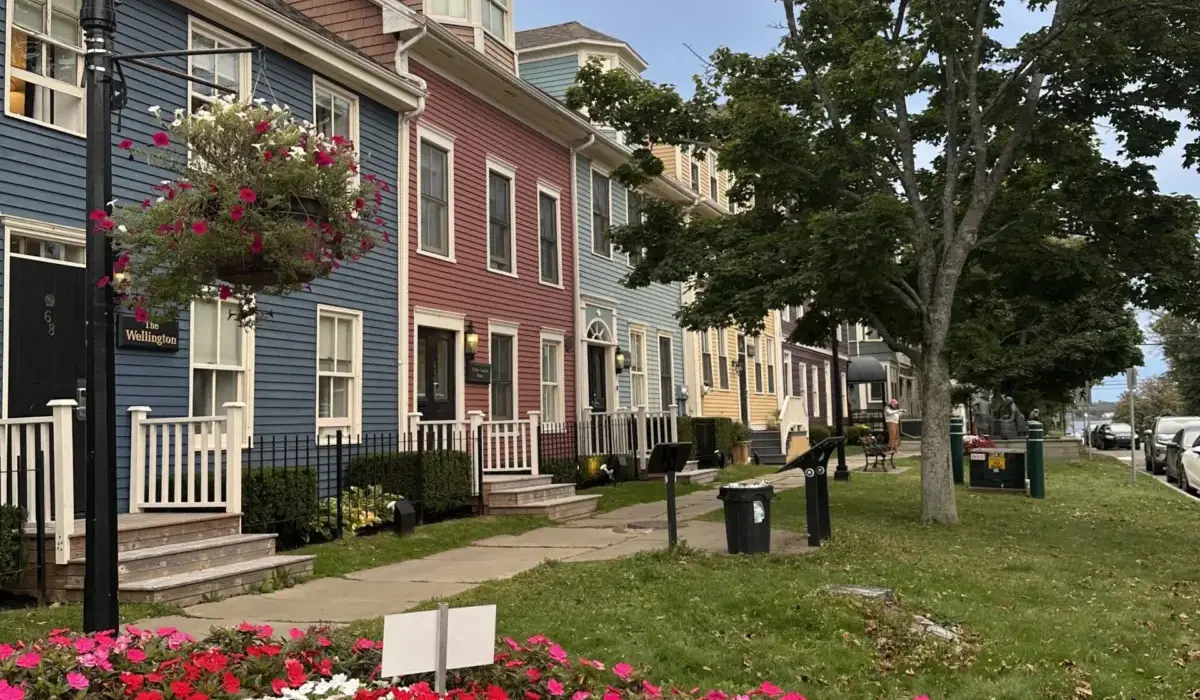
Arriving with a rented car, travelers often choose Charlottetown, the island’s bustling main hub, as their primary base of operations. Situated in the picturesque Gulf of St. Lawrence and sitting just a short distance from Nova Scotia, Prince Edward Island ensures that the ocean is never far away. On a clear, sunny day, the coastal air seems to sparkle, casting a golden light over the region’s signature red-sand cliffs, sprawling beaches, rolling agricultural landscapes, historic fishing harbors, and iconic lighthouses. Anyone familiar with Anne of Green Gables will instantly recognize the timeless, pastoral beauty that defines the island.

Landing late on a Thursday afternoon, visitors eager to make the most of a tightly packed three-day itinerary quickly hit the ground running, relying on strategic mapping to navigate the island’s culinary hotspots from a Charlottetown home base.
Day 1
Drinks and snacks: Slaymaker & Nichols
Charlottetown is a remarkably compact city where nearly all downtown destinations are accessible within a comfortable 20-minute walk. The very first culinary stop on the island often begins at Slaymaker & Nichols, a sophisticated gastropub and inn that captures the inviting atmosphere of an old-fashioned supper club. The establishment draws its intriguing name from a 19th-century circus that once performed on the exact same site.

The kitchen and bar staff take cocktail crafting seriously, utilizing seasonal ingredients to complement the local mood. During warm-weather visits, refreshing libations like the watermelon mule—featuring hibiscus-infused vodka paired with chunks of pickled watermelon—provide an ideal introduction to the local dining scene. These creative drinks pair exceptionally well with comforting small plates, such as a rich and creamy lobster dip accented with tomatoes and harissa, or buttery shrimp pil pil served alongside tender, savory spears of fresh asparagus.
More drinks: Reddins
While saving room for a classic PEI lobster roll at an unassuming neighborhood spot nearby, visitors quickly realize that the initial seafood sample is merely a prelude to the evening’s main adventures. Following dinner, a trip to Reddins offers a fascinating step back in time. This intimate, third-floor speakeasy channels the island’s Prohibition-era history through a dimly lit lounge furnished with vintage pieces, complemented by ambient jazz music and whimsical, highly imaginative cocktails.

According to the establishment’s knowledgeable bartenders, the space originally operated as a local pharmacy during the Prohibition era. At the time, patrons could legally acquire alcohol by obtaining a physician’s prescription for medicinal purposes. Among the signature cocktail offerings, the standout creation is the Pink Canary—a vibrant mix of vodka, rose liqueur, lychee, citrus, and rosé bubbles, served inside a miniature ceramic bathtub. Sweet, playful, and undeniably memorable, it captures the creative spirit of the local bar scene.
Gaining entry to the venue requires a specific secret password, which can be found online or obtained by politely asking the hostess at the neighboring establishment while buzzing from the street level.

Day 2
The second day often begins amidst shifting weather, with visitors navigating morning rain showers to reach Victoria Row for breakfast at Receiver Coffee, a prominent local roaster. The café provides essential shelter and robust fuel for the day, offering exceptionally strong coffee, a particularly refined cup of Earl Grey cream tea, and the renowned Ham Slam. This hearty breakfast sandwich features a large, fluffy cheddar biscuit layered with a perfectly runny fried egg, savory Black Forest ham, Swiss cheese, and tangy Dijon mayonnaise.
An attempted morning visit to the shellfish festival is occasionally dampened by persistent rain, prompting a pivot toward the tiny, exceptionally charming coastal village of Victoria-by-the-Sea. Spanning a mere half square mile with a population hovering under 200 residents, the hamlet punches well above its weight class in culinary offerings. Chief among them is the Landmark Oyster House, housed within a historic general store distinguished by striking green shingles and a steep gabled roof.

Welcomed by the warm hospitality that characterizes the entire island, diners frequently start their meal with Raspberry Point oysters. Medium-sized, intensely briny, and naturally sweet, they are traditionally accompanied by lemon wedges and freshly grated horseradish, a preparation that instantly elevates the tasting experience. Another menu highlight is the inventive scallop dog, which nests buttery sweet sea scallops, savory bacon jam, red pepper aioli, and pickled shallots inside a toasted bun, served alongside a rich and satisfying eggy potato salad.
After exploring the town’s cheery seaside lighthouse and browsing a selection of local gift shops, visitors frequently stop by Island Chocolates. This family-run enterprise crafts handmade artisanal chocolates and confections using regional ingredients, such as haskap berries—a unique local fruit offering a flavor profile reminiscent of a cross between a blueberry and a raspberry. The resulting haskap truffles, encased in a thick shell of rich milk chocolate, offer a delightful taste of the island’s agricultural bounty.

By afternoon, the weather typically clears, allowing travelers to return to the shellfish festival for a substantial feast of fresh oysters and clams. Here, the local lobster rolls are prepared with a refreshing simplicity: generous quantities of unadorned lobster meat are piled high into buns, after which a ladle of rich melted butter is poured directly from a large communal vat.
For dinner, local recommendations frequently point toward North Shore Canteen in French River, a beloved neighborhood establishment that regularly draws off-duty chefs from the nearby shellfish festival. The menu shifts dynamically based on the daily fishermen’s haul, highlighting the finest regional ingredients, including halibut, striped bass, assorted shellfish, local beef, and farm-fresh potatoes. A generous order of beef tartare—seasoned expertly with capers, roasted garlic, and freshly grated Parmesan, and served alongside crunchy Covered Bridge potato chips—offers a stellar start. Main courses like a juicy hanger steak paired with chimichurri and black garlic showcase the quality of PEI beef, while a comforting parsnip cake finished with caramel sauce provides a sweet conclusion to the evening.

Day 3
The final day on the island is often reserved for long-awaited cultural milestones, such as visiting the iconic Green Gables Heritage Place. For devoted fans of the classic novel, walking through the historic farmhouse, wandering the winding paths of the Haunted Wood and Lover’s Lane, and sampling nonalcoholic raspberry cordial offers a deeply nostalgic experience.
All the walking naturally builds an appetite, setting the stage for a much-anticipated multi-lunch itinerary. The first stop is the Blue Mussel Café, a bright, deeply welcoming restaurant situated just back from the water in Rustico Harbor. The signature dish here is entirely self-evident and executed to perfection: plump, exceptionally fresh blue mussels served in massive stainless steel bowls, prepared simply with either rosemary and lemon or a classic beer and wine broth. Served alongside a ramekin of melted butter for dipping, the dish represents the pinnacle of East Coast comfort food. For those with room for more, the restaurant’s famous seafood chowder—combining haddock, salmon, scallops, mussels, and local potatoes under a giant homemade biscuit—remains a legendary alternative.

The culinary tour continues swiftly toward Richard’s Fresh Seafood at Covehead Wharf, one of the island’s most enduring fish shacks. Whether diners choose to enjoy their meal on the outdoor deck overlooking active fishing boats or carry their food down to the nearby beach under the lighthouse, the experience is quintessential PEI. The lobster roll served here is an exercise in pure abundance, packed with sweet, tender chunks of lobster meat bound lightly with lemon-chive mayonnaise and finely minced onion within a perfectly toasted, buttery bun. Accompanied by crisp coleslaw and thick-cut fries, it stands as a culinary creation well worth the journey to the island alone.
For the final dinner of the trip, travelers often head toward North Rustico Harbor to experience Rustico Cannery. Featuring an airy, modern dining room with expansive windows and a spacious outdoor deck offering sweeping sunset views over the water, the restaurant provides a sophisticated yet relaxed atmosphere. Crisp romaine hearts dressed in a creamy, spicy charred jalapeño dressing, lardons, Parmesan, and crunchy sourdough croutons offer a refreshing start. Meanwhile, main dishes like panko-crusted, pan-fried haddock served with a pickled beet remoulade, jalapeño relish, confit potatoes, and coleslaw highlight the kitchen’s creative touch.

No culinary exploration of Prince Edward Island is truly complete without multiple visits to Cows Creamery, the iconic local ice cream institution with convenient locations scattered across the territory. Sourcing its dairy exclusively from small regional farms, the shop produces remarkably rich and flavorful ice cream. Standout flavors include Coffee Cowrunch, featuring English toffee and Oreo pieces; Cownadian Maple, delivering a triple hit of maple ice cream, maple swirl, and maple cookie chunks; and Messie Bessie, a decadent chocolate ice cream loaded with Oreo, toffee, and crushed Cow Chips—the thick, ruffled local potato chips coated entirely in rich milk and dark chocolate that can be found in bags across the island.
As travelers prepare their departures, a final practical note remains: because many of the island’s best dining establishments operate on a seasonal schedule, checking operating hours in advance is essential for anyone planning a visit during the cooler autumn and winter months.