








Cancer has a profound way of reshaping the fabric of a family, stretching far beyond the individual patient to touch the lives of everyone they hold dear. For Priscilla Brittine, a Latina mother residing in Kansas City, Kansas, cancer is not merely an isolated medical diagnosis; it is an enduring family narrative that has simultaneously inflicted profound tragedy and forged an unbreakable bond among her surviving cousins.
Stomach cancer runs deep in Priscilla’s family tree, tied to a dangerous hereditary predisposition. She and multiple relatives carry a specific genetic mutation that exponentially increases their susceptibility to gastric cancer. When genetic testing confirmed that she, too, carried the mutation, the reality of her medical future set in with sobering clarity.
"The surgical oncologist told me it wasn’t if I would get stomach cancer, it was when. I felt like a ticking time bomb," Priscilla recalls.
Faced with an imminent threat to her life and a young family relying on her presence, Priscilla made the monumental decision to take cancer prevention into her own hands, ultimately undergoing a total gastrectomy—the surgical removal of her entire stomach. While living without a stomach presents daily, lifelong challenges, she considers it a remarkably small price to pay for survival and the assurance that she will be there to raise her children.
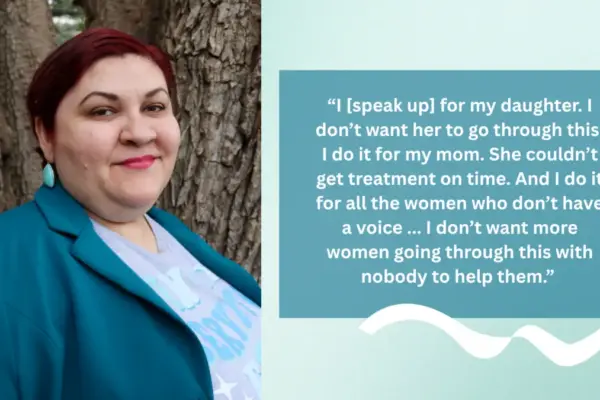
Today, Priscilla has channeled her harrowing personal journey into powerful public advocacy. She is dedicated to raising awareness about the critical importance of knowing one’s family history and shedding light on the desperate need for advanced gastric cancer diagnostic testing, particularly within multicultural communities where the disease remains dangerously overlooked, underfunded, and misunderstood.
A Legacy of Loss: Uncovering a Family History of Stomach Cancer
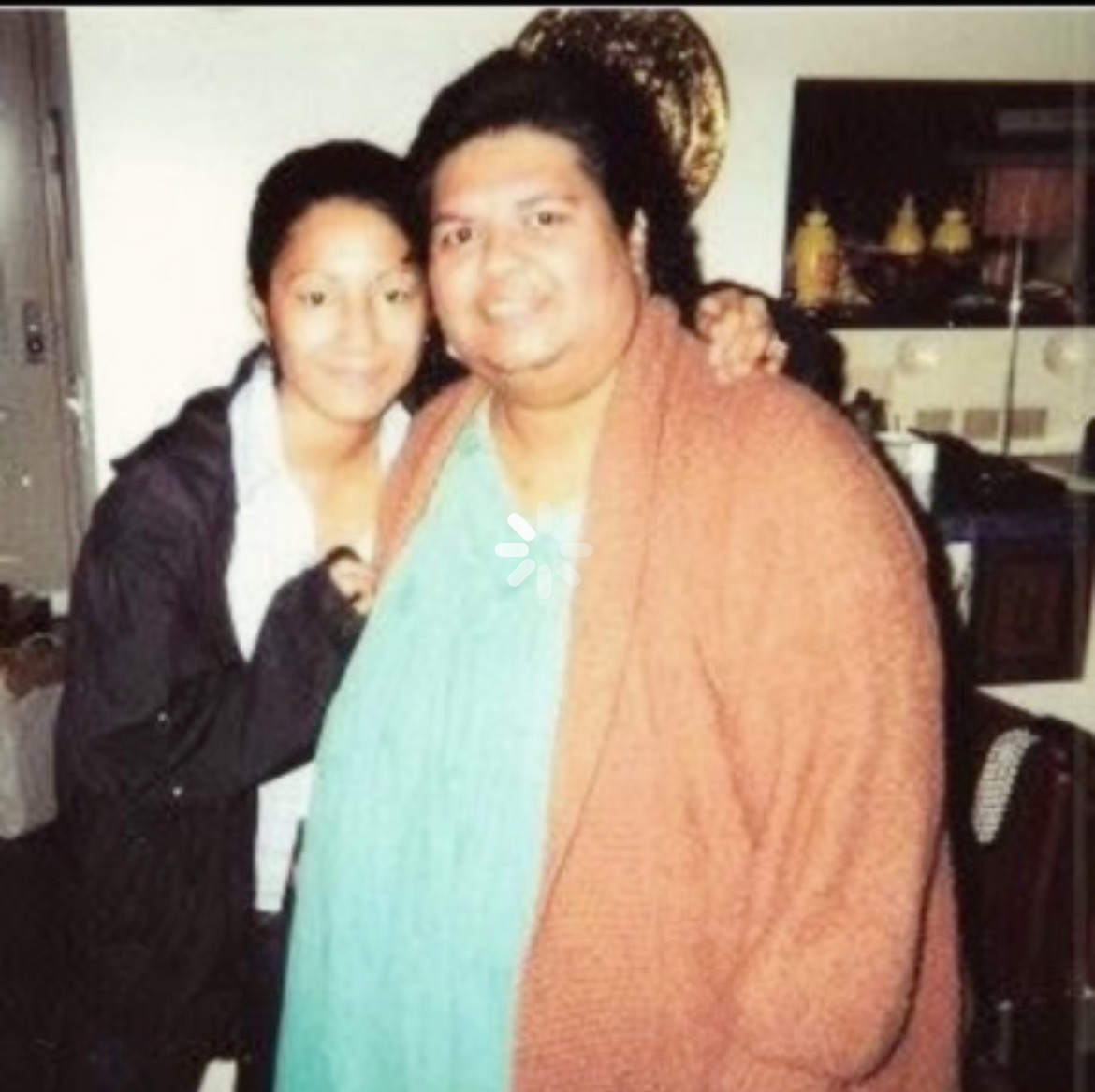
Priscilla was only 14 years old when the phrase "stomach cancer" entered her vocabulary, permanently altering her life’s trajectory. It began with her mother, who for months suffered from persistent, debilitating vomiting that cast a shadow over family gatherings and everyday outings. Despite repeated visits to the hospital seeking medical intervention, her mother’s symptoms were repeatedly dismissed as routine acid reflux and treated superficially with antacids.
It was only when her physical condition deteriorated to an unbearable degree that physicians ordered extensive diagnostic testing, finally uncovering the underlying disease. However, the true severity of the cancer remained hidden until exploratory surgery was performed.
"She went in there and they opened her up. They didn’t even go all the way with the surgery. Once they opened her up, they closed her back up," Priscilla shared. Her mother was formally diagnosed with stage 4 stomach cancer and given a devastating prognosis of just eight months to live.
The loss of a parent at a tender age leaves an indelible mark. "With this type of cancer, once symptoms appear, it is often too late. My mom had been misdiagnosed, and precious time slipped away… Watching my mom slowly die was one of the hardest things I have ever endured. In a Hispanic family, losing the matriarch feels like losing the center of your world," Priscilla reflected. Her mother passed away on February 1, 2001, at the young age of 42.
Tragically, the grief did not end there. Just two years later, Priscilla’s beloved uncle was diagnosed with the same aggressive disease and given only two weeks to live. He passed away at just 36 years old. Within Hispanic and Mexican American families, uncles—or tíos—are deeply woven into the fabric of daily life, sharing closely in childhood memories and milestones. Losing him felt like losing yet another foundational pillar of the family. More than a decade would pass before Priscilla and her relatives understood that these devastating losses were not mere statistical coincidences, but part of a sinister genetic design.
Genetic Testing Reveals the Hidden Enemy
As an only child, Priscilla deeply valued family connections. In Mexican American culture, extended relatives—including comadres, compadres, and primos—often function as siblings and parents rather than distant relations. Years after the deaths of her mother and uncle, while raising her own three boys, Priscilla sought to reconnect with her roots.
In 2018, she connected with distant cousins who lived geographically close by. "I felt like it was a door that needed to be open… I felt like it was something to make me closer to my mom," Priscilla explained. "I found them and then that’s when I found out this stomach cancer journey was bigger than I ever imagined."
By that time, one of her newly connected cousins had already undergone a preventative total gastrectomy, while another was grieving the loss of both a mother and a sister to the disease. These connections led her to the University of Kansas Medical Center (KUMC), where physicians were actively studying the family due to the unusually high frequency of young relatives dying rapidly from gastric cancer.
Prior to their passing, some family members had undergone genetic testing, which revealed a dangerous mutation on her mother’s side of the family: the CDH1 gene mutation. This specific genetic anomaly carries up to an 80% lifetime risk of developing stomach cancer and a 60% risk of breast cancer.
"For the first time, we had answers. My cousins’ courage paved the way for the rest of us to be tested, potentially saving our lives and future generations," Priscilla said. When she tested positive for the mutation, it marked the official beginning of her own proactive medical battle.
Taking Proactive Measures: Preventing Stomach Cancer
Armed with the knowledge of her high genetic risk, Priscilla entered the care of a specialized medical team. She underwent a high-risk upper endoscopy, during which doctors performed 37 separate biopsies searching for malignant cells. While the biopsies returned normal, Priscilla remained acutely aware of the ticking clock inside her body.
Confronted with the near certainty of developing invasive cancer, she made the monumental choice to remove her stomach entirely. "First off, I was like, ‘Wait, I can live without a stomach? How will life be?’ They said, ‘Yeah, you can, but I mean, it won’t be easy. You will have some ups and downs, but it’s manageable.’ It’s better than the alternative… I knew that other side because I lost close people to me and I didn’t want that for my kids," she said.
Priscilla underwent the prophylactic surgery in 2019, and pathologization of her removed stomach revealed the chilling presence of early-stage cancer cells. "It was only a matter of time before it crossed the membrane and entered my bloodstream. I am grateful every day that I made the decision when I did. It is emotional to think how close history was to repeating itself," she shared.
Survival came with significant lifestyle adjustments. Post-surgical recovery involved a feeding tube, severe weight loss, physical therapy to combat bedbound nausea, and extensive mental health support. Today, Priscilla navigates a complex daily routine that includes specialized medications, strict dietary limitations, and annual blood and iron transfusions, alongside esophageal dilations to maintain her health. Managing caloric intake and the physical sensation of eating remain constant hurdles, but she finds solace in her shared bond with three other cousins who also live without stomachs.
Eliminating the Threat of Breast Cancer
Even after successfully removing her stomach, Priscilla still faced the shadow of the CDH1 mutation’s second major threat: a 60% lifetime risk of developing breast cancer. Because she possessed extremely dense breast tissue—making early detection notoriously difficult—her physicians closely monitored her using alternating mammograms and MRIs.
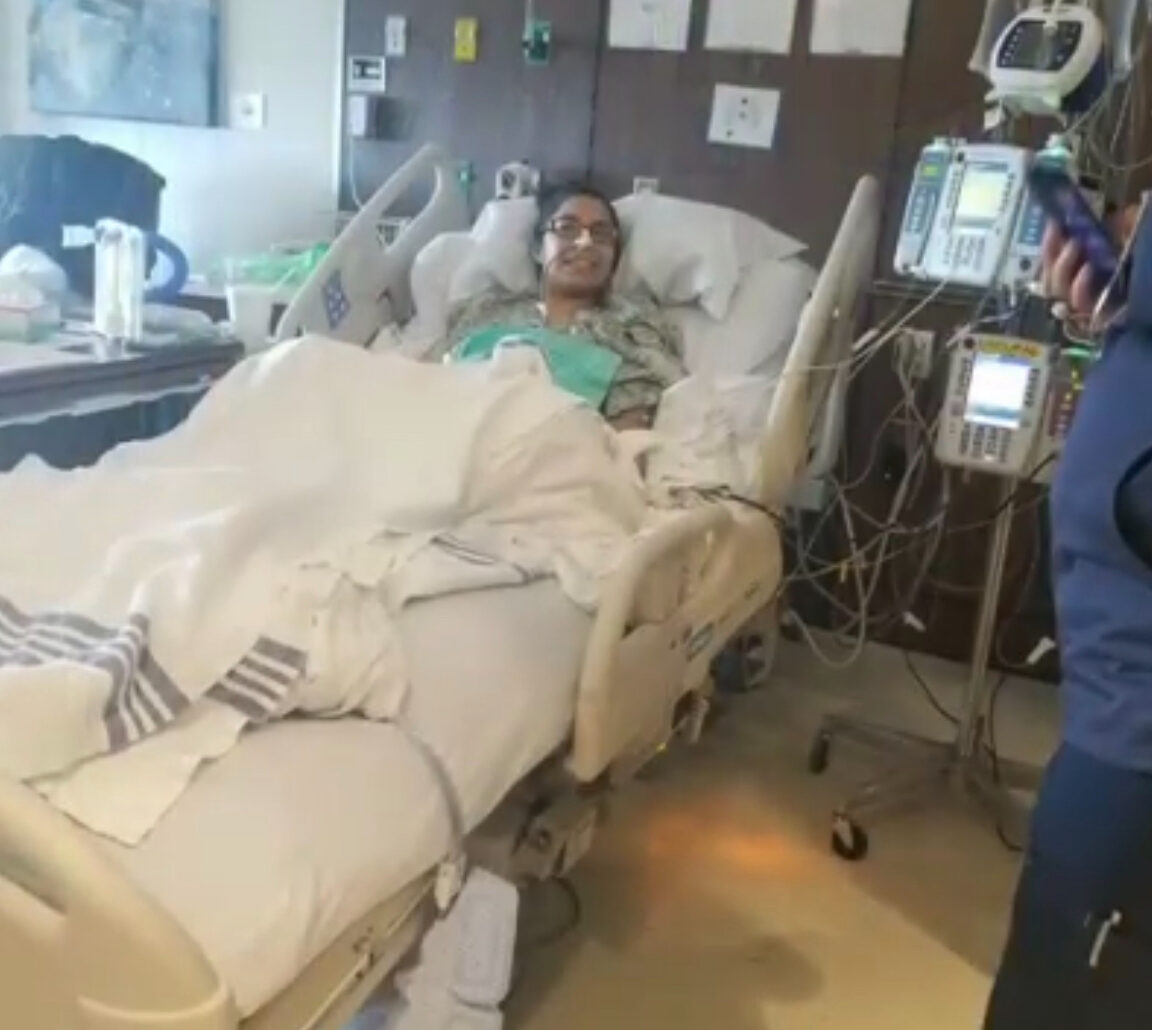
Following a particularly stressful health scare that necessitated a needle biopsy, Priscilla reached a breaking point. The perpetual anxiety of waiting for the next test result became emotionally unsustainable.
"I was always tense, like ‘Oh my gosh, what are they going to find? Are they going to find cancer? Are they going to find something?’ I was getting tired of feeling like that all the time," she explained.
Determined to eliminate the persistent danger, Priscilla opted for a preventative double mastectomy. Just as she had removed her stomach to preempt gastric cancer, she chose to remove her breasts to completely neutralize the threat of breast cancer while her body was still young and resilient enough to handle major surgery and recovery.
"It’s a risk, but it was a risk that was worth taking to be alive and to make sure that I was here for my kids and my family, and I’m glad I did it," she affirmed.
From Survivor to Community Advocate
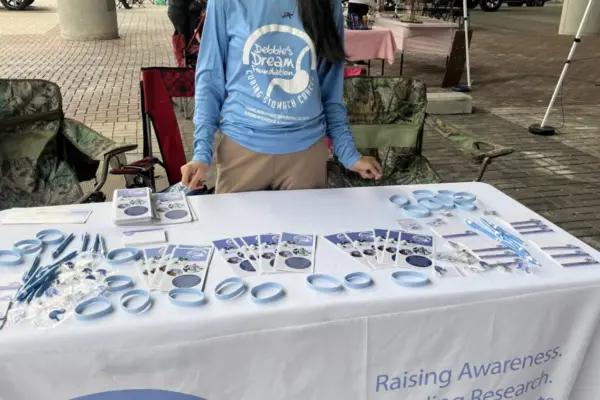
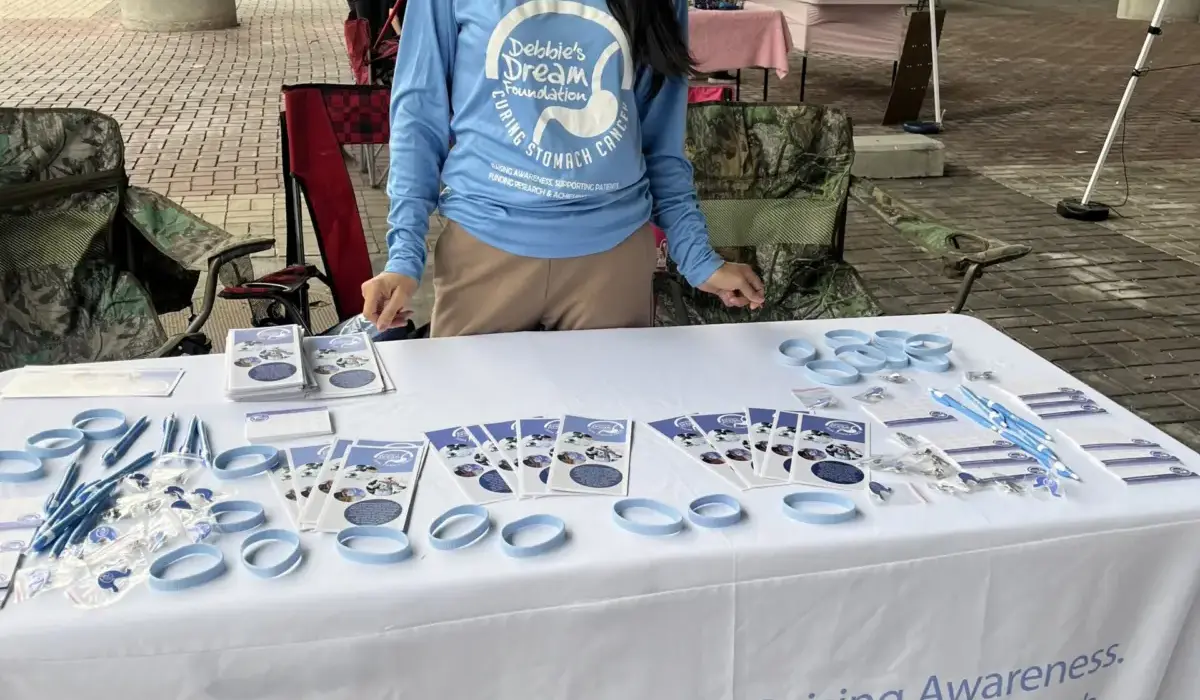
While Priscilla found invaluable support among her similarly situated cousins, she recognized the need for a broader community of survivors. Her search led her to Debbie’s Dream Foundation via social media, a prominent nonprofit dedicated to stomach cancer research funding, patient education, and advocacy aimed at improving patient outcomes.
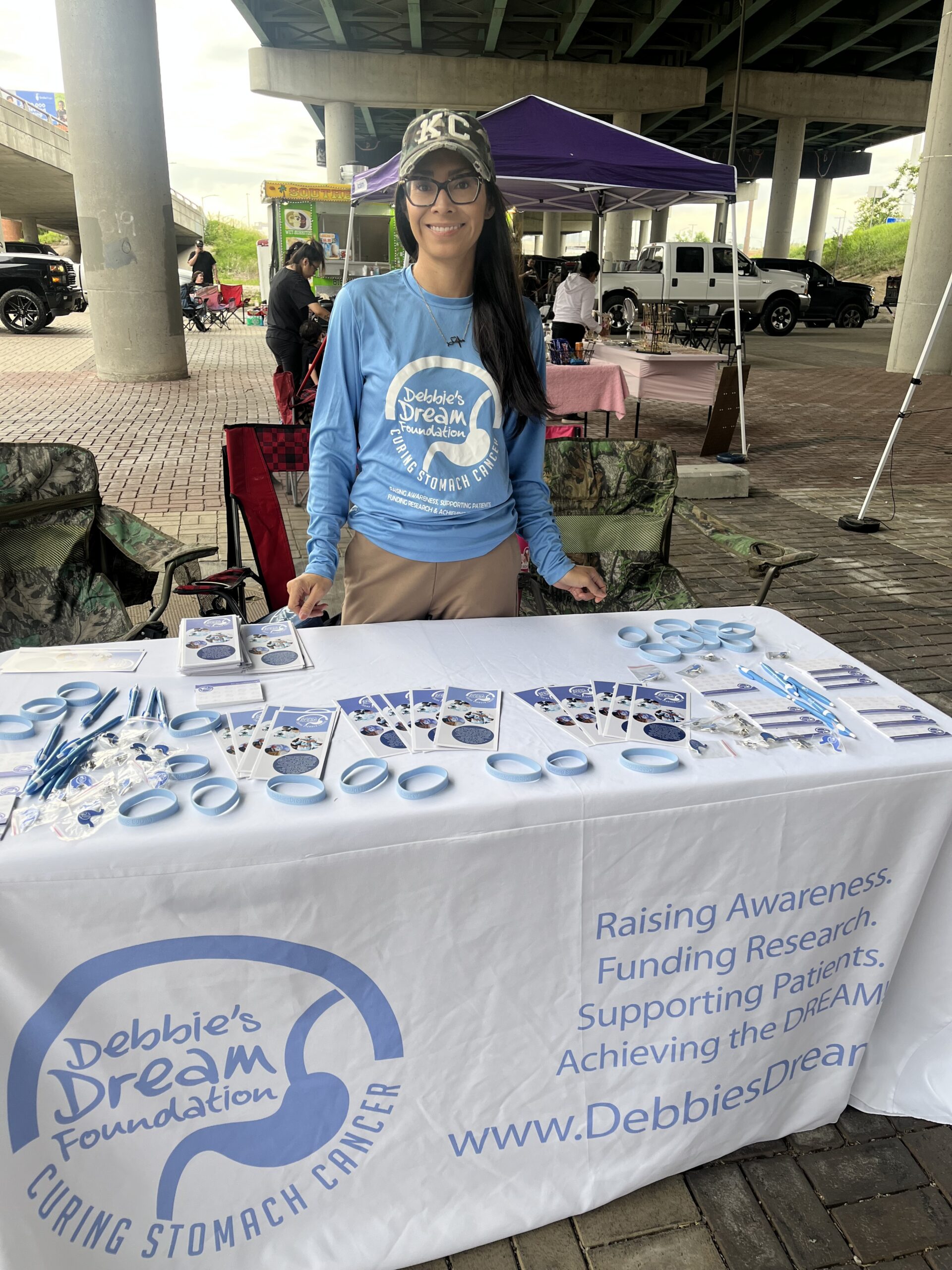
Starting slowly by reading survivor stories, Priscilla eventually found her voice and began speaking publicly about her experiences. Her advocacy soon expanded to the legislative level, where she began meeting with state representatives to champion increased funding for gastric cancer research and enhanced diagnostic testing access.
By 2026, Priscilla’s leadership within the organization culminated in a major role: co-hosting one of the foundation’s premier annual awareness-walk fundraisers during National Stomach Cancer Awareness Month in November. Alongside fellow survivor and advocate Yolanda "Yoli" Barrera Day, Priscilla is set to host the "Guts for Glory" event in Kansas City, Kansas, designed to foster community dialogue, honor survivors, and raise crucial research funds.
"We hope this event can help start more conversations about stomach cancer here in Kansas City, Kansas, and shine a light on a cancer that deserves more awareness, attention, and research funding. I want to help make sure people affected by stomach cancer know they are not alone and that their stories matter," Priscilla said.
Stomach cancer remains a leading cause of cancer-related mortality among Latinos, frequently driven by delayed diagnoses and symptoms that are initially dismissed until the disease reaches advanced stages. Addressing these disparities requires amplifying survivor stories and supporting comprehensive survivorship initiatives, such as the Avanzando Caminos Hispanic/Latino Cancer Survivorship Cohort study. By capturing the experiences of individuals who have navigated cancer treatment, researchers and advocates hope to foster emotional healing, promote long-term recovery, and ultimately improve future prevention and treatment strategies for generations to come.