







Cancer rarely restricts its impact to a single individual; instead, it ripples outward, reshaping the lives of entire families. For Priscilla Brutine, a Latina mother residing in Kansas City, Kansas, the disease has long been an unwelcome family fixture. Stomach cancer, in particular, has cast a long, devastating shadow over her lineage, claiming the lives of close relatives and forcing Priscilla to make unimaginable choices to protect her own future.
Armed with the knowledge of a dangerous genetic mutation, Priscilla took proactive prevention into her own hands, undergoing major surgeries to remove both her stomach and her breasts. Today, she is channeling her survival into passionate advocacy. By sharing her personal story, she hopes to break the silence surrounding gastric cancer in Hispanic and Latino communities, urge people to learn their family health histories, and push for greater diagnostic testing and research funding.
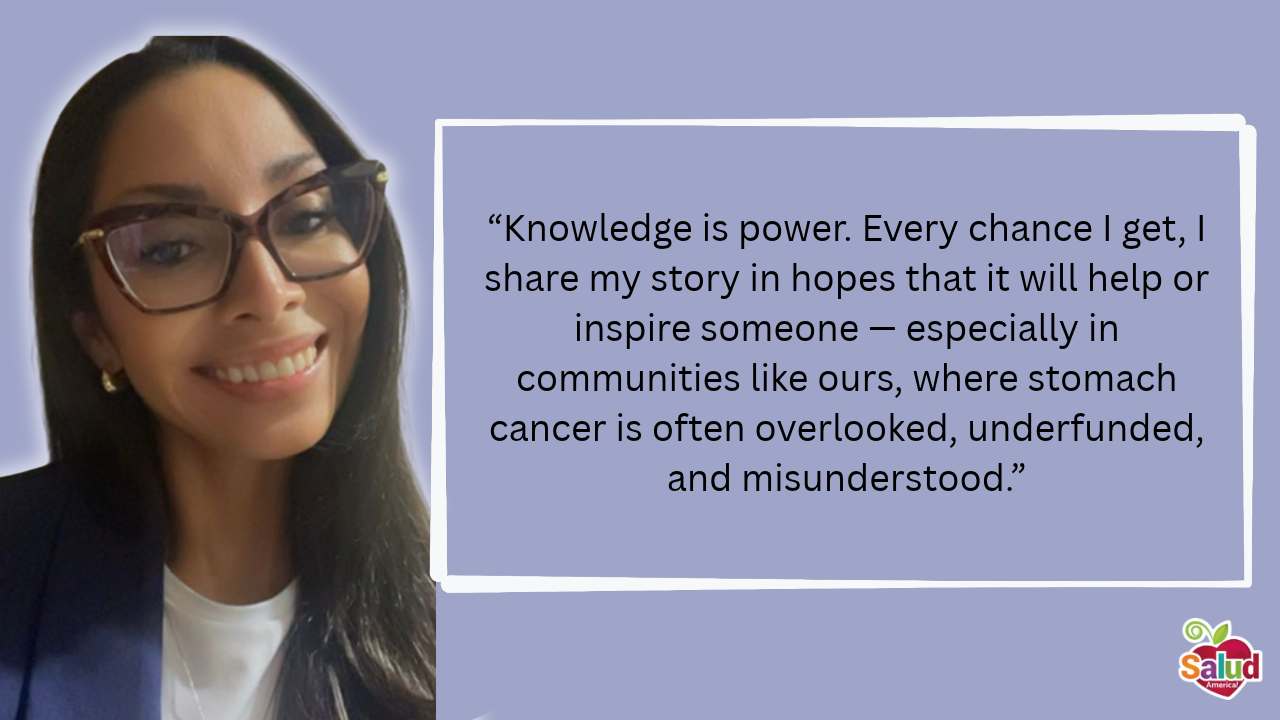
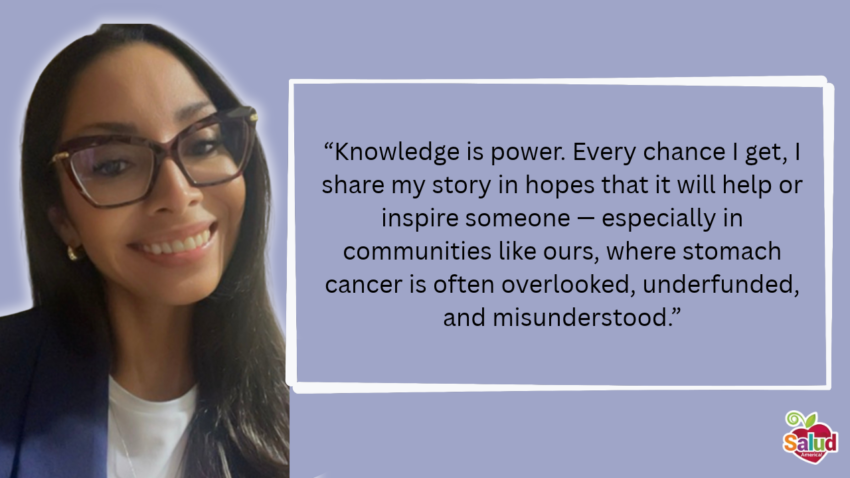
"Knowledge is power. Every chance I get, I share my story in hopes that it will help or inspire someone—especially in communities like ours, where stomach cancer is often overlooked, underfunded, and misunderstood," Priscilla said.
A Devastating Family History of Stomach Cancer
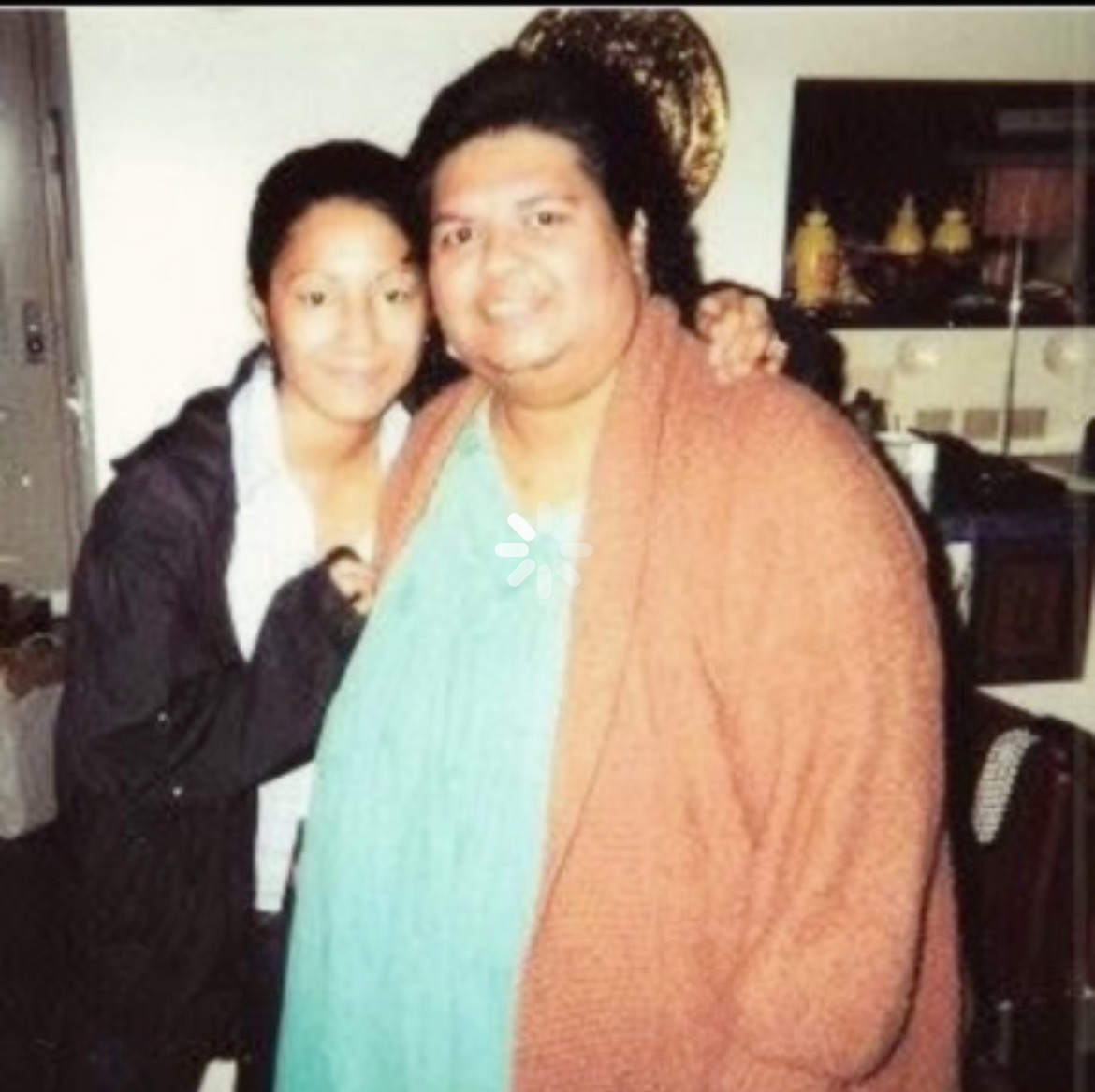
Priscilla was only 14 years old when she first encountered the concept of stomach cancer, a term that initially felt foreign on her tongue but would ultimately shape the trajectory of her life. The crisis began with her mother. For months, her mother suffered from recurring bouts of vomiting that cast a shadow over family gatherings and restaurant outings.
Despite multiple visits to the hospital for medical help, her mother’s symptoms were repeatedly dismissed as acid reflux and managed with simple antacids. It was only when her condition deteriorated to an unbearable degree that doctors ordered extensive testing, revealing the true nature of her illness. The full extent of the progression, however, remained hidden until surgeons opened her up during an exploratory procedure.
"She went in there and they opened her up. They didn’t even go all the way with the surgery. Once they opened her up, they closed her back up," Priscilla shared with Salud America!
Her mother was diagnosed with stage 4 stomach cancer and given a prognosis of just eight months to live. She passed away on February 1, 2001, at the young age of 42.
"With this type of cancer, once symptoms appear, it is often too late. My mom had been misdiagnosed, and precious time slipped away," Priscilla reflected. "Watching my mom slowly die was one of the hardest things I have ever endured. In a Hispanic family, losing the matriarch feels like losing the center of your world."
The tragedy was not an isolated incident. Just two years later, Priscilla’s beloved uncle was diagnosed with the same disease. Given only two weeks to live, he passed away at the age of 36.
"Losing him was another devastating blow," Priscilla said. "In Mexican American families, tíos are woven into everyday life. They’re not distant relatives; they’re part of your childhood, your memories, your celebrations. Losing him felt like losing another piece of our foundation."
It would take more than a decade for Priscilla to recognize that these back-to-back tragedies were not merely terrible coincidences, but part of a deeper, inherited design.
Uncovering the Genetic Link to Stomach Cancer
As an only child, Priscilla deeply valued family connections. In Mexican American culture, extended relatives often function as immediate support networks, with comadres, compadres, and primos filling the roles of siblings and parents. Years after the deaths of her mother and uncle, and now raising three boys of her own, Priscilla still carried the heavy emotional weight of her early losses.
In 2018, she reconnected with distant cousins who lived relatively close by geographically. Seeking to bridge a gap to her past, she opened a door that revealed a much larger medical puzzle. By the time they reconnected, one of her cousins had already undergone a total gastrectomy to prevent the disease, while another had lost both a mother and a sister to gastric cancer.
Through her cousins, Priscilla learned that the University of Kansas Medical Center (KUMC) was actively studying her family because an unusually high number of relatives were dying young and rapidly from gastric cancer. Doctors at the hospital had questioned what underlying factor could be driving such a concentrated pattern of illness.
Previous genetic testing performed on some family members before they passed away had identified a mutation on her mother’s side of the family: the CDH1 gene. This specific mutation carries an estimated 80% lifetime risk of developing stomach cancer, alongside a 60% risk of breast cancer.
"For the first time, we had answers. My cousins’ courage paved the way for the rest of us to be tested, potentially saving our lives and future generations," she noted.
Priscilla underwent genetic testing and confirmed that she, too, carried the mutation.
Taking Proliferative Action to Prevent Stomach Cancer
Faced with the reality of her genetic risk, Priscilla chose a proactive path. She was referred to a specialized team of physicians and underwent a high-risk upper endoscopy, during which doctors collected 37 biopsies to screen for early signs of cancer. Although the initial biopsies returned normal results, Priscilla could not shake the psychological burden of her diagnosis.
"The surgical oncologist told me it wasn’t if I would get stomach cancer, it was when. I felt like a ticking time bomb," she recalled.
Weighing her options against the devastating outcomes she had witnessed in her family, Priscilla made the radical decision to have her stomach surgically removed.
"First off, I was like, ‘Wait, I can live without a stomach? How will life be?’ They said, ‘Yeah, you can, but I mean, it won’t be easy. You will have some ups and downs, but it’s manageable.’ It’s better than the alternative," she explained. "I knew that other side because I lost close people to me and I didn’t want that for my kids."
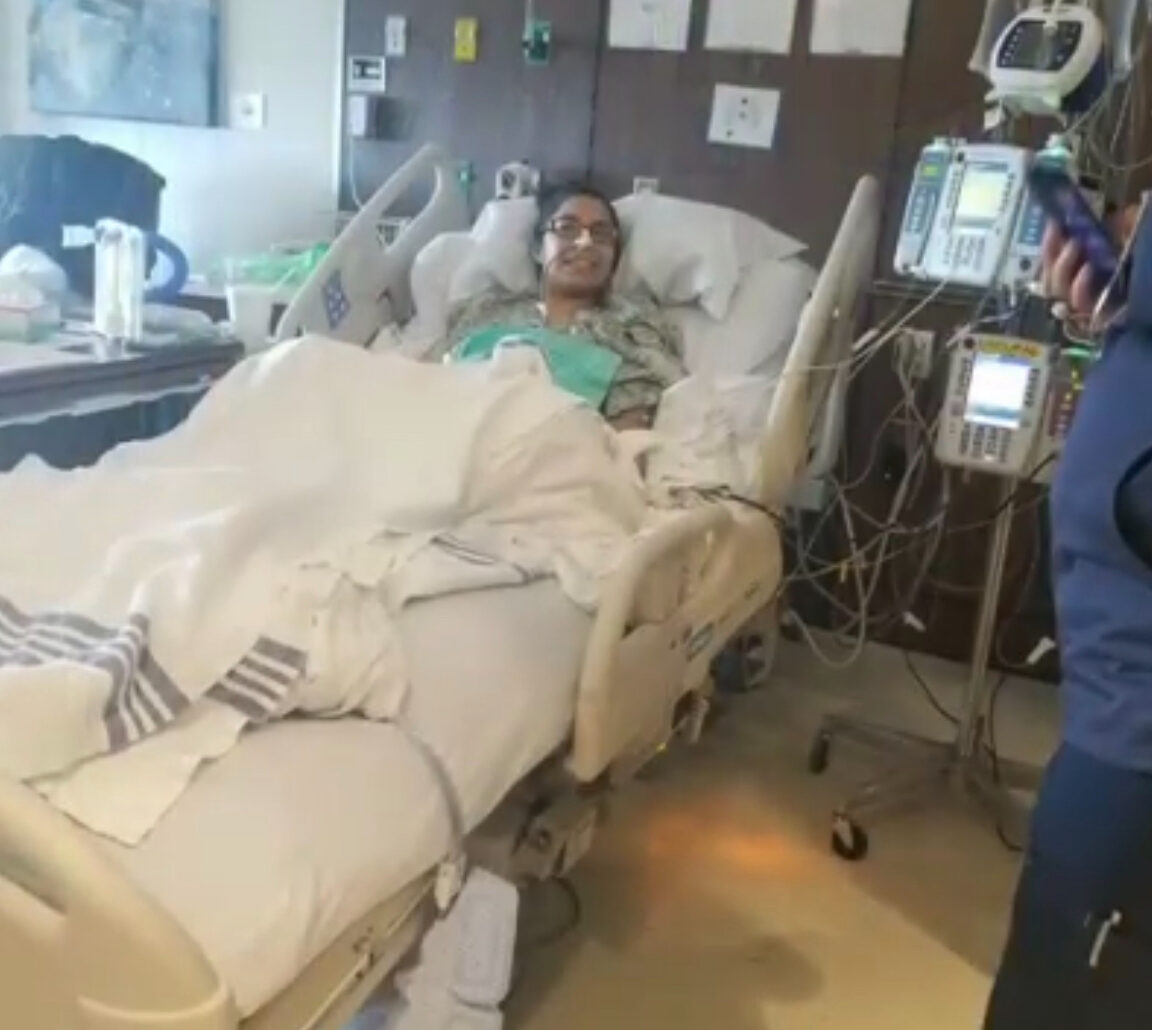
Priscilla underwent the prophylactic gastrectomy in 2019. Pathology reports on her removed stomach revealed the presence of early-stage cancer cells already beginning to form.
"It was only a matter of time before it crossed the membrane and entered my bloodstream. I am grateful every day that I made the decision when I did. It is emotional to think how close history was to repeating itself," she shared.
While the surgery successfully saved her life, adapting to existence without a stomach presented formidable hurdles. The recovery process involved a feeding tube, significant weight loss, severe nausea that left her bedbound, and intensive physical therapy. It also took a heavy toll on her mental health as she adjusted to a permanent shift in her body’s digestive mechanics.
Today, maintaining her health requires daily medications, careful dietary management, and regular blood and iron transfusions and dilations. She struggles with caloric intake and a persistent physical sensation in the back of her throat that can complicate eating. However, sharing these challenges with three other cousins who have also undergone total gastrectomies has provided her with a crucial support system.
Eliminating the Threat of Breast Cancer, Too
Even after removing her stomach, Priscilla still faced the looming threat of the CDH1 mutation’s second major risk: a 60% probability of developing breast cancer. To monitor for potential malignancies, she alternated between mammograms and MRIs. The screening process was complicated by her extremely dense breast tissue, which made early detection exceptionally difficult.
A particularly stressful health scare required a needle biopsy, triggering a moment of clarity. She realized that ongoing monitoring would perpetually trap her in a cycle of anxiety.
"I was always tense, like ‘Oh my gosh, what are they going to find? Are they going to find cancer? Are they going to find something?’ I was getting tired of feeling like that all the time," she said.
Opting to eliminate the threat entirely, Priscilla followed her stomach removal with a prophylactic double mastectomy. By removing her breasts, she effectively neutralized the second major cancer risk associated with her genetic mutation. She remains confident that undergoing these preventative surgeries at a young age, while her body was resilient enough to handle recovery, was the right decision.
"It’s a risk, but it was a risk that was worth taking to be alive and to make sure that I was here for my kids and my family, and I’m glad I did it," she stated.
From Cancer Survivor to Community Advocate
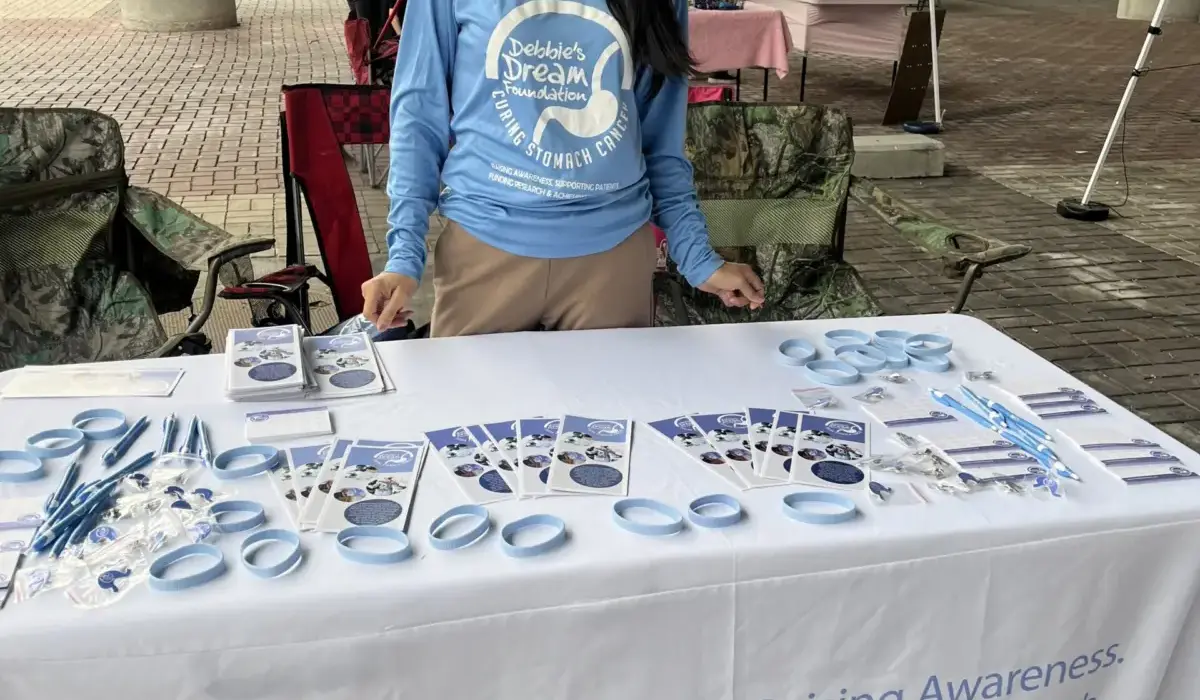
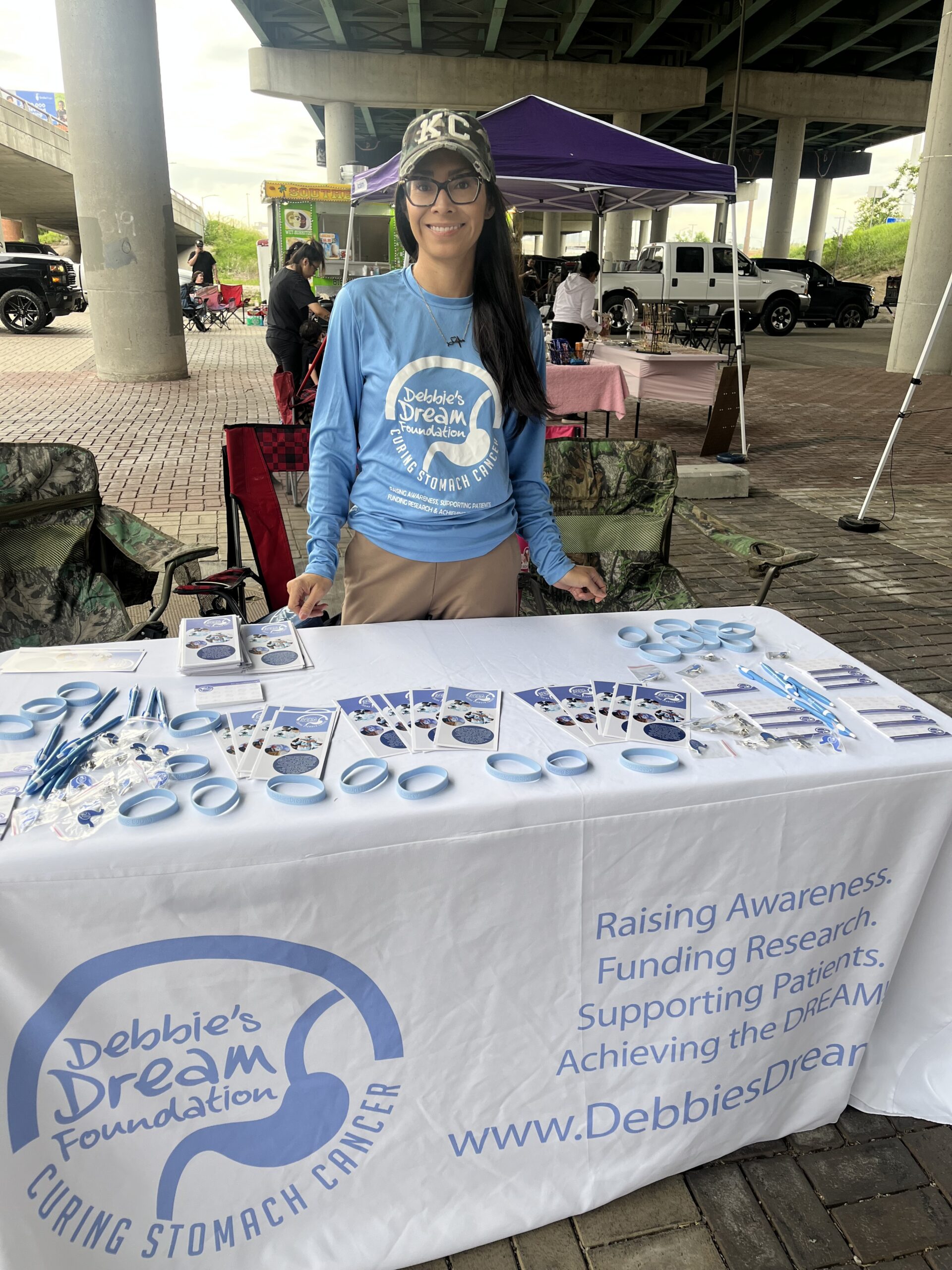
While her cousins offered a shared understanding of her medical journey, Priscilla recognized that she needed a broader community of support. She ultimately found that connection through Debbie’s Dream Foundation, a national nonprofit dedicated to stomach cancer education, patient support, and research advocacy.
Starting slowly by reading the stories of other survivors, Priscilla eventually found the confidence to share her own experiences. Eager to turn her survival into systemic change, she began advocating for increased funding and improved diagnostic testing for gastric cancer, even speaking directly with state lawmakers.
"I just wanted to be involved where I could help by sharing my story, to bring more awareness, to bring more funding for stomach cancer because there is research that needs to be done still to be able to prevent other people from going through this," she said.
By 2026, Priscilla’s involvement with the foundation had deepened significantly. She was chosen to lead one of the organization’s major annual fundraising and awareness walks in her hometown during National Stomach Cancer Awareness Month in November. Partnering with fellow survivor Yolanda “Yoli” Barrera Day, Priscilla hosted the "Guts for Glory" walk in Kansas City, Kansas, to foster local dialogue about a disease that frequently escapes public attention.
"We hope this event can help start more conversations about stomach cancer here in Kansas City, Kansas, and shine a light on a cancer that deserves more awareness, attention, and research funding. I want to help make sure people affected by stomach cancer know they are not alone and that their stories matter," Priscilla said.
The Broader Fight Against Stomach Cancer in the Latino Community
Stomach cancer remains a leading cause of cancer-related mortality among Latinos, largely because symptoms are frequently ignored, misdiagnosed, or overlooked until the disease has advanced to late stages, resulting in poor survival outcomes. Furthermore, for those who do survive, the disease often leaves them to navigate life without a stomach, managing chronic, lifelong health complications.
Public health initiatives continue to emphasize the importance of sharing survivorship stories to improve post-treatment support and drive future research. Programs like the Avanzando Caminos Hispanic/Latino Cancer Survivorship Cohort study actively collect the experiences of individuals who have completed primary cancer treatments within the past 10 years across South Texas.
Researchers involved in these initiatives note that documenting patient stories serves a dual purpose: it promotes psychological healing for survivors who may be voicing their experiences for the first time, and it generates vital data to help researchers better understand, detect, treat, and prevent cancer for future generations.