









In recognition of Hispanic Heritage Month, a collaborative public health campaign between Salud America! and the Prevent Cancer Foundation has cast a spotlight on a pressing health disparity affecting communities across the United States. While public awareness campaigns frequently target more common malignancies, health experts are raising urgent alarms regarding a silent yet escalating crisis: the disproportionate burden of liver cancer among Latinos.
Statistics compiled by federal health agencies reveal a sobering reality. Today, 1 in every 5 individuals diagnosed with liver cancer in the United States is of Latino descent. Furthermore, members of this demographic are frequently diagnosed at much later, more advanced stages of the disease, resulting in significantly higher mortality rates compared to other adult populations nationwide. According to data from the U.S. Department of Health and Human Services Office of Minority Health, the disparities are stark across gender lines: Latino men are 53% more likely to be diagnosed with liver cancer than men overall, while Latinas face a 72% increase in risk compared to Latina women in the broader population.
Perhaps most alarming to oncology researchers and public health advocates is the epidemiological shift occurring among younger demographics. While liver cancer incidence rates have generally remained stable or begun to decline across other racial and ethnic groups, they are actively climbing among Hispanics and Latinos under the age of 50.
To understand what is driving this heightened vulnerability, medical professionals are looking beyond traditional clinical metrics to examine the systemic, environmental, and social conditions that shape daily life in these communities.
What is Liver Cancer?
To comprehend the scale of the crisis, health officials emphasize the need for a foundational understanding of the disease itself. Liver cancer originates in the cells of the liver, an organ that performs hundreds of vital functions essential for survival, including aiding in digestion, regulating healthy blood flow, and breaking down crucial nutrients.
The disease manifests when abnormal cells within the liver begin multiplying at an accelerated rate, eventually forming malignant masses or tumors. The most frequently diagnosed form of the disease is hepatocellular carcinoma (HCC). This specific type of liver cancer overwhelmingly develops in individuals who are already managing chronic liver conditions, most notably cirrhosis stemming from long-term hepatitis B or hepatitis C virus infections.
How Do the Non-Medical Drivers of Health Impact Liver Cancer Risk?
Medical experts point out that biological factors alone do not account for the steep disparities observed in Latino communities. Instead, a complex web of non-medical drivers of health—often referred to as NMDoHs—plays a critical role in shaping individual health trajectories.
Non-medical drivers of health encompass the economic, environmental, and social conditions of the environments where people are born, grow, live, work, and age. For many Latino populations, structural inequities create significant barriers to optimal wellness. These gaps include widespread lack of health insurance, limited access to primary care physicians, housing instability, transportation hurdles, and insufficient household income.
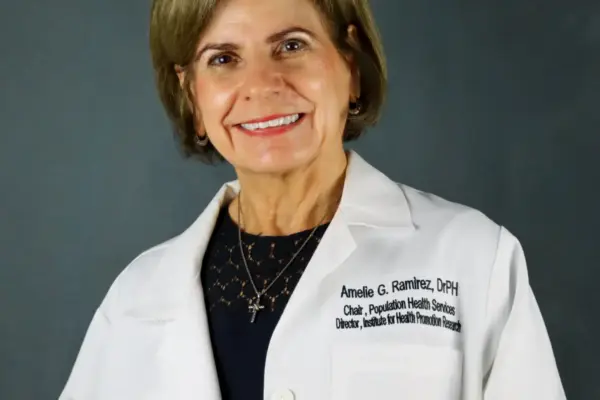
Amelie Ramirez, DrPH, MPH, director of Salud America! and associate director of Community Outreach and Engagement at the UT Health San Antonio MD Anderson Cancer Center, emphasizes how these socioeconomic hurdles directly translate into delayed medical interventions.
"Things like not having a physician or insurance, not being able to pay a copay or not being able to take off time from work to come in for appointments; all of these things contribute to the delay of diagnosis," Ramirez explained. When patients cannot afford routine visits or lack paid leave to see a doctor, symptoms often go unnoticed until the cancer has progressed to an advanced, less treatable stage.
What Are Other Risk Factors for Liver Cancer?
Beyond systemic and economic barriers, several specific physiological and environmental risk factors place individuals at a heightened vulnerability for developing liver cancer, many of which disproportionately impact the Latino population.

Occupational hazards represent a significant point of concern. Latinos make up a substantial portion of the agricultural and farm workforce in the United States. In these settings, workers face a higher statistical probability of environmental exposure to aflatoxins. These are naturally occurring, cancer-causing toxins produced by specific molds and fungi that contaminate vital agricultural commodities, including maize, peanuts, cottonseed, and various tree nuts.
Additionally, metabolic health indicators show notable disparities. Federal health data indicates that Latino adults are approximately 12% more likely to be medically classified as obese compared to U.S. adults overall, and roughly 13% more likely to receive a diagnosis of diabetes. Both conditions are well-documented precursors to non-alcoholic fatty liver disease, which can eventually progress to cirrhosis and liver cancer.
Cultural factors and deeply ingrained social perceptions also play a role in delaying timely medical care. Fear surrounding a cancer diagnosis remains a potent barrier within many Hispanic communities. According to health advocates, many individuals avoid visiting a physician out of an underlying apprehension that they might receive a terminal diagnosis. Consequently, patients frequently postpone seeking the appropriate screenings and evaluations that could catch the disease in its earliest, most manageable phases.
How Can You Lower Your Risk for Liver Cancer?
Although routine population-wide screenings for liver cancer are not standard medical practice, health professionals stress that individuals can take proactive steps to protect themselves and their families.
Prevention efforts begin with addressing the leading catalysts of the disease: the hepatitis B and hepatitis C viruses. Safe and effective vaccinations are available to protect against hepatitis B. Medical guidelines recommend that this vaccination series begin at birth, but adults who were never vaccinated can consult with their healthcare providers to receive the series later in life. Furthermore, health experts advise that every adult should be tested for hepatitis B and hepatitis C at least once. Individuals who test positive for either virus can pursue medical treatments designed to prevent long-term liver damage and reduce the risk of cancer development.
Beyond viral prevention, individuals can implement personal lifestyle modifications to mitigate their overall risk profile. These measures include avoiding tobacco use, strictly limiting or abstaining from alcohol consumption, maintaining a healthy body weight, and practicing safer sex to prevent sexually transmitted viral infections.
To assist communities in navigating these health decisions, bilingual resources focused on early detection and prevention are widely available. Organizations like the Prevent Cancer Foundation provide extensive liver cancer information and early detection guides in both English and Spanish to ensure language is never a barrier to vital health education.
How Can You Address NMDoH in Your Community?
Tackling the systemic drivers of health requires collective action at the local level. Public health advocates note that residents possess the tools necessary to evaluate and address health equity challenges in their own neighborhoods.
One practical avenue involves utilizing community health assessments, such as the Salud America! Health Report Card. By entering a specific county name into the platform, users can access auto-generated local data accompanied by interactive maps and comparative metrics across various indicators, including education, housing, transportation, food access, and healthcare availability. These resources allow residents to visualize how their local county stacks up against state and national benchmarks.
Armed with localized data, community members can share health report cards with local civic leaders to raise awareness, incorporate the metrics into grant proposals or public presentations, and drive conversations that spark policy changes.
Public health experts emphasize that combining systemic advocacy with personal preventive measures—such as getting vaccinated, reducing individual risk factors, and maintaining an open dialogue with healthcare providers—remains critical, reinforcing the foundational public health principle that early detection leads to better outcomes.