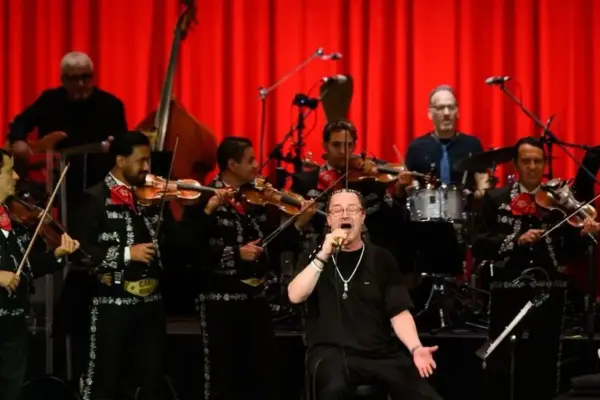












The vibrant sounds of tropical music echoed through the Faena Theater in Miami Beach as Billboard Latin Music Week 2026 kicked off its opening day on Monday, October 19. Among the most anticipated conversations of the annual industry gathering was the “Salsa Revival: Bridging Generations” panel, an insightful and energetic discussion that brought together two distinct eras of salsa royalty. Moderated by Bryant Pino of AARP, the session featured legendary vocalist Tito Nieves alongside modern standard-bearer Luis Figueroa. Together, the artists explored the rich history of the genre, the evolving methods of audience building, the linguistic versatility of tropical rhythms, and the shared responsibility of protecting salsa’s enduring legacy for future generations.
The panel instantly highlighted the stark contrasts and deep mutual respect between two artists who occupy different chapters of salsa history. Nieves, a titan of the genre whose illustrious career spans five decades, has delivered some of the most enduring anthems in tropical music history. Hits such as “Fabricando Fantasías,” “De Mí Enamórate,” and “El Amor Más Bonito” have cemented his status as a permanent fixture in Latin music culture. Sitting beside him was Figueroa, an artist born in Philadelphia who grew up immersed in the sounds of salsa within his household. Representing the fresh wave of talent carrying the torch forward, Figueroa bridges classic Caribbean sensibilities with contemporary musical execution.
The emotional core of the conversation emerged when Nieves reflected on his profound appreciation for the younger wave of talent entering the tropical space. Offering a perspective defined by gratitude and humility, the Puerto Rican icon expressed a deep-seated admiration for those stepping up to carry the genre’s standard.
“Young people inspire me. I already have my legacy, but they’re coming up strong, and I want to support the younger generation,” Nieves shared with the attentive audience at the Faena Forum.
Expanding on the realities of carving out a career in Latin music, Nieves took a moment to reminisce about the foundational era of his career. He recalled the relentless grassroots work that he and fellow icon Marc Anthony undertook during their early days, when they would personally visit the dozens of active music clubs scattered across New York City. By performing night after night in intimate spaces, they actively cultivated a local audience for a burgeoning movement—one that would eventually break geographical barriers and spread to international stages around the globe.

That reflection prompted a thoughtful comparison from Figueroa regarding the stark differences between building a fanbase decades ago versus navigating today’s digital landscape. Figueroa acknowledged the immense advantages provided by modern technology while simultaneously highlighting what has been lost in the transition from physical spaces to online portals.
“Unfortunately, we don’t have that today. That’s how they built their audience back then. We have platforms now, but it isn’t as personal as having places where you can sing for people and feel their feedback,” Figueroa observed. He offered a pragmatic warning to emerging artists regarding the illusion of digital success, emphasizing a vital metric that traditional performers understand intimately. “Another important thing we shouldn’t lose sight of is that the numbers we see on social media or streaming platforms don’t necessarily mean tickets sold.”
As the conversation turned toward the broader cultural landscape and salsa’s position in the modern music industry, both artists addressed the shifts in popular dance music over the years. While acknowledging that genres like reggaetón have carved out a massive, dominant space and offered alternative options for dance floors, Nieves and Figueroa expressed absolute confidence in the resilience of salsa. They agreed that salsa will never disappear because its fundamental artistic DNA relies on emotional honesty and deeply relatable lyrical content, which have traditionally centered on the universal complexities of love.
The dialogue also ventured into the international and linguistic flexibility of tropical music. When moderator Bryant Pino asked whether salsa maintains the same emotional resonance when performed in English compared to Spanish, Nieves drew from personal history to answer. He recalled how he first began recording and performing material in English during the 1980s, a creative pivot prompted by a very simple, domestic inquiry. His U.S.-born son had asked him what the lyrics of his songs actually meant, inspiring the artist to bridge cultural divides through language.
“Salsa is international. It can be made in any language; the rhythm itself conveys emotion,” Nieves stated firmly.

Figueroa echoed that sentiment, sharing a parallel childhood experience that shaped his own artistic trajectory. Growing up, he frequently asked his mother to translate and explain the detailed storytelling within the lyrics while the infectious percussion compelled him to dance. That early exposure transformed him into a devoted fan of the genre. By the time he reached his teens, his passion manifested in attending live concerts religiously and preserving photographs he managed to capture alongside the biggest stars of the movement.
As the panel neared its conclusion, both musicians offered words of wisdom, practical advice, and encouragement to the next generation of performers looking to leave their mark on the industry. Nieves focused on endurance and passion, urging young artists to pursue their dreams with unwavering dedication, particularly at a time when traditional avenues for exposure—such as heavy commercial radio rotation—have diminished. He stressed that success requires immense hard work, but insisted that the ultimate secret to longevity is finding genuine joy in the craft.
Drawing from his own grueling yet fulfilling touring schedule, Nieves noted, “I still perform two-and-a-half-hour shows, and I enjoy them from beginning to end. That’s the key.”
Figueroa, who now finds himself in the unique position of being both a modern innovator and an inspiration to even younger artists, added a pragmatic perspective on the physical and business realities of the profession. He advised aspiring performers to maintain strict vocal discipline to protect their instruments and to remain clear-eyed about the business mechanics of the modern music industry.
Reflecting on the monumental contributions of the veterans seated beside him, Figueroa concluded with a passionate call to action for his peers: “They’ve spent 30 years doing what they love. Now it’s our turn to fight to keep it going.”