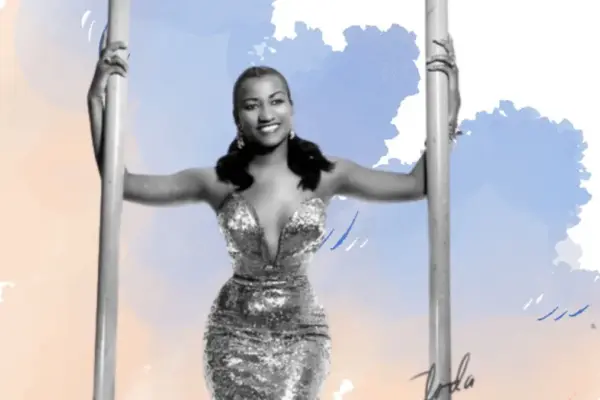

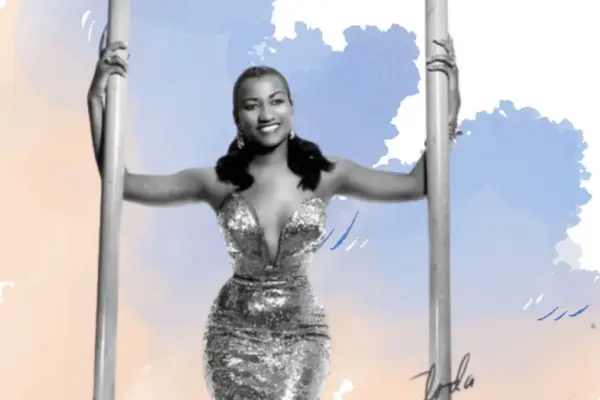



Before “Bidi Bidi Bom Bom,” “Amor Prohibido,” and “Como La Flor” became the defining anthems of a legendary career, there was “Oh Mamá.” Long before Selena Quintanilla ascended to her rightful throne as the Queen of Tejano music, she was a young performer steadily finding her footing in the demanding landscape of the Texas music scene. The lesser-known track offers a poignant glimpse into the foundational years of a family enterprise where resourcefulness extended far beyond the stage and directly into their wardrobes.
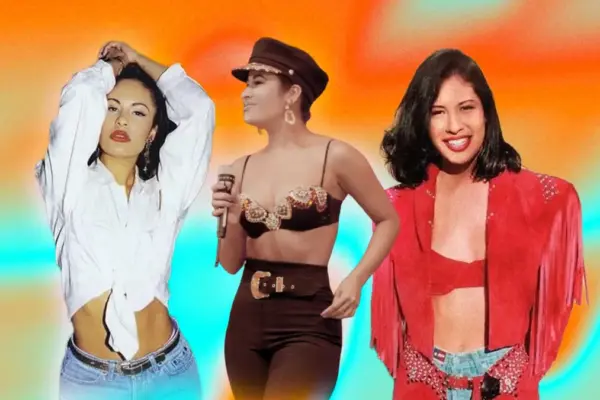
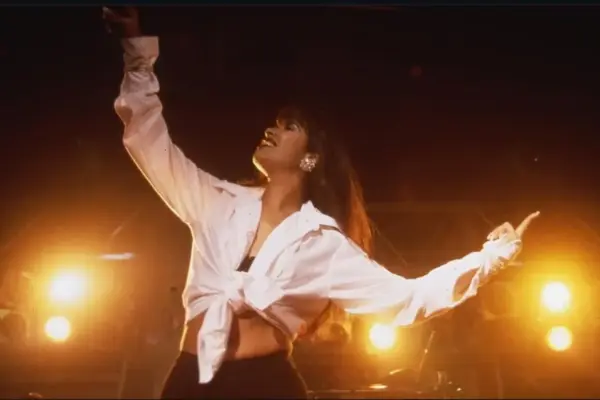
In 1985, Selena y Los Dinos stepped onto the television stage to perform “Oh Mamá” on The Johnny Canales Show, providing viewers with an early, memorable introduction to the dynamic vocalist. Decades before her glittering, self-designed bustiers and iconic stage costumes became a masterclass in fashion and synonymous with her global brand, Selena and her bandmates appeared in matching white outfits distinctively splattered with paint. This resourceful aesthetic was entirely homemade; the family had decorated the clothes themselves, transforming simple, budget-friendly garments into a vibrant visual statement that was unmistakably their own and ensured the young ensemble stood out under the studio lights.
The history of the track stretches back even further into the formative chapters of the group’s trajectory. In a 1995 interview with the legendary host Don Francisco on the immensely popular Spanish-language variety show Sábado Gigante, Selena recalled “Oh Mamá” as the very first song she ever recorded. This recording timeline predates its wider commercial distribution: Selena y Los Dinos had already released their self-titled debut album in 1984, setting the stage for their spirited 1985 television appearance on The Johnny Canales Show.
A decade after those early television appearances, a mature Selena looked back on her humble beginnings during her poignant conversation with Don Francisco on Sábado Gigante. Seated in front of millions of viewers, she discussed the deeply personal journey of starting to sing as a child under the rigorous guidance of her father, Abraham Quintanilla Jr. She also opened up about the distinct challenge of learning Spanish phonetically for her music—a hurdle she overcame with dedication, ultimately connecting deeply with Spanish-speaking audiences and shaping the bilingual, bicultural identity that would define her career as a trailblazing Mexican American artist.
From its inception, her professional journey was fundamentally a family undertaking. By her side throughout the grueling tours, recording sessions, and television appearances were her devoted siblings: her sister Suzette Quintanilla on drums and her brother A.B. Quintanilla III on bass and serving as the band’s primary songwriter and producer. Together, the family poured their collective energy into building an act that would eventually break through regional boundaries and grow far beyond the traditional confines of the Tejano music scene, capturing the hearts of millions across the United States, Mexico, and beyond.
The tragic end of Selena’s life on March 31, 1995, in Corpus Christi, Texas, sent shockwaves through the entertainment world and left a permanent void in Latin music. Yet, decades after her passing, revisiting early artifacts of her career like “Oh Mamá” brings the cultural focus squarely back to where it all began: a remarkably talented young singer, a tight-knit family band navigating the early hurdles of the industry, and paint-splattered outfits designed with ingenuity to make a lasting impression. Long before the global chart-topping hits, the sold-out stadium concerts, the posthumous crossover success, and the enduring cultural tributes that continue to inspire new generations of fans and artists alike, there was already an undeniable performer on stage, utterly determined to make her mark on the world.