





By Anna Ortega
September 24, 2026
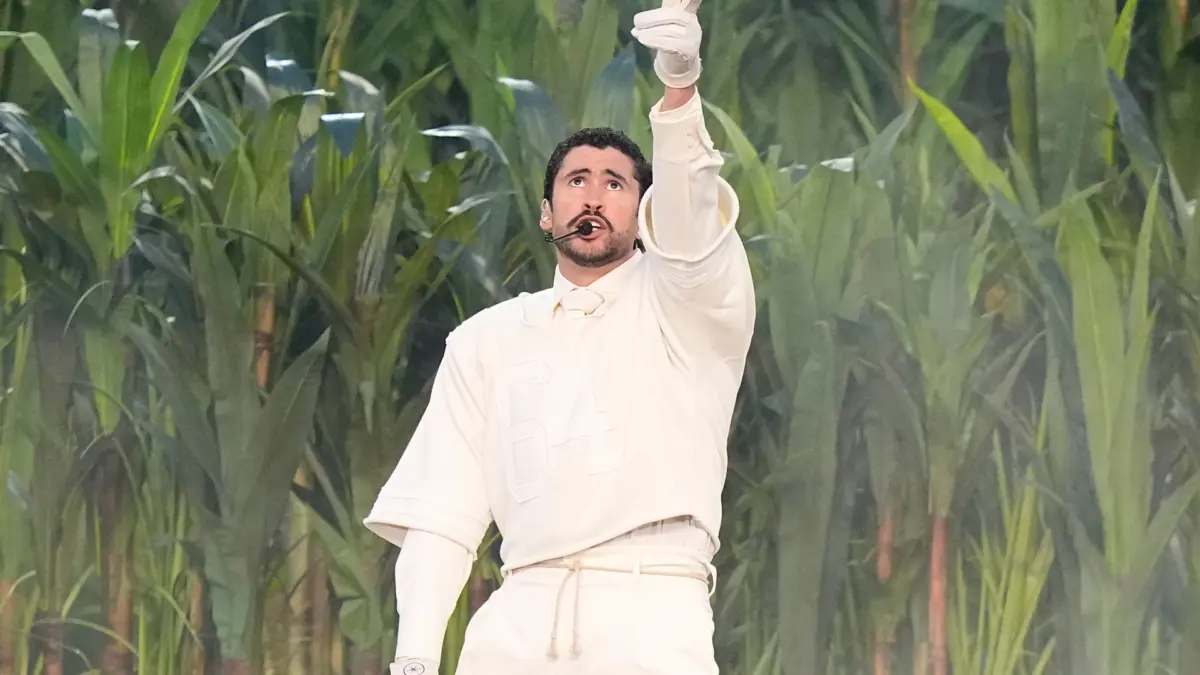
Bad Bunny has long established himself as one of the most prominent and outspoken Latin American artists of his generation. Throughout his career, the Puerto Rican superstar has frequently used his massive global platform and his music to celebrate the rich culture of his homeland while simultaneously shining a light on the complex socio-economic realities, hardships, and political challenges facing the island. Among his extensive catalog of fan favorites, the track “LO QUE LE PASÓ A HAWAII” has consistently resonated deeply with listeners. The song has earned widespread acclaim and popularity for its sharp, reflective themes centered on displacement, cultural erosion, and the enduring legacies of colonialism. Now, that same politically and culturally charged anthem has found a surprising new stage far beyond the shores of Puerto Rico, as Bad Bunny has officially cleared the song for Brazilian President Luiz Inácio Lula da Silva to use in his latest political campaign advertisement.
The newly released campaign ad for President Lula da Silva, which debuted on Wednesday, September 23, features a compelling Portuguese-language adaptation of Benito’s hit track. The central message of the advertisement strikes a powerful chord regarding national autonomy, asserting firmly that the present and future of Brazil should be determined solely by its own citizens rather than being dictated by international pressures or foreign entities. In a standout moment from the promotional spot, President Lula can be heard delivering a decisive statement in Portuguese: “O Brasil tem um único dono: o povo brasileiro,” which translates directly in English to, “Brazil has only one owner: the Brazilian people.” By weaving the thematic weight of Bad Bunny’s music into his political messaging, the campaign aims to galvanize public support around the defense of national sovereignty during a crucial period for the South American nation.
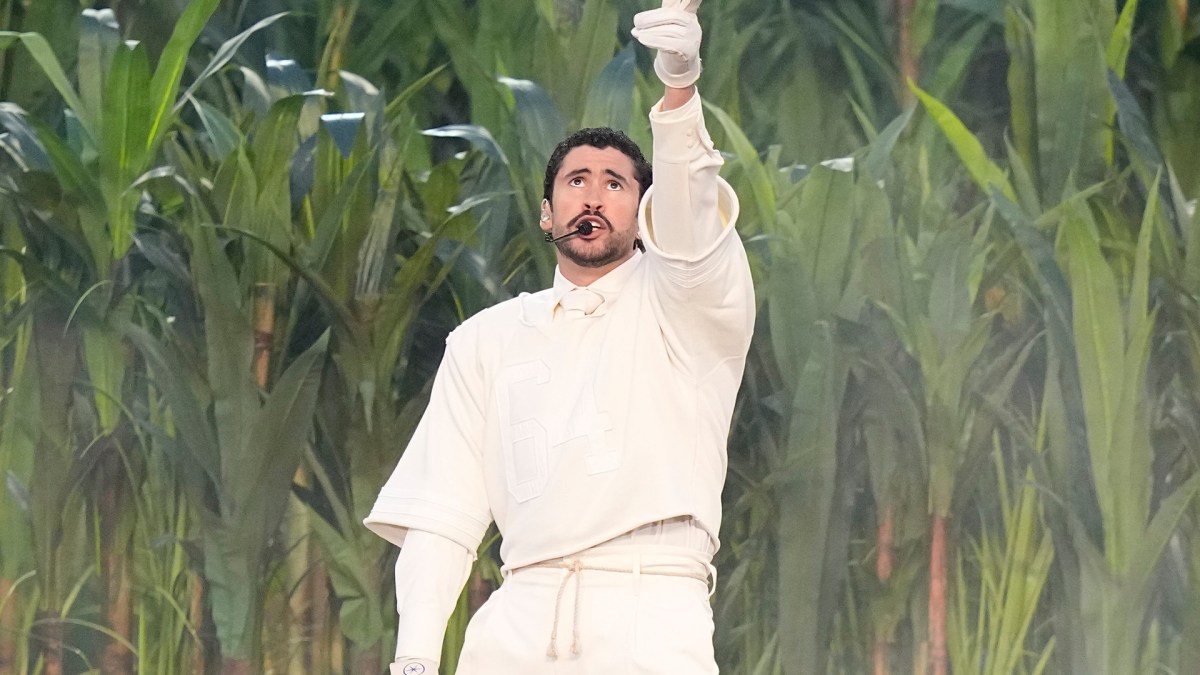
Throughout the course of his second presidential term, Lula da Silva has made the safeguarding of Brazil’s national sovereignty and the protection of its vast natural resources a cornerstone of his administration. These efforts have taken on heightened significance in the face of persistent foreign interference, particularly from the United States. Over the past couple of years, diplomatic and economic tensions have steadily brewed between Brasilia and Washington. These
strains have been compounded by policy decisions from the Trump administration, such as the imposition of tariffs on vital Brazilian goods and imports, as well as diplomatic gestures that involved inviting Lula’s domestic political opponent, Flavio Bolsonaro, for a high-profile visit to the Oval Office. These moves have repeatedly drawn sharp rebukes from the Brazilian government, which views them as unwarranted external pressures on domestic democratic processes.
The ongoing friction regarding international interference and national dignity was brought to the forefront just recently on the international stage during the United Nations General Assembly in New York City. During his address to the global body, President Lula took the opportunity to deliver a pointed critique of foreign intervention in Latin American countries, including Brazil, though he refrained from directly naming the United States in the speech. Articulating a firm stance against regional hegemony, Lula declared to the assembly, “Brazil doesn’t belong in anyone’s backyard.” This uncompromising rhetoric has served to define his administration’s foreign policy posture, emphasizing self-determination, mutual respect among nations, and the rejection of historical spheres of influence that have long plagued Latin America and the Caribbean.
The convergence of contemporary Latin American politics and chart-topping urban music in this campaign ad represents a fascinating cultural crossover that few observers could have anticipated. While unexpected, the collaboration highlights the transnational power of art and how contemporary anthems like Benito’s “LO QUE LE PASÓ A HAWAii” continue to transcend traditional musical boundaries. By lending his song to these political debates, Bad Bunny’s work is once again intersecting with real-world discussions concerning sovereignty, identity, and resistance against external pressures, cementing the track’s enduring relevance across the broader Latin American landscape.