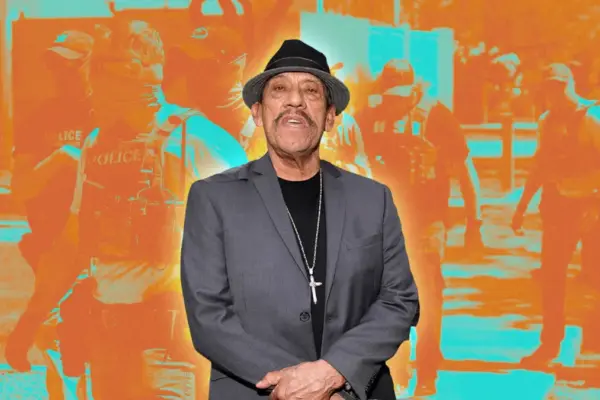







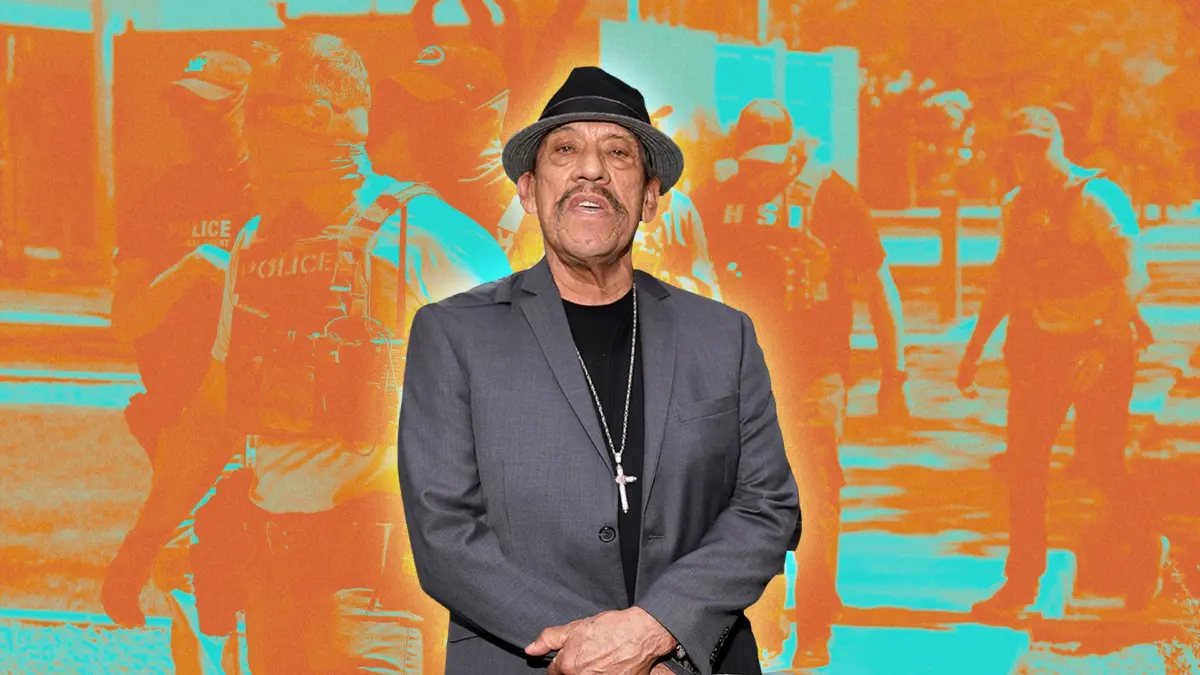
Legendary Mexican-American actor Danny Trejo, a towering figure in Latino cinema celebrated for generations for his unforgettable performances in blockbuster hits and cult classics like Blood In, Blood Out, Desperado, Spy Kids, and the action-packed Machete, has unexpectedly found himself engulfed in a major public controversy. The veteran star is currently facing severe criticism and online scrutiny from fans and community advocates over his involvement in an upcoming feature film titled Pawn Shop. The movie, which has quickly become a flashpoint for political and social tensions, is co-produced by Bonfire Legend and the right-wing media company The Daily Wire, an enterprise founded by prominent conservative political commentator Ben Shapiro. As production on the feature unfolds in the scenic landscape of Livingston, Montana, it has triggered local protests, logistical nightmares, temporary municipal shutdowns, and intense debates over free speech, community safety, and political bias.
The controversial film project first began principal photography in late September in the heart of Livingston, immediately drawing intense local pushback. According to investigative reporting by The Bulwark, which managed to secure and review an early draft of the script, Pawn Shop centers heavily on Minneapolis immigration enforcement and the widespread anti-ICE protests that swept the nation. The publication’s assessment of the screenplay indicates that the film portrays immigration enforcement through a distinctly pro-ICE lens. Furthermore, The Bulwark reported that the script includes a dramatic sequence that closely parallels the tragic and fatal shooting of Renee Nicole Good. It is important to note, however, that this conceptual connection and thematic parallel represent the outlet’s analytical assessment of the written material rather than any confirmed statement of intent or official confirmation issued by the filmmakers themselves.
The sudden arrival of the film crew and the simulated intensity of the production quickly unsettled the unsuspecting residents of Livingston. The community response was swift, with various locals expressing outrage over the disruptions brought to their quiet town. One anonymous protester pulled no punches when speaking to The Bulwark, capturing the local sentiment with blunt frustration: “We want them to know: Don’t come do this sh[—]t in our town.” The tensions on the ground escalated rapidly as residents dealt with blocked thoroughfares, restricted access to essential community services, and frightening simulations of public violence staged without adequate public advisories or neighborhood notifications.
The disruption culminated on October 3, when the Livingston City Commission took decisive action by temporarily suspending the production’s official filming permit. This municipal intervention followed a wave of direct complaints from local citizens regarding severe logistical disruptions. Among the primary grievances cited by the commission were significant blockages affecting the local food pantry, disruptive road closures that cut off daily transit, and a stark lack of proper warnings regarding hazardous and startling action stunts being performed in residential areas.
Local resident Alecia Jongeward previously detailed the terrifying reality of the unannounced production to the Bozeman Daily Chronicle, explaining how the filming operations directly impacted her neighborhood peace of mind. She recounted an alarming encounter where actors dressed head-to-toe in tactical gear were seen running aggressively through her residential street. “I was like, ‘Why are you running at me with guns?’ It was scary,” Jongeward shared. She added further context to the chaos, noting, “Someone later pointed out the guns aren’t real. It would have been nice to know. Everyone’s dogs [are] freaking out: gunshots, loud mobs, screaming heard for blocks at a time. They didn’t tell any of us [about this production].”
Following the municipal shutdown, the controversy took on a broader political dimension. Ben Shapiro publicly lambasted the Livingston City Commission’s decision to halt production, characterizing the temporary permit suspension as a clear act of “content discrimination” and an outright “violation of the First Amendment.” These characterizations were Shapiro’s own public allegations and political arguments, rather than an official legal ruling handed down by a court of law. During the municipal proceedings, the city attorney clarified for the commissioners that the legal and administrative question before them strictly concerned the production’s compliance with established permit conditions, neighborhood safety protocols, and operational disruptions—rather than an evaluation of the film’s political content or ideological message.
After intensive negotiations and public debate, the Livingston City Commission officially reinstated the filming permit on October 5. The reversal came on the heels of a grueling, nearly seven-hour public meeting that brought community members, local officials, and production representatives together. The newly restored permit was granted under strict conditions designed to safeguard the community, mandating enhanced security protocols, mandatory neighborhood notification timelines, and guaranteed, unobstructed access to the local food pantry for residents in need.
While the logistical hurdles in Montana slowly found a path toward resolution, the broader public relations fallout continued to swirl around the film’s cast, particularly concerning Danny Trejo. The veteran actor’s decision to sign on for the project sent shockwaves through social media, drawing widespread surprise and disbelief from followers who pointed to his long history of community advocacy and public support for vulnerable populations. Only months prior, in November 2025, Trejo had made headlines by offering compassionate encouragement to immigrant families directly affected by aggressive ICE raids. In a widely circulated interview with TMZ, Trejo delivered a heartfelt message to the public: “Help your neighbor and do whatever you can for people in need.”
Because of this legacy of grassroots support and advocacy, Trejo’s casting in a project identified as a pro-ICE narrative struck many of his supporters as a jarring contradiction. At present, the exact nature and scope of Trejo’s specific role in Pawn Shop remain unclear, and his mere participation in the ensemble cast does not inherently establish his personal political views regarding immigration enforcement or the policies of Immigration and Customs Enforcement. Recognizing the intense public interest surrounding the casting choice, the Los Angeles Times reached out to Trejo for comment and clarification on October 5. However, the subsequent media reporting citing the outreach did not include any statement, clarification, or explanation from the actor regarding his decision to join the film, leaving questions surrounding his involvement unanswered as production marches forward under its newly enforced municipal guidelines.