







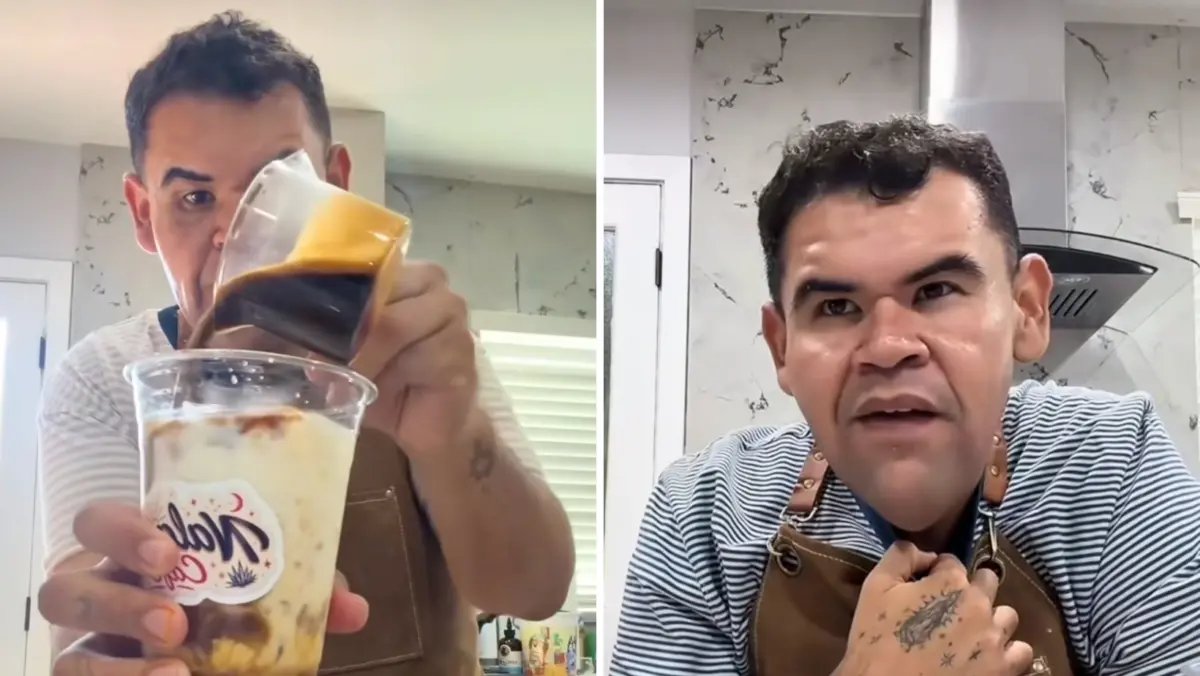
Jesus Zapien, the popular TikTok content creator better known to his followers as Jesus Nalgas, built his substantial digital presence on the foundation of relatable humor, capturing the distinct nuances of working-class Hispanic and Mexican family life. His comedic sketches offered a sense of representation that Latino audiences rarely encounter in mainstream media spaces, fostering a deep sense of community and loyalty among his viewers. However, the trajectory of his career in 2026 has taken a sharp downward turn, marked by a series of public controversies that appear entirely self-inflicted. What began as a glowing review from a supportive customer has snowballed into a major public relations crisis, exposing deeper tensions between the creator and the very community that propelled him to success.
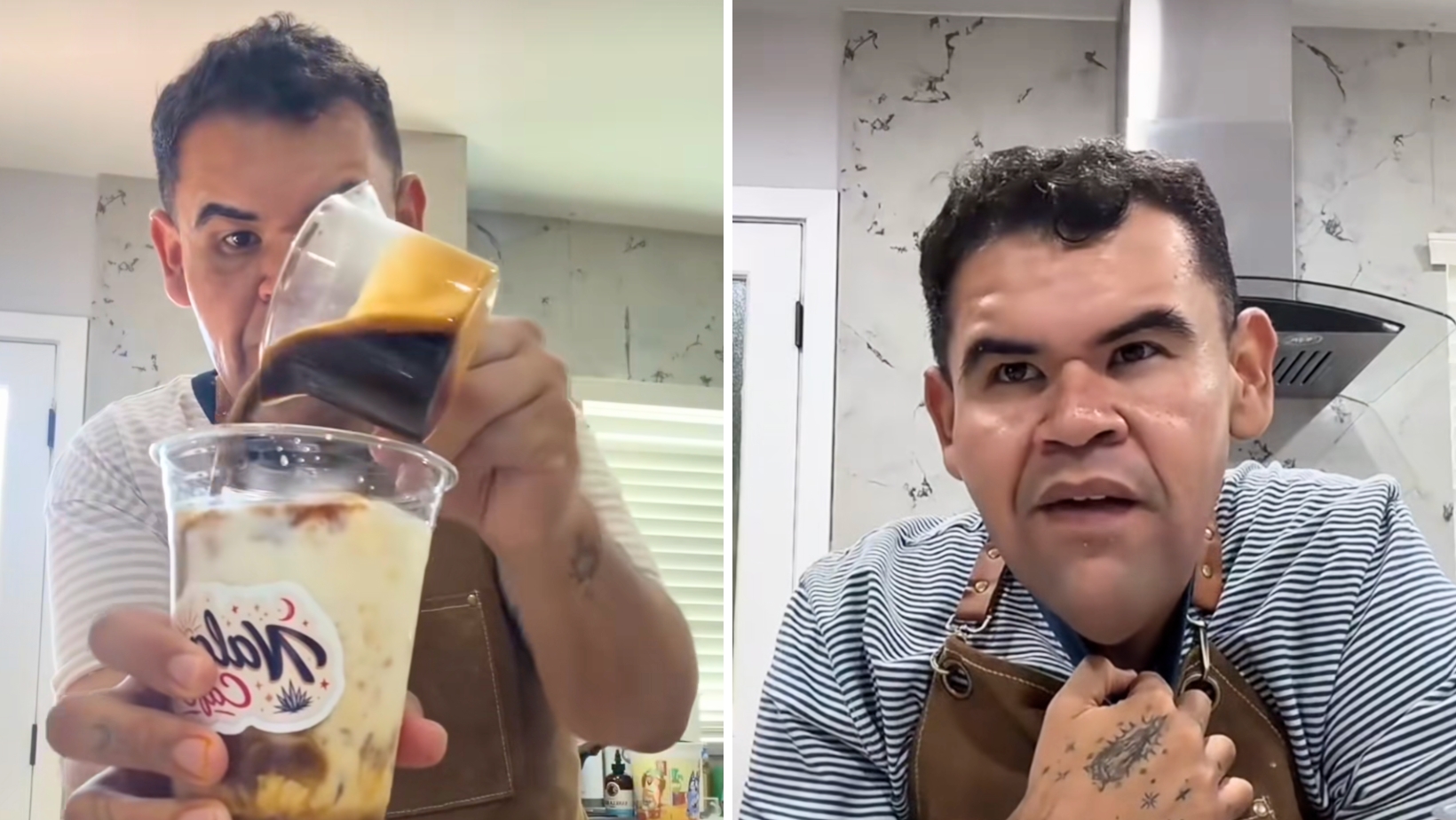
The controversy erupted when a customer named Natalie posted a glowing five-star review of Nalgas Cafe, the home-based coffee shop operated by Zapien in Downey, California. The video quickly gained traction on TikTok, accumulating over one million views and serving as free, highly positive promotion for his emerging business. Rather than welcoming the viral support, Zapien responded with hostility during a TikTok Live broadcast. He publicly accused Natalie of being a "clout chaser" and alleged that she had doxxed him by revealing his business location. The internet reaction was swift and overwhelmingly critical, with the Latino community—the very audience that built his platform—leading the charge against his harsh and unprovoked attack.
The Doxxing Accusation That Collapsed Under Scrutiny
The public response to Zapien’s live broadcast was almost entirely against him, anchored by an argument that required no sophisticated legal interpretation to understand. Nalgas Cafe operates directly out of his private residence in Downey, but it functions as a public-facing business complete with a large promotional sign planted firmly on the front lawn facing a main boulevard—a sign that Zapien himself installed specifically to attract foot and driving traffic. Furthermore, Zapien had previously shared TikTok videos showing the exterior of the house and had regularly reposted other customer reviews that displayed the exact same architectural backdrop without ever raising a concern.
The assertion that a customer filming the storefront of an active commercial enterprise with a giant advertisement on its lawn constituted doxxing collapsed under its own logic almost immediately. Prior to Zapien’s public outburst, Natalie had actually acted with considerable caution and courtesy. After a commenter pointed out that the house number was visible in her viral video, Natalie reached out to Zapien privately via direct message. She asked him explicitly whether the visible address made him uncomfortable and offered to delete the post entirely. Zapien chose to ignore her private message. Instead of answering her polite inquiry, he took his grievances to a public TikTok Live session, bypassing a simple private resolution in favor of publicly shaming a customer who had only intended to support his business.
Commentary channels and everyday TikTok users across multiple platforms quickly pointed out the glaring contradictions in Zapien’s narrative. The absurdity of a business owner publicly berating a patron for leaving a glowing five-star review sparked a wave of parody content from other creators. As the story circulated, the comment sections of various reaction videos began to fill with personal anecdotes from individuals claiming to have had similarly unpleasant encounters with Zapien in real life. These testimonies began to paint a broader picture, suggesting that his public attack on Natalie was not an isolated mistake, but rather indicative of how he interacts with supporters when the cameras are turned off.
The "White People Money" Comments and the Erosion of Community Trust
The friction between Zapien and his audience did not begin with the coffee shop doxxing controversy. Months prior to the incident with Natalie, Zapien had already begun eroding the goodwill of his core demographic through remarks regarding "white people money" in connection with his commercial ambitions, including the launch of Nalgas Cafe. These comments left many of his long-time viewers with the distinct impression that he was attempting to distance himself from his cultural and working-class roots now that he had achieved a degree of financial success and internet fame.
For an audience that had supported him precisely because of his authentic portrayal of Latino life, these remarks signaled a troubling shift in his priorities. The situation raises a fundamental question about the mindset of a creator who relies on Latino relatability: what does "white people money" actually signify to someone whose career was built by the Hispanic community? Economically speaking, currency is universal. The money spent by a working-class family supporting his content spends the exact same way at any register as funds from any other demographic. The notion that a specific category of income is somehow superior based on the racial background of the spender points to an internalized hierarchy that is both baffling and revealing. It suggests an absorption of historical biases that treat Latino economic power as secondary—a stepping stone rather than a legitimate market worthy of genuine investment.
Data regarding economic trends highlights the profound disconnect in Zapien’s alleged perspective. Latino purchasing power in the United States continues to expand dramatically, projected to reach trillions of dollars in the coming years. This economic reality renders the concept of "white people money" as a superior financial tier not only offensive, but factually unfounded. The working-class Hispanic families whose daily realities Zapien transformed into viral content are the very foundation upon which Nalgas Cafe and his digital brand were built. His original supporters created the platform that granted him the visibility to open a physical storefront and enabled a customer review to go viral in the first place. Long before the doxxing accusations surfaced, his audience had already noticed the subtle devaluation of their support.
What Both Incidents Reveal About Creator Accountability
Examined together, the remarks regarding white people money and the public reprimand of a supportive customer tell a cohesive story about a digital creator who has begun to view his core audience as a temporary vehicle rather than a permanent home. Jesus Nalgas did not build his massive following in spite of his Latino identity, but entirely because of it. His cultural specificity resonated deeply with viewers who rarely see their lived experiences centered in mainstream digital spaces. Treating that foundational audience as a mere stepping stone rather than the bedrock of his career is an expression of ingratitude disguised as ambition.
Natalie took the time to craft a five-star review to support a local business and proactively reached out to the owner out of an abundance of caution when minor concerns arose. Instead of receiving appreciation, she was met with public humiliation during a live broadcast. The wider digital community, already attuned to the shifting tone of Zapien’s content following his previous financial commentary, has observed the sequence of events and formed lasting conclusions regarding his conduct as a public figure.