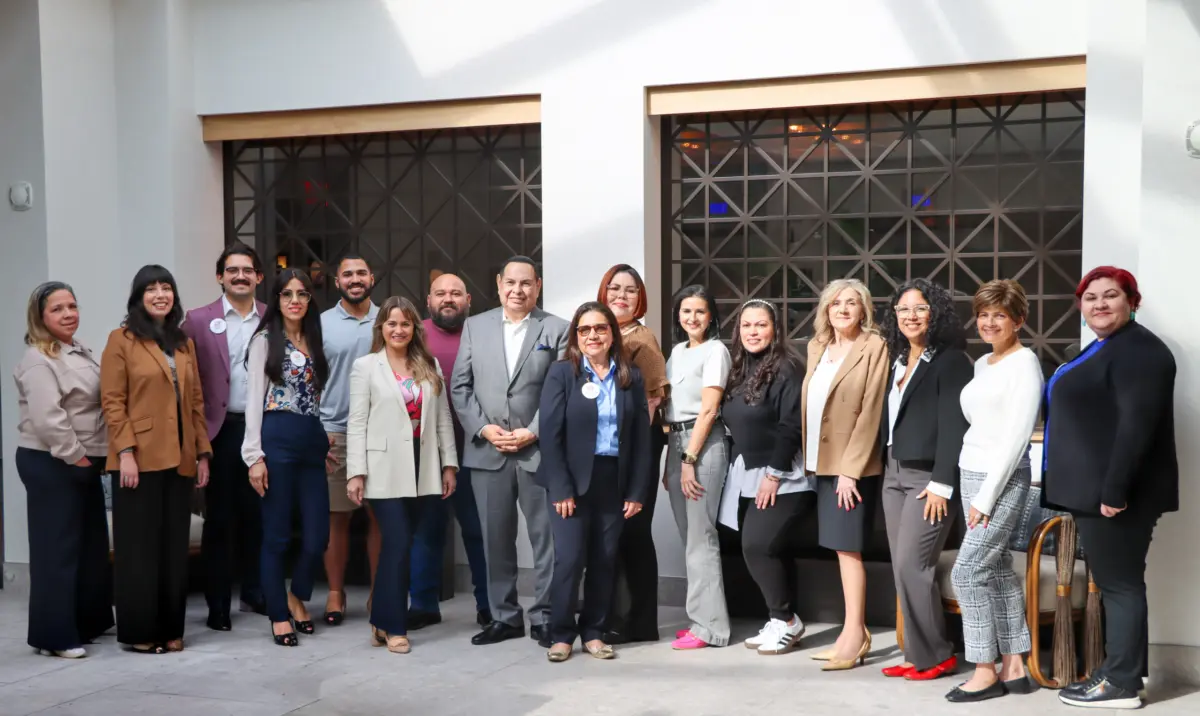







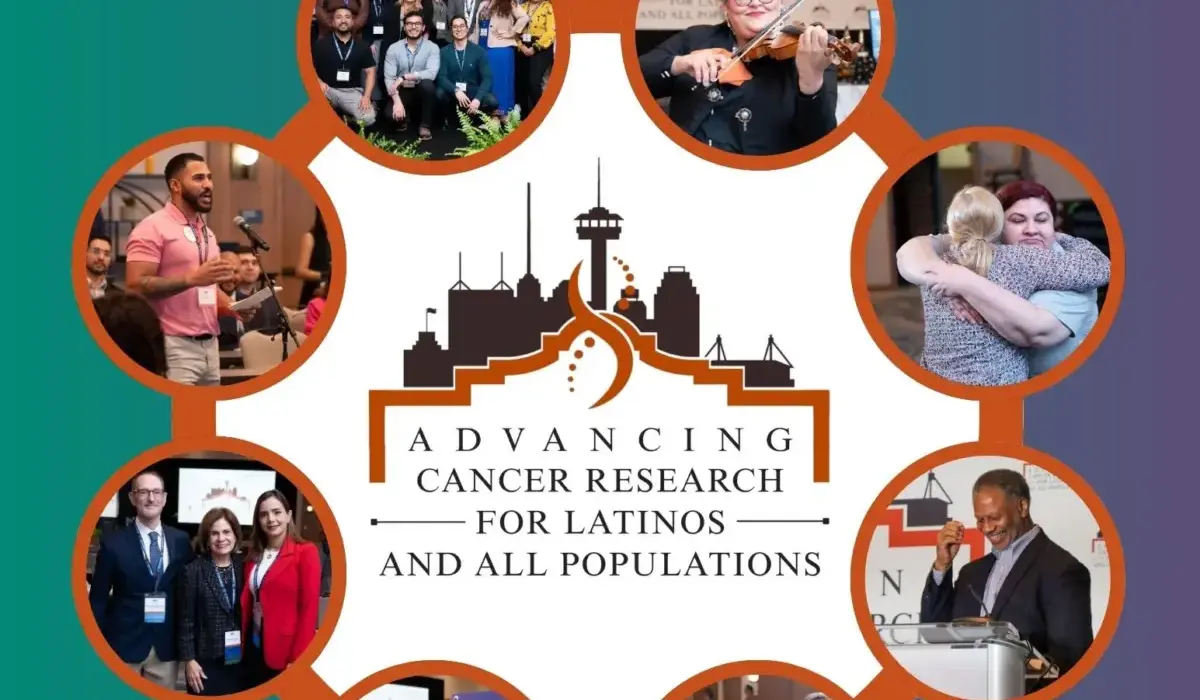
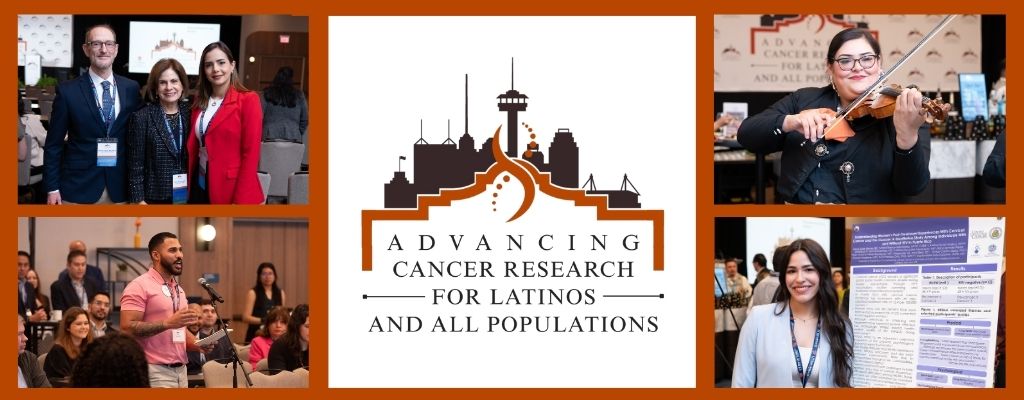
Cancer remains one of the most formidable threats to public health, casting a long shadow over communities globally and disproportionately impacting the health and well-being of Latino populations. In response to this ongoing public health challenge, top-tier researchers, physicians, healthcare professionals, patient advocates, and students from around the world gathered in San Antonio, Texas, for a landmark scientific summit. The event brought together more than 350 prominent minds dedicated to tackling the complexities of cancer prevention, diagnosis, treatment, and survivorship.
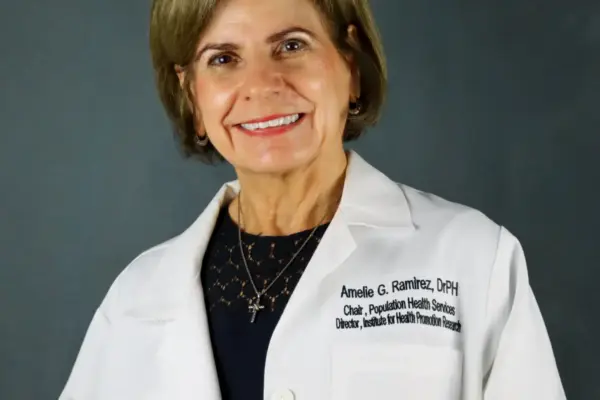
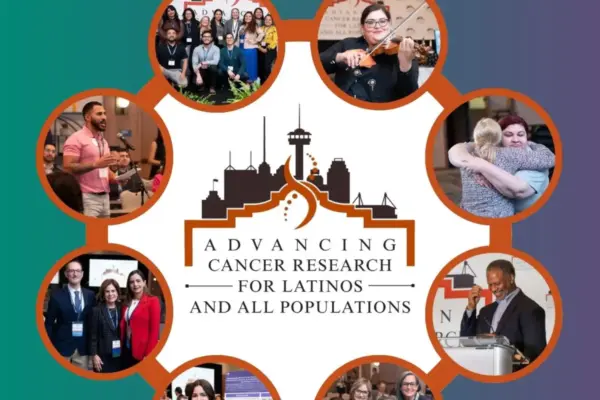
The gathering marked the latest iteration of the Advancing Cancer Research for Latinos and All Populations (ACRLP) biennial conference series. The premier event is the result of a collaborative vision spearheaded by Dr. Amelie Ramirez, director of Salud America! and the Institute for Health Promotion Research at UT Health San Antonio, working alongside the renowned Mays Cancer Center. Held from February 18 to February 20, 2026, the three-day conference served as a vital forum for discussing the unique physiological, environmental, and socioeconomic factors driving cancer rates, with a dedicated focus on Latinos and broader populations.
A Collaborative Effort Backed by Industry and Academic Leaders
The success of the 2026 ACRLP conference was underwritten by a robust coalition of corporate sponsors, academic institutions, and advocacy organizations committed to advancing oncology research and health equity. Platinum-level sponsors for the event included major pharmaceutical and biotechnology companies such as Genentech, Bristol Myers Squibb, Gilead, Revolution Medicine, Natera, and AstraZeneca.
Additional financial and organizational backing came from gold-level sponsors Blood Cancer United, Menarini Stemline, and Eli Lilly; silver-level supporters including the National Hispanic Health Foundation, the American Cancer Society, and the STEAM Network; and institutional amigos such as the University of New Mexico and the Sylvester Comprehensive Cancer Center.
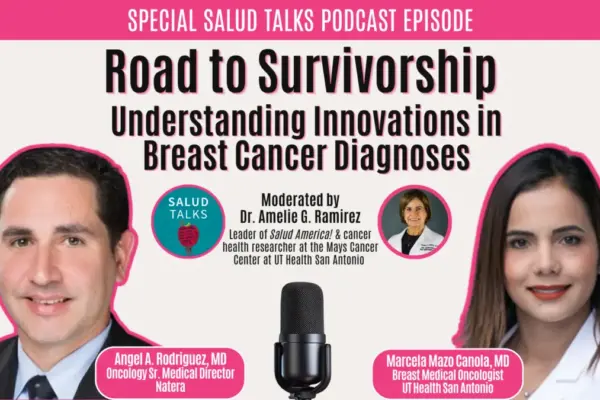
Guiding the scientific vision of the conference was a distinguished planning committee chaired by Dr. Amelie G. Ramirez of UT Health San Antonio. The leadership team also included co-chairs Dr. Edward J. Trapido of Louisiana State University and Dr. Marcela Mazo Canola of UT Health San Antonio.
They were joined by a multidisciplinary roster of experts: Dr. Barbara Segarra-Vázquez of the University of Puerto Rico; Dr. Alejandro Recio Boiles of the University of Arizona; Dr. Maria Constanza Camargo and Dr. Janeth Sanchez of the National Cancer Institute; Dr. Gerardo Colon-Otero of the Mayo Clinic in Florida; Dr. Katherine Y. Tossas of Virginia Commonwealth University; Dr. Mariana C. Stern of the University of Southern California; Dr. Martin Mendoza; Dr. Matthew P. Banegas of the University of California, San Diego; Dr. Patricia I. Moreno of the University of Miami; Dr. Yamillé Molina of the University of Illinois; Dr. Laura Fejerman of UC Davis; Mary Jimenez representing the Mays Cancer Center Community Advisory Board; and Sandi Stanford of the Alamo Breast Cancer Foundation.
Comprehensive Conference Proceedings and Key Sessions
To capture the vast array of insights shared during the summit, organizers compiled the Advancing Cancer Research for Latinos and All Populations: 2026 Conference Proceedings. This comprehensive report summarizes the intensive presentations and panel discussions that took place, highlighting breakthroughs in clinical best practices, community-based interventions, the non-medical drivers of health, and professional training models designed to reduce cancer burdens across diverse demographic groups.
The published proceedings span a wide array of critical oncology topics, beginning with an introductory overview followed by a forward-looking perspective titled "Moving Forward and Staying the Course," presented by Dr. Robert A Winn, formerly of the VCU Massey Comprehensive Cancer Center and currently with Fox Chase Cancer Center.
Pediatric oncology was another focal point of the conference, featuring insights from Dr. Adam De Smith of the University of Southern California and Dr. Jenny Ruiz of the University of Pittsburgh. Discussions centered on the unique biological and environmental factors influencing childhood cancers and how early interventions can alter patient trajectories.
As global populations age, the intersection of aging and oncology has taken on renewed urgency. Dr. Enrique Soto Perez de Celis of the University Colorado Cancer Center and Dr. Melody K. Schiaffino of the University of California, San Diego, led discussions on geriatric oncology, addressing the complexities of treating older cancer patients who frequently experience intersecting chronic conditions and healthcare access barriers.
Emerging Trends: Infections, Early-Onset Cancers, and Survivorship
A particularly alarming trend addressed during the summit was the rising tide of infection-related cancers. Experts including Dr. Ana Patricia Jones and Dr. Luis Carvajal-Carmona of the University of California, Davis, alongside Dr. Patricia D. Jones of the University of Miami, explored how viral and bacterial infections contribute disproportionately to cancer incidence in specific communities and how targeted vaccination and screening programs can mitigate these risks.
Parallel to infection-related discussions, researchers tackled the unsettling rise of early-onset cancers—malignancies diagnosing individuals at younger ages than historically observed. Dr. Marcela Mazo Canola and Dr. Sukeshi Patel Arora of UT Health San Antonio, alongside Dr. Narjust Florez of the Dana-Farber Brigham Cancer Center, examined the potential lifestyle, environmental, and genetic triggers accelerating this demographic shift.
Survivorship and quality of life also commanded significant attention. Panels featuring Dr. Jean Edward of the University of Kentucky, Dr. Betina R. Yanez of Northwestern University, and Dr. Frank Penedo of the University of Miami evaluated psychosocial interventions, financial toxicity, and survivorship care models tailored to meet the cultural and linguistic needs of Latino survivors and their families.
The integration of modern technology and effective communication strategies formed another major track. Dr. Yonaira Rivera of Rutgers, Dr. Arturo Loaiza-Bonilla of Massive Bio, and Dr. Carmina G. Valle of the UNC Gillings School of Public Health discussed how digital health tools, artificial intelligence, and culturally resonant messaging can improve clinical trial recruitment, patient education, and remote monitoring.
Supporting the Next Generation and Bridging Global Research
Recognizing the vital need to cultivate the next wave of scientific leadership, the ACRLP conference dedicated specific sessions to early-career investigators. Prominent rising researchers—including Dr. Gustavo J. Almeida of UT Health San Antonio, Dr. Yelba M. Castellon-Lopez of Cedars-Sinai Health Sciences University, Dr. Maira A. Castaneda-Avila of UMass Chan Medical School, Dr. Sara Flores of the National Cancer Institute, and Dr. Cirila Estela Vazquez Guzman of Oregon Health & Science University—presented their findings and engaged in mentorship opportunities with established leaders.
The global nature of cancer was further emphasized through sessions bridging international and national research. Dr. Mariana Chavez Mac Gregor of the MD Anderson Cancer Center and Dr. Carolina Wiesner of the Instituto Nacional de Cancerología de Colombia shared cross-border perspectives on how data sharing and international cooperation can accelerate therapeutic discoveries.
Addressing disparities in precision medicine, a dedicated track on biomarkers highlighted "The Genetic Gap." Experts including Dr. Jose Trevino of Virginia Commonwealth University, Dr. Luis Raez of the Memorial Cancer Institute, and Dr. Elad Ziv of the UCSF Hellen Diller Family Comprehensive Cancer Center discussed how underrepresentation in genomic databases limits the efficacy of targeted therapies for minority populations and outlined actionable steps to close this critical divide.
Broader Societal Barriers, Environmental Impacts, and Patient Leadership
Cancer disparities cannot be separated from the social, legal, and environmental contexts in which patients live and work. In a session examining policy and systemic barriers, Dr. Xuesong Han of the American Cancer Society, Dr. Ramon Cancino of UT Health San Antonio, and Dr. Elena Rios of the National Hispanic Health Foundation discussed how legislative policy changes and healthcare delivery models directly impact patient outcomes.
Environmental exposures and occupational hazards were confronted in a dedicated panel focusing on environmental cancer risks. Dr. Leticia Nogueira and Dr. Roxana Chicas of Emory University joined San Antonio Fire Department representatives Martin De La Rosa and Stephen Torres to discuss the disproportionate toxic exposures faced by outdoor workers, firefighters, and urban residents living near industrial zones.
Importantly, the conference continually centered the voices of those with lived experience. Research and patient leadership panels featured cancer survivors Arnoldo Rodriguez and Karen Estrada, who shared their personal journeys and advocated for deeper community engagement in clinical research design.
The event also featured high-level strategic discussions, including a keynote think tank led by Dr. Amelie G. Ramirez titled "Cancer Researchers Against Cancer," and a fireside chat featuring prominent cancer center directors Dr. Ruben Mesa of Atrium University, Dr. Carlos Arteaga of UT Southwestern, Dr. Robert A Winn, and Dr. Lei Zheng of the Mays Cancer Center. Additionally, industry leaders from Bristol Myers Squibb, Genentech, Gilead, Revolution Medicine, Natera, and AstraZeneca presented the latest commercial and clinical developments in precision medicine.
Continuing the Mission
Beyond the main scientific program, the 2026 conference served as the venue for the second in-person meeting of the Latino Cancer Patient Advocate Training Program, an initiative dedicated to equipping cancer survivors with the tools to serve as effective community and institutional leaders.
Organizers confirmed that the momentum generated in San Antonio will carry forward, with the next ACRLP conference scheduled for February 23–25, 2028, in San Antonio, Texas. Researchers, clinicians, and advocates seeking to review the full scope of the 2026 findings can access the complete conference proceedings and research abstracts online through Salud America!.