









For many cancer survivors, the narrative follows a familiar, straightforward arc: a routine self-examination reveals a lump, a prompt medical evaluation follows, and a swift diagnosis sets treatment into motion. Yet for Deb Blake-Ontiveros, the path to understanding her body and securing medical validation was fraught with systemic roadblocks, personal hurdles, and a frustrating two-year delay that fundamentally altered her health trajectory.
As a single mother juggling motherhood, mental health struggles, community organizing, and financial constraints, Deb’s initial concerns were brushed aside by a trusted physician. That dismissal launched a complex, ongoing battle with metastatic and recurrent breast cancer. Today, Deb’s story shines a critical light on the often-overlooked intersections of gender, race, age, and mental health within the healthcare system—particularly for young Latinas whose early symptoms are frequently dismissed. Rather than retreating into silence, Deb has transformed her harrowing personal ordeal into a powerful platform for patient advocacy, striving to ensure that no other patient feels invisible in the examination room.
Deb Blake-Ontiveros: The Initial Breast Cancer Diagnosis and Medical Dismissal
The journey began in 2016 in Salt Lake City, Utah, where Deb was navigating life as a single mother to a two-year-old daughter. Operating at a relentless pace, Deb balanced the immense demands of parenthood with managing a mental illness, organizing community rallies, maintaining vital social connections, and navigating a stressful custody battle. She frequently acted as a pillar for her community, helping others secure necessary resources. Yet, above all else, motherhood remained her absolute priority.
“I felt like a super mom. That was my whole concentration all the time. Everything else came second,” she reflected.

However, while her life remained a whirlwind of activity, her body began sending warning signs. While breastfeeding her daughter, Deb discovered a distinct lump on her right breast. Trusting the healthcare system, she promptly scheduled an appointment with her primary care physician—an older male doctor who had previously provided great care during her pregnancy. Because of this positive history, she had no reason to anticipate a negative experience.
Instead, she encountered a barrier familiar to many marginalized patients. As a single mother and woman of color utilizing Medicaid, Deb felt the odds were stacked against her from the start. Taking her youth and breastfeeding status into account, the physician dismissed the lump as a clogged milk duct resulting from insufficient drainage. He diagnosed her with mastitis, a painful inflammation of the breast tissue that can lead to infection. Lacking any reason to doubt a medical professional, Deb accepted the diagnosis, trusted the guidance, and continued nursing her daughter.
Two years slipped by. Although the lump persisted, the overwhelming demands of single parenthood—coordinating preschool schedules, managing daily household tasks, and keeping up with endless responsibilities—pushed her own health to the back burner. It wasn’t until she began dating again that her new partner raised an alarm. Unsettled by the persistent mass, her partner urged her to seek a professional evaluation, sharing a painful personal history of a friend who had lost her life to breast cancer.
Prompted by this external concern, Deb sought a second opinion, this time from a female physician who immediately recognized the need for caution following a physical examination. What followed was a rapid sequence of medical appointments: a mammogram, followed swiftly by a biopsy. Sitting alone during her first biopsy, gripped by fear while a nurse offered a comforting hand, Deb experienced one of the most physically painful moments of her life. Medical staff delivered a grim preliminary assessment, noting that the imaging looked concerning and difficult to read.

True to form, Deb immediately compartmentalized her terror. Her primary anxiety remained fixed on whether her daughter would be picked up from school on time and cared for while she underwent the grueling procedure. Two days later, while boarding a train to attend a parent-teacher conference, she received the definitive phone call: it was breast cancer. At just 37 years old, while absorbing the shock of a cancer diagnosis, her immediate instinct was simply to ensure she made it to her daughter’s school event on schedule.
Deb Blake-Ontiveros and the Shock of Metastatic Breast Cancer
Receiving a cancer diagnosis while simultaneously managing a preexisting mental illness created an intensely complicated emotional landscape. Terrified by the prospect of chemotherapy, Deb initially sought alternative paths, hoping to find a natural cure that could eradicate the disease without invasive medical interventions. She decided to postpone formal treatment, stepping into a brief window of time to search for answers.
Before that grace period concluded, however, Deb underwent a PET scan that revealed the devastating reality of her condition. The cancer was not localized; it had metastasized, spreading aggressively to her lungs, her lymph nodes, and the central cavity of her chest.
“I was just like a Christmas tree up in the chest area,” she confessed, adding candidly that she barely understood what the word "metastatic" truly meant at the time.

Confronted with this alarming staging, her manic "Super Woman" coping mechanism shifted into high gear. She embraced what she jokingly calls her "hot chemo summer." By filling her days with social engagements, dating, poetry readings, motorcycle rides, and live concerts, she kept her mind actively engaged while the chemotherapy drugs worked to combat the cancer cells. That active lifestyle, she notes, genuinely helped anchor her mental health through the storm.
After several months of treatment, a follow-up scan delivered incredible news: the scans were clear. She was informed there was no evidence of disease. Believing she had entirely defeated the cancer, her mindset soared. Yet, during the follow-up appointment, her oncologist quickly tempered the celebration, instructing her to return in three weeks for the next phase of care.
Confusion set in. It was at that precise moment that the true definition of metastatic cancer fully registered. While she currently had no evidence of disease, she was not cured. The cancer could return, and managing it would require indefinite, lifelong maintenance medication every three weeks.
A Second Diagnosis and Navigating Life as a Single Mother and Advocate
Following her primary treatments, Deb sought a fresh start for herself and her daughter, relocating from Salt Lake City to a rural area of Utah. Moving in with her partner, she redirected her lifelong passion for community organizing toward a new, deeply personal mission: cancer patient advocacy. Recognizing her natural talent for mobilization, her partner encouraged her to focus entirely on breast cancer advocacy within her new surroundings.
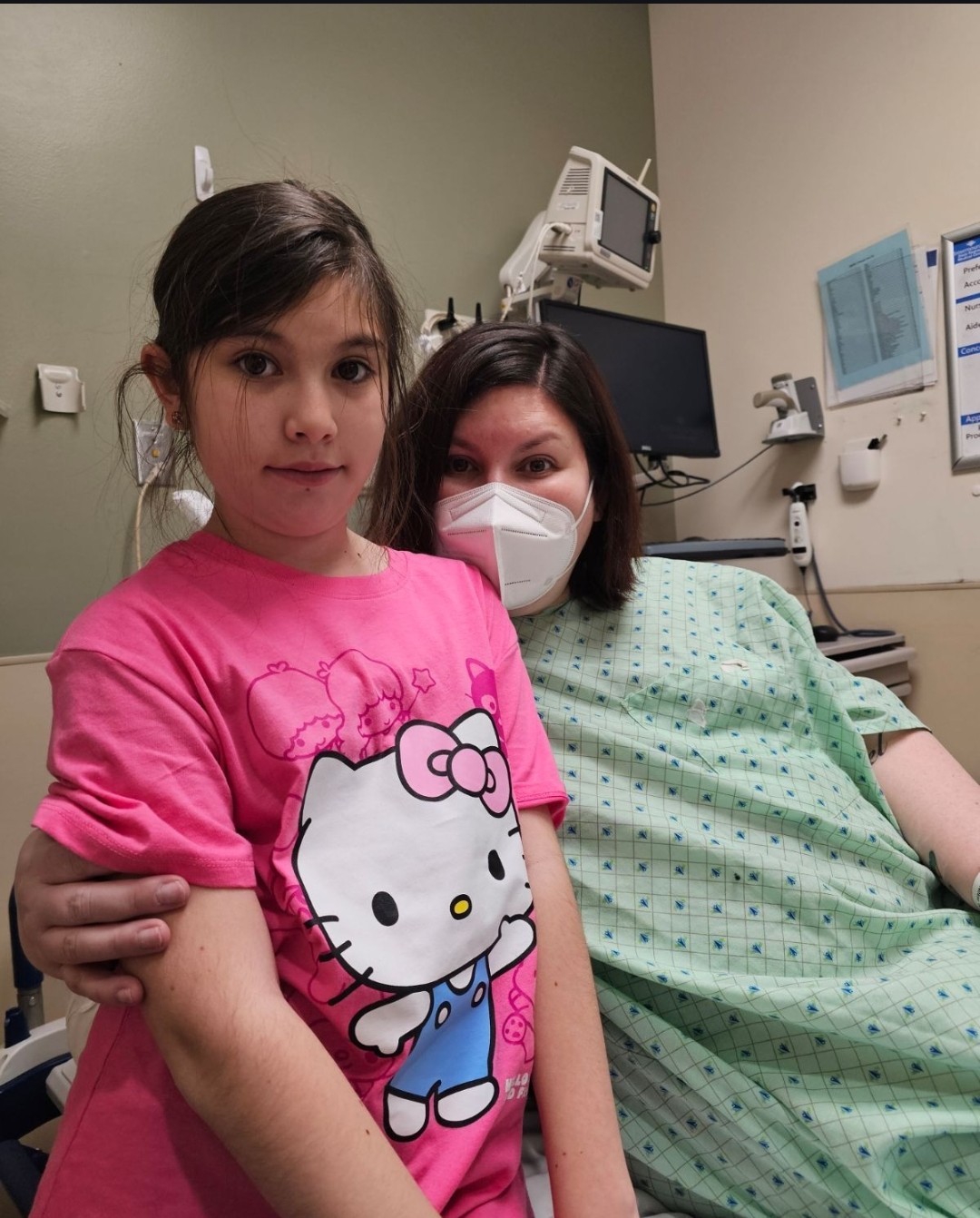
In the years that followed, Deb established a robust presence in the advocacy space. She partnered with organizations such as Living Beyond Breast Cancer, authored guest blogs for WebMD, contributed to state-level cancer initiatives, and shared her lived experiences on panels and through various media outlets.
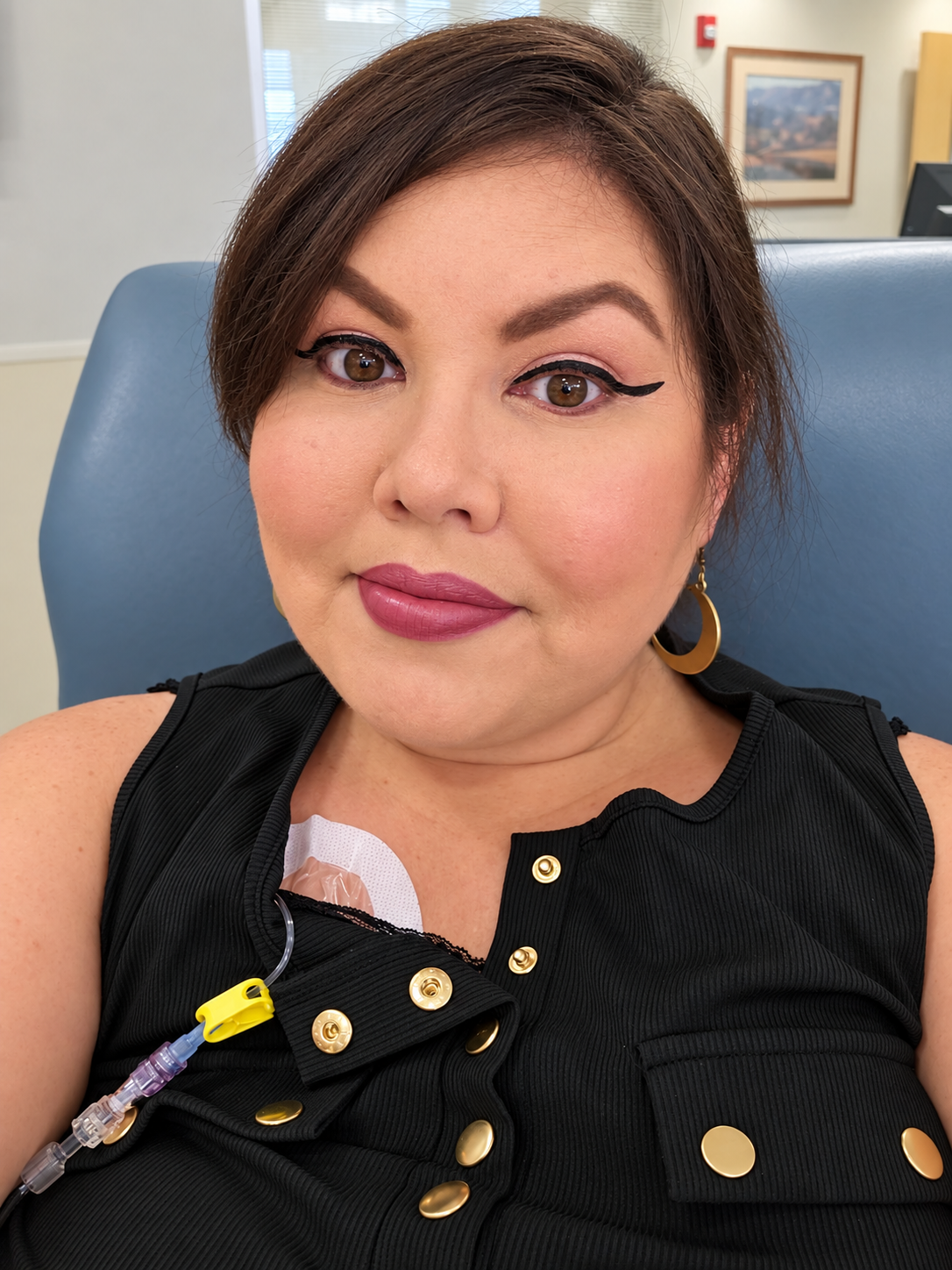
Just as she felt she had mastered her new normal, life delivered another unexpected blow. In 2023, while performing a routine monthly self-examination, Deb detected a new lump in the exact same breast. The familiar dread of a recurring nightmare washed over her. A mammogram, ultrasound, and biopsy confirmed the worst: an entirely unrelated, secondary breast cancer diagnosis at stage 2 to 3.
While the medical procedures felt like an agonizing replay of the past—complete with chemotherapy, debilitating sickness, and hair loss—the personal landscape had shifted. Her partner, who had not witnessed her first battle due to a long-distance relationship, struggled to cope with the reality of her physical decline. Recognizing the immense strain, the couple separated. Once again, Deb found herself navigating a complex cancer diagnosis as a single mother, stripped of a daily in-home support system.
The transition weighed heaviest on her young daughter, who had been only four years old during the initial diagnosis. Now twelve, her daughter began adopting caregiving responsibilities around the household to help her mother, a reality that deeply broke Deb’s heart as she continued to battle persistent fatigue and long-term treatment side effects.
Sharing Cancer and Mental Health Stories to Help Others
For the past eight years, Deb’s life has remained a continuous balancing act of medical appointments, treatments, parenting, and advocacy. Central to her advocacy work is her unflinching openness regarding mental health. Her bipolar disorder has historically acted as both a profound challenge and a surprising source of resilience throughout her survivorship.
The psychological toll of cancer is immense, often compounding the struggles of those managing preexisting mental health conditions. Within overlooked communities, such as the Latino population, generational stigmas surrounding mental health frequently amplify this isolation. Rather than hiding her struggles behind a veneer of perfection, Deb refuses to let shame dictate her narrative.
“My family acts like cancer is an embarrassing thing, because there were other family members that have had cancer and stuff. I don’t. I’m like, ‘This happened, and I don’t want it to happen to any other person in this family, so I’m going to talk about it, even if it makes you uncomfortable,’” she stated.
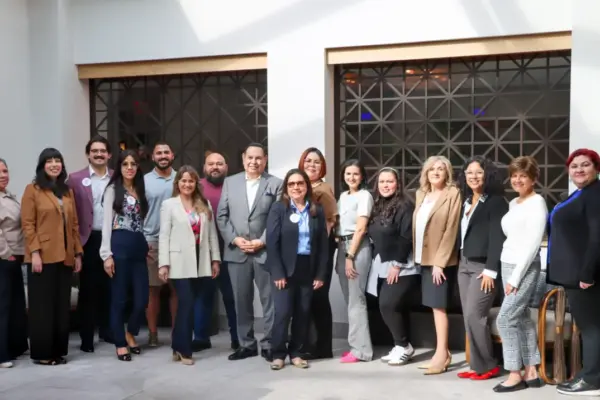
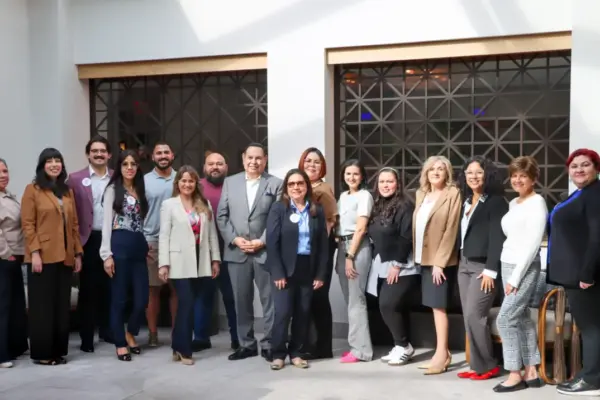
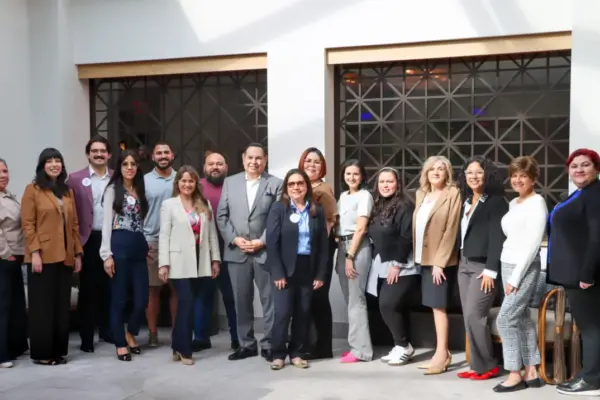
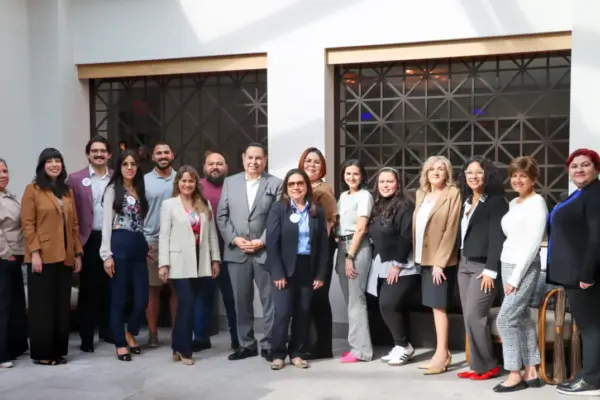
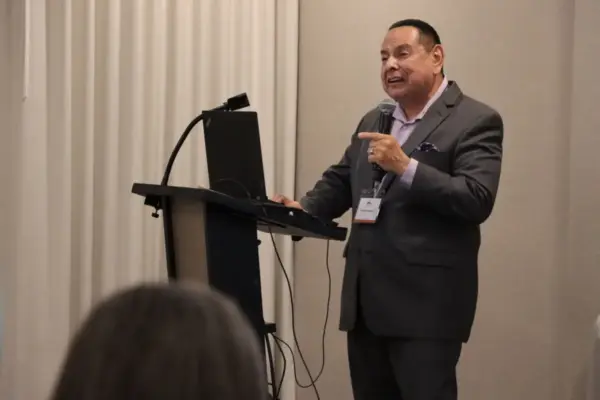
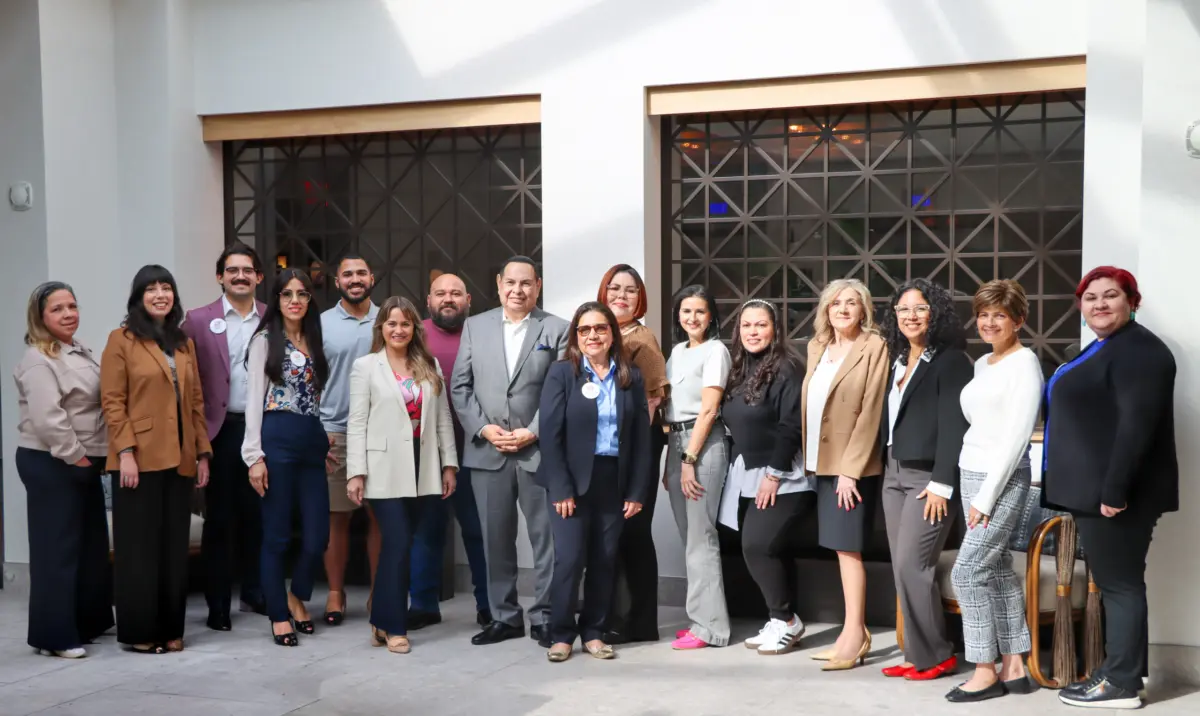
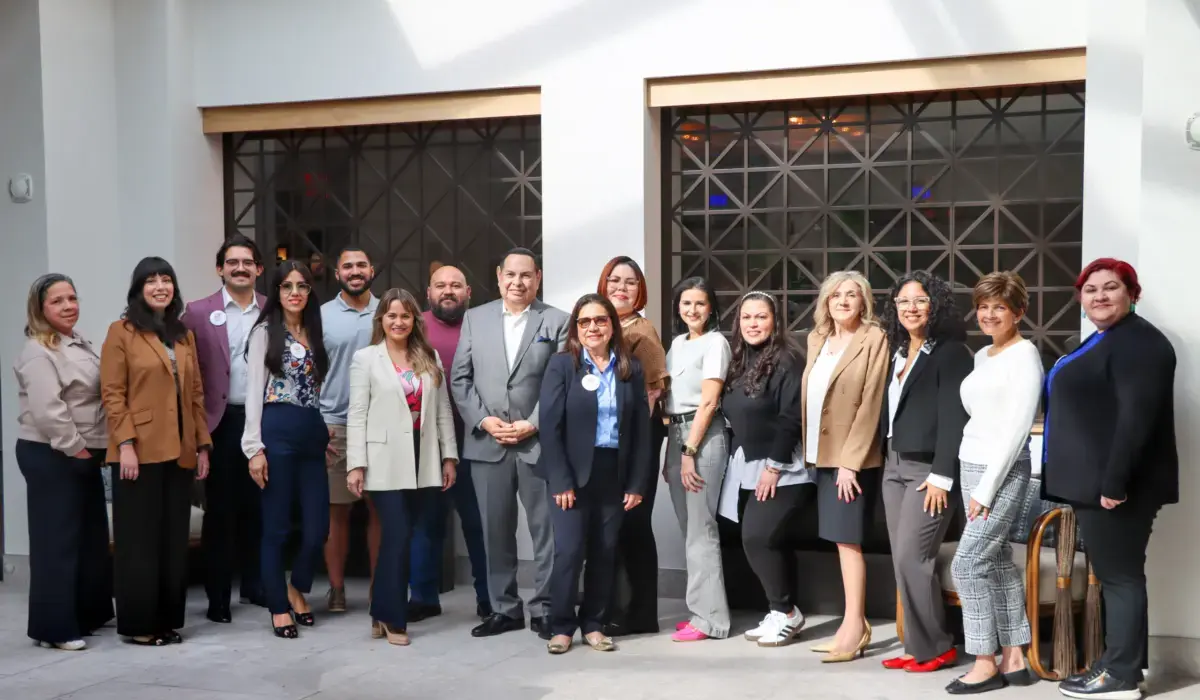
By speaking candidly, Deb aims to ensure that others battling breast cancer alongside severe mental health challenges feel seen, validated, and supported in a system that often overlooks psychological well-being. This commitment recently led her to participate in the Latino Cancer Patient Advocate Training Program, held in conjunction with the Advancing Cancer Research for Latinos and All Populations Conference in San Antonio, Texas. The program unites Latino cancer survivors, equipping them with expert guidance to better serve and uplift their communities.

Armed with this specialized training, Deb continues to share vital resources and advocate tirelessly for patients who feel silenced by their diagnoses. Through every twist and turn, her core identity remains unshakeable.
“I’m never going to stop being me,” Deb vowed. “Cancer will not change that about me. I will never stop being me, but I will adapt and keep adapting.”