









To the outside world, Mariana’s life in New York is the epitome of the American dream. Having arrived from Mexico in 2016 alongside her husband—a high-achieving director at a multinational corporation—she lives a life of material comfort. Her husband is well-mannered, professionally celebrated, and possesses a LinkedIn profile that reflects absolute perfection. Yet behind closed doors, Mariana has spent years navigating a harrowing psychological labyrinth, dealing with sudden and relentless outbursts of anger where she serves as the primary target.
For security reasons, her real identity has been safeguarded, but her story mirrors a silent epidemic affecting thousands of immigrant women. Recently, her husband lost his temper in front of their five-year-old child simply because she stood up from the breakfast table to finish packing the boy’s snack for summer camp. What began as a complaint quickly escalated into furious shouting, punched walls, slammed doors, and a chair violently hurled to the floor. When she asked him to calm down out of concern for their terrified child, the aggression intensified.
When he went to prepare for work, Mariana grabbed a dress from the laundry room, scooped up her son, and fled their home an hour ahead of schedule. Finding her young son hiding in a corner, weeping and confused as to why his mother was suddenly so nervous, crystallized her deepest fears. Her son is beginning to absorb the trauma of these environments, trying to make sense of a reality no child should witness.
The profound dissonance between her husband’s polished public persona and his explosive private behavior leaves Mariana feeling trapped. With her U.S. immigration status entirely tied to his employment visa, she feels profoundly humiliated and overwhelmed. She battles conflicting emotions, struggling with the fact that he has never physically struck her—a detail that often clouds the reality of abuse—while recognizing that she has slowly adapted to living in a state of perpetual hyper-vigilance.
The Pervasive Reach of Domestic Violence
Mariana is an educated, middle-class woman who still finds it difficult to openly label herself a victim of abuse. Yet, experts emphasize that domestic abuse transcends socio-economic boundaries. Irina Faneite, a psychologist with 18 years of experience in gender-based violence and founder of the Houston-based nonprofit Corazones of Courage Foundation, notes that violence does not discriminate.
According to Faneite, abuse does not begin overnight; it is a slow spiral. Victims often start by feeling they somehow provoked the behavior or deserved it, slowly losing their self-esteem as the psychological boundaries of the relationship continue to erode. The triggers for these episodes are often trivial—a minor comment, an unmet expectation, or a perceived slight—while the underlying mental health issues of the perpetrator remain unaddressed. On average, statistics indicate that a woman may return to an abuser multiple times before finally breaking the cycle, trapped by manipulation and fear.
Understanding the Cycle of Domestic Violence
The persistence of these relationships is largely driven by what psychologist Dr. Lenore E. Walker first defined in 1979 as the Cycle of Domestic Violence. Documented in her groundbreaking research, the cycle explains why victims remain trapped in relationships defined by fluctuating periods of tension, abuse, and reconciliation.
The cycle typically begins with a buildup of tension, where the abuser grows moody, controlling, or jealous, forcing the victim to walk on eggshells. This culminates in an abusive episode involving verbal insults, threats, or physical destruction. Afterward, the dynamic frequently shifts into a honeymoon phase characterized by intense apologies, promises of change, gifts, and emotional manipulation. A temporary calm follows until the underlying tensions inevitably begin to mount once more.
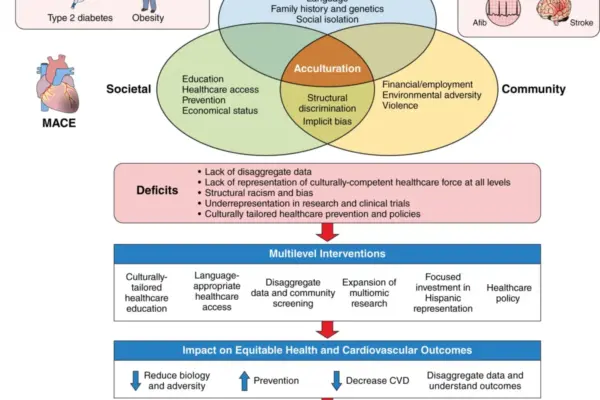
For vulnerable Latina migrants, this cycle is further compounded by external pressures. Emotional manipulation, financial dependency, language barriers, and deep-seated isolation make it extraordinarily difficult to seek help without robust external support networks.
Unique Vulnerabilities Faced by Latina Immigrants
Within the Latinx community, cultural frameworks heavily influence how domestic violence is experienced and reported. Faneite points out that unaddressed social frameworks rooted in machismo, combined with cultural phenomena like familismo, marianismo, and rigid religious interpretations, often pressure survivors to maintain silence and endure hardship. Furthermore, romanticized notions of relationships frequently normalize jealousy and controlling behaviors as misplaced expressions of love.
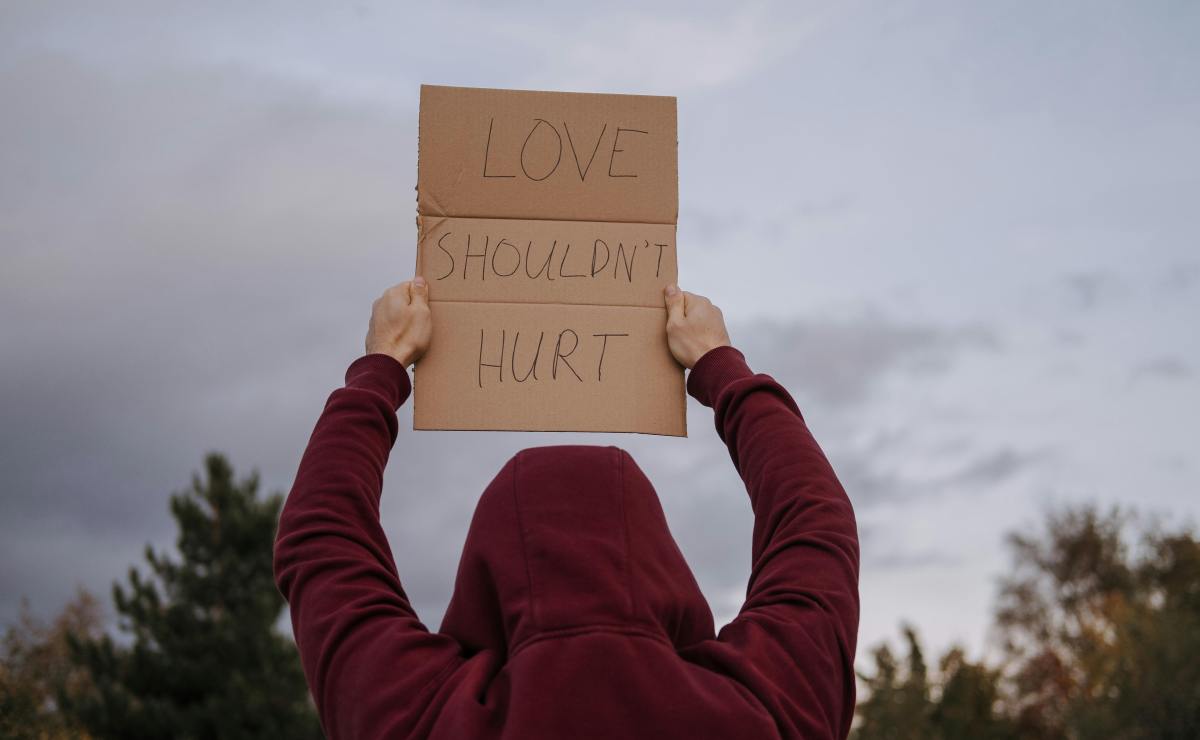
Data underscores the scale of the issue. The Centers for Disease Control and Prevention (CDC), through its National Intimate Partner and Sexual Violence Survey, estimates that roughly 42% of Latinas—equating to 7.6 million women—have experienced sexual violence, physical violence, or stalking by an intimate partner in their lifetimes. Furthermore, research highlights that domestic violence recurrence rates among Latinx couples can reach up to 59%, compared to 37% among white couples.
Immigrant survivors also face severe systemic barriers. According to a report by the nonprofit Esperanza United, while approximately one in three Latinas will experience intimate partner violence, Latina and Black women are statistically less likely to seek mental health services compared to white women. Heightened immigration enforcement creates an atmosphere of deep-seated fear, discouraging victims from contacting law enforcement or social services. Abusive partners frequently exploit this vulnerability, threatening deportation or the removal of children to maintain control. Studies of foreign-born Latina women reveal that many encounter difficulties accessing services due to missing documentation, a lack of healthcare insurance, historical racism, or language barriers.
Alicia Martínez and the Fight for Freedom
Despite these formidable obstacles, breaking free is possible. Alicia Martínez stands as a testament to the resilience required to overcome extreme gender-based abuse. A Mexican immigrant who crossed the border into Tijuana in 2001 hidden beneath the seats of a van, Martínez initially believed she was embarking on a genuine life with an American citizen she had met in Mexico.
Once in the United States, however, the reality of her situation shifted dramatically. She was isolated in empty houses without food or furniture for days at a time, subjected to unauthorized medical procedures, and eventually targeted by human trafficking schemes. Her escape came only when she managed to contact her sister from a locked office and simultaneously discovered paperwork proving her marriage was a sham, as her partner had never filed her spousal residency documents. By calling a USCIS helpline and explaining that she was being held captive without speaking English, she was successfully rescued by authorities.
Years later, after rebuilding her life and facing a second abusive relationship with a subsequent partner, Martínez turned to the legal system and organizations dedicated to supporting immigrant women. She pursued legal relief through the Violence Against Women Act (VAWA), a federal law designed to allow domestic violence survivors to self-petition for legal status independently of their abusers.
The Role of Advocacy and Legal Support
Organizations like Mil Mujeres, a nonprofit offering legal services and advocacy for survivors of gender-based violence, play a critical role in bridging the gap for vulnerable women. Johanna Fonseca, attorney and CEO of Mil Mujeres, emphasizes the necessity of a comprehensive approach to recovery.
Fonseca notes that because seeking help is profoundly difficult for survivors, organizations must provide tangible pathways forward, ranging from flexible payment plans and free services to emergency shelter coordination, English classes, and employment assistance. Furthermore, because a significant portion of the staff consists of first- or second-generation Latinx immigrants, these organizations often serve as an immediate safe space where survivors can find empathy alongside legal guidance.
Through the collaborative efforts of advocacy groups, consular support, and dedicated legal frameworks, Martínez ultimately secured her permanent legal residency in the United States. Today, she shares her journey publicly to encourage other women trapped in abusive situations.
As advocacy networks continue to expand resources across the country, leaders like Fonseca urge survivors to find courage despite their fears. Breaking the silence remains a demanding, complex process, but thousands of successfully rebuilt lives demonstrate that reclaiming safety, autonomy, and freedom is ultimately achievable.