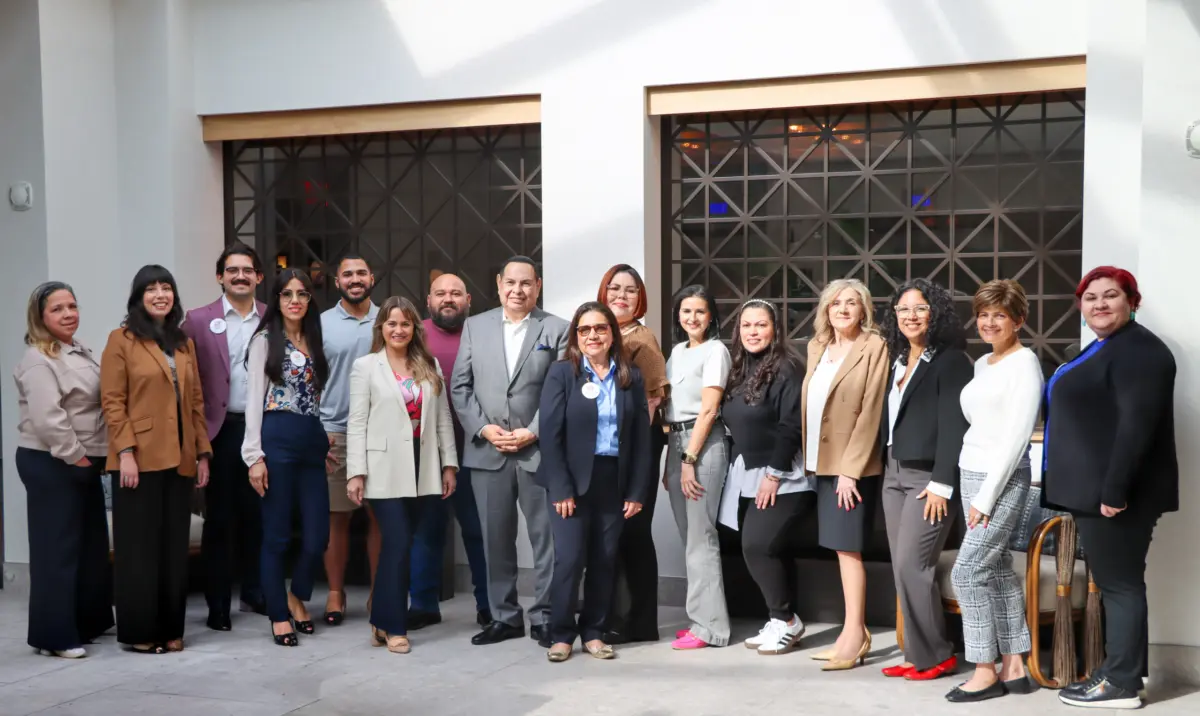


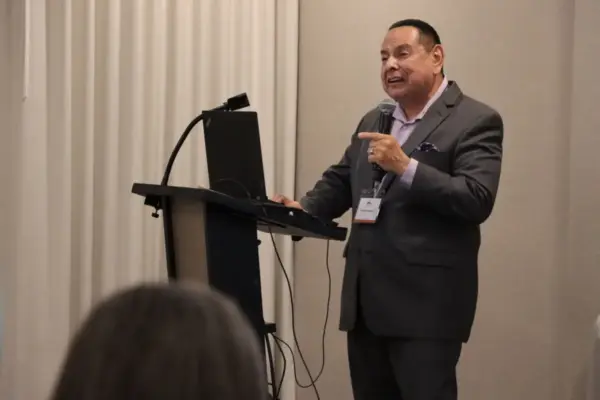









The Institute for Integration of Medicine & Science (IIMS), in collaboration with the UTSA College of Health, Community and Policy, has officially announced the recipients of the 2026 IIMS Community Engagement Small Project Grants program. Designed to bridge the gap between academic research and tangible public health benefits, this year’s initiative has awarded $5,000 grants to seven distinct community-academic partnerships across South Texas.
These collaborative projects span a diverse array of critical public health topics, ranging from men’s health and caregiver support to occupational safety, youth violence prevention, and nutritional equity. By funding newly developed and ongoing partnerships, the program empowers researchers, clinicians, students, and community organizers to tackle pressing health disparities at the grassroots level. The funded projects focus on critical phases of community-based public health work, including direct research and assessment, educational and training initiatives, and the effective dissemination and communication of research results, program features, and policy implications.
The announcement highlights a growing commitment among academic institutions in South Texas to work hand-in-hand with local organizations, ensuring that public health strategies are directly informed by the lived experiences and unique needs of the region’s diverse populations.
Addressing Youth Violence Through Art and Perspective
Among the recipients of the 2026 grant cycle is a project seeking to reframe the dialogue surrounding firearm-related injuries among young people. Titled “Arts for Justice: The Story of Firearm-related Violence from a Youth Perspective,” the project is led by Dr. Erika Brigmon of Trauma and Emergency General Surgery at UT Health San Antonio.
Dr. Brigmon has enlisted the collaboration of students Gabrielle Capesius and Lacy Lichtenhan from the UT Health San Antonio Long School of Medicine. By centering the perspectives of youth, the project aims to utilize creative expression to explore, understand, and communicate the complex human and societal impacts of firearm violence, translating academic and clinical insights into powerful public education and awareness tools.
Supporting the Hidden Workforce: Caregiver Self-Care Pods
Caregivers often experience high levels of physical, emotional, and psychological stress, frequently at the expense of their own well-being. To address this vital yet frequently overlooked population, Dr. Kristen Eom of the UT Health San Antonio Kate Marmion School of Public Health has teamed up with Ariel Gomez of the South Central Area Health Education Center and Juana Escareño.
Their project, “Pilot Implementation and Evaluation of Self-Care Pods for South Texas Caregivers,” introduces a targeted intervention designed to provide much-needed support resources. By combining academic public health expertise with community health leadership, the pilot initiative evaluates the feasibility and impact of dedicated self-care spaces and resources tailored specifically for caregivers navigating the demands of eldercare and family support in South Texas.
Bridging Nutrition and Oral Health in San Antonio Schools
Nutrition and dental health are deeply interconnected components of overall well-being, yet they are often addressed in isolation. A new interprofessional partnership aims to change this paradigm within the Edgewood Independent School District in San Antonio.
Dr. Moshtagh Farokhi of the UT Health San Antonio School of Dentistry is joining forces with Rebecca Smith of the San Antonio Food Bank for a hands-on collaborative initiative titled “Bridging Nutrition and Oral Health: An Interprofessional Hands-on Partnership of UT Health San Antonio School of Dentistry and the San Antonio Food Bank in Edgewood ISD.” This program brings together dental professionals and nutrition experts to educate students and families, demonstrating how dietary habits directly impact oral health and laying the groundwork for lifelong healthy practices in local schools.

Leveraging Artificial Intelligence to Combat Childhood Lead Poisoning
Environmental hazards continue to pose significant threats to vulnerable populations, particularly children living in older housing stock. Tackling one of the most persistent environmental health concerns in the region, a multidisciplinary team is bringing advanced technology to bear on an old problem.
Dr. Emmanuel Iyiegbuniwe and Dr. Leanne Fawkes of the UT Health San Antonio Kate Marmion School of Public Health are collaborating with Dr. Ibukun Awolusi and Dr. Kristin Brown of the UTSA Department of Civil and Environmental Engineering and Construction Management. Their project, “AI-Driven Environmental Assessment and Spatial Data Analysis to Predict and Prevent Childhood Lead (Pb) Poisoning in San Antonio,” utilizes spatial data analysis and artificial intelligence to identify high-risk areas, predict exposure risks, and help local authorities prevent childhood lead poisoning before it impacts young lives.
Amplifying the Lived Experience of Latina Domestic Workers
Domestic workers perform essential labor within private households, yet they frequently face unique occupational hazards, underreporting of workplace injuries, and limited access to health resources. A new qualitative and epidemiological project aims to bring these challenges to light.
Ana Pineda Reyes, a student and trainee at the UT Health San Antonio Kate Marmion School of Public Health, is leading a collaboration alongside Araceli Herrera of Domesticas Unidas, alongside Dr. David Gimeno Ruiz de Porras and Dr. Marvin González Quiroz from the UT Health San Antonio Kate Marmion School of Public Health. Their project, “The Lived Experience of Occupational Exposure Among Latina Domestic Workers in San Antonio,” centers the voices and daily realities of Latina domestic workers to better understand occupational health risks and inform future protective policies.
Investigating Wound Pathogens and Antimicrobial Resistance
Public health crises involving substance use require targeted, community-based surveillance and harm reduction strategies. Addressing a critical gap in local health data, a specialized team has launched a prospective study in Bexar County.
Led by Terri Murphy-Sanchez of the UT Health San Antonio Division of Medical Laboratory Sciences, the research team includes Nima Shariatzadeh of the Bexar Area Harm Reduction Coalition, alongside Dang Nguyen, Ananya Gupta, and Kathleen Ready from the UT Health San Antonio Long School of Medicine. Their study, “Wound Pathogens and Antimicrobial Resistance in People Who Inject Drugs in Bexar County: A Prospective Community-Based Study,” seeks to gather essential epidemiological data regarding wound care complications and resistance patterns, directly aiding local harm reduction and clinical response efforts.
Promoting Health Engagement and Empowerment Among Men in South Texas
Men, particularly in minority and underserved communities, often experience lower rates of healthcare utilization and face unique barriers to health education and preventative care. To address these disparities, a collaborative team has developed a specialized initiative focused on male health empowerment.
Martha Castilla of the South Texas AHEC Programs is collaborating with Dr. Eduardo Gandara Garcia of the UTSA College for Health, Community, and Policy, and Dr. Danet Lapiz Bluhm of the UT Health San Antonio School of Nursing. Their project, “Hombres West: A Community-Academic Partnership Towards Health Engagement and Empowerment of Men in South Texas,” is designed to engage men directly within their communities, fostering open conversations about health, wellness, and preventive care.
Understanding and Driving Community Health
The launch of these seven projects underscores a broader truth about public health: sustainable change relies on community awareness, active participation, and data-driven advocacy. Residents interested in exploring the health landscape of their own neighborhoods can access local data through public health resources, such as the Salud America! Health Report Card. These tools allow individuals to examine local metrics related to healthcare access, education, housing, and transportation, comparing regional performance against state and national benchmarks to support informed community advocacy and dialogue.