




By Anna Ortega
September 16, 2026
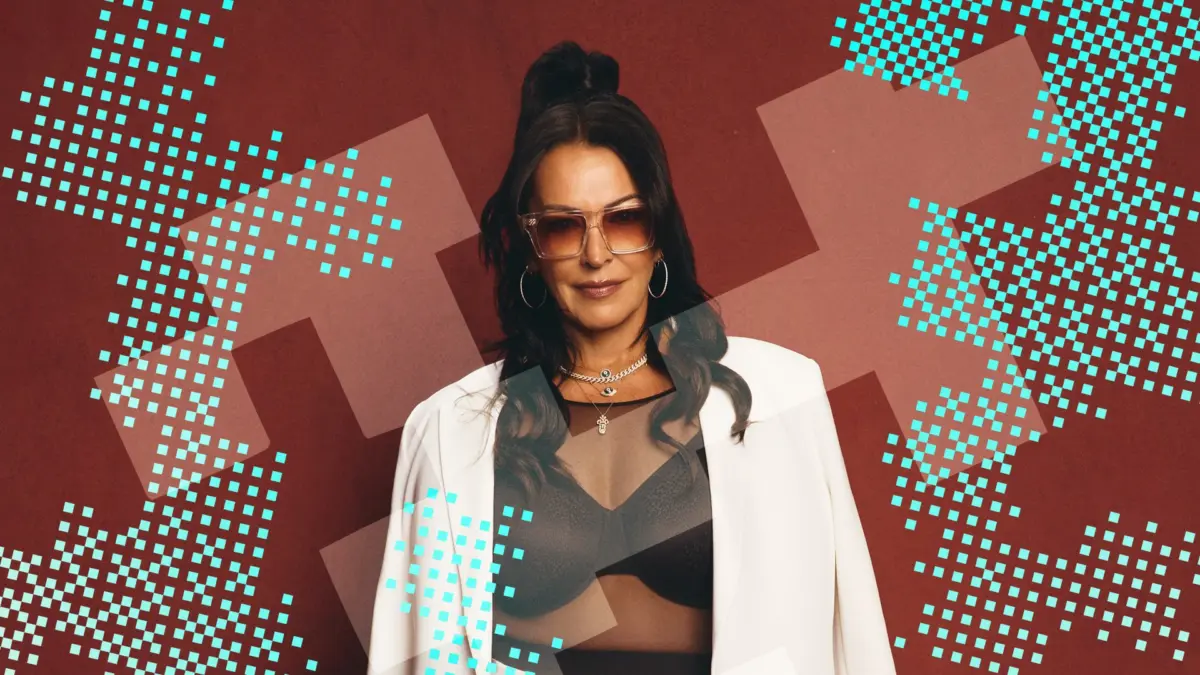
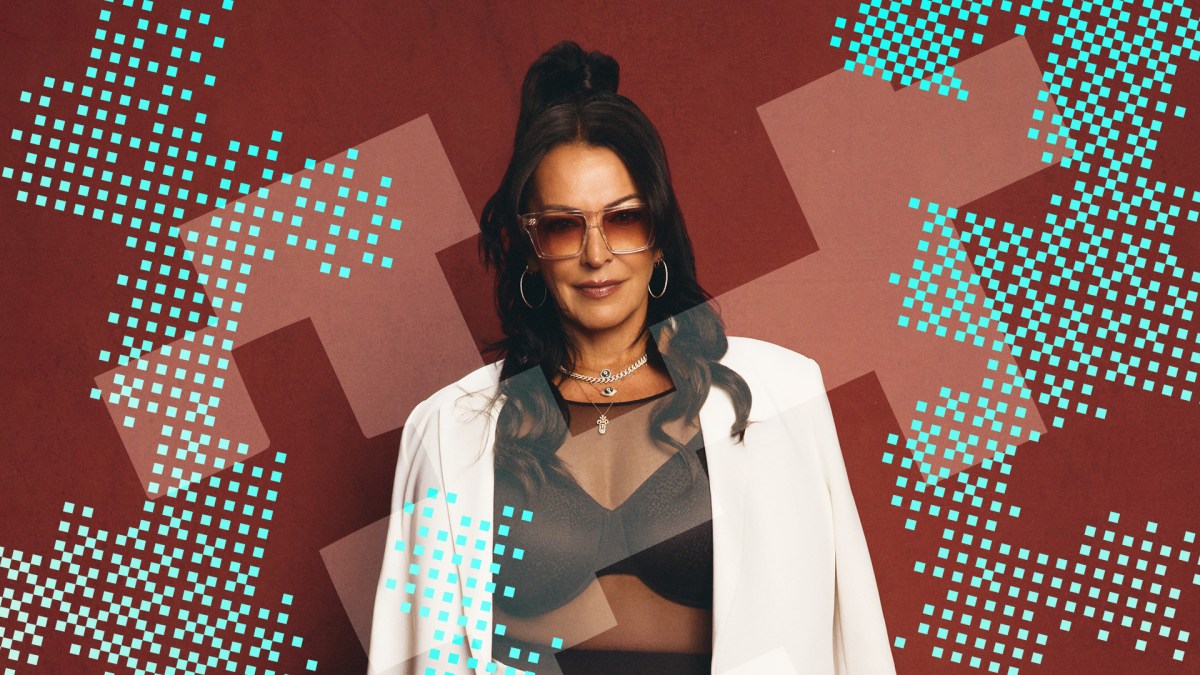
Have you ever applied makeup with a Beautyblender? If so, you can thank Mexican-American makeup artist and founder Rea Ann Silva for creating the iconic sponge that forever changed the way the world applies foundation.
Born in Los Angeles in 1961, Silva grew up in a working-class Latine family and carved a path as a trailblazer long before she ever touched a makeup brush professionally. She was the first person in her immediate family to attend college, pursuing her passion for design and commerce by enrolling in Los Angeles’s prestigious Fashion Institute of Design and Merchandising in the 1980s. Initially setting her sights on the fashion world, her career trajectory shifted when she took a job working the cosmetics counter at a local department store. This routine retail position opened her eyes to the vibrant possibilities of the cosmetic arts, sparking a transition that would lead her away from fashion retail and directly into the fast-paced, high-pressure world of professional makeup artistry for television and film sets across the sprawling landscape of Los Angeles.
During these formative years of her career, Silva built an impressive and diverse portfolio, working extensively on music video sets for some of the biggest names in the entertainment industry. Her brush skills were trusted by legendary musical acts and cultural icons such as Brandy, Dr. Dre, Eve, Rod Stewart, and Tupac Shakur. In addition to her massive footprint in the music video scene, she transitioned seamlessly into feature films, lending her expertise to memorable cinematic projects including the classic comedies and dramas Friday and Set It Off. Her undeniable talent, reliability, and artistic vision soon caught the attention of television producers, eventually landing her the coveted role of lead makeup artist for popular television series like Moesha and Girlfriends. It was on these bustling television sets where everything ultimately clicked, setting the stage for a beauty revolution.
At the time Silva was working on the set of Girlfriends, traditional airbrush makeup was firmly established as the industry standard for television production. However, airbrushing presented significant daily challenges for beauty professionals. It frequently took too much valuable production time to apply and touch up, and it often looked heavy, cakey, and unnatural by the time cameras stopped rolling at the end of a long shooting day. The stakes were raised even higher because Girlfriends happened to be the very first television show shot, produced, and broadcast in high definition. This technological leap meant that every single imperfection, texture, and heavy layer of product would be glaringly visible to television audiences. Silva knew immediately that she needed a vastly more precise, seamless, and reliable way to apply foundation that could withstand the unforgiving scrutiny of high-definition lenses.
Driven by necessity and her deep practical knowledge of on-set cosmetic challenges, Silva began experimenting with ordinary foam right there on the studio lot. She cut the foam into various unconventional shapes and sizes, meticulously testing them under studio lighting to see what worked best for facial contours, blending, and flawless coverage. Through this hands-on trial-and-error process, she ultimately landed on a distinctive, egg-shaped sponge. The unique three-dimensional egg shape allowed for absolute accuracy, making it effortless to reach the contours of the face, blend liquid formulas seamlessly into the skin, and eliminate harsh lines without absorbing excess product.
The finished product was an instant, overwhelming hit among the talent—so much so that actors and fellow professional makeup artists working on the set started discreetly stealing them from her kit. It was during these moments of high demand and missing tools that Silva finally realized her ingenious creation possessed massive commercial potential far beyond the confines of a Hollywood television studio. That pivotal realization planted the seed for what would become a global enterprise. By 2008, the Beautyblender was officially packaged and sold directly to everyday consumers, bringing professional-grade application techniques out of the studio and into the mainstream beauty market.
As consumer demand grew through word-of-mouth and professional endorsements, major beauty retailers took notice of the phenomenon. Renowned beauty authority Sephora began proudly carrying the iconic pink sponge on its shelves in 2012, followed six years later by retail giant Ulta in 2018, and the rest is history. What started as a humble piece of cut-up foam on a television set transformed into an industry-wide staple, completely disrupting traditional makeup application tools and spawning countless imitators across the global cosmetic market.
The cultural and economic impact of Silva’s entrepreneurial journey has not gone unrecognized by major historical institutions. In 2021, the prestigious Smithsonian National Museum of American History officially named Silva one of America’s most successful women entrepreneurs, cementing her legacy in the cultural fabric of the United States. Today, the Beautyblender remains firmly established as one of the beauty industry’s absolute favorite and most enduring tools, celebrated universally for its unparalleled efficiency, versatility, and flawless finish.
Reflecting on her creative roots and the rich cultural tapestry that shaped her artistic perspective, Silva attributes much of her design philosophy to her heritage. “Being Latina showed me everything from minimalist to maximalist,” Silva said in a press release celebrating her journey and cultural background. “I think our culture really gives permission to do either or. You have such a wide range of beauty… We’re colorful people.”
This feature is part of the ongoing 2026 Latina Heritage Month series, Latina Maxxing, which highlights extraordinary women who have transformed industries, broken barriers, and left an indelible mark on culture and commerce.