











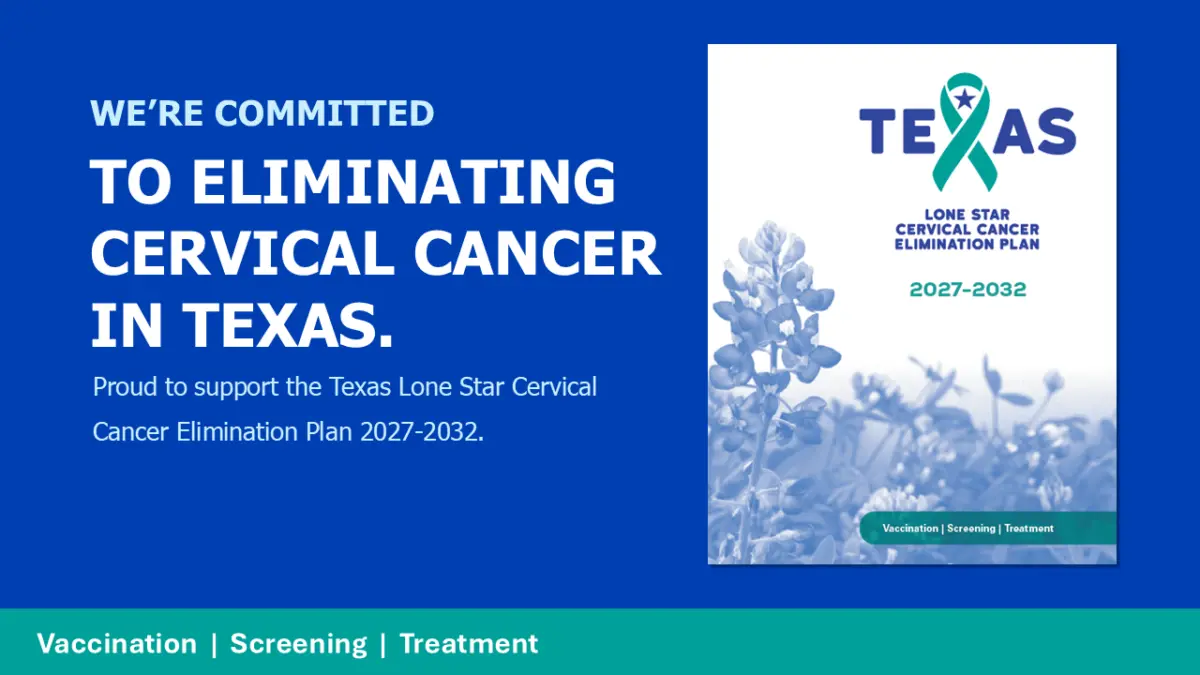
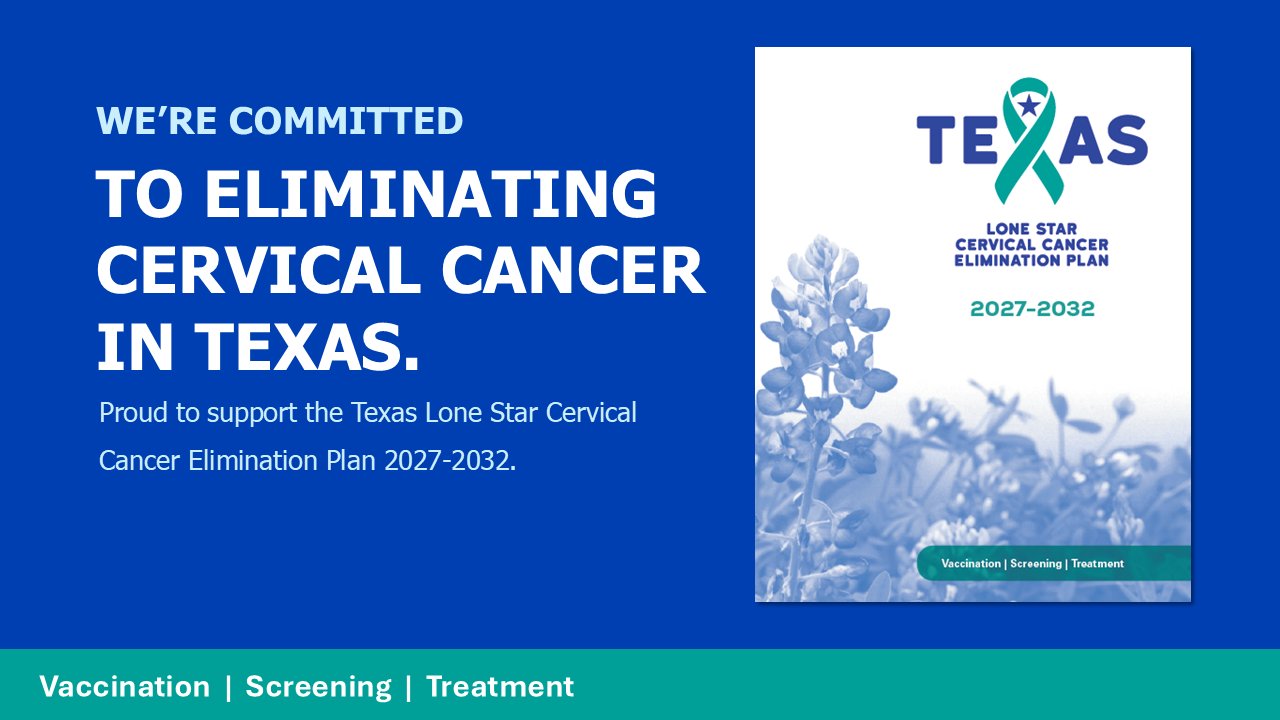
Texas stands at a critical healthcare crossroads, holding both a heavy burden of preventable disease and a unique opportunity to eradicate cervical cancer as a public health threat. According to the newly released Texas Lone Star Cervical Cancer Elimination Plan 2027-2032, achieving this milestone will require a synchronized statewide effort centered on widespread human papillomavirus (HPV) vaccination, routine clinical screenings, timely follow-up care, and robust patient navigation services.
The comprehensive framework was developed under the guidance of the Cervical Cancer Elimination Priority Area Workgroup and receives strong backing from the Cancer Alliance of Texas. Among the experts shaping the initiative is Dr. Rebecca Jones, assistant director of the Institute for Health Promotion Research at UT Health San Antonio.
"Texas has the tools to prevent nearly all cervical cancers, but elimination will require coordinated statewide action, sustained partnerships, and tailored and targeted strategies," the plan emphasizes. By addressing systemic hurdles and leveraging the state’s existing medical infrastructure, public health advocates believe the Lone Star State can drastically alter the trajectory of a disease that continues to impact thousands of families.
Why Cervical Cancer and Texas?
Cervical cancer occupies a frustrating paradox in modern medicine: it is almost entirely preventable through vaccination and early detection, yet it remains a persistent and deadly health crisis. The situation is particularly acute in Texas, which currently records the eighth-highest incidence rate and the sixth-highest mortality rate for cervical cancer in the United States.
Public health experts point to a complex matrix of factors driving these alarming statistics. Texas features a massive geographic footprint encompassing vibrant urban centers, vast rural expanses, and dynamic border communities, all paired with some of the highest uninsured rates in the nation. Furthermore, cross-border healthcare utilization, fragmented continuity of care, and fractured health records across disparate medical systems frequently create dangerous delays in screening and follow-up treatment. Tracking vaccination histories and monitoring ongoing care remains a significant logistical hurdle for providers operating across these divided networks.
Despite these daunting obstacles, Texas possesses formidable assets that position it well for systemic change. The state benefits from a deeply collaborative network of academic institutions, clinical centers, public health agencies, and community stakeholders unified under the Cancer Alliance of Texas. Additionally, prevention efforts are anchored by a robust statewide infrastructure supported by the Cancer Prevention and Research Institute of Texas, providing a strong foundation for the new elimination roadmap.
Boost HPV Vaccination Rates
At the vanguard of the strategic plan is a major push to dramatically increase human papillomavirus vaccination coverage across the state. The primary objective is to elevate the percentage of Texas adolescents—both boys and girls up to age 15—who are fully up to date on their HPV vaccinations from the current baseline of 50.5% to an ambitious 80%.
Meeting this target requires multi-pronged interventions tailored to diverse populations. Strategic approaches include embedding clinical reminder systems within pediatric and family practice offices, bolstering grassroots community outreach and educational campaigns, and expanding vaccine administration into non-traditional settings where families already congregate.
Public health advocates emphasize that preventing infections early in life remains the single most effective shield against future malignancies. "No Texan should suffer from or lose their life to cervical cancer if we could prevent it," said Ludivina Hernández, a community outreach coordinator and cervical cancer survivor. "Early detection, screening, and vaccination can prevent unnecessary suffering and save lives."
Elevate Cervical Cancer Screening
The second major pillar of the Texas Lone Star Cervical Cancer Elimination Plan focuses on expanding and modernizing routine cervical cancer screening protocols throughout the state. Healthcare leaders note that increasing screening numbers requires confronting the logistical and financial barriers that keep vulnerable populations from accessing preventive care in traditional clinical environments.
To bridge these gaps, the plan urges healthcare systems and public health agencies to adopt primary HPV testing and HPV self-collection as standard, accessible options for all eligible Texans, extending these vital services beyond standard clinic walls. However, simply handing out tests is not enough; comprehensive navigation support is viewed as essential to ensure individuals complete the screening process.
"Reducing barriers to cervical cancer screening includes not only improving access to screening but also ensuring that individuals can successfully complete screening, receive their results in a timely and understandable manner, and access recommended follow-up care," the plan states. Ensuring that patients understand their results and do not slip through the cracks of a complex medical system is vital to catching cellular changes before they develop into invasive cancer.
Increase Cervical Cancer Diagnosis and Treatment
The final core component of the framework addresses the critical juncture between screening, diagnosis, and treatment. Ensuring that individuals who receive abnormal screening results are swiftly guided to appropriate diagnostic confirmation and medical care is paramount to eliminating cervical cancer as a deadly disease.
The plan establishes a clear benchmark: ensuring that 80% of women who require diagnostic follow-up and treatment receive timely care. Achieving this high standard demands an integrated network of community outreach, dedicated patient navigation, comprehensive provider training, and robust survivorship support systems.
To turn this goal into reality, health experts stress the necessity of implementing coordinated, multilevel programs. "Multicomponent programs bring together the critical elements needed to overcome these challenges, including community outreach and education, patient navigation, provider training, and strong clinical partnerships," said Dr. Rose Gowen, faculty associate at the UT Health Houston School of Public Health Brownsville Regional Campus. By bridging the gaps between local communities and specialized medical centers, the state hopes to eliminate the delays that frequently turn treatable precancerous conditions into life-threatening diagnoses.
Looking Toward the Future
As healthcare providers, policymakers, and community advocates begin implementing the 2027-2032 strategy, the overarching focus remains on continuous evaluation and adaptation. Public health leaders stress that turning the tide against cervical cancer requires building a responsive infrastructure that learns from real-world outcomes and scales successful innovations across every region of the state.
"By continuously evaluating outcomes, adapting strategies, and investing in evidence-based innovations, Texas can build a learning health system capable of accelerating progress toward the elimination of cervical cancer as a public health problem," the plan concludes.