










Navigating the public healthcare system has long been an intricate and often frustrating challenge for individuals and families across the United States. Piled high with complex acronyms, dense legal terminology, and medical jargon, bureaucratic systems frequently present steep barriers for everyday people. This lack of clear, accessible information becomes even more pronounced for individuals with disabilities, neurodivergent patients, and non-English-speaking communities who rely heavily on clear communication to understand their rights and options.
The consequences of these systemic barriers are far-reaching. When information is difficult to parse or interpret, vulnerable
individuals frequently face administrative hurdles that lead to them being inadvertently dropped from essential healthcare coverage. Disruptions in insurance often result in missed medical appointments, delayed treatments, skipped prescription medications, and unmanaged chronic conditions. For families juggling multiple dependents or caring for individuals with complex medical needs, the administrative burden can quickly become overwhelming.

Compounding these longstanding challenges, the landscape of public healthcare is undergoing significant transformations. Eligibility requirements, coverage guidelines, and renewal processes for critical safety-net programs like Medicaid and Medicare are shifting. These sweeping changes mean that millions of Americans—and particularly diverse, low-income communities—must closely monitor their status to prevent lapses in coverage. Proponents of public health equity emphasize that keeping individuals continuously enrolled in their insurance plans is essential to ensuring they receive the preventative care and ongoing treatments necessary to maintain long-term health and well-being.
To address these pressing challenges at the community level, Texas-based private service providers are stepping up to offer practical assistance. Organizations such as Clave Pro Services are working to bridge the information gap by providing a range of bilingual support tools designed to help Texas families navigate public benefits systems. By focusing on the most common administrative scenarios beneficiaries encounter, these initiatives aim to demystify public healthcare policies and empower families to advocate effectively for their coverage.
Bilingual Texas Public Healthcare Scripts
To combat the confusion surrounding shifting policies, Clave Pro Services has developed a series of free, bilingual beneficiary scripts. These resources are designed to help Spanish- and English-speaking families better understand the policy changes that may impact their health insurance coverage and provide actionable ways to address potential administrative roadblocks.

The printable scripts are tailored to navigate a variety of complex situations that commonly impact healthcare beneficiaries. These include scenarios affecting overall coverage continuity, maintaining strict eligibility criteria, evaluating plan affordability, and managing communications with state agencies. By providing clear wording and structured guidance in both English and Spanish, the initiative aims to remove language barriers that often prevent families from resolving disputes or completing mandatory renewals on time.
Access to these practical tools can make a significant difference for households trying to stay ahead of bureaucratic deadlines. Families and community advocates can access and download the free bilingual scripts directly through the Clave Pro Services website. Additional information regarding benefits appeals, eligibility guidelines, and support services is also available online for those seeking a deeper understanding of their rights within the Texas public healthcare framework.
Improve Health in Your Community
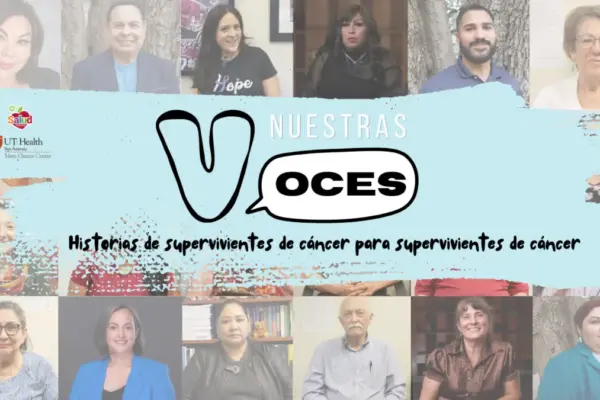
Understanding individual health coverage is only one piece of the broader public health puzzle. True community well-being also depends heavily on the environmental, economic, and social conditions that shape daily life. To help communities evaluate these broader factors, organizations like Salud America! provide localized data tools designed to spotlight health disparities and drive local advocacy.

Through the use of interactive health report cards, residents, community leaders, and advocates can access comprehensive data specific to their local counties. These reports feature interactive maps and comparative gauges that measure critical indicators across multiple sectors, including education, housing, transportation, food access, and general healthcare. By visualizing this data, community members can easily see how their local county stacks up against state and national averages.
Armed with this localized evidence, residents can take proactive steps to advocate for meaningful change. The report cards can be shared via email with local policymakers, incorporated into grant proposals, presented at community meetings, or distributed across social media platforms to raise awareness. By connecting individual healthcare access with broader community-level indicators, residents gain a more comprehensive view of the factors influencing health equity across Texas and the nation.