











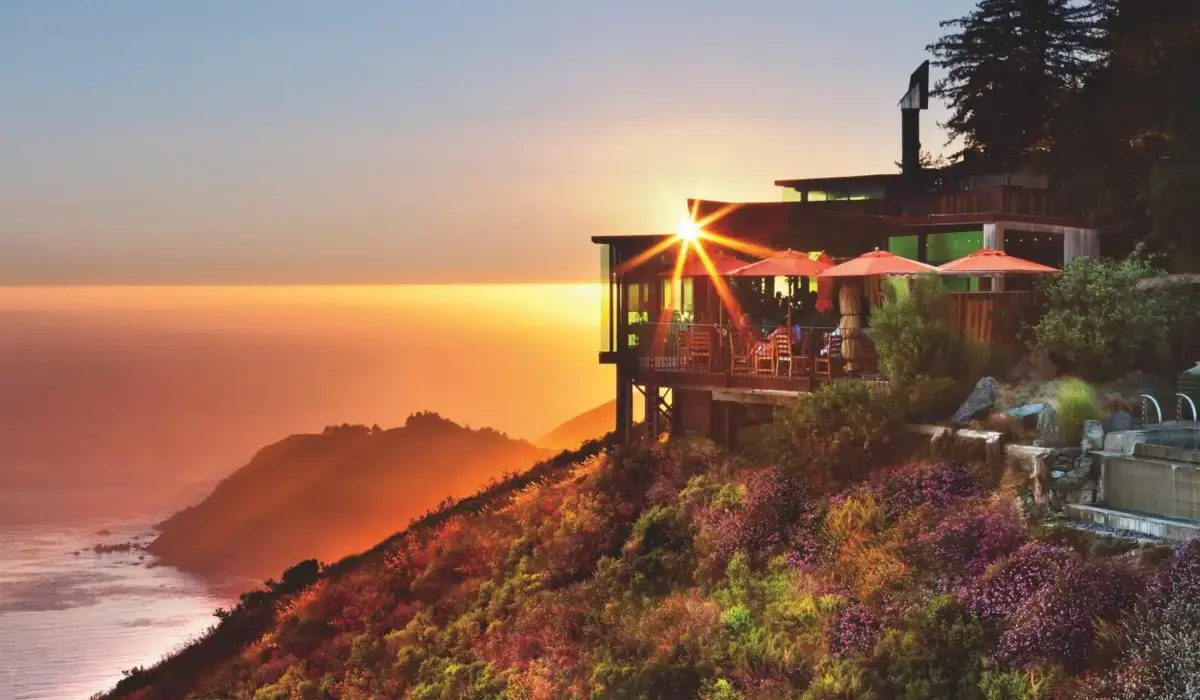
It is a brilliant fall day on Carter’s Creek in Irvington, Virginia, and a small group is hauling heavy baskets of fresh oysters from the brackish, glistening waters. They are not seasoned Chesapeake watermen earning a living on the historic bay; rather, they are guests of the Tides Inn, participating in an immersive coastal experience. For them, this hands-on harvesting is the best way they know to press pause on the relentless noise of their everyday lives, disconnect from digital distractions, and be fully present in a distinct place and time. Meanwhile, thousands of miles away in the dappled, golden light of a Big Sur, California, forest, a solitary meditator takes in deep lungfuls of crisp eucalyptus and salty ocean air, finding tranquility beneath towering coastal redwoods. Just yards away, at the base of a sprawling live oak, sits a freshly foraged frilled chanterelle mushroom, carefully gathered and destined for the dinner table that very evening at the Post Ranch Inn’s award-winning restaurant, where local terroir meets high-end gastronomy.
These vivid scenes capture a profound shift currently reshaping the hospitality industry. A new generation of travelers is eager to hit the road, check into premier destinations, and actively destress, but they are doing resorts entirely on their own terms. Modern travelers no longer seek passive relaxation or cookie-cutter luxury. Instead, they demand authenticity, experiential connection, and a deep sense of place, all without having to compromise when it comes to world-class cuisine or rich cultural engagement. Whether a traveler’s ultimate escape involves pulling seafood from an East Coast creek or meditating beneath ancient trees on the rugged Pacific coast, the modern resort landscape has evolved to meet these nuanced desires, proving that luxury and genuine experiential travel can coexist seamlessly.
The modern appetite for meaningful travel reflects a broader cultural pivot toward wellness, mindfulness, and sustainability. For decades, high-end travel was largely defined by opulence, seclusion, and standardized luxury amenities—sprawling golf courses, marble-clad lobbies, and uniform service styles that could be found anywhere from the Caribbean to the Mediterranean. Today, however, discerning guests are looking past superficial markers of wealth and status in favor of transformative experiences that ground them in the local environment. Properties like the Tides Inn and the Post Ranch Inn are at the forefront of this movement, bridging the gap between high-end hospitality and grassroots regional culture. By inviting guests to participate directly in the rhythms of the local ecosystem—whether through oyster harvesting on the water or mushroom foraging in the forest—these destinations transform a standard hotel stay into a memorable, participatory journey.
This evolution is driven largely by younger demographics of travelers who view vacations not merely as a break from work, but as an essential component of personal well-being and self-discovery. These travelers are intensely conscious of their impact on the destinations they visit and are increasingly drawn to properties that honor local heritage and environmental conservation. They want to taste the authentic flavors of a region, prepared by chefs who source ingredients from nearby waters and forests, and they want to engage with local traditions rather than observing them from a distance. Consequently, the contemporary resort experience has become deeply personalized. Whatever a traveler’s definition of an ultimate escape looks like—be it a secluded coastal retreat, a mountain sanctuary, or a rustic woodland hideaway—there is now a resort tailored specifically to that vision.
Yet, even as the rewards of travel become more enticing, the mechanics of planning a vacation can often induce their own form of anxiety. In an era marked by an overwhelming abundance of choices, conflicting online reviews, and complex booking platforms, the process of orchestrating the ideal getaway can feel daunting. The planning part, travelers frequently find, does not have to be stressful either, provided they approach the process with the right strategies and insider knowledge. Industry professionals note that the key to a frictionless vacation lies in preparation, clear communication with resort concierges, and an openness to unexpected, localized programming that properties curate for their guests. To help travelers navigate this landscape, hospitality experts have assembled a comprehensive set of pro tips designed to streamline the planning process and ensure that the eventual experience is unequivocally worth the journey.
Chief among these professional recommendations is the importance of aligning a resort’s specific offerings with personal travel goals well in advance of arrival. Because modern resorts offer such a diverse array of specialized activities—ranging from marine biology excursions and foraging tours to advanced wellness retreats and culinary masterclasses—securing a spot in these curated experiences often requires early planning. Guests who communicate their preferences to the resort prior to check-in frequently find that properties are exceptionally accommodating, tailoring itineraries to individual interests whether those involve outdoor adventure, quiet contemplation, or gastronomic exploration.
Furthermore, travel experts emphasize the value of embracing the unpredictable elements of regional travel. Just as the guests on Carter’s Creek must contend with the natural tides and weather of the Chesapeake bay, and the meditator in Big Sur must adapt to the coastal fog and forest microclimates, contemporary travelers find the most rewarding moments occur when they step outside their comfort zones and lean into the authentic environment of their destination. By relinquishing rigid schedules and allowing the natural pace of the locale to dictate the rhythm of the day, visitors can achieve a true psychological reset.
Ultimately, the changing face of resort travel points to a permanent shift in what people value most when they leave home. As properties continue to innovate and respond to the demands of a generation that seeks both relaxation and enrichment, the traditional boundaries between luxury accommodation and authentic local living will continue to blur. The modern resort is no longer an isolated bubble divorced from its surroundings, but rather a gateway to them. By combining effortless comfort with immersive, place-based activities, destinations across the country are proving that the best escapes are those that leave guests not only refreshed, but deeply connected to the world around them.