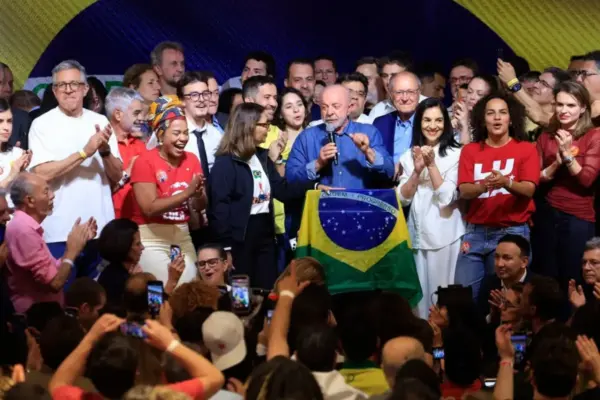








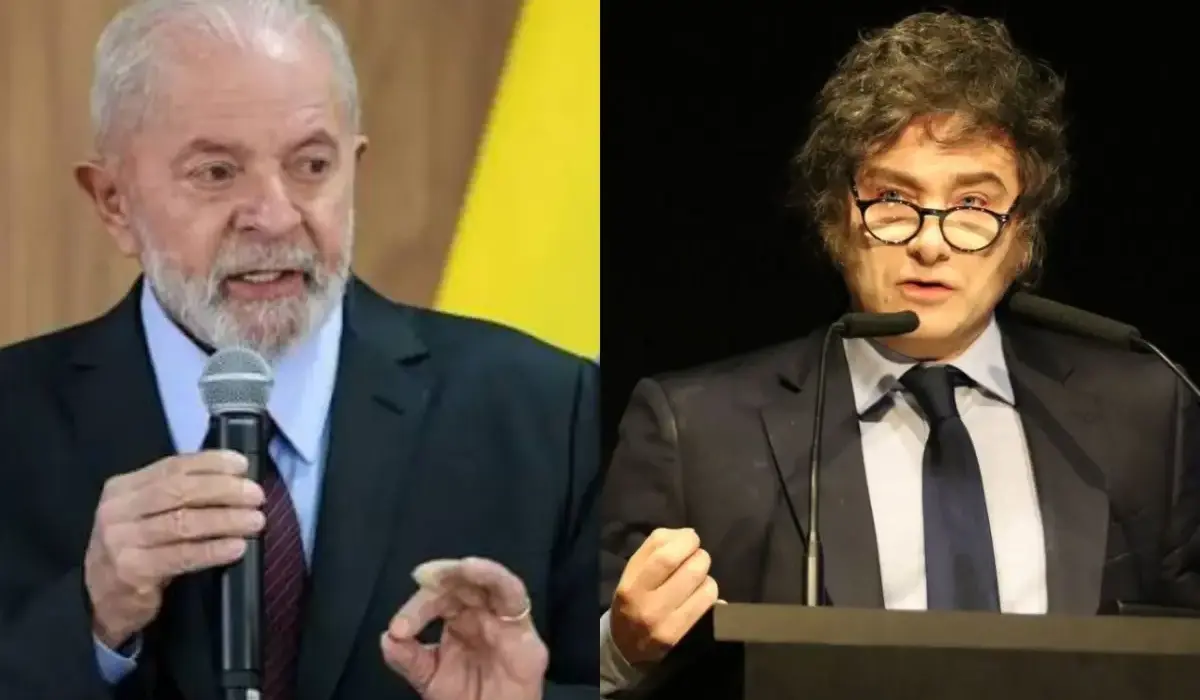
While regional governments and international allies rushed to acknowledge the outcome, the aftermath of the vote was immediately marked by stark geopolitical divides. Several right-wing politicians from across Latin America who had actively opposed Lula’s candidacy surprised observers by extending formal congratulations. However, prominent populist figures, most notably Argentine President Javier Milei and United States President Donald Trump, maintained a conspicuous silence, reflecting deep ideological rifts and ongoing diplomatic strains within the Western Hemisphere.
According to the official election results, Da Silva captured 51.8% of the valid vote, successfully edging out his challenger, far-right Senator Flávio Bolsonaro of the Liberal Party (PL). Senator Bolsonaro, who secured 48.2% of the vote, is the son of jailed former Brazilian president Jair Bolsonaro, who governed the nation from 2019 to 2022. The runoff result represented a stunning turnaround for the incumbent president, who had finished behind his rival in the general election, trailing with 45% of the vote compared to Bolsonaro’s 47%.
The dramatic shift in momentum caught many political analysts off guard, sparking intense debates regarding voter mobilization and campaign strategies in the final stretch of the race. Yet, rather than ushering in a smooth transition toward national unity, the certified outcome triggered immediate legal challenges and allegations of institutional bias from the defeated camp.
Shortly after the electoral authority confirmed the final tally, Senator Bolsonaro announced that he would refuse to recognize the results. Declaring his intention to contest the outcome, Bolsonaro stated that his legal team would formally petition for the election to be annulled. He based his challenge on accusations that the Federal Supreme Court had illicitly altered the rules of the electoral process midway through voting operations.
The controversy stemmed from a critical administrative decision made on election day. Authorities extended voting hours, pushing the originally scheduled closing time from 5 p.m. to 7 p.m. Electoral officials defended the extension as a necessary measure to accommodate voters facing severe disruptions, including public transportation breakdowns across multiple states, as well as torrential rainfall and severe flooding that battered parts of the country’s northeast region. Despite these justifications, the adjustment became the focal point of the opposition’s campaign to discredit the legitimacy of the vote.
Despite the domestic friction, the international community largely moved to stabilize diplomatic engagement by welcoming the outcome. A broad spectrum of Latin American leaders, including several prominent conservative figures, set aside ideological differences to recognize the democratic mandate. Among those acknowledging Lula’s triumph were right-wing figures such as Peru’s Keiko Fujimori, Colombia’s Abelardo De La Espriella, Paraguayan President Santiago Peña, and Chile’s José Antonio Kast.
Messages of solidarity and cooperation poured in across digital platforms. Mexican President Claudia Sheinbaum took to the social media platform X to celebrate the result, writing, "Long live democracy! The Brazilian people have won. Congratulations, President Lula!" Similarly, Uruguay’s Yamandú Orsi warmly referred to Lula as a friend, noting that he had reached out to congratulate him on both his victory and the broader "celebration of democracy that an election represents."
Ecuadorian President Daniel Noboa also joined the chorus of congratulatory voices, emphasizing the shared destiny of the continent. Noboa remarked that South America shares "common enemies, shared challenges, and much to gain when we work together." Paraguayan President Santiago Peña echoed these sentiments in his own statement on X, highlighting that Paraguay and Brazil share "a common agenda of integration and development" and pledging to continue working collaboratively for the well-being of their citizens.
The recognition extended well beyond Latin America’s borders, reflecting Brazil’s significant geopolitical weight. European Commission President Ursula von der Leyen and Spanish Prime Minister Pedro Sánchez both offered their formal congratulations to Da Silva, signaling a desire to maintain strong transatlantic partnerships. In addition, former Argentine President Cristina Fernández added her voice to the global acclaim, praising Lula for his ability to "inspire in your compatriots the passion and determination needed to win this battle."
Milei and Trump remain silent
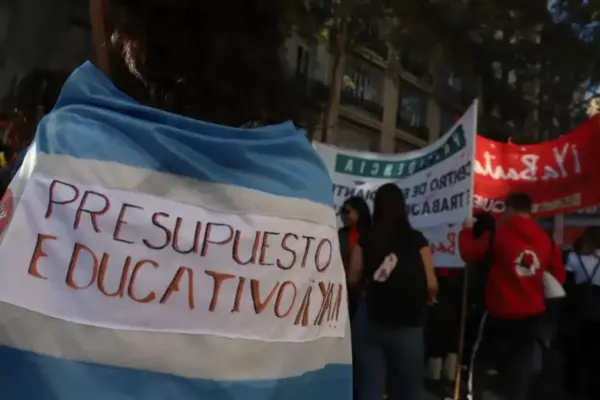
The notable exceptions to the wave of international recognition came from Buenos Aires and Washington. Argentine President Javier Milei stood alone among South American heads of state in his refusal to publicly congratulate Da Silva on his reelection. Simultaneously, United States President Donald Trump, a long-standing political ally of the Argentine leader, also refrained from issuing any public commentary regarding the electoral outcome in Brazil.
The silence from the Casa Rosada and the White House underscores a deeply strained relationship between Argentina and Brazil under their current administrations. Milei and Da Silva have engaged in a protracted and public diplomatic feud since the Argentine libertarian took office. The friction reached a boiling point last July when Milei traveled to Brazil to make a high-profile appearance in support of Flávio Bolsonaro’s presidential ambitions.
During a fiery campaign launch event, Milei launched direct and severe verbal attacks against the Brazilian president. Without explicitly naming him in every instance, the Argentine leader referred to Da Silva as a "thief," a "former convict," and a "totalitarian," igniting an immediate diplomatic crisis between the two neighboring economic powerhouses.
The incendiary remarks prompted an immediate and severe reaction from Brasília. Brazil’s Foreign Ministry took the rare diplomatic step of recalling its ambassador to Buenos Aires for consultations, while simultaneously summoning Argentina’s envoy in Brasília to demand a formal explanation for the insults leveled by the head of state.
As President Lula prepares to embark on his fourth term at the head of the largest nation in Latin America, the unresolved tensions with key regional neighbors like Argentina point to a complex geopolitical landscape ahead. While domestic legal challenges regarding the electoral process weave their way through the courts and international allies realign their diplomatic postures, the Brazilian leader faces the dual challenge of consolidating his domestic mandate and navigating an increasingly polarized international arena.