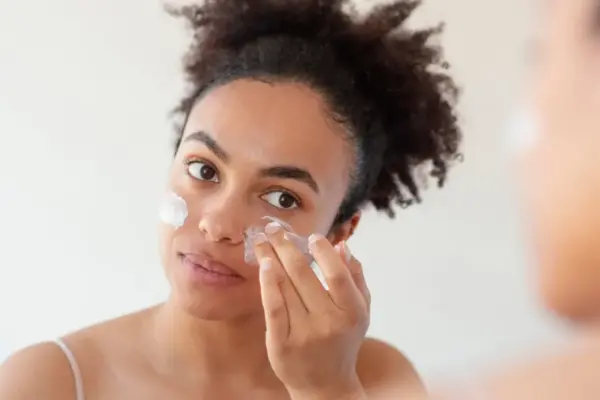












If you have spent any time scrolling through beauty feeds and skincare posts lately, chances are you have encountered the acronym PDRN. As it keeps popping up in routine videos and product reviews, you might find yourself wondering what exactly it is and whether it deserves a coveted spot on your vanity. The ingredient itself is not entirely new to the scientific community, but its recent surge in topical beauty products continues to raise plenty of questions among consumers. Starting with one of the most common reactions: does it really come from salmon sperm?
The short answer is yes. PDRN stands for polydeoxyribonucleotide, which is a complex mix of purified DNA fragments frequently extracted from the sperm of salmon or trout. While that revelation might cause a momentary pause, beauty enthusiasts can breathe easy knowing that over-the-counter serums contain highly processed, purified DNA rather than raw biological material. Before it ever became a viral beauty talking point across social media platforms, researchers spent years studying PDRN for its potential in tissue repair and wound healing. This body of scientific work included clinical trials exploring the use of PDRN injections for difficult conditions like diabetic foot ulcers. While that extensive medical history helps explain why the cosmetic industry became so interested in the compound, it is important to understand that applying a topical serum to your face does not automatically mean you will achieve the same dramatic results observed in clinical medical settings.
Naturally, the question arises: what does the actual research say about putting PDRN topically on your face? At present, there is promising early evidence regarding its topical use, but it comes with several important caveats that consumers should keep in mind. A study published in PLOS One tested an eye cream containing a specific PDRN preparation on 31 participants over a four-week period. The researchers reported noticeable improvements in various skin measures, including a reduction in the appearance of fine lines and wrinkles around the eyes. However, beauty consumers should note that this was a relatively small, short-term study evaluating just one proprietary formula—not the popular Medicube or Anua serums currently making waves in the market. Furthermore, several of the study’s authors had direct affiliations with the skincare industry. These details serve as a valid reason to keep a close eye on the ingredient’s ongoing development, rather than serving as definitive proof that every single PDRN product on pharmacy shelves will perform the exact same way.
Delivery mechanisms matter significantly when it comes to topical skincare, and PDRN is no exception. Researchers have pointed out that PDRN possesses a relatively large molecular size, which naturally raises legitimate scientific questions regarding how effectively the compound can reach the living layers of the skin when applied topically instead of being administered via clinical injections. While the findings from the aforementioned study supported adequate penetration for the specific preparation they tested, that outcome does not automatically establish how every commercial serum on the market will behave. Consumers should understand that an over-the-counter topical product should never be treated as an interchangeable, budget-friendly version of an advanced clinical injectable treatment.
Keeping that crucial distinction in mind, many beauty consumers have reported positive personal experiences with specific market offerings, such as the Medicube PDRN Pink Peptide Serum and the Anua PDRN Hyaluronic Acid Capsule 100 Serum. In practical application, users frequently note that both formulations leave the complexion looking remarkably glowy and feeling exceptionally plump, while also helping to visibly minimize redness and everyday irritation. Among these options, the Anua serum has emerged as a particular favorite during drier months when environmental factors leave the skin feeling parched and demanding extra moisture.
At the same time, these positive observations apply to the finished cosmetic products as a whole, rather than serving as definitive proof that PDRN alone deserves all the credit for the results. A closer look at the ingredient list reveals that Medicube’s formula includes a synergistic blend of components such as glycerin, niacinamide, peptides, and sodium hyaluronate. Similarly, Anua’s formulation features glycerin, niacinamide, and multiple forms of hydrating hyaluronic acid, alongside sodium DNA, which is the specific ingredient the brand markets as PDRN. In reality, each bottle spotlights a sophisticated combination of active ingredients rather than a single isolated compound.
Price point represents another major part of the consumer appeal for these specific products. Many buyers initially encountered these options at accessible price points, with brands positioning them as approachable ways to explore a trendy category without having to commit to a much pricier luxury product. Depending on the specific retailer and ongoing promotions, these 30-milliliter serums generally remain within a manageable financial range for everyday beauty routines. Because a standard bottle typically lasts several months with regular daily use, consumers often view them as an easy addition to their regimen that does not break the bank.
Before introducing either of these formulations to your daily routine, skin experts recommend exercising caution and performing a patch test on a small, discreet area of skin first. The American Academy of Dermatology recommends testing any new skincare product twice daily for seven to ten days before applying it more broadly across the entire face, ensuring that your skin does not experience adverse reactions or unexpected sensitivity.
Ultimately, many users find these serums appealing enough to warrant a permanent spot in their daily cabinets, particularly because they can satisfy the unpredictable needs of mixed or combination skin types that are notoriously difficult to please. At the same time, seasoned beauty consumers advise against paying inflated prices simply because a product label prominently features the letters PDRN. Instead, buyers are encouraged to evaluate the entire ingredient formula, consider their personal budget, and maintain realistic expectations about what topical cosmetics can achieve. For those who enjoy the experience, the visible glow can certainly be worth it, but the grander promises surrounding the ingredient still deserve a healthy dose of professional scrutiny.