








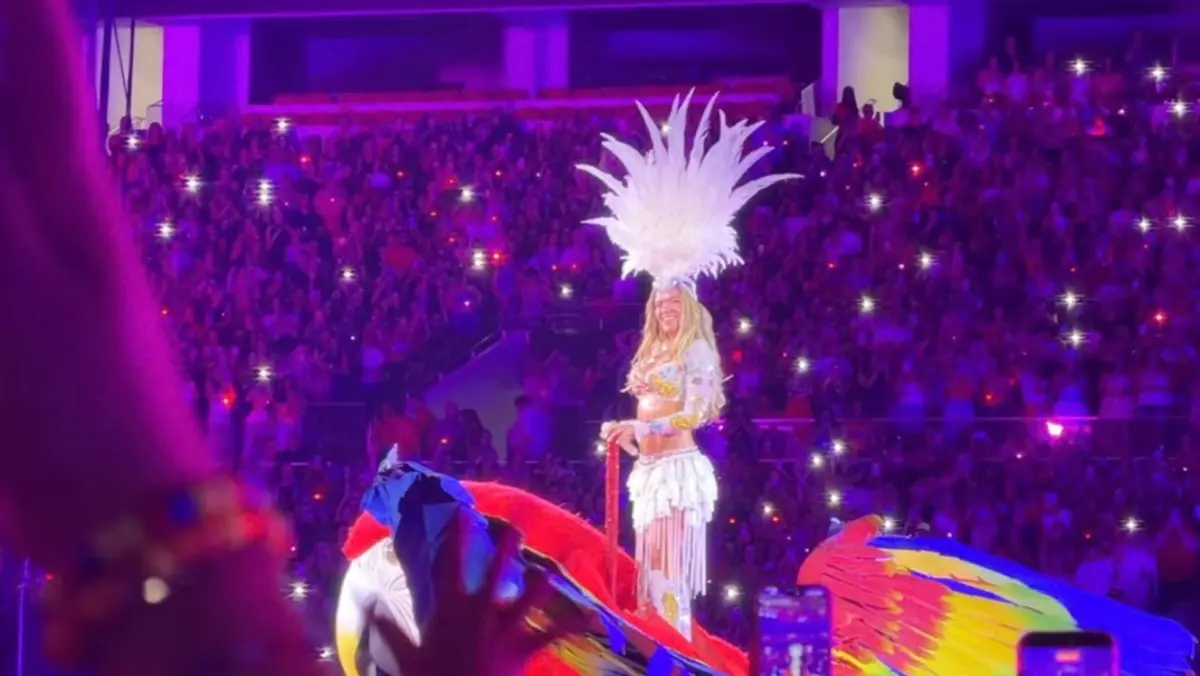
MIAMI — For many fans, attending a Karol G concert transcends the typical live music experience; it serves as a communal gathering of emotional resonance and cultural pride. This was acutely true for the recent Viajando por el Mundo Tropitour stop in Miami, an event that nearly did not happen for one attendee who ultimately found herself on a journey of unexpected closure and vibrant celebration.
Accompanied by a lifelong friend—a paisa from Medellín and a costeña from Barranquilla—the concertgoers navigated the aggressively humid Miami streets on a night charged with anticipation. Stepping into the venue carried a special electricity, driven by the shared experience of two Colombian women watching a fellow Colombian artist command a major international stage. Yet, the road to fully embracing the Tropitour era required overcoming a specific type of hesitation shared by many loyal fans.
Following the monumental success of Mañana Será Bonito, an album that functioned as collective therapy and a lifeline for women navigating deep personal pain, some supporters initially viewed the shift toward the brighter, high-energy tropical sounds of Tropicoqueta with a sense of disorientation. Listeners who had clung to the tender, melancholic hugs provided by her previous music wondered if the new era would honor that emotional depth. However, standing in the Miami crowd—surrounded by the heat, holding a cold drink, and singing every lyric—it became clear that Latinas are multifaceted. The concert offered a powerful reminder that women are not perpetually confined to a healing era; sometimes, they step gracefully into a fully alive, tropical chapter without guilt or apology.
The Mañana Será Bonito Era and Why It Still Lives in My Body
To truly comprehend the cultural and emotional weight of the Tropitour, one must first understand the profound impact of the Mañana Será Bonito era. For countless fans, that musical epoch arrived during a remarkably difficult period marked by emotional heaviness and profound personal uncertainty. Karol G’s voice, echoing constantly on repeat, became a source of solace and a daily prayer for brighter days. Because the artist hails from Medellín, the same city as many of her devoted listeners, she resonated not merely as a global superstar, but as a sister who understood unspoken struggles.
That deep personal connection inspired fans to attend her previous Miami concert at Hard Rock Stadium, decked out in sparkles and carrying heavy hearts, seeking solace in the communal atmosphere of live music. During that prior tour, however, when emotionally charged tracks like "Amargura" echoed through the stadium, the grief proved too heavy to process publicly, forcing some attendees to step away from their seats to protect themselves. That unfinished emotional business remained quietly tucked away, waiting for the right moment to find resolution.
What the Tropitour Gave Me That I Did Not Know I Was Looking For
When Karol G took the stage for the Tropitour, her trademark kinetic energy immediately swept through the audience. The heavy, lingering shadows of the past era quickly dissolved into a celebration of the present moment. The artist effortlessly blended her original catalog with interactive moments, inviting fans from diverse backgrounds—including Cuban, Mexican, and Colombian attendees—onto the stage to dance alongside her to "Bby Wow."
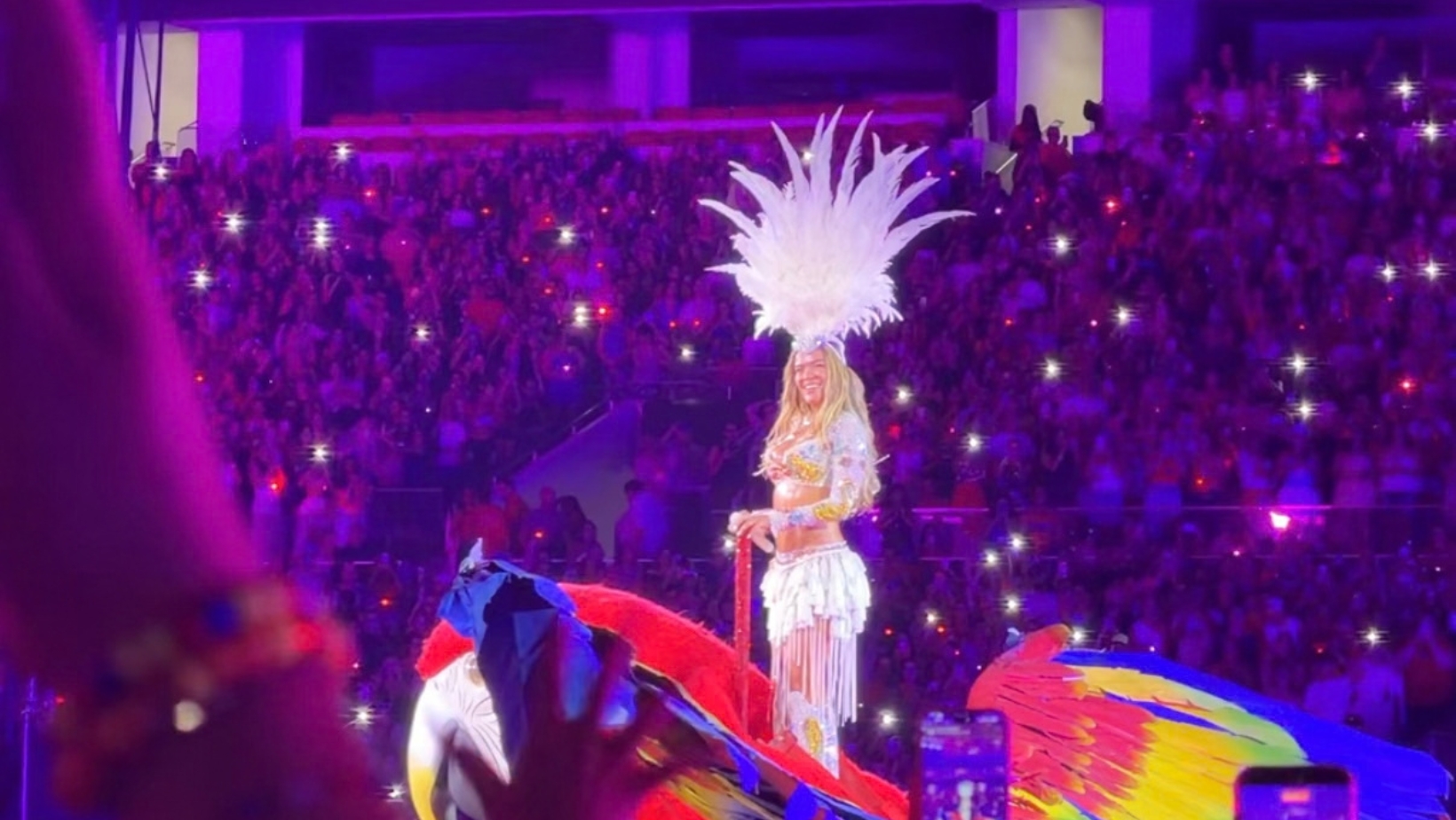
This inclusive spirit extended beyond physical stage guests. Karol G and her production team incorporated viral TikTok videos of fans performing the "Bby Wow" dance trend directly into the show’s visual narrative. This thoughtful integration underscored a rare attentiveness, demonstrating an artist who actively honors her audience’s digital influence rather than taking their support for granted.
Further enriching the evening, Karol G utilized her platform to amplify other emerging voices, bringing out mariachi performers alongside artists like Elena Rose and Greeicy. By actively creating space for peers who are still building their momentum, she modeled a generous leadership style. Later in the set, a performance of "Bichota" infused with distinct cumbia elements bridged contemporary urban rhythms with traditional folkloric roots, signaling to the audience that they are permitted to embrace every facet of their musical identities.
‘Amargura’ and the Moment I Realized How Much I Have Healed
The emotional apex of the evening arrived in the middle of the set as pyrotechnic flames erupted beside the stage, intensifying an already sweltering night. When the opening notes of "Amargura" began to play, physical memory took over before conscious thought could intervene, instantly recalling the emotional weight of the previous tour.
Unlike that past experience—where the song’s sorrow necessitated a retreat from the room—this performance invited active participation. Standing firmly in the crowd, singing every word, and dancing through the melody transformed what was once a painful trigger into a moment of pure joy. In that specific instant, the lingering, unresolved feelings from the Mañana Será Bonito tour achieved complete closure.
The experience served as a powerful testament to Karol G’s artistic evolution. Her music continues to accompany listeners regardless of whether they are broken, thriving, or navigating the complicated spaces in between. The Tropitour ultimately demonstrated that emotional resilience and high-energy celebration can coexist, allowing fans to embrace their strength while singing along to anthems of empowerment, fully realizing that personal healing is not a finite destination, but a continuous journey of transformation.