









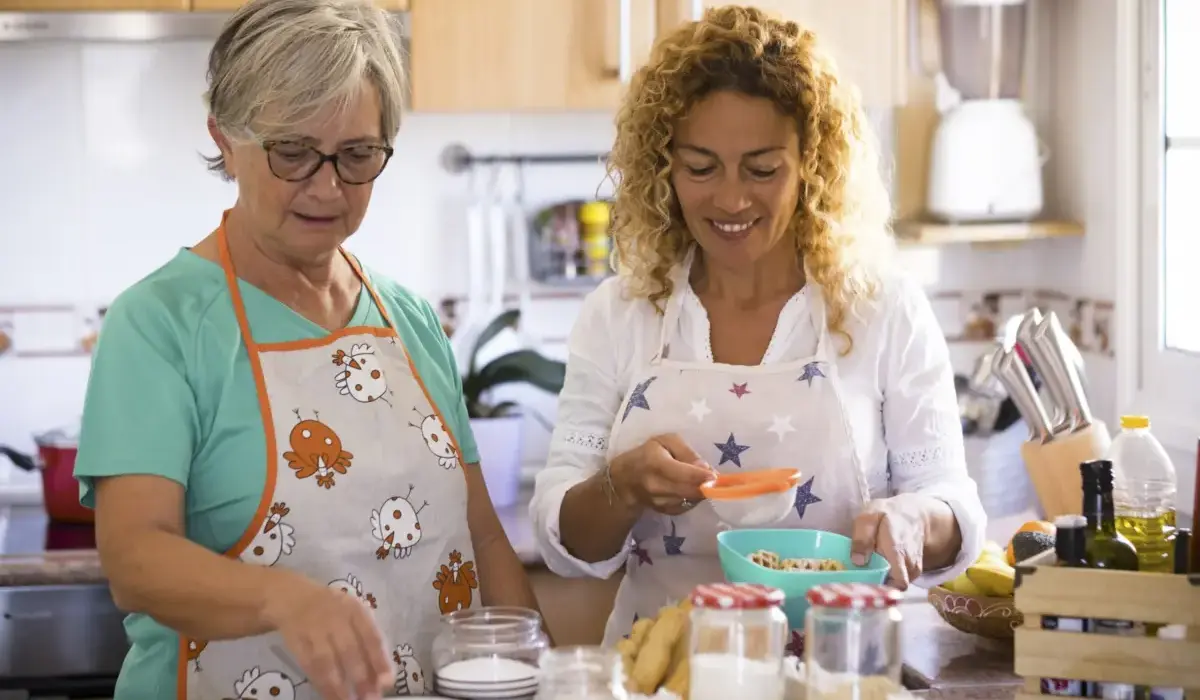
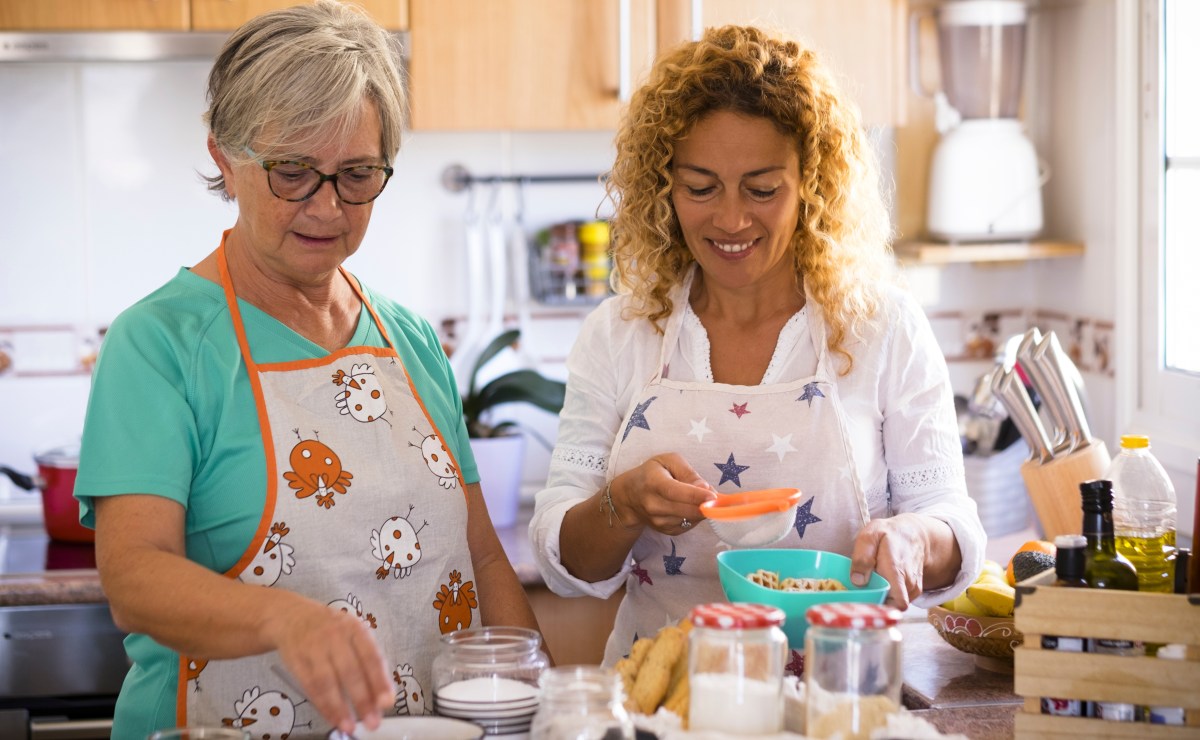
In households across communities, the kitchen has long served as far more than a mere workstation for preparing meals. It functions as the beating heart of the home, a dynamic space where stories unfold, laughter fills the air, and the enduring wisdom of previous generations lives on through familiar dishes. For many families, food acts as a vital bridge between the past and the present, connecting people deeply to their cultural roots while simultaneously forging new traditions that will define future gatherings.
Following a challenging year marked by economic and personal uncertainties, families are expressing a renewed eagerness to embrace the warmth and comfort of Nochebuena and Christmas alongside loved ones. The anticipation centers heavily on sharing traditional comfort foods and cherished childhood favorites that serve as an immediate reminder of what truly matters: togetherness, communal meals, and the distinct, comforting flavors that make any space feel like home. Culinary heritage provides a profound sense of grounding, offering both emotional sustenance and a tangible connection to identity during the holiday season.
Preserving Generational Wisdom Through Time-Honored Recipes
At the center of these holiday preparations are time-tested recipes that carry profound nostalgia and heart, dishes that have been passed down through decades and can be thoughtfully recreated using readily accessible kitchen essentials. Among these foundational dishes, a steaming bowl of chicken soup holds a revered place as a universal remedy within many Latin American households. Whether sought out as a comforting response to seasonal colds, a soothing cure for a broken heart, or simply a restorative meal after a demanding day, traditional chicken soup offers unmatched emotional and physical solace.
Recreating these beloved flavors often relies on a careful selection of ingredients, bringing together skinless chicken thighs, carrots, potatoes, corn, and butternut squash. Subtle yet intentional additions, such as a sprinkle of fresh cilantro, oregano, and parsley, alongside sea salt and a medium Japanese sweet potato for a naturally sweet fragrance, elevate the simple ingredients into something extraordinary. The preparation itself is rooted in traditional culinary timing: gathering the fresh produce, chopping the vegetables carefully, and allowing everything to simmer together in boiling water with appropriate seasonings.
Achieving the ideal outcome depends heavily on precise method and equipment. Bringing water to a boil, introducing the firmest ingredients first, and subsequently reducing the heat to allow delicate elements to meld creates an optimal culinary environment. Utilizing a cast-iron Dutch oven helps distribute heat evenly across the base and sides, ensuring a steady, gentle simmer. Serving the dish in ceramic soup bowls further enhances the experience by retaining heat effectively while offering durable functionality. A classic touch, such as placing a slice of bread topped with cheese under a broiler for a few minutes before serving, adds a sophisticated yet accessible element, complemented by shiny stainless-steel soup spoons. Ultimately, this style of cooking remains remarkably straightforward, delivering an effortlessly delicious result that nourishes both body and soul when families gather.
The Communal Tradition of Sharing Empanadas
Beyond warming soups, certain dishes are defined entirely by the collective effort required to make them. Empanadas represent a quintessential pan-Latin American staple, with distinct variations claimed by nearly every country and region. In many childhood homes, the preparation and baking of empanadas have historically functioned as a collaborative group activity rather than a solitary chore. From rolling out the dough and spooning savory fillings of meat or cheese to carefully crimping the edges, the process invites universal participation, transforming the kitchen into a lively workshop of teamwork and shared laughter.

These culinary memories often trace back to early childhood experiences standing on kitchen benches, sneaking small tastes of savory fillings while learning intricate folding techniques, such as traditional flower-shaped closures. Because meat fillings were historically viewed as a special treat, home cooks frequently exercised creativity by incorporating alternative ingredients like cheese, corn, spinach, and tuna. This inherent versatility makes empanadas one of the most convivial foods available, possessing a unique capacity to bring people together around a shared table regardless of the specific filling.
Achieving consistent results in baking requires reliable tools, such as commercial-grade aluminum baking sheets that conduct heat evenly across the surface. When serving large groups during festive gatherings, utilizing lightweight bamboo plates paired with seasonal paper napkins facilitates an easy, relaxed environment where guests can enjoy their food while standing and conversing. This casual yet thoughtful presentation preserves the core spirit of togetherness that defines the holiday season.
Arroz con Leche and the Slow Art of Confectionery
The grand finale of many traditional holiday meals is a warm, creamy, and lightly sweet rice pudding, often enhanced with a swirl of dulce de leche and generously spiced with cinnamon. For many, the very aroma of this dessert evokes powerful childhood memories, symbolizing the pure joy of visiting relatives and finding a fresh batch prepared on the stove. Ending a significant family celebration, such as Nochebuena or Christmas, with a rich bowl of rice pudding captures the exact sense of home and heritage that many individuals actively seek to maintain.

While foundational ingredients like rice, milk, and sugar remain simple and accessible, allowing a large batch to stretch comfortably for a crowd, the preparation demands patience and constant attention. Family elders have long emphasized that the true secret lies in cooking the mixture low and slow, monitoring the pot continuously to achieve the ideal consistency—neither too thick nor too runny—while preventing the milk from scorching. Utilizing nonstick cookware and traditional wooden spoons helps manage the delicate cooking process, while short-grain rice varieties like Arborio or Calrose release starches that contribute to a velvety texture when combined with whole milk. Many modern home cooks also incorporate lactose-free milk to accommodate the dietary needs of various guests without sacrificing traditional creaminess.
The preparation of rice pudding often transcends routine cooking, transforming into a deliberate, meditative ritual within the bustling holiday schedule. Standing by the stove for up to an hour, occasionally stirring the mixture and assessing its texture, creates a deliberate pause amid daily responsibilities. As the aromas of cinnamon and warm milk fill the space, the kitchen adopts a slower, more intentional pace, allowing individuals to remain fully present in the comforting act of creation. Served warm and garnished with organic cinnamon sticks, the dessert naturally sparks generational storytelling, encouraging relatives to reflect on shared histories and past celebrations.
Ultimately, these culinary practices reinforce the idea that food functions as far more than mere physical nourishment. Across generations, traditional dishes serve as vessels for family memories, cultural preservation, and interpersonal connection. By engaging in the deliberate acts of gathering ingredients, sharing preparation tasks, and sitting down together to pass around plates, families continue to carry the heritage of their elders forward into their own homes.