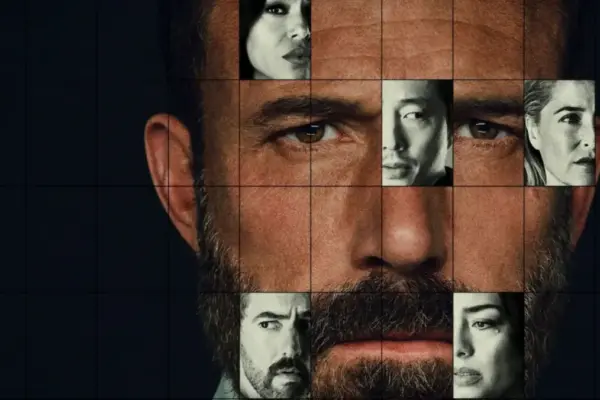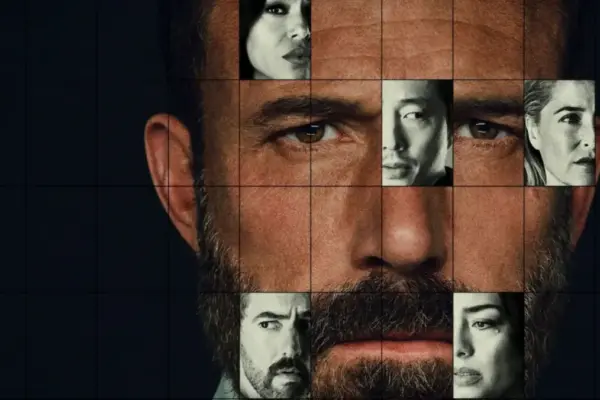










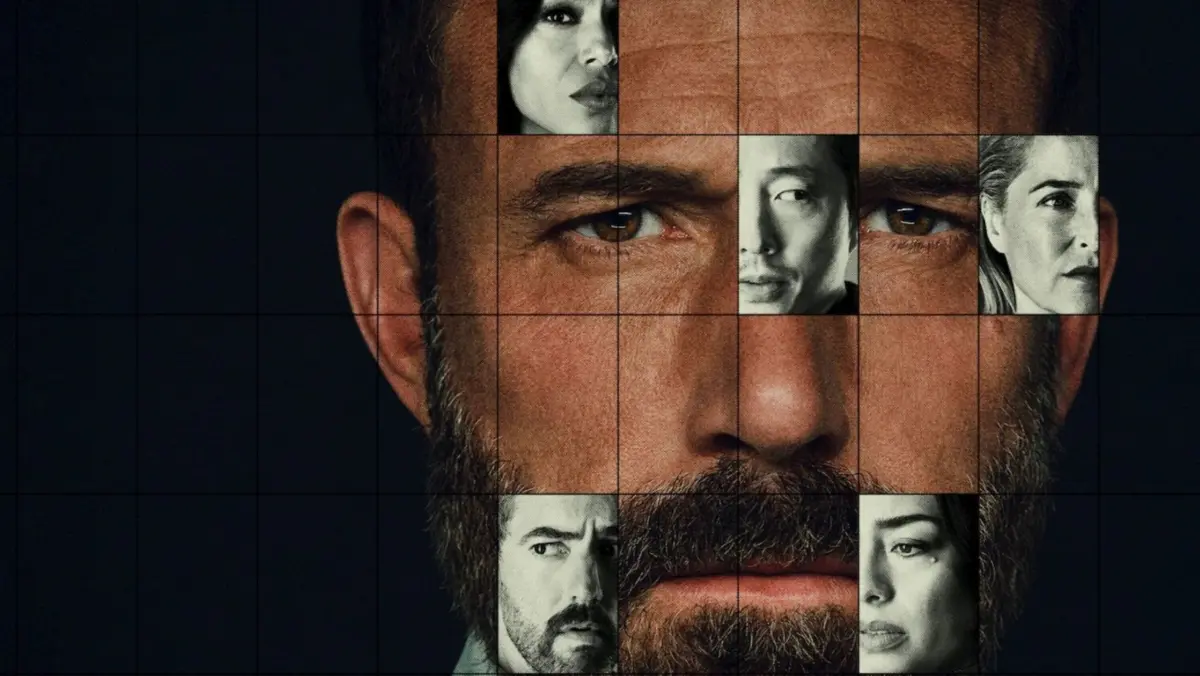
Ben Affleck recently sat down for an in-depth interview with veteran journalist Jorge Ramos to discuss his latest directorial project, the Netflix thriller Animals. From the outset of the conversation, the filmmaker and actor made it abundantly clear that this cinematic venture was never intended to be a detached or purely commercial exercise. Instead, Affleck approached the project with deep personal convictions about the socio-political fabric of the United States, framing the narrative not as a fictional abstraction, but as a reflection of contemporary American reality.
During his discussion on Ramos’s digital platform Así Veo Las Cosas, Affleck emphasized that the United States is fundamentally a country of immigrants. Pointing to his own family history and background, he argued that the struggles, aspirations, and humanity of the film’s central Mexican characters—Luis and Adriana—represent the broader story of the nation itself. This ideological stance served as the guiding principle behind every creative decision Affleck made while directing and co-writing the film, shaping the tone, the casting choices, and the collaborative process on set. He acknowledged openly that stepping into the immigration arena with a major motion picture carried inherent professional and political risks, yet he pursued the project deliberately because he felt the current social climate demanded a bold and empathetic narrative response.
He Knew Making This Film Was a Risk and He Made It Anyway
Affleck was remarkably candid about the climate of fear surrounding immigrant communities in the United States today. He understood that placing immigrant characters at the absolute center of a high-profile Hollywood thriller—treating them as complex protagonists with complete agency rather than as passive background figures—would inevitably court controversy. In his conversation with Ramos, Affleck explained that the current political and social polarization surrounding immigration made the project a calculated risk, but one he felt compelled to take precisely because of the urgency of the moment.
Furthermore, Affleck addressed long-standing prejudices within the broader entertainment industry regarding language barriers and audience preferences. For decades, traditional Hollywood wisdom has dictated that English-language audiences harbor a deep-seated resistance to subtitles, often shying away from foreign-language dialogue or bilingual storytelling. Affleck actively pushed back against these industry assumptions. He argued that the pressing social relevance of the narrative and the imperative to depict the immigrant experience with absolute honesty and dignity far outweighed any commercial calculations or traditional anxieties about subtitle fatigue. By refusing to water down the linguistic reality of his characters, Affleck sought to honor the authenticity of their lived experiences, trusting that audiences would connect with the genuine emotional core of the story.
ICE Was Operating on His Filming Locations and the Script Was Playing Out in Real Life
The production of Animals took place against a backdrop of heightened tension regarding U.S. immigration enforcement, intersecting directly with real-world events in ways that Affleck could not have anticipated when pre-production began. Shot entirely on location in Los Angeles, the production schedule faced extraordinary and sobering interruptions. Affleck recounted to Ramos that there were specific days when filming had to be completely suspended because Immigration and Customs Enforcement (ICE) operations were actively underway in the exact neighborhoods where the crew was working.
Witnessing federal immigration enforcement actions unfolding just feet away from a set dedicated to exploring the immigrant experience created an eerie and profound collision between fiction and reality. Affleck described this surreal convergence as an extraordinary experience that profoundly shifted the gravity of the production. Rather than treating these real-world disruptions as mere logistical headaches or inconvenient delays, the director felt that watching the very themes of his script play out on the streets of Los Angeles heightened the entire team’s awareness of the project’s importance.
This startling proximity to real-world trauma reinforced Affleck’s commitment to authenticity, ensuring that the portrayal of the film’s Mexican characters avoided Hollywood clichés. To achieve this level of genuine representation, Affleck took the unusual step of handing creative control over the dialogue directly to his Mexican leads, Adriana Paz and Luis Gerardo Méndez. Rather than relying on translated lines written from an outsider’s perspective, Affleck invited Paz and Méndez to write their own dialogue, ensuring that the conversations on screen reflected true cultural nuances and authentic emotional rhythms.
He Said This Is a Country of Immigrants and His Family Proves It
The urgency behind Animals is deeply rooted in Affleck’s personal worldview and familial background. Speaking with Jorge Ramos, Affleck reiterated that his own people and family are immigrants, reinforcing his belief that the narratives of characters striving to build a life in a new country are, at their core, foundational to the American experience. This perspective guided the broader production framework of the film, which was produced in association with Artists Equity, the studio Affleck co-founded alongside longtime collaborator Matt Damon.
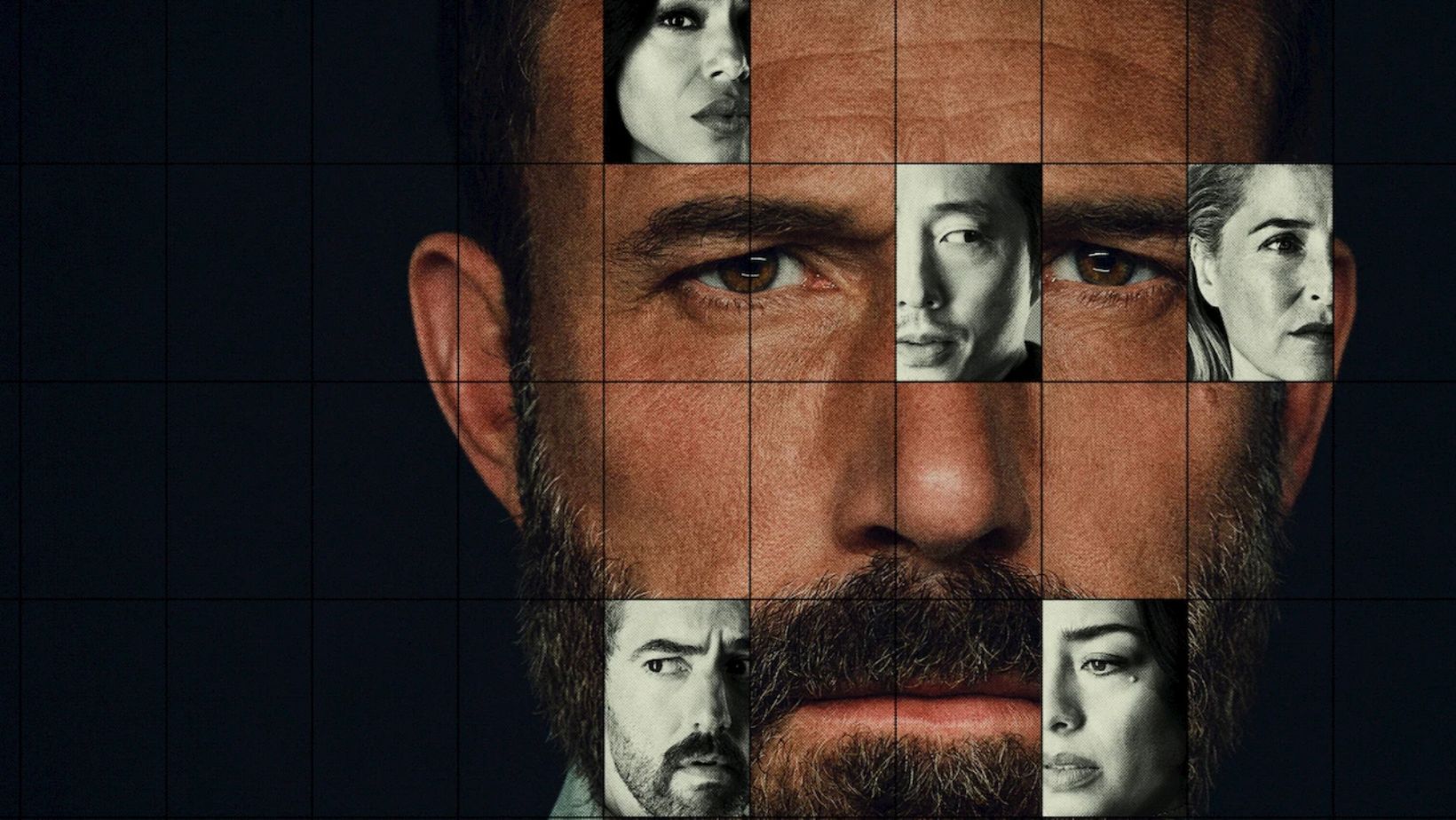
The project brings together a diverse and acclaimed ensemble cast, featuring prominent actors such as Kerry Washington, Gillian Anderson, Steven Yeun, and Ray Fisher, alongside its Mexican leads. By assembling a high-profile cast for a story anchored in the immigrant experience, Affleck sought to engage a wide audience in a conversation that is already deeply personal and politically charged for millions of people across the country. As Animals officially begins streaming on Netflix, Affleck’s discussions with Ramos highlight a film shaped not just by cinematic ambition, but by an urgent desire to engage directly with the complex, shifting realities of modern American life.