








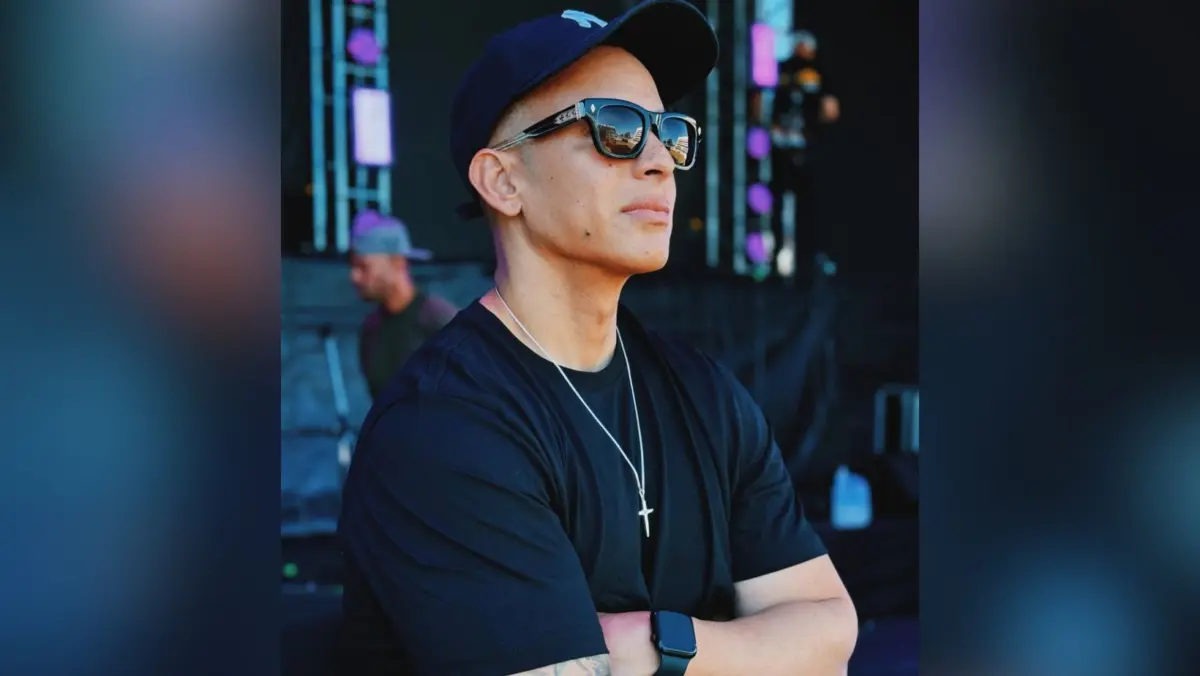
LAS VEGAS — Ramón Luis Ayala Rodríguez, globally known as Daddy Yankee, accepted the Latin Grammy Person of the Year award Wednesday night in Las Vegas, marking a monumental milestone as the first urban music artist in the history of the Latin Recording Academy to receive the prestigious distinction.
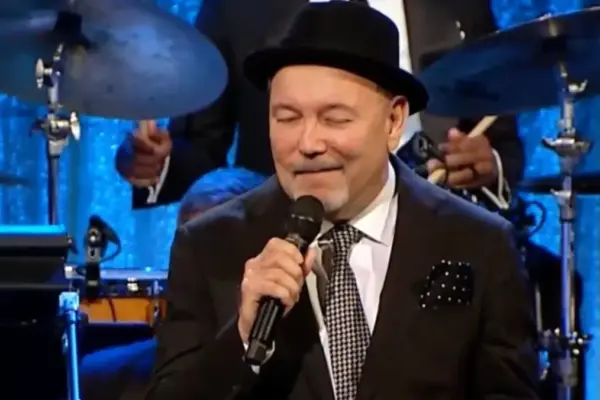
Surrounded by peers, industry icons, and admirers, the Latin Grammy tribute placed the Puerto Rican superstar alongside legendary figures such as Shakira, Rubén Blades, and Raphael. The high-profile ceremony traced the remarkable arc of his multi-decade career, honoring an extraordinary journey that began in the underground caseríos of Puerto Rico in the early 1990s and has now culminated in an officially confirmed headlining slot at the upcoming Coachella Valley Music and Arts Festival.
On the red carpet ahead of the tribute gala, reporters pressed the pioneering artist on what audiences could expect from his highly anticipated Coachella performance. Yankee advised festivalgoers to prepare themselves for an unforgettable show, promising that it would be exceptional and that fans could expect his absolute all. For the millions of supporters who have closely followed his tumultuous trajectory and evolving artistry over the past few years, that brief and confident answer carried a profound sense of hope and anticipation.
The Return That Needed a Redirect
When Daddy Yankee stunned the global music community by announcing his retirement in 2022, he did so at the pinnacle of international success, choosing to step away on his own terms after cementing one of the most decorated and influential careers in Latin music history. However, that retirement ultimately proved short-lived.
When he eventually re-entered the public eye, he did so with a transformed perspective, steering his creative output in a distinctly spiritual direction. This phase mirrored the artistic and personal path of Héctor El Father, another towering figure of early reggaeton who famously abandoned secular music for religious convictions before later returning to the fold.
This unexpected pivot surprised and challenged many fans who had grown up listening to the foundational club anthems that defined Daddy Yankee’s legacy, such as "Gasolina" and "Rompe." While a dedicated segment of his fanbase stood by him through the transition, the public response made it unmistakably clear that what audiences truly missed was the raw, undeniable energy of his original musical identity.
His most recent studio project, La Postal, signaled a deliberate return to the familiar sonic landscape his audience had been eagerly anticipating—one that recaptured the gritty, infectious cadence that initially built his career. The Latin Grammy tribute served as a powerful validation of this artistic homecoming. The gala’s musical arrangements deftly moved through his extensive catalog, incorporating reggae, traditional salsa, and classic reggaeton arrangements of his biggest records to remind everyone in the room of the immense weight and cultural impact of his discography.
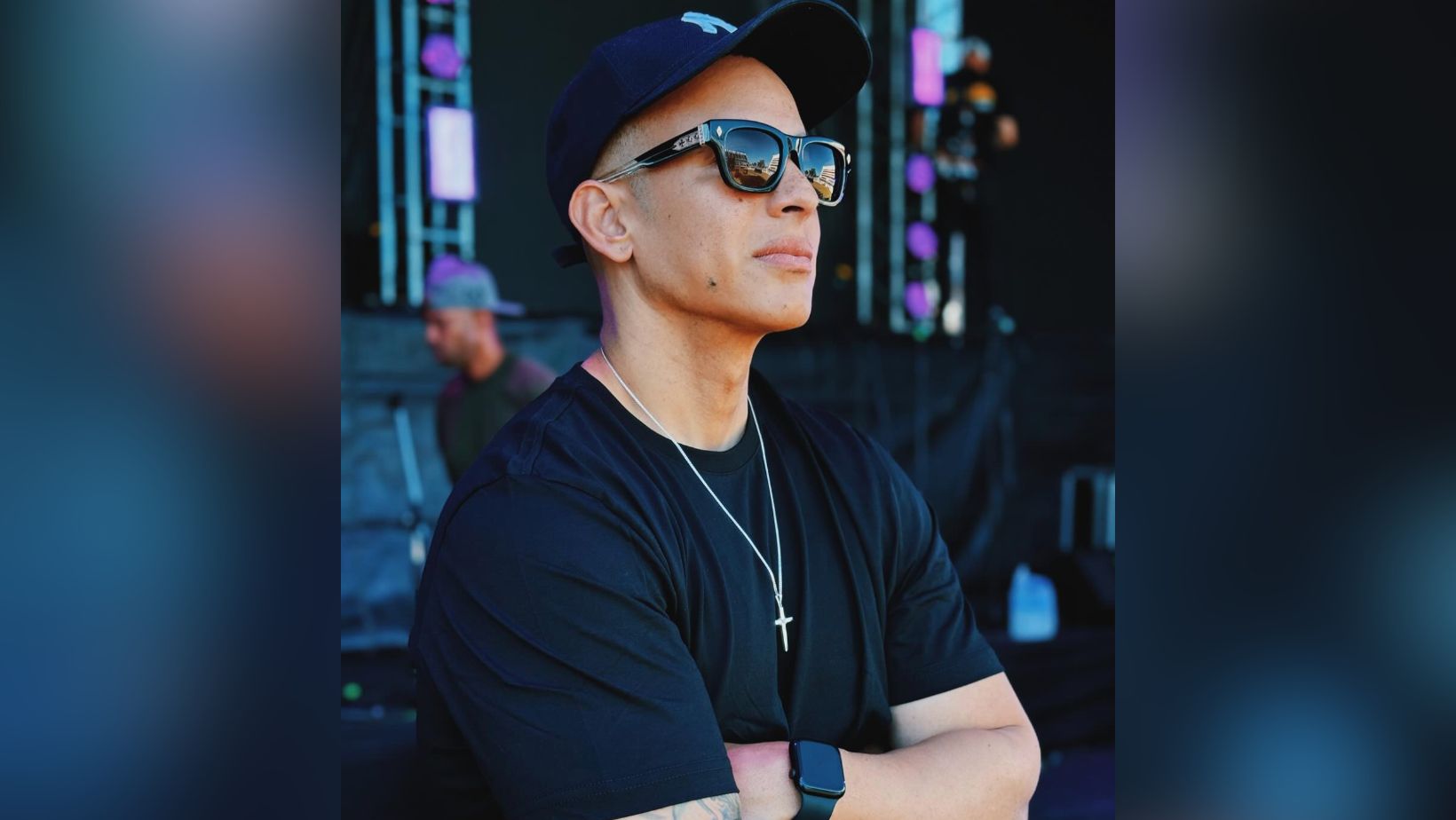
What the Person of the Year Award Actually Meant
Addressing the press on the red carpet, Daddy Yankee offered deep reflections on the true significance of the Latin Grammy recognition. He emphasized that the accolade was far from an individual achievement, framing it instead as a collective victory for an entire culture, a burgeoning musical genre, and the brilliant colleagues who fought to build reggaeton from the ground up during an era of intense marginalization.
He recalled a time when the genre was aggressively dismissed by mainstream institutions and when its pioneering artists were frequently targeted and treated as criminals by the very government of the island that gave birth to the movement. Yankee paid heartfelt tribute to the foundational DJs, the local dancers, and the resilient fans living in the housing projects of Puerto Rico who believed fiercely in the power of the music long before any corporate or cultural institution validated it, dedicating the award explicitly to everyone who stood by the movement from day one.
Artists representing multiple generations of Latin music turned out in force to honor his enduring legacy. Veteran duo Jowell and Randy represented the foundational old guard of the genre, while contemporary star Lenny Tavárez spoke to reporters about the unprecedented ways industry barriers continue to fall—progress made possible by the groundwork Yankee laid decades prior. Jean Rodríguez, the musical director responsible for curating the night’s elaborate musical tribute, framed the celebration in terms that resonated deeply with Puerto Ricans across the global diaspora. Rodríguez noted that Daddy Yankee single-handedly put their island on the global map, capturing the exact sentiment shared by everyone in the room.
What Coachella Needs to Hear
Daddy Yankee’s promise that the audience can expect "everything" sets a towering standard, and his massive global fanbase is more than ready to hold him to his word. The upcoming Coachella crowd will inevitably feature a diverse cross-section of attendees: individuals who first discovered reggaeton through his global crossover hits, alongside lifelong fans who spent their formative years dancing to these exact tracks in cramped living rooms, at traditional quinceañeras, and at neighborhood house parties where the playlist started with his records and never truly went anywhere else. This is perreo in its purest, most authentic form—the foundational building blocks of a cultural revolution.
Throughout his legendary catalog, certain anthems defined generations of nightlife and street culture. Tracks like "Rompe" consistently served as the ultimate catalyst for any party, instantly changing the temperature of a room the moment the iconic beat dropped and filling dance floors without exception or negotiation. Similarly, "Machete" captured the wild, uninhibited energy of youth, soundtracking countless spontaneous gatherings fueled by good vibes and neighborhood camaraderie.
In the genre’s formative years before it became a dominant global export, songs like "Machucando" provided raw, urgent rhythms engineered exclusively for the dance floor. Crossover milestones such as "Impacto," featuring Fergie, subsequently demonstrated that reggaeton possessed the undeniable power to command any stage, regardless of language barriers. Meanwhile, deeply personal cuts like "Gata Gangster" and "Yamilette" showcased a relentless, driving energy that earned a fiercely loyal following among fans who embraced the unapologetic grit of early-era reggaeton.
Slower-tempo emotional cornerstones like "Tu Príncipe" and "Lo Que Pasó, Pasó" transformed high-energy perreo into cinematic experiences, capturing the emotional highs and lows of youth culture with lyrics that fans continue to sing word-for-word in unison. Collaborations and crew anthems such as "Aquí Está Tu Caldo," "Mayor Que Yo," and the genre-defining global phenomenon "Gasolina" completed a peerless musical legacy, ensuring that when Daddy Yankee takes the stage in the desert, he carries the weight of a musical movement that forever changed the sound of popular music worldwide.