







As communities across the United States observe Hispanic Heritage Month, National Women in Medicine Day arrives on September 17 to recognize, celebrate, and amplify the extraordinary women who are shaping the landscape of modern healthcare. From groundbreaking academic researchers to community-focused family physicians and frontline specialists, women in medicine continue to drive vital advancements in patient care, disease prevention, and health equity.
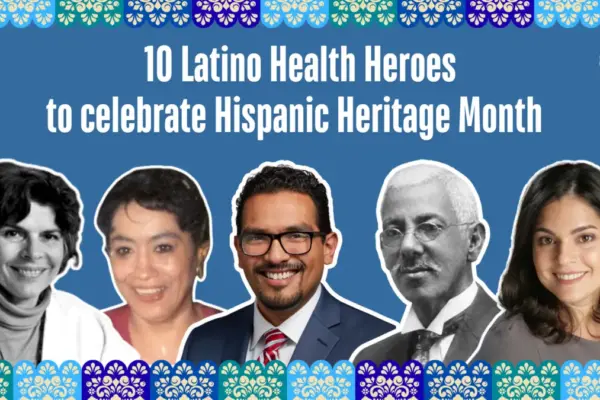
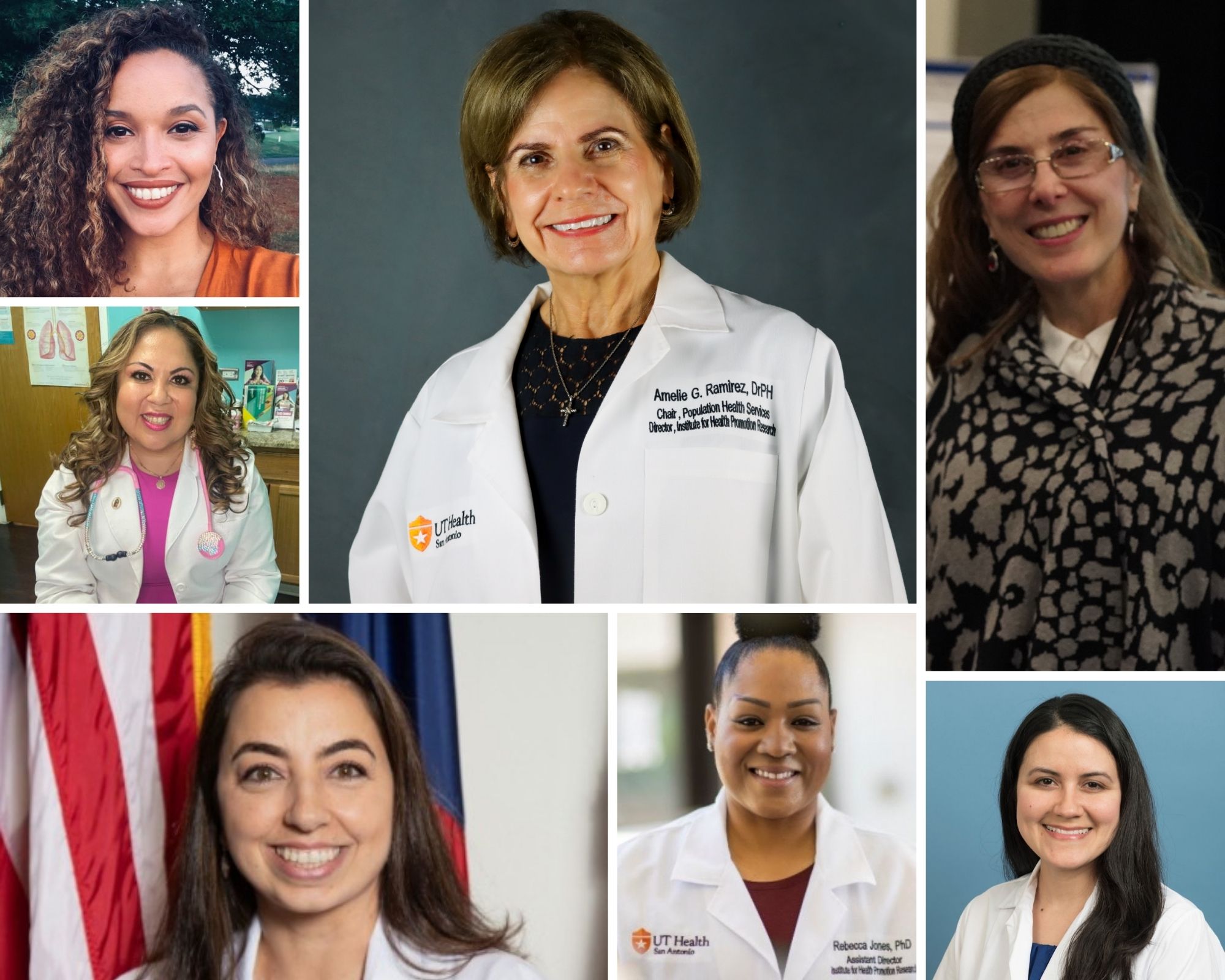
In honor of this significant observance, the national multimedia health program Salud America! is shining a spotlight on seven exceptional Latina physicians and health leaders. Their collective work spans major academic institutions, community health initiatives, clinical practice, and national advocacy, reflecting a deep-seated commitment to improving the health and well-being of Latino families and underserved populations across the nation.
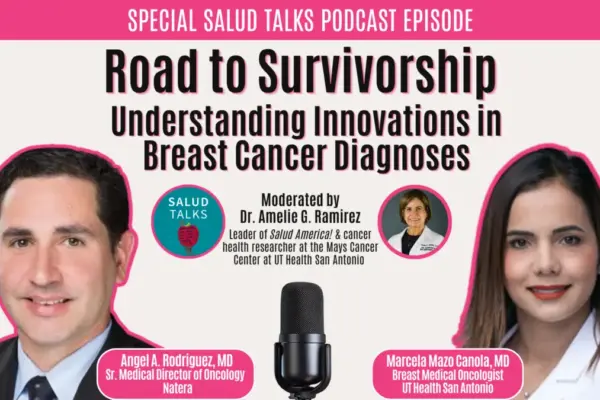
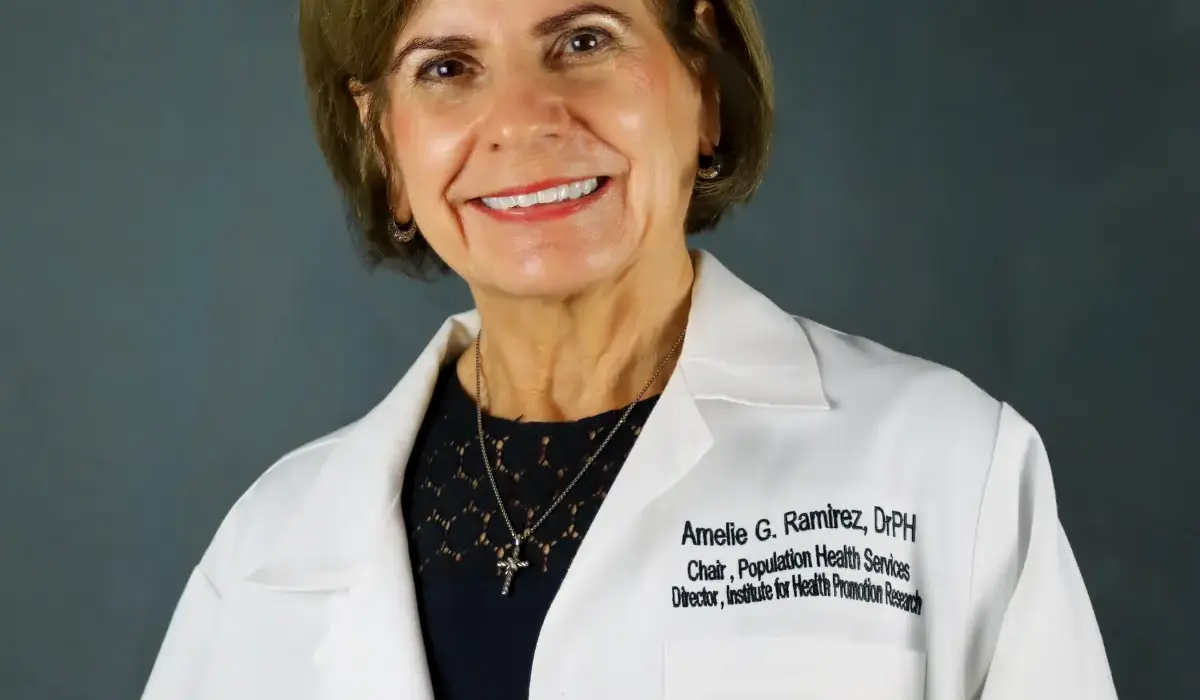
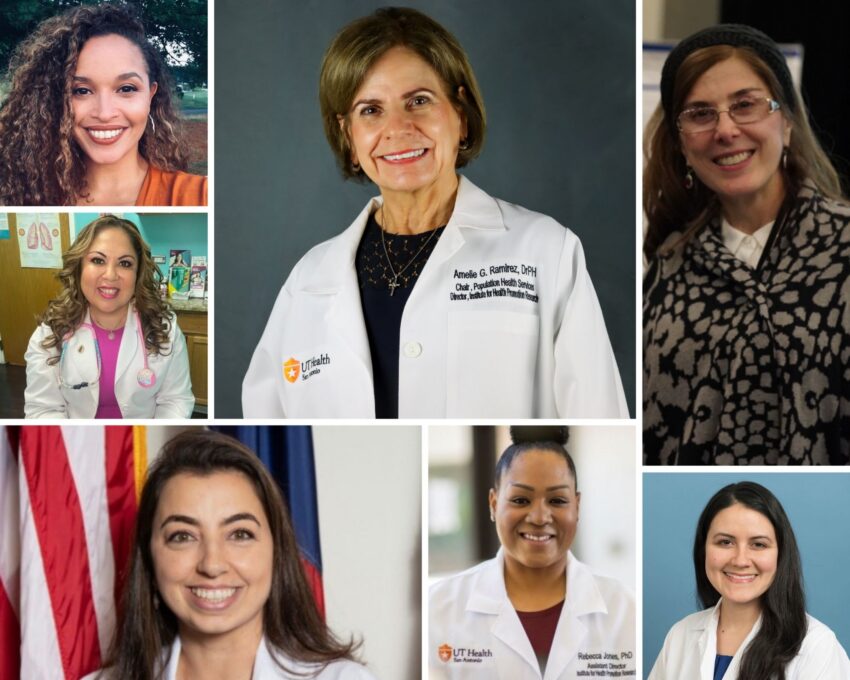
1. Dr. Amelie G. Ramirez
At the forefront of public health research and advocacy is Dr. Amelie G. Ramirez, an internationally recognized health researcher based at UT Health San Antonio. Dr. Ramirez serves as a professor and chair of the Department of Population Health Sciences and as the director of the Institute for Health Promotion Research at UT Health San Antonio. Additionally, she holds the position of associate director of cancer outreach and engagement at the Mays Cancer Center, where her work directly influences cancer prevention and survivorship programs for minority populations.
Beyond her academic and clinical leadership, Dr. Ramirez directs the Salud America! national multimedia health program. The initiative creates compelling stories and practical tools designed to empower a vast network of more than 400,000 community leaders, activists, and educators. Through these resources, the program inspires grassroots efforts to drive healthy changes and promote health equity for families nationwide.
Dr. Ramirez’s pioneering contributions to public health have earned her widespread acclaim, including recognition from media icon Oprah Winfrey, who selected her as a "Cycle Breaker" for her transformative work in addressing and dismantling disparities in Latino health.
2. Dr. Patricia Chalela
Collaboration, dedication, and a passion for teamwork define the professional journey of Dr. Patricia Chalela. Serving as an associate professor at the Institute for Health Promotion Research at UT Health San Antonio, Dr. Chalela plays an integral role in multidisciplinary research teams dedicated to tackling critical health challenges facing the Latino community.
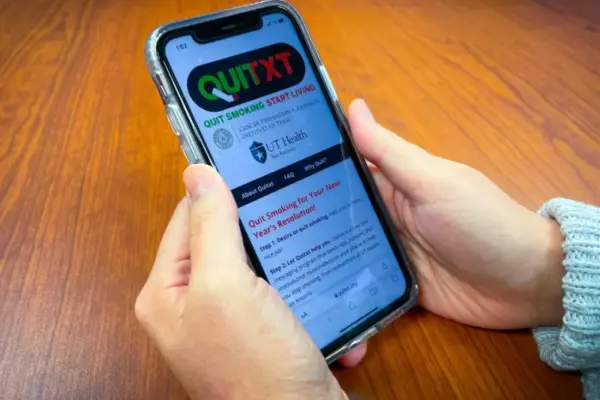
Her research portfolio encompasses innovative strategies for health promotion, including evaluating text message-based smoking cessation programs designed to help individuals successfully quit smoking. She is also deeply involved in training the next generation of researchers in advanced methodology and investigating the complex factors surrounding Latino cancer rates and outcomes. Given that the Latino community frequently experiences elevated rates of several chronic illnesses and specific cancer types, Dr. Chalela’s work provides essential insights into targeted intervention strategies.
Reflecting on her career in public health, Dr. Chalela has often expressed a deep sense of fulfillment in her collaborative efforts. Working alongside dedicated colleagues to enact meaningful change for Latinos has been an intensely rewarding experience that continues to drive her commitment to community wellness.
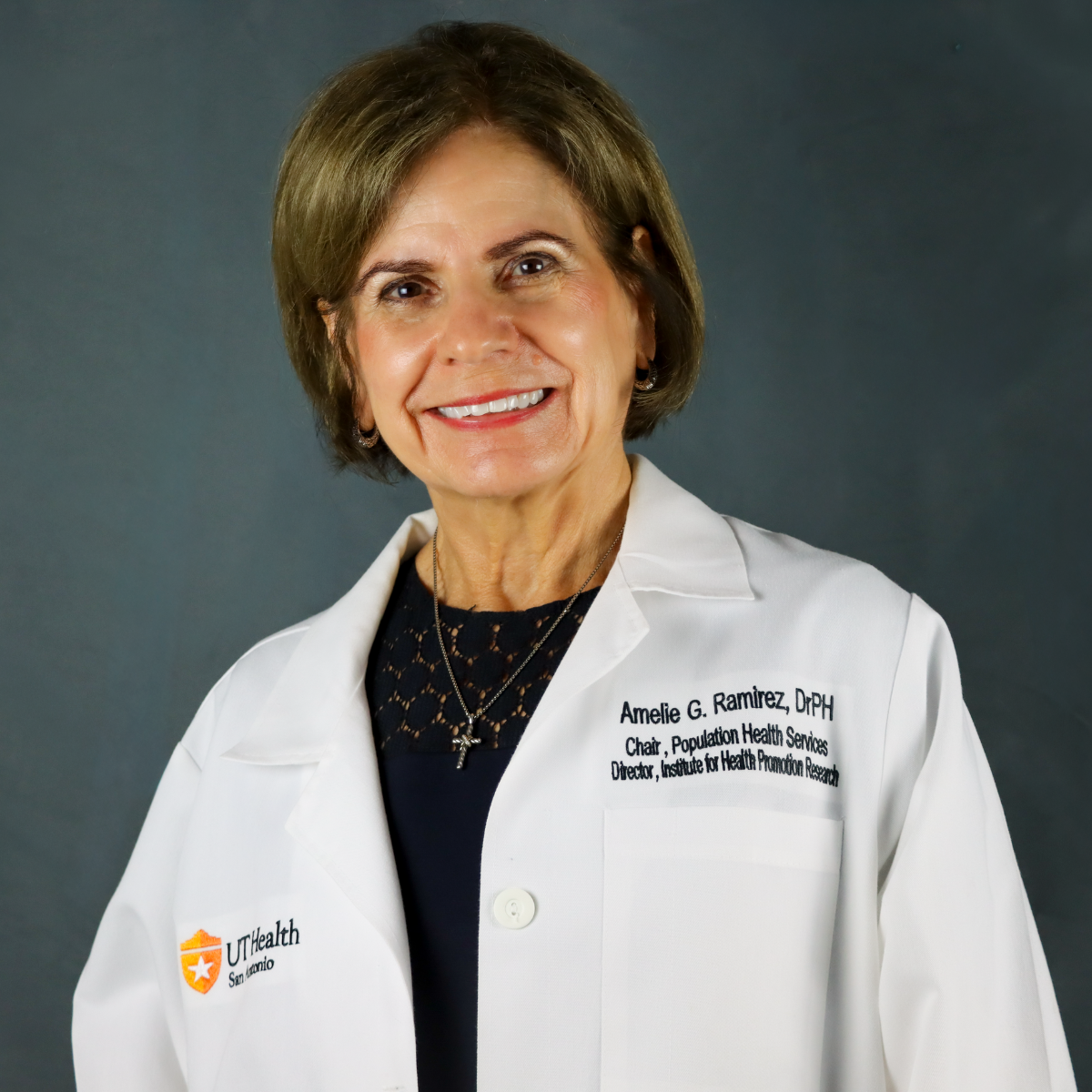
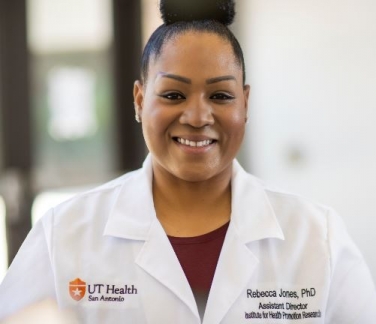
3. Dr. Rebecca Jones
Bridging the gap between statistical analysis and community-level impact, Dr. Rebecca Jones serves as assistant director of the Institute for Health Promotion Research at UT Health San Antonio. Growing up in the Lower Rio Grande Valley of South Texas provided Dr. Jones with a firsthand understanding of the unique health dynamics and systemic challenges present in border and minority communities.
With more than a decade of experience spanning program evaluation, complex research design, and advanced statistical analyses, Dr. Jones focuses her academic inquiries on health systems research and the non-medical drivers of health—often referred to as social determinants of health. Her expertise allows research teams to measure and evaluate community engagement strategies designed to improve cancer control and healthcare delivery.
Dr. Jones earned her doctorate in Applied Demography from the School of Public Policy at the University of Texas at San Antonio (UTSA). Her rigorous academic background equips her to analyze population trends and translate demographic data into actionable insights for public health interventions.
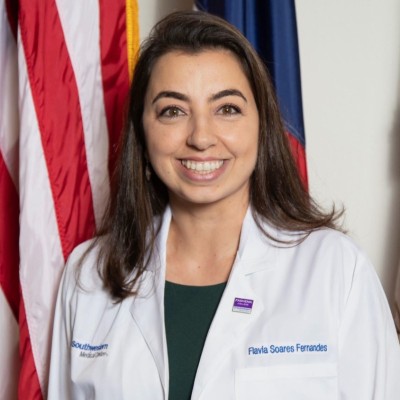
4. Dr. Flávia Fernandes
For Dr. Flávia Fernandes, practicing medicine represents the realization of a lifelong ambition pursued through years of resilience, dedication, and academic rigor. Originally from Brazil, Dr. Fernandes completed her medical training and serves as a family medicine resident physician at UT Southwestern, bringing a global perspective and deep empathy to her clinical practice.

Long before earning her medical degree, Dr. Fernandes actively engaged with community-based health promotion as part of the El Bari UT Health Healthy Choices Team. This collaborative group, comprised of San Antonio-based physicians, medical students, and community members, focuses on creating and disseminating healthy recipes online alongside accessible health education resources designed to encourage wellness at the household level.
Her early exposure to community medicine profoundly shaped her professional philosophy. For Dr. Fernandes, participating in grassroots health initiatives and learning how physicians can foster positive behavioral changes in people’s daily lives has exceeded her initial expectations, reinforcing her dedication to community-centered care.
5. Dr. Mirella Díaz-Santos
Dr. Mirella Díaz-Santos approaches her work in neurology and psychiatry with a profound personal mission: to fight Alzheimer’s disease and protect vulnerable populations. Her determination was forged during her school years when her grandmother received an Alzheimer’s diagnosis, sparking an enduring quest to understand how neurodegenerative conditions alter the lives of patients and their loved ones.
Dr. Díaz-Santos serves as an assistant professor in residence in the department of neurology and psychiatry at the University of California at Los Angeles (UCLA). In addition to her academic appointment, she is the director of research at the Hispanic Neuropsychiatric Center of Excellence within the Semel Institute for Neuroscience and Human Behavior. She also collaborates closely with the Women’s Alzheimer’s Movement to raise awareness about cognitive health and neurodegenerative diseases within the Latino community.
Throughout her academic and clinical trajectory, Dr. Díaz-Santos has navigated instances of bias and discrimination. Despite these professional hurdles, her commitment to advancing Alzheimer’s research, improving diagnostic pathways, and advocating for Latino patients remains unwavering.
6. Dr. Trinidad Solis
Growing up in a small farming town as the daughter of Spanish-speaking parents, Dr. Trinidad Solis frequently found herself stepping into the role of medical interpreter during family healthcare visits. These formative childhood experiences planted the seed for her future career, inspiring her to become a bilingual, culturally sensitive family physician dedicated to serving overlooked and underserved populations.
Driven by a determination to break new ground, Dr. Solis became the first member of her family to leave her hometown to pursue higher education, ultimately earning her medical degree. Recognizing that clinical medicine alone cannot fully address the challenges faced by low-income patients, she pursued a master’s degree in public health at Johns Hopkins University to better understand holistic health frameworks.
Today, Dr. Solis focuses her clinical and public health efforts on treating the root causes of medical conditions among low-income and Spanish-speaking patients. Her practice frequently addresses systemic issues linked to chronic conditions such as obesity, diabetes, and infectious diseases, while also accounting for non-medical drivers of health—such as financial barriers that prevent patients from affording vital medications.
7. Dr. Juanita Mora
The pivotal moment that defined Dr. Juanita Mora’s professional path occurred during her youth, when her mother fell seriously ill with kidney disease. As a young girl translating complex medical information between her Spanish-speaking mother and her English-speaking physician, Dr. Mora was struck by a stark realization regarding healthcare access.
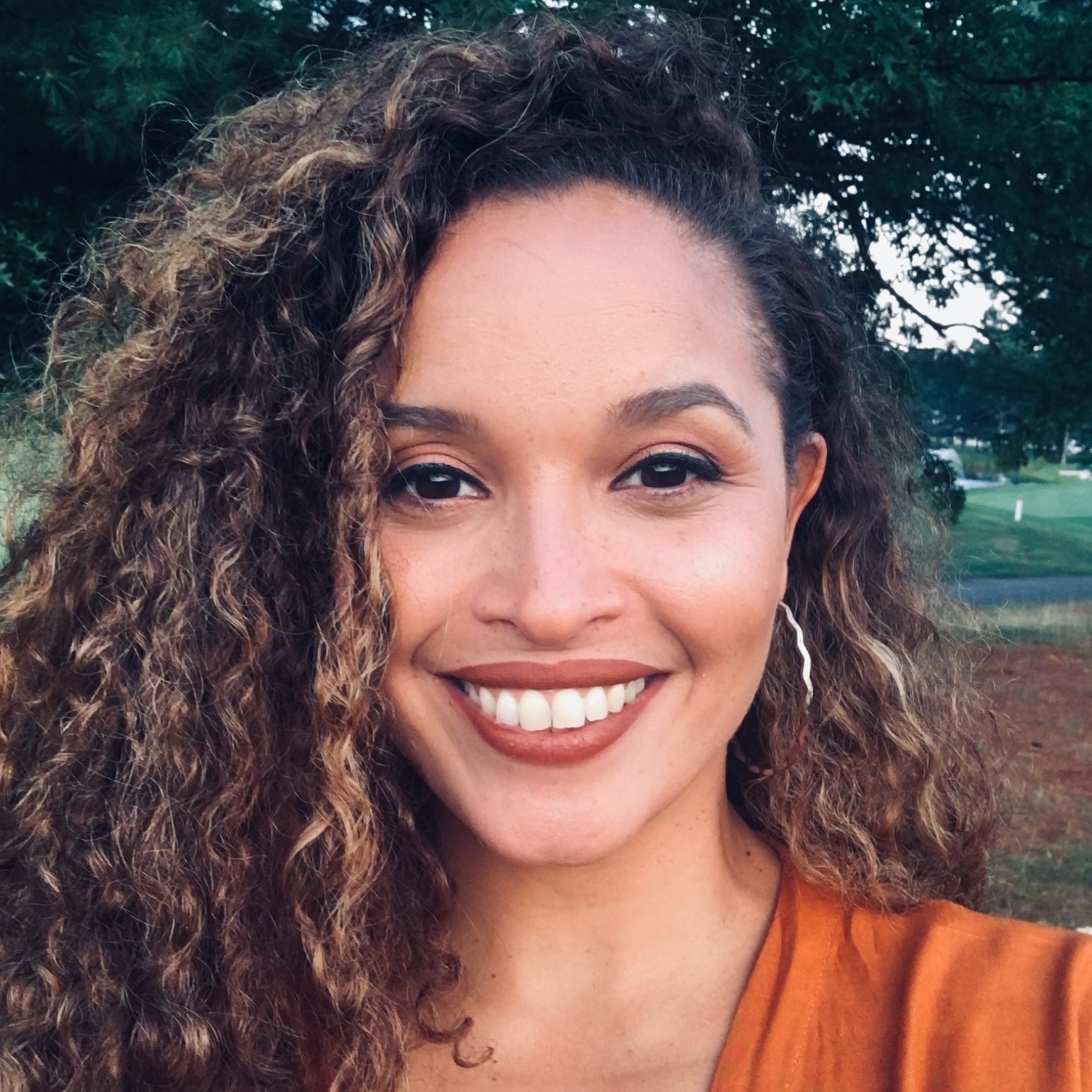
When she questioned her mother about the long waiting times and communication barriers, her mother replied that there simply were not enough doctors who spoke Spanish. That conversation cemented Dr. Mora’s resolve to enter the medical profession and provide competent, compassionate care to patients in their native language.
Today, Dr. Mora is a highly accomplished physician, a recognized leader in the field of allergy and immunology, and a fellow with the National Hispanic Medical Association (NHMA). Her clinical work emphasizes both high-standard specialized care and rigorous infection control practices designed to safeguard vulnerable populations from the spread of infectious diseases.
Community Health Indicators and Local Action
Understanding the broader health landscape in local neighborhoods remains a critical step in addressing health disparities. Organizations and community advocates seeking to evaluate health metrics in their respective regions can utilize resources such as the Salud America! Health Report Card.
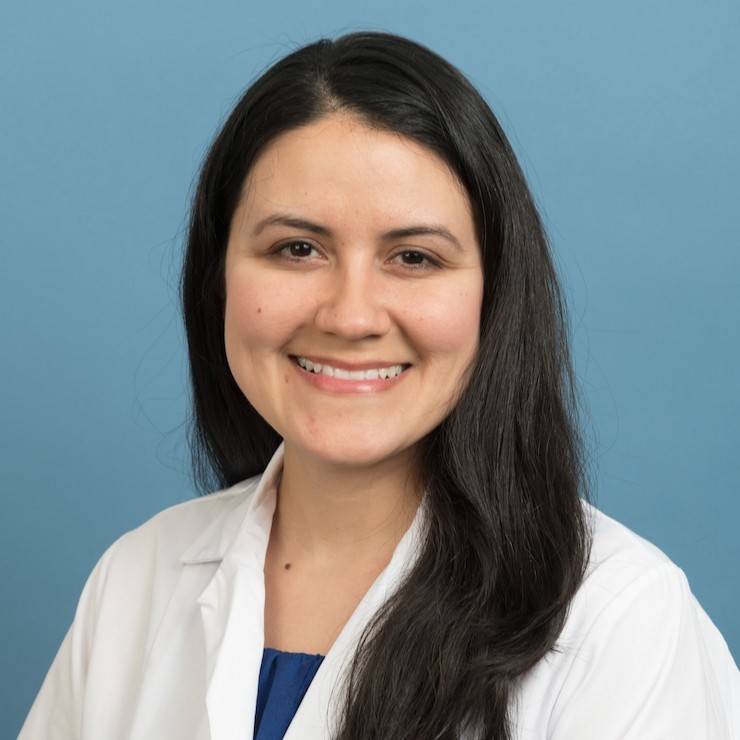
By entering a specific county name, individuals can access auto-generated local data featuring interactive maps and comparative gauges across numerous health indicators. These reports encompass multiple domains, including education, housing, transportation, food access, and general health metrics, allowing users to benchmark their local community against state and national averages. Local leaders, researchers, and advocates frequently leverage these data tools to raise awareness, support grant proposals, and inform community presentations aimed at fostering healthy systemic changes.