









The modern living space is undergoing a significant transformation, moving away from the sterile minimalism of past years and embracing interiors that speak directly to personal identity, heritage, and warmth. Interior design trends for 2025 reject the notion of cookie-cutter furniture and quiet white walls, favoring instead bold color palettes, rich textures, and elements that tell a distinct story. Within this broader design evolution, Latinx culture is taking center stage, inspiring spaces that honor ancestral roots while seamlessly incorporating modern sensibilities.
Design experts note that the current emphasis on authenticity, raw natural materials, and maximalist expression closely mirrors long-standing traditions within the Latinx community. Known for an innate ability to harmonize the old with the new—such as pairing an abuelita’s vintage, colorful, thick-glassed vase with a sleek, voice-activated smart device—Latinx households are uniquely positioned to lead the interior design landscape this year. As consumers seek out ways to update their living spaces with meaningful and trendy details, several key design movements are defining the aesthetic of 2025.
The foundation of this year’s visual shift begins with a grounded, natural color palette heavily influenced by earthy tones. Pantone’s selection of "Mocha Mousse" as its color of the year has paved the way for rich cacao and coffee hues, which designers utilize to cultivate elegant and comforting atmospheres. This warm spectrum is further expanded by earthy terracottas, serenity-invoking sage green, muted yellows, golden mustards, and deep ruby reds that add a layer of intensity to residential spaces.
These hues bear a strong resemblance to the nature-connected cultures of Latin America and are frequently found woven into traditional Indigenous textiles. By incorporating these colors into modern homes, residents are able to create environments that feel simultaneously cozy, alive, and deeply connected to their heritage. Accessible retail collaborations, such as the partnership between Becky G, her mother Alejandra, and Walmart, have made it increasingly feasible for consumers to source reasonably priced, stylish decor that aligns with these trending earthy palettes.
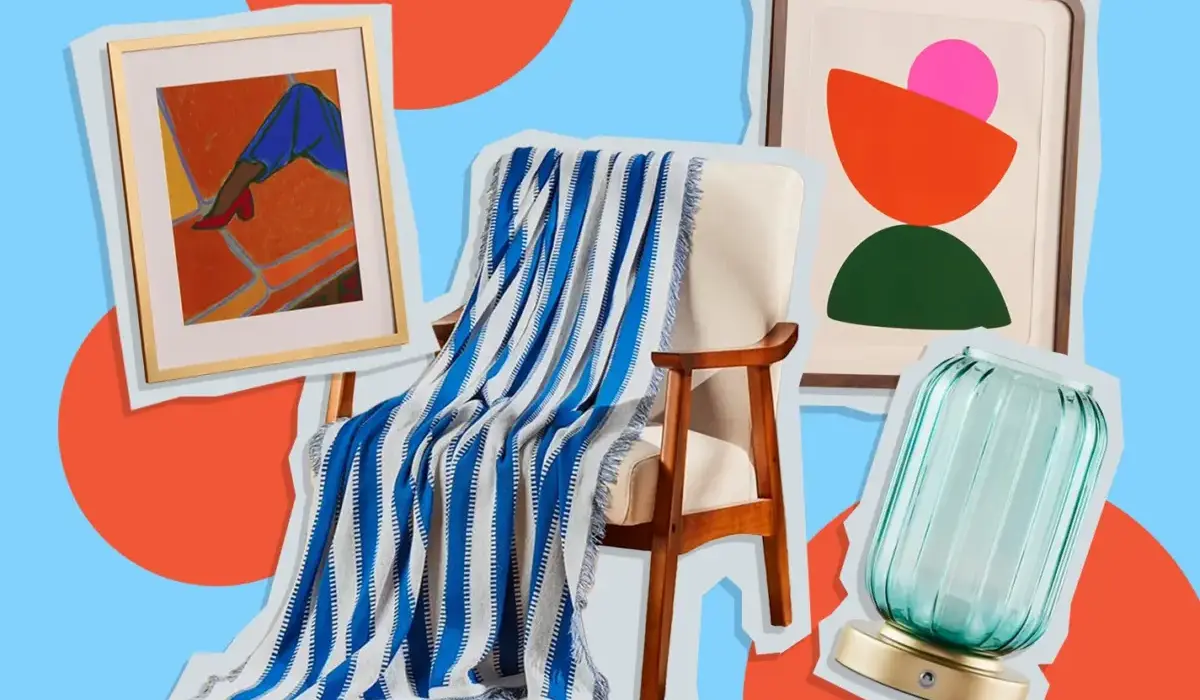
Building upon this warm foundation, interior styling is officially embracing the maximalist impulse, encouraging individuals to push their creativity to the limit rather than keeping things understated. This approach invites abundance, layering, and intense personal expression through the strategic combination of bold patterns and tactile contrasts. Homeowners are encouraged to layer rustic elements, such as orange-striped rugs beneath wooden-framed chairs, and accent them with decorative green pillows featuring woven details.
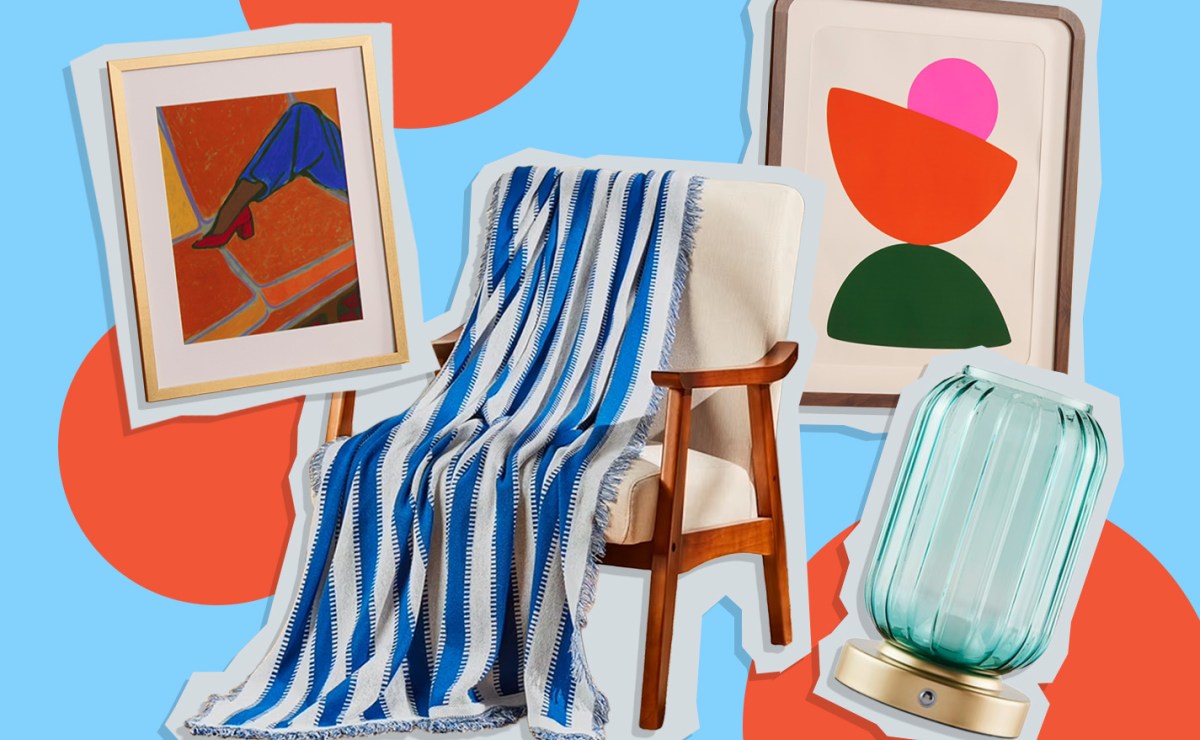
Personalization remains paramount in this maximalist wave, with gallery walls featuring family photographs, eclectic watercolor art in mixed frames, and culturally significant textiles taking prominent positions in the home. Whether it is a hand-woven tapestry acquired during a trip back home or a cherished family heirloom, items that channel an individual’s inner soul are being brought to the forefront of interior composition.
In tandem with this visual abundance, the architectural lines of furniture are softening considerably. Rigid edges and sharp corners are giving way to wavy couches, arched lines, and circular flows that evoke the movement and calm of water. This shift toward softer, more human-centered forms creates a natural sense of harmony within a room.
Interior layouts are increasingly featuring soft-edged wooden coffee tables, rounded mirrors, and curvy rattan chairs. Among the standout pieces gaining popularity are velvety, mustard-colored sofas with rounded silhouettes, paired with copper-reddish cushions designed to fit a wide variety of living spaces.
Texture is another critical pillar of the 2025 design narrative, driven by a growing demand for sustainable and organic materials. The rich textile heritage of Latin America provides a natural blueprint for this trend, where the secret lies in mixing raw wood grains with plush boucle fabrics. Homeowners are updating classic armchairs by draping them with cozy mantas woven from mixed knitting patterns, diverse hues, and natural fibers.
Layering has also extended to woven baskets, hand-dyed textiles, and textured ceramics, while eco-friendly materials like recycled fabrics, bamboo, and hemp occupy a significant footprint in contemporary manufacturing. To reinforce this organic aesthetic, many are incorporating terracotta macetas filled with resilient indoor trees—such as palms, banana trees, and olive trees—into the corners of their living spaces.
Rounding out the design trends for 2025 is the prominent return of metallic accents, offering a subtle nod to traditional Latin American art and jewelry, particularly those associated with the Aztecs. Warm yellowish metals, including gold and bronze, are being utilized to introduce elegance and visual brightness while tying seamlessly into the year’s earthy color foundations.
These metallic finishes are manifesting in everyday items such as cutlery, glassware, and decorative bottles meant to enliven family gatherings, as well as in more permanent fixtures like wooden coffee tables featuring metallic inlays. Golden light fixtures, bronze hanging ornaments, and rich golden velvet pillow covers are likewise being deployed to elevate standard sofa collections.
Ultimately, the defining ethos of 2025 home decor centers on individuality, sustainability, and cultural richness. As homeowners increasingly look for ways to make their living environments reflect their personal and cultural narratives, the boundaries between contemporary design and traditional craftsmanship continue to blur. By blending heirloom crochet tablecloths, handwoven quilts, and iconic cultural imagery with modern golden lamps, large-leafed plants, and forward-thinking design elements, spaces are being transformed into living mood boards of identity and warmth.