











September 03, 2026 – 13:25
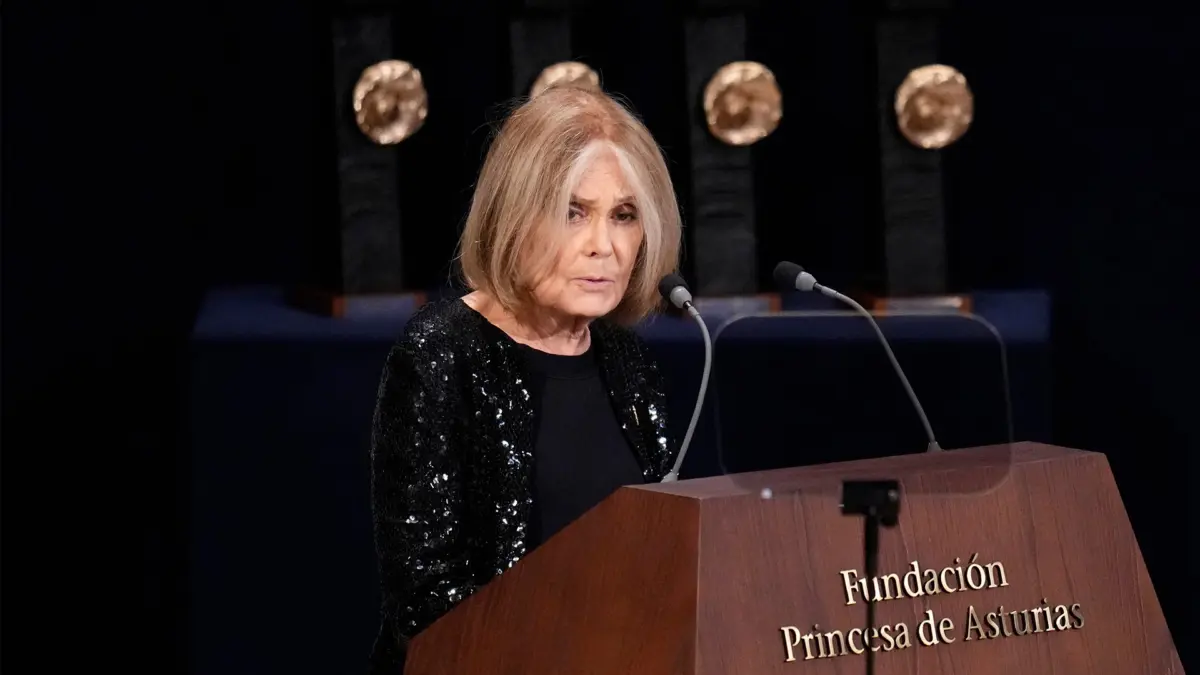
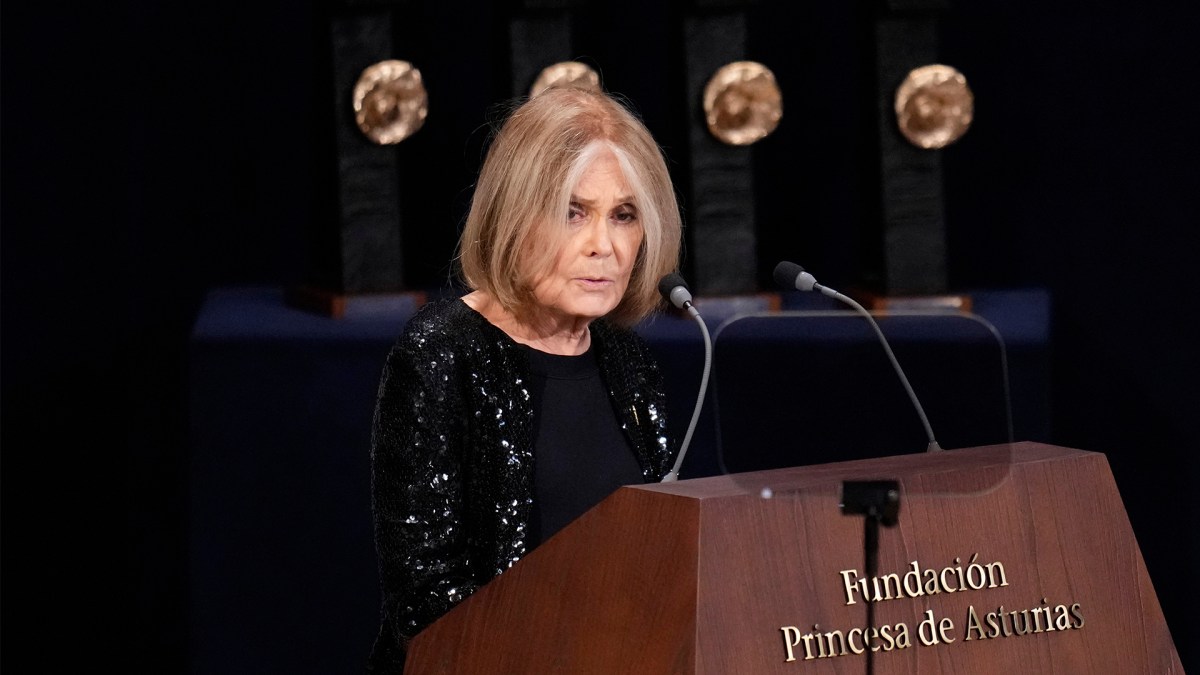
Gloria Steinem leaves behind a monumental legacy as one of the defining pioneers of the modern feminist movement. Yet, beyond her foundational work in championing gender equality on a global scale, Steinem was also a steadfast, lifelong ally to the Latine community. Her passing on Wednesday, September 2, marks the end of an era for social justice advocacy, prompting reflections on a life spent building bridges across diverse marginalized communities.
Throughout her decades-long career, the renowned journalist and activist fought relentlessly for women’s rights alongside countless Black and brown organizers. Among her most significant and enduring partnerships was her alliance with Dolores Huerta, one of the most influential civil rights and labor leaders of her generation. Their decades of collaboration offer a profound window into the practice of intersectional feminism long before the term became a cornerstone of modern social theory.
The historic relationship between Steinem and Huerta began in the late 1960s under high-stakes circumstances. At the time, Huerta, a visionary Chicana leader, was directing the first National Boycott of California Table Grapes in New York City. The labor action was a vital component of the broader struggle led by the United Farm Workers to secure fair wages, better working conditions, and basic human dignity for agricultural laborers, the vast majority of whom were Mexican and Filipino immigrants.
Recognizing the immense importance of the farmworkers’ struggle, Steinem stepped in to leverage her burgeoning media influence. As a prominent writer and organizer, Steinem used her extensive media connections to help the grape boycott gain national momentum, cutting through mainstream media indifference and bringing the plight of California farmworkers into the living rooms of everyday Americans. This act of solidarity marked the beginning of a partnership that would span more than half a century.
As their friendship deepened, Steinem and Huerta regularly joined forces on the front lines of social justice, participating in countless protests, rallies, and marches dedicated to advancing both women’s rights and farmworkers’ rights. Reflecting on their shared activism years later, Steinem often credited Huerta with teaching white feminists a vital lesson on how to make their voices truly heard. Specifically, Steinem noted that Huerta showed mainstream feminists the power of showing up physically, standing shoulder-to-shoulder on the picket lines, and anchoring their rhetoric in the material realities of working-class women.
The influence, however, was profoundly mutual. Huerta has frequently spoken about how her collaboration with Steinem fundamentally shifted her own political consciousness. Steinem helped Huerta recognize how deeply institutionalized sexism was embedded not only in American society at large, but also within the broader civil rights and labor movements, including organizations fighting for racial and economic justice. Through their conversations and shared organizing efforts, Huerta began confronting sexism from within the United Farm Workers movement, a journey that eventually led her to proudly embrace the identity of a "born-again feminist."
This dynamic exchange exemplifies the core of Steinem’s approach to activism. Rather than viewing the fight for gender equality through a narrow, single-issue lens, Steinem practiced an intersectional form of feminism that recognized the inseparable links between gender, race, class, and labor rights. She consistently sought out and worked alongside Latina organizers, recognizing that the liberation of women could never be achieved without centering the leadership and experiences of women of color.
Furthermore, Steinem actively used her platform to amplify Latinas’ voices and perspectives. As a co-founder and driving force behind Ms. magazine—the groundbreaking feminist publication launched in the early 1970s—Steinem ensured that the publication regularly featured stories, essays, and investigative reporting by and about Latina activists, writers, and workers. By opening the doors of mainstream feminist media to diverse voices, she helped dismantle the monolithic narrative that had previously dominated the early women’s liberation movement.
Steinem’s unwavering commitment to honoring the contributions of Latina leaders continued right up until her final days. Just months before her death, Steinem penned Huerta’s tribute for the 2026 TIME100 list of the world’s most influential people. In the piece, Steinem described Huerta as "a fierce political organizer" whose tireless lifelong work firmly cemented her status as "a civil rights and labor icon." The tribute stood as a fitting testament to a mutual admiration society that had endured for over fifty years, bridging cultural divides and strengthening the broader progressive movement.
As tributes pour in from around the globe following her passing, Steinem is remembered not only as a visionary leader who sought equality for all women, but also as a dedicated coalition builder. Her life’s work demonstrated that true solidarity requires listening, mutual education, and an enduring commitment to standing with marginalized communities in their fights for justice and equity.