









By Anna Ortega
September 24, 2026
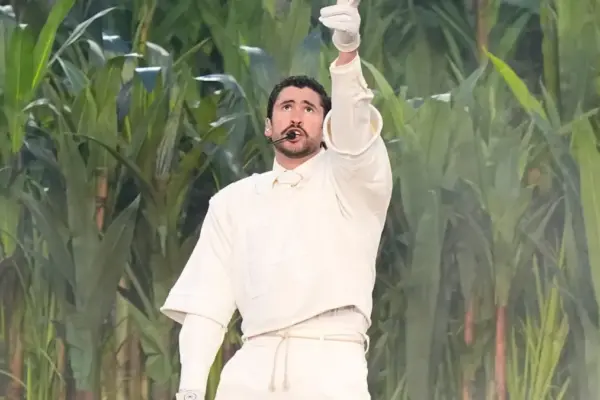
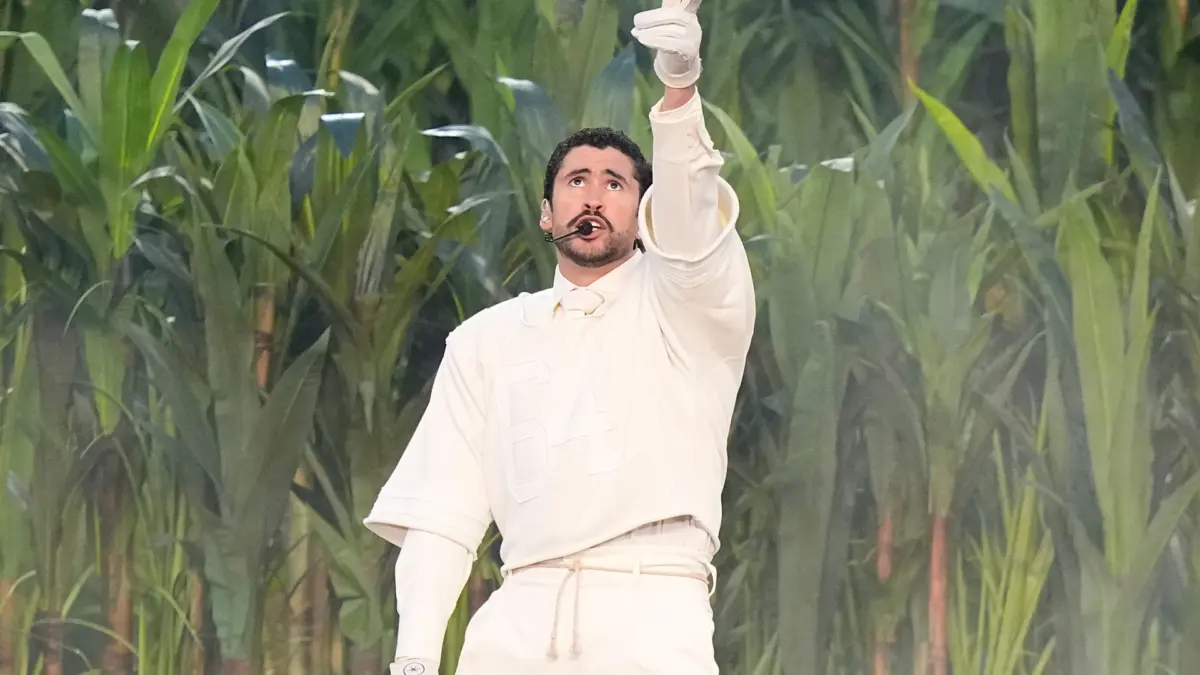
Bad Bunny has long established himself as one of the most outspoken and culturally resonant Latin artists of his generation, consistently leveraging his massive global platform and chart-topping music to celebrate Puerto Rican culture while shedding light on the complex socioeconomic realities, struggles, and political challenges facing the island. Among his extensive catalog, his critically acclaimed and fan-favorite track “LO QUE LE PASÓ A HAWAII” has resonated deeply with listeners far beyond the Caribbean, becoming a powerful anthem associated with themes of displacement, cultural loss, the insidious impacts of colonialism, and the fight for local autonomy. Now, that very song has crossed international borders in an unexpected way, as the Puerto Rican superstar has officially granted Brazilian President Luiz Inácio Lula da Silva permission to use the track in his administration’s latest campaign advertisement.
The newly released campaign advertisement, which debuted on Wednesday, September 23, features a compelling Portuguese-language adaptation of Benito’s hit song. The overarching message of the political spot is direct and unmistakable: Brazilians, and Brazilians alone, should be the ones to determine the present and future of their own nation, completely free from external pressures, foreign meddling, and international coercion. In a standout moment from the advertisement, President Lula can be heard delivering a powerful and definitive declaration to the camera, stating, “O Brasil tem um único dono: o povo Brasileiro,” which translates directly in English to, “Brazil has only one owner: the Brazilian people.”
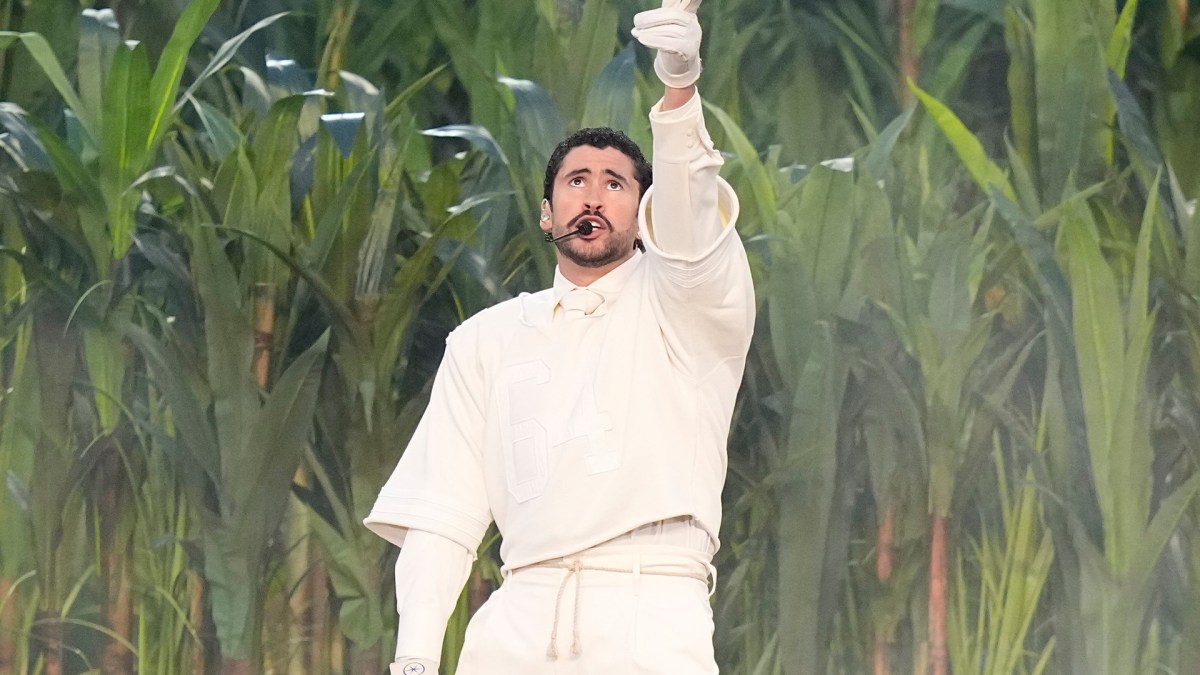
Throughout the course of his second presidential term, President Lula da Silva has made the rigorous defense of Brazil’s national sovereignty, territorial integrity, and vast natural resources a cornerstone of his administration. This steadfast approach has grown increasingly urgent in the face of persistent foreign interference, most notably from the United States. Over the past couple of years, diplomatic and economic tensions have been steadily brewing between Brasilia and Washington. These frictions have been compounded by specific policy actions from the Trump administration, including the imposition of unilateral tariffs on key Brazilian goods and exports, as well as politically charged diplomatic gestures, such as inviting Lula’s prominent domestic political rival, Flavio Bolsonaro, for a high-profile visit to the Oval Office.
The timing of the campaign ad closely follows President Lula’s hard-hitting address at the United Nations General Assembly in New York City. During his speech before the international body, the Brazilian leader issued a sharp rebuke against foreign interference in the internal affairs of Latin American nations, addressing the issue broadly without directly naming the United States. In a line that drew widespread international attention and immediately reverberated across diplomatic circles, Lula firmly declared, “Brazil doesn’t belong in anyone’s backyard.” By invoking this anti-interventionist stance on the global stage, the administration laid clear philosophical groundwork that the newly launched campaign advertisement builds upon using cultural touchstones.
The unexpected crossover between a towering figure in global Latin trap and reggaeton and a veteran South American leftist statesman has taken political analysts, music critics, and fans completely by surprise. While mainstream political campaigns frequently license popular music to rally voter enthusiasm, the collaboration between Lula da Silva and Bad Bunny carries a distinct ideological weight, connecting the Puerto Rican artist’s artistic lament over island displacement and external exploitation to broader continental struggles against hegemony and economic imperialism. It remains a fascinating illustration of how contemporary Latin American politics, regional debates over national sovereignty, and popular culture continue to intersect in unprecedented ways through Benito’s enduring musical legacy.