











Heart disease remains the leading cause of death among Latinos in the United States, presenting a persistent and multifaceted public health challenge that experts say requires urgent intervention. Amid widening disparities in hypertension control, obesity, and diabetes within Hispanic populations, health authorities are renewing their focus on the complex web of medical, social, and environmental factors that elevate the risk of cardiovascular disease and stroke.

A newly released scientific statement from the American Heart Association (AHA) underscores these growing concerns, calling for a fundamental shift in how cardiovascular health is approached within diverse Hispanic communities. According to the AHA report, tackling these disparities necessitates a deeper understanding of the unique drivers of heart disease, bridging persistent gaps in language and insurance access, and implementing culturally tailored public health policies and medical interventions.
Heart Issues Among Latinos: An Earlier and Prevalent Crisis
The AHA scientific statement reveals that cardiovascular issues are not only highly prevalent among U.S. Latinos but also tend to emerge earlier in life compared to other populations. This early onset compounds the long-term burden of heart disease, leading to more severe health outcomes over time. The data highlights widening divides across key cardiovascular health metrics, disease burdens, and overall outcomes, while simultaneously pointing to critical gaps in disaggregated data that often mask the diverse experiences of specific Hispanic subgroups.

Public health researchers emphasize that treating cardiovascular disease in Hispanic communities cannot be achieved through a one-size-fits-all approach. Because the Latino population comprises individuals from numerous countries of origin with varying socioeconomic backgrounds, dietary habits, and genetic profiles, the lack of granular, disaggregated health data has historically hindered the development of precise medical and preventive strategies. Without detailed data, policymakers and healthcare providers struggle to allocate resources effectively to the subgroups most at risk.
Risk Factors and the Impact of Non-Medical Drivers of Health
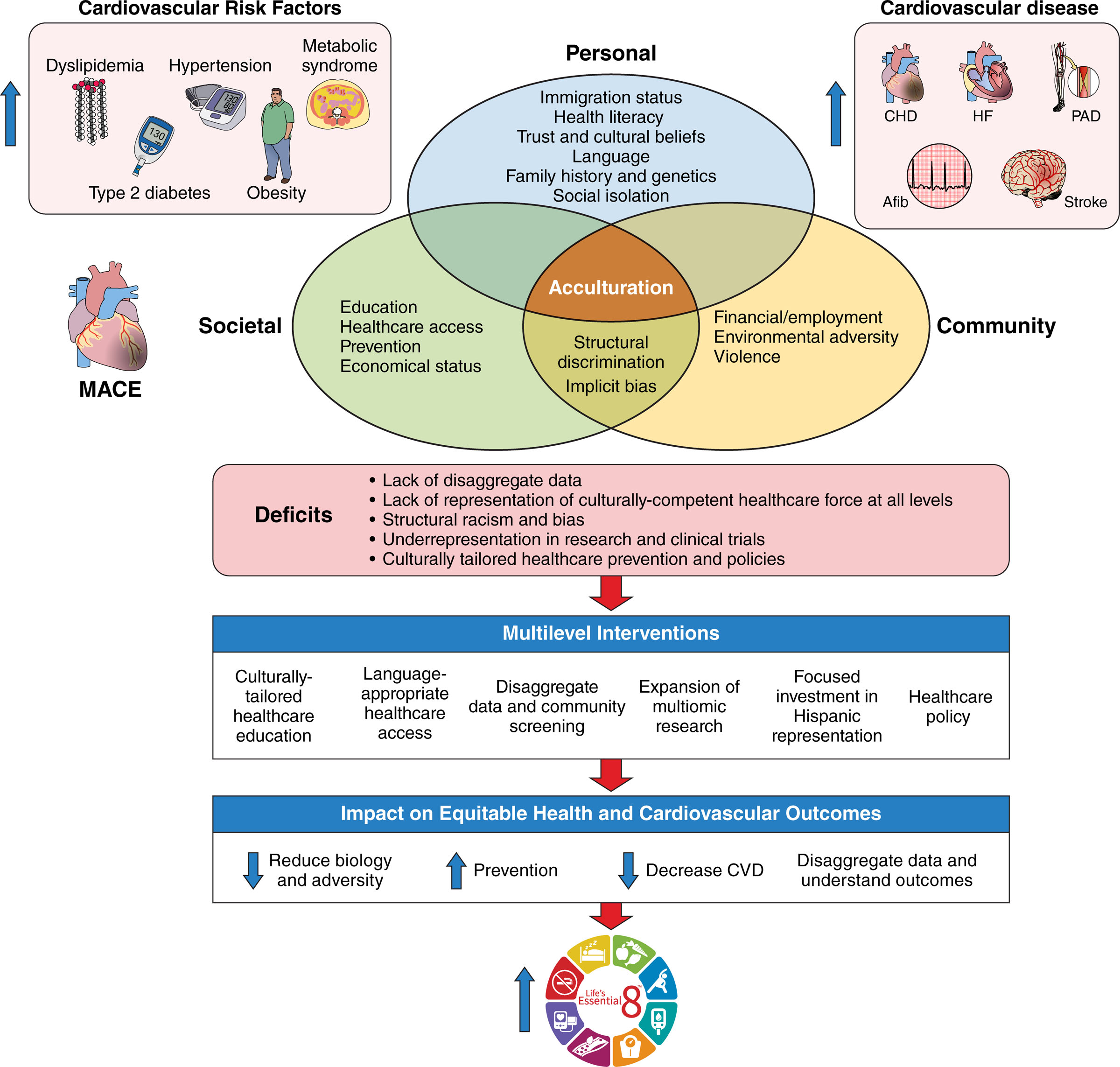
The new AHA statement details a wide array of risk factors that directly impact the heart health of Hispanic adults. Beyond traditional medical risk factors such as hypertension, obesity, and diabetes, experts point to non-medical drivers of health—frequently referred to as social determinants of health—as critical contributors to cardiovascular disparities. These non-medical factors encompass access to affordable housing, nutritious food, reliable transportation, quality education, healthcare infrastructure, and income levels across the various environments where people live, learn, work, and age.
Environmental exposures and psychosocial stressors also play a profound role in shaping cardiovascular risk among Latinos. Chronic stress associated with economic insecurity, systemic barriers, and navigating healthcare systems in a non-native language can take a heavy toll on cardiovascular health over time.
To combat these systemic issues, the AHA’s scientific statement outlines several key priorities for the future of cardiovascular health among Hispanic adults. These priorities include significantly expanding disaggregated data collection, increasing the representation of Hispanic participants in clinical research, and ensuring the equitable implementation of modern precision medicine approaches. This includes leveraging genomics, multi-omics, and artificial intelligence to better predict and prevent heart disease, while simultaneously addressing the policy-related drivers of health disparities.

Expanding Access and Community-Level Support
In alignment with Hispanic Heritage Month, organizations like the AHA are actively building and expanding resources designed to address heart health disparities head-on. These initiatives include the development of bilingual materials to guide individuals toward healthier lifestyles, better nutrition, and more effective management of chronic conditions like high blood pressure and diabetes.
Furthermore, the AHA is promoting economic and community empowerment through programs such as the EmPOWERED to Serve Business Accelerator. This initiative is designed to support local communities, small businesses, and community-based innovators as they work to address health disparities through targeted training, mentorship, and funding opportunities. By fostering local leadership and supporting grassroots economic stability, these programs aim to strengthen the foundational elements that allow individuals to maintain better health.

Measuring Local Health Equity to Drive Change
Addressing the non-medical drivers of health requires localized insight, allowing community leaders, advocates, and policymakers to see precisely where intervention is most needed. Public health advocates suggest utilizing tools like the Salud America! Health Equity Report Card to examine conditions at the county level. By entering a specific county name, users can generate local data complete with interactive maps and comparative gauges covering crucial indicators such as education, housing, transportation, food access, and healthcare resources.
These report cards allow communities to visualize how their local metrics stack up against state and national averages. Equipped with concrete data, advocates can share these insights with local leaders, integrate them into grant proposals, or raise awareness through public presentations and digital media. By shining a light on local inequities, communities can better advocate for the systemic policy changes necessary to improve cardiovascular health outcomes for Latinos across the United States.