











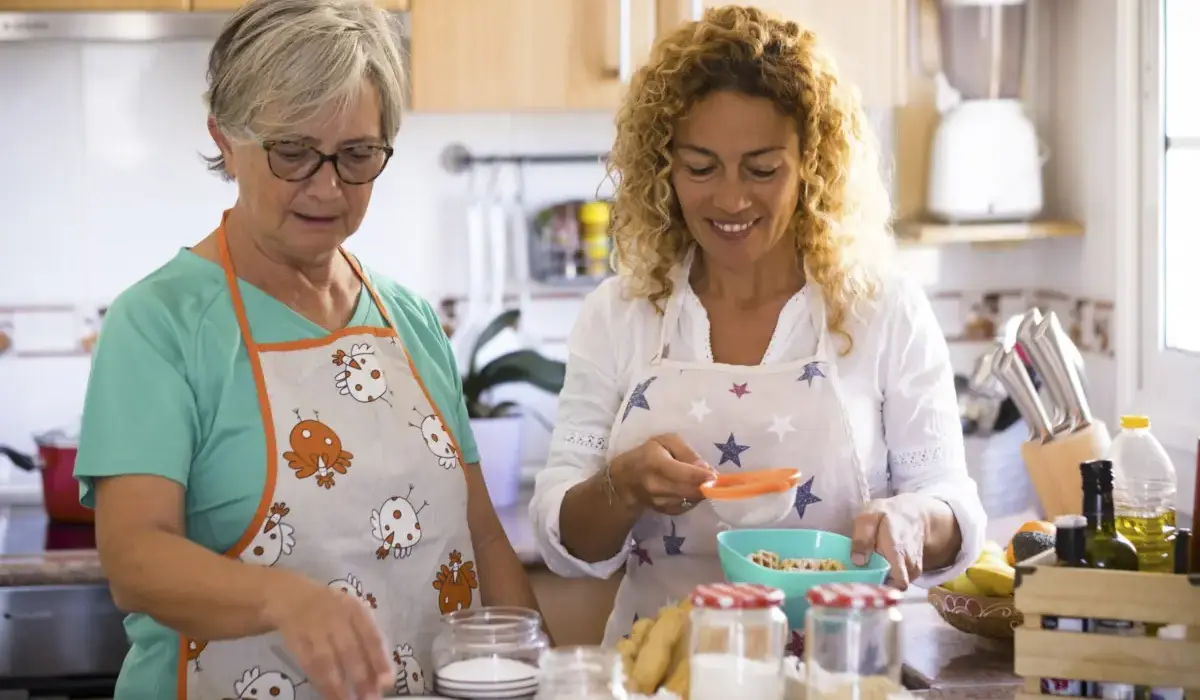
In many households around the world, the kitchen serves as far more than a functional space for food preparation. It operates as the emotional center of the home—a place where family narratives unfold, laughter fills the air, and the enduring wisdom of previous generations lives on through traditional recipes. For many families, food acts as a vital bridge across generations, connecting modern descendants to their cultural roots while simultaneously forging fresh holiday traditions.
Following a challenging year, families everywhere are increasingly eager to embrace the warmth and coziness of Nochebuena and Christmas alongside their loved ones. The anticipation centers heavily on sharing comfort foods and childhood favorites that serve as potent reminders of what truly matters: togetherness, shared meals, and the familiar flavors that instantly evoke a sense of home. Across communities, holiday preparations highlight dishes deeply rooted in nostalgia, showcasing recipes filled with history and heart that can be easily recreated with a few accessible kitchen essentials.
Abuela’s Caldo de Pollo
Few culinary creations rival a traditional bowl of caldo de pollo during the colder months of the year. Acting as a welcoming starter that warms the spirit, a steaming bowl of chicken soup slowly simmered with fresh vegetables and aromatic seasonings offers unmatched comfort. Within many households, this dish functions as a universal remedy administered by mothers for a variety of life’s ailments, whether treating a common cold, soothing a broken heart, or simply offering recovery from a long and exhausting day.
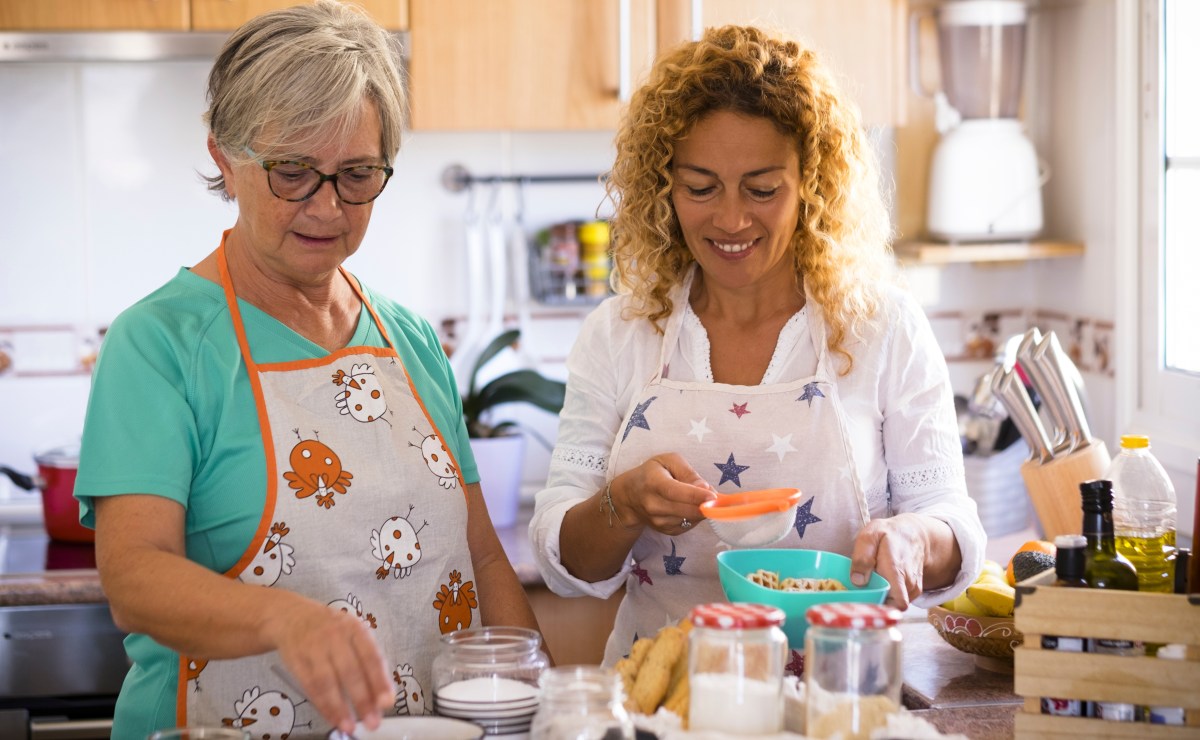
Recreating this traditional dish typically involves skinless chicken thighs, carrots, potatoes, corn, and butternut squash, enhanced with a sprinkle of fresh cilantro, oregano, and parsley, along with sea salt. A frequent signature addition includes a medium Japanese sweet potato, which contributes a naturally sweet fragrance to the broth. The preparation method remains remarkably straightforward: gathering ingredients, chopping vegetables, and cooking everything together in boiling water with chosen seasonings.
The success of the dish relies heavily on timing. Cooks generally bring water to a boil, add the firmest ingredients first, and then reduce the heat to a medium setting. Once those components begin to soften, more delicate ingredients are introduced, allowing their flavors to meld harmoniously. Culinary enthusiasts often utilize cast-iron Dutch ovens to elevate the preparation process, as heavy-bottomed vessels distribute heat evenly and create an optimal environment for simmering.
Serving the soup in ceramic bowls helps retain heat throughout the meal, while shiny stainless-steel spoons complete the presentation. For an extra touch of warmth, some home cooks place a slice of bread topped with cheese under the broiler for a few minutes before serving. The resulting dish remains effortlessly delicious, functioning as comfort food at its finest—healing, heartwarming, and capable of bringing people together to nourish both body and soul during the holiday season.

Empanadas for Sharing
As a pan-Latin American staple, empanadas appear across diverse countries and regions, with each locality claiming its own unique culinary twist. In many childhood homes, the collective preparation and baking of empanadas has traditionally been approached as a collaborative group effort. From rolling out the dough and filling it with savory meats or cheeses to crimping the edges, the involvement of multiple family members transforms the kitchen into a lively hub of teamwork and interaction.
Childhood memories often include standing on benches near kitchen counters, sneaking pieces of filling while learning signature folding techniques from parents and grandparents. Because meat fillings were historically viewed as a special treat, families frequently exercised creativity by incorporating alternative ingredients such as cheese, corn, spinach, and tuna. These handheld pastries stand out as exceptionally convivial foods, possessing a unique capacity to unite individuals around the table regardless of the specific filling chosen.
Achieving the ideal batch often involves the use of commercial aluminum baking pans, which conduct heat evenly to ensure consistent results. Finished empanadas are frequently served on lightweight plates accompanied by festive holiday paper napkins, facilitating a relaxed environment for gathering and snacking. Throughout the holiday season, these baked goods consistently deliver the shared joy of community and connection.

Arroz con Leche
The grand finale of many traditional holiday gatherings comes in the form of a warm, creamy, and lightly sweet arroz con leche. Often finished with a swirl of dulce de leche and spiced generously with cinnamon just as previous generations prepared it, this rice pudding stands as the ultimate dessert comfort. For many individuals, the very mention of the dish evokes powerful childhood memories, capturing the essence of home and heritage that families long to experience during major celebrations.
While individual families infuse the recipe with their own unique touches—incorporating lemon or orange zest, raisins, or a splash of condensed milk—the foundation relies on accessible pantry staples such as rice, milk, and sugar. These straightforward ingredients expand easily to generate generous quantities capable of satisfying large family gatherings. Traditional preparation methods emphasize the necessity of patience and constant attention, requiring the rice to cook slowly on low heat until the consistency reaches perfection.
Achieving the ideal texture—neither overly thick nor too runny—while preventing the milk from scorching presents the primary challenge of the process. Cooks frequently rely on nonstick saucepans and wooden spoons to manage the stovetop environment. The choice of rice also plays a crucial role; short-grain varieties like Arborio or Calrose release greater amounts of starch. When combined with whole milk, or lactose-free alternatives to accommodate dietary needs, these starches produce the velvety texture expected of a traditional rice pudding.

The preparation process itself often transforms into a deliberate ritual. Spanning anywhere from thirty to fifty minutes of continuous presence beside the stove, the activity invites cooks to slow down their pace. As the aroma of cinnamon and warm milk fills the space, the kitchen becomes a place of mindfulness, rooted in the simple, soothing act of creating nourishment with care. Served warm and garnished with organic cinnamon sticks during family gatherings, the dessert reliably prompts nostalgic storytelling and shared laughter.
Food consistently demonstrates that it functions as far more than mere physical nourishment. It operates as a repository for family memories, cultural tradition, and interpersonal connection. These enduring recipes underscore the reality that even amidst challenging times, communities and families can cultivate joy through simple, shared acts: sitting together, passing plates across the table, and carrying the culinary wisdom of past generations into modern homes.