








For Claudia Perez-Favela, cancer has always been the ultimate elephant in the room. Growing up, she watched members of her Latino family quietly endure the ravages of cancer, with some even perishing from the disease over the years. Yet, despite the heavy emotional and physical toll, these experiences were never openly shared or discussed.
"In my family, cancer is like the flu," she reflected, capturing the casual yet chilling familiarity the disease held in her household.
Because cancer remained such a deeply taboo subject, when Claudia eventually contracted cervical cancer triggered by the human papillomavirus (HPV), she found herself isolated, unable to turn to her family for the support she desperately needed. The cultural weight of the diagnosis came with heavy assumptions. "They are gonna say… I got cancer because I did something wrong… we don’t talk about cancer," she explained.
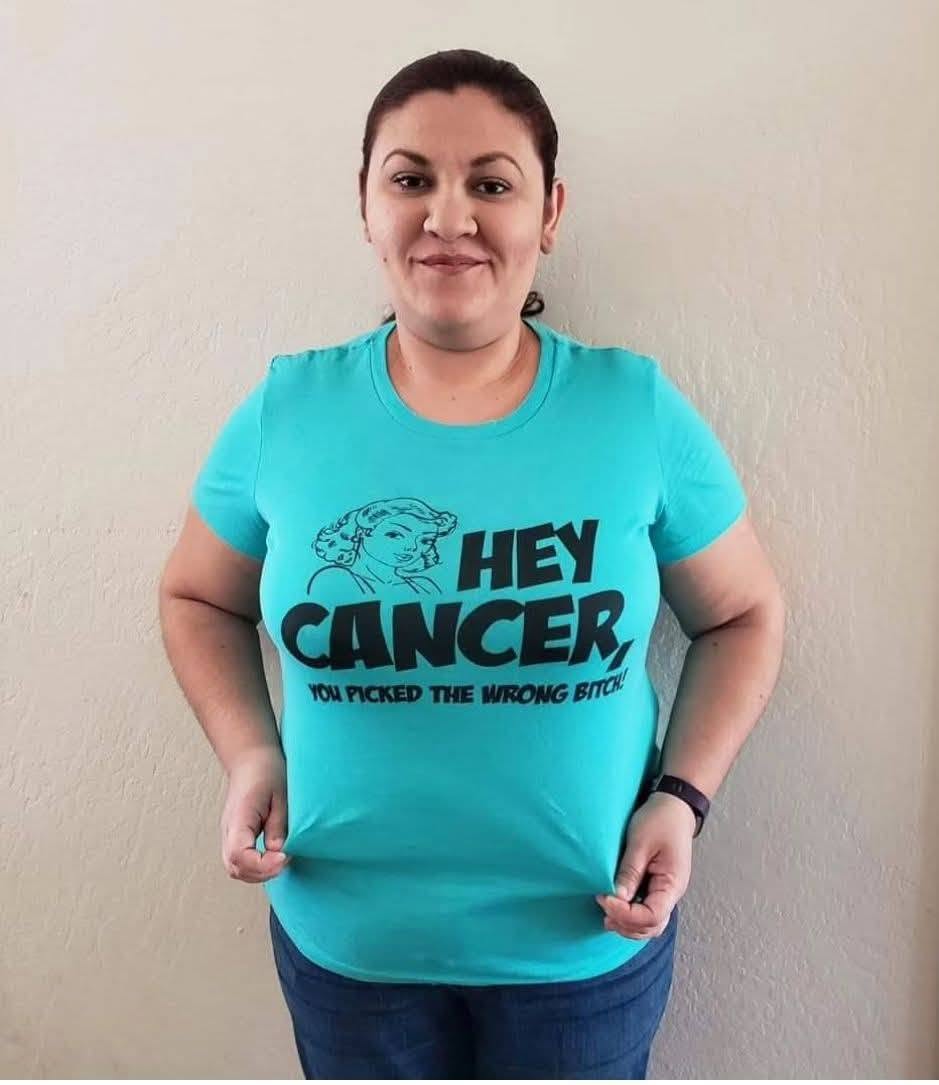
Rather than remaining silent and suffering in the shadows, Claudia chose to shake off the heavy stigma surrounding her diagnosis. She made the courageous decision to share her story publicly and challenge the harmful falsehoods and misconceptions associated with HPV, ensuring that other women in similar positions could stay informed and protected against preventable cancers.
Challenges to Health Care
Claudia’s journey through the health care system has been fraught with systemic obstacles. Born and raised in Sinaloa, Mexico, she immigrated to the United States in 2010 at the age of 30, settling down in San Diego with her husband and starting a family. During those early years in San Diego, the family lacked health insurance, forcing them to regularly drive several hours across the border to Mexico to receive basic medical care.
"My husband had a job, and we were low income. I didn’t know I qualified for any program. I tried to apply, but I didn’t qualify," she recalled, highlighting the administrative barriers often faced by immigrant families.
Whenever Claudia needed gynecological care, she relied on a trusted doctor in Mexico who had previously overseen her pregnancies and managed her polycystic ovary syndrome (PCOS)—a hormonal disorder affecting the ovaries that frequently causes disruptions in menstrual cycles. Later, the family relocated to Imperial Valley, California, a small town situated right along the Mexican border, but obtaining her yearly Pap test still required a lengthy, inconvenient trip to Tijuana.
Following the tragic death of her mother from ovarian cancer in 2013, Claudia became hyper-vigilant, taking all necessary precautions to monitor her reproductive health. That proactive stance was put to the test one day in 2017 when she experienced a menstrual period that was noticeably and alarmingly different from anything she had known before.

"It was so much higher than other times. It was like a hemorrhage. I couldn’t stop bleeding. It was very high bleeding and I was worried. It was a red flag, because my mom, before she was diagnosed with ovarian cancer she went through the same thing," Claudia described.
Recognizing the urgent warning sign, she immediately scheduled an appointment with a doctor, aligning the visit with a planned summer family vacation to Tijuana three months later. By the time she finally saw the physician, however, the bleeding had subsided, and there was no immediate issue requiring medical intervention. Still, the terrifying episode served as a massive wakeup call. Claudia realized she needed to establish care with an American doctor to maintain consistent preventative health screenings.
Once she was added to her husband’s employer-sponsored health insurance plan, Claudia set out to find a local provider, but navigating the complexities of the American health care system proved remarkably difficult and confusing. She struggled to understand the prolonged waiting lists for routine appointments—a stark contrast to her experiences in Mexico, where she could typically call and be seen by a doctor the very next day.
When she finally secured an appointment, Claudia carefully detailed her symptoms and her family history of cancer. In response, her healthcare provider ordered a Pap test along with a biomarker screening, assuring her they would follow up if anything abnormal was detected. "I always say I was looking for ovarian cancer," Claudia noted, reflecting her primary fear at the time.
Initially, her Pap test results came back normal, offering temporary relief. But two weeks later, she received an unexpected and startling phone call.
"They called me and they said, ‘We are calling you because you need to come in because there was a problem with your Pap test.’ I say, ‘No, my Pap test is negative.’ ‘Oh, yeah, but you tested positive for HPV,’" she recounted.
HPV and Cancer Diagnosis
To confirm the unexpected findings, Claudia returned to the clinic for a colposcopy. Two weeks later, she sat down to receive the results that would alter the course of her life: she was told she had cancer.
The news was entirely incomprehensible. How could she have just been informed that she tested positive for HPV, only to be told shortly after that she had cancer? Due to an aggressive strain of the virus, precancerous cells had quietly formed in her cervix.
"I didn’t hear precancerous, I just heard cancer, and I started crying because it was the same month my mom died," Claudia said.
The emotional blow was compounded by her interaction with her healthcare provider. When Claudia asked how she could have contracted HPV, the doctor informed her that the virus must have resulted from having multiple sexual partners. The assertion left Claudia floored and deeply offended, as she had only ever been with one man—her husband.
When she shared this fact, the provider casually suggested that her husband must have been unfaithful.
"I went from crying to getting mad… when I get mad, my face talks," Claudia said, recalling the flash of fury that replaced her grief. The provider instructed her to return in two weeks to discuss potential treatment options. "Those two weeks were the worst week of my life because I’m an over-thinker," she admitted.
Leaving the clinic, Claudia was overwhelmed by a swirling vortex of emotions. Upon getting into the car, she confronted her father, who had accompanied her to the appointment, blurting out the terrifying news. "She told me I had cancer and I’m gonna die like my mom… and it’s [my husband’s] fault."
Driven by a potent mix of heartbreak and anger, she repeated the accusation to her husband when she returned home. He was completely taken aback and deeply hurt by the suggestion of infidelity. What Claudia did not yet understand was that the HPV virus can remain dormant in the body for years without detection. But how could she have known this vital medical fact when HPV and sexual health were never openly discussed within her community?
Because HPV is intrinsically linked to sexual activity, open discussions regarding the virus—including effective prevention methods—remain heavily stigmatized within the Latino community. "In our community… we don’t talk about it. If you have it. You don’t talk. You don’t say nothing again. You don’t talk like that. You don’t bring this conversation up again," Claudia explained.
Though Claudia remained initially distraught over the damaging implication of infidelity, there was no evidence whatsoever to support the claim, and the couple ultimately chose to dismiss the assumption and focus on her health.
Empowerment Through Education
Desperate for clear answers, Claudia turned to Cervivor, a prominent nonprofit organization and support network dedicated to women affected by cervical cancer. Through the organization, she received accurate, compassionate education regarding HPV and her specific cancer diagnosis. The encounter provided a profound sense of calm, empowering her to take active control of her medical treatment and future care.
Mindful of her mother’s tragic passing shortly after an ovarian cancer diagnosis—where the disease was detected too late—Claudia decided to take matters into her own hands. She formally requested that her surgical team remove her ovaries during her upcoming cervical surgery to proactively eliminate the risk of developing ovarian cancer in the future.
However, her doctor initially resisted, arguing that she was too young for the procedure. Having watched multiple family members battle and succumb to cancer, and having suffered through years of painful PCOS symptoms, Claudia stood her ground.
"I say, ‘In all my family, cancer is like the flu. I don’t want to come back next year and you tell me I have ovarian cancer.’ He said, ‘Ok, but it’s going to put you into menopause.’ I don’t care. I prefer to deal with menopause than every time thinking I’m gonna have ovarian next time. I’m going to have ovarian next time," she stated firmly.
As a mother of three, Claudia felt she had far too much to lose and steadfastly refused to put her children through the trauma of another cancer diagnosis. Reluctantly, the physician agreed to the operation. Claudia underwent a radical hysterectomy and bilateral pelvic lymphadenectomy just two days shy of the fifth anniversary of her mother’s death.
Following the procedure, her removed cervix was sent out for comprehensive pathological evaluation. To her immense relief, no evidence of cancer was found, meaning no additional aggressive treatments, such as chemotherapy or radiation, were required. Later on, genetic testing revealed that Claudia carried a gene mutation increasing her susceptibility to cancer, which further validated her fierce decision to have her ovaries removed.
Survivor Turned Advocate
Despite the favorable outcome, the relatively straightforward medical resolution left Claudia feeling unexpectedly confused. "I was so glad, but at the same time I was confused," she said. "Was I a cancer patient or not?"
No one had properly explained to her what the medical phrase "no evidence of disease" truly meant, nor did they prepare her for the emotional fallout that followed. In the wake of her radical hysterectomy, Claudia grappled extensively with her identity as a survivor and a heavy wave of survivor’s guilt.
"Reading all the [survivor] stories, I feel like the survivor’s guilt, the imposter syndrome. Like no, they’re going for things harder than me, I feel like I’m not a cancer patient," Claudia confessed.
It took her five full years to process the trauma and come to terms with her experience. She largely credits her eventual acceptance to finding her voice through patient advocacy and sharing her personal story with others.
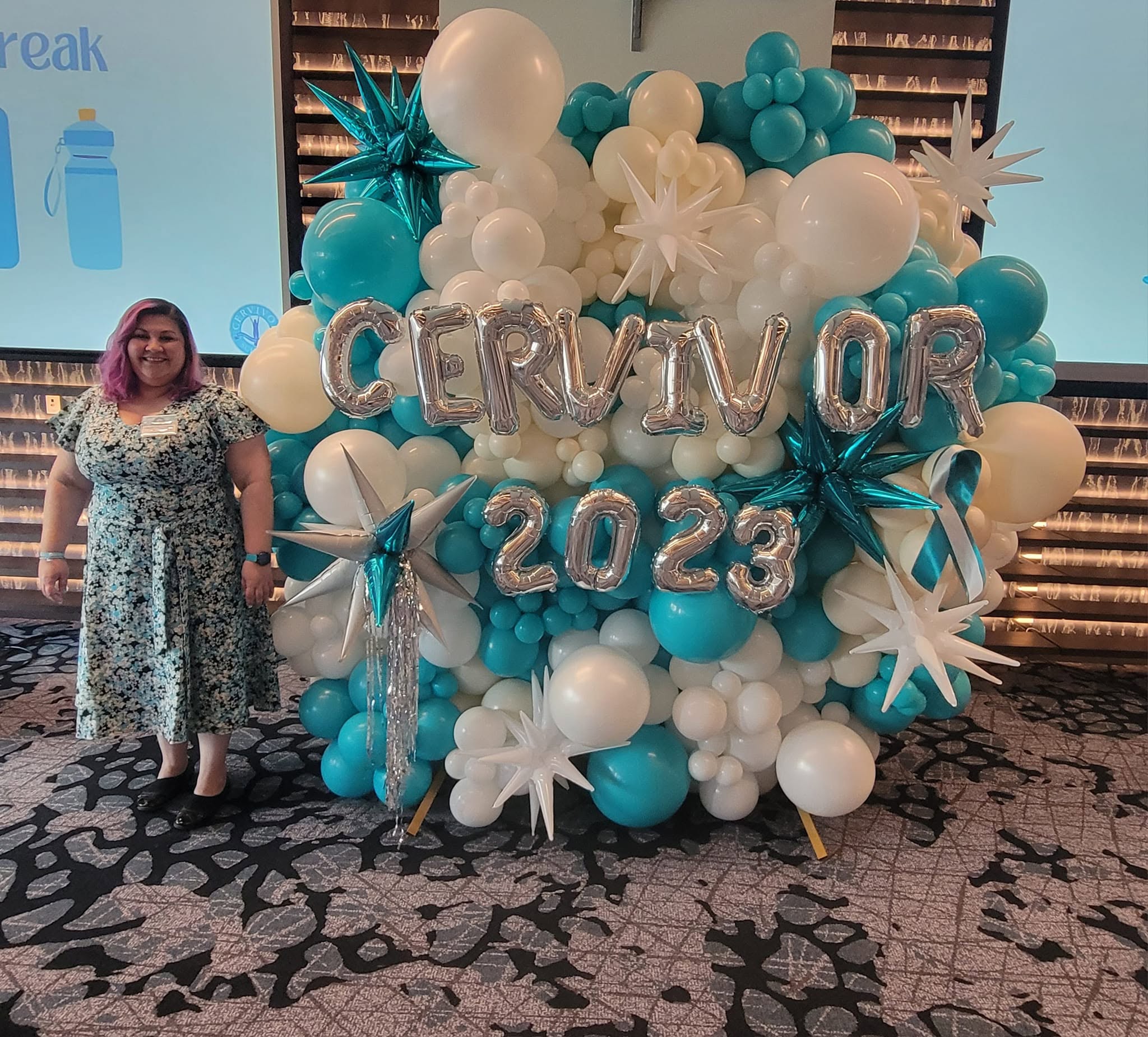
In 2023, Claudia was invited to attend Cervivor School, an intensive retreat and advocacy training program for cervical cancer survivors held that year in Seattle. "They helped me to understand my story matters, because they say, you always minimize your story. You say, ‘No, you don’t have a story because you say you didn’t have chemo or radiation,’ but no, you are one of us," Claudia explained.
That transformative experience marked the true beginning of her journey as a cancer advocate. Over the subsequent years, Claudia dedicated herself to sharing her story widely to help dismantle the deep-seated stigma surrounding reproductive cancers and HPV.
"The reason these types of cancers are rising is because people don’t talk. Women don’t want to talk about it. They feel too much shame. While for me, what I hated the most is when I saw health providers promoting the stigma," Claudia said.
Too frequently, she encounters online content and social media posts that incorrectly associate HPV with promiscuity, prompting her to speak out against the dangerous stereotypes. By confronting these cultural stigmas head-on, she helps other women understand their true risk factors, the necessity of regular medical screenings, and the life-saving potential of the HPV vaccine.
"I feel good when people say, ‘I read your story and I did this,’ or ‘I will get checked,’ or ‘I have that but I don’t have the courage like you to bring it up,’" Claudia shared.
Today, Claudia serves as an official ambassador, mentor, and advocate for Cervivor. She has spoken at numerous cancer awareness events, engages in community outreach and education for the Every Woman Counts Program—an initiative promoting cervical cancer screenings in vulnerable communities—and has advocated on behalf of the American Cancer Society Cancer Action Network.
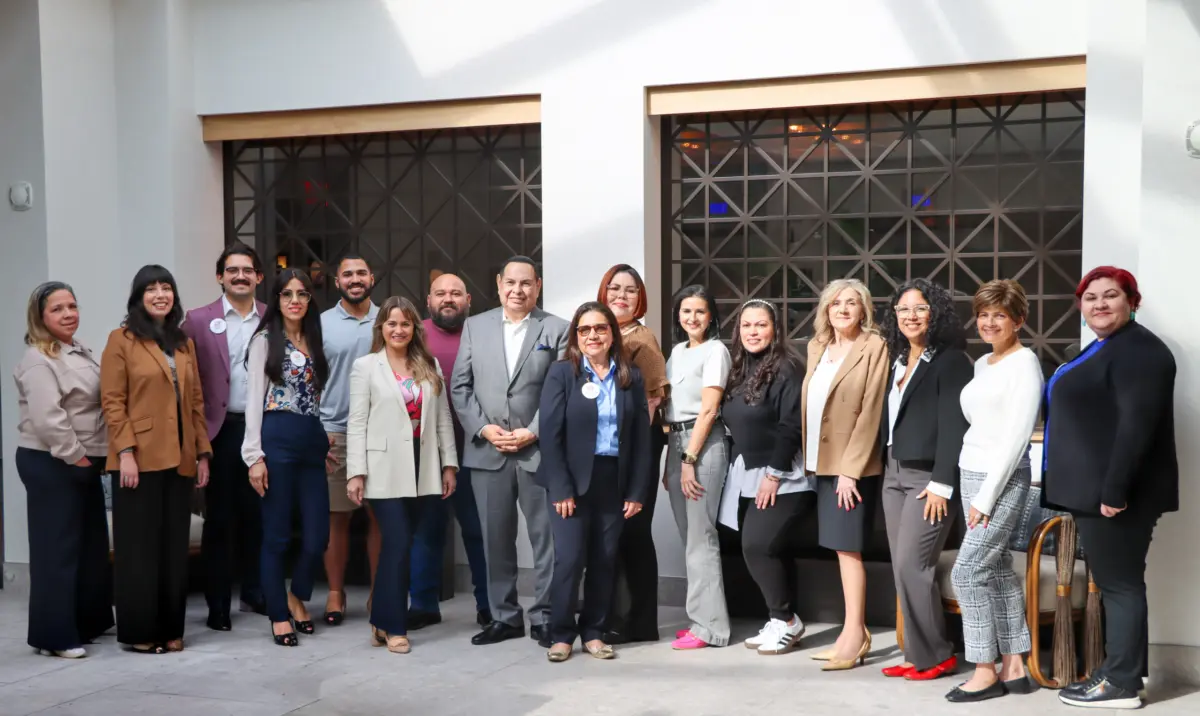
Most recently, Claudia joined 15 other Latino cancer survivors for the 2026 Latino Cancer Patient Advocate Training Program, which convened ahead of the biennial Advancing Cancer Research for Latinos and All Populations Conference in San Antonio, Texas. Together, the participants collaborated with expert researchers, learning how to effectively amplify their voices, share their personal narratives, and advocate for their respective communities to drive meaningful improvements in cancer research and healthcare equity.
Reflecting on her ongoing mission, Claudia remains deeply motivated by the legacy of her mother and the future of her children.
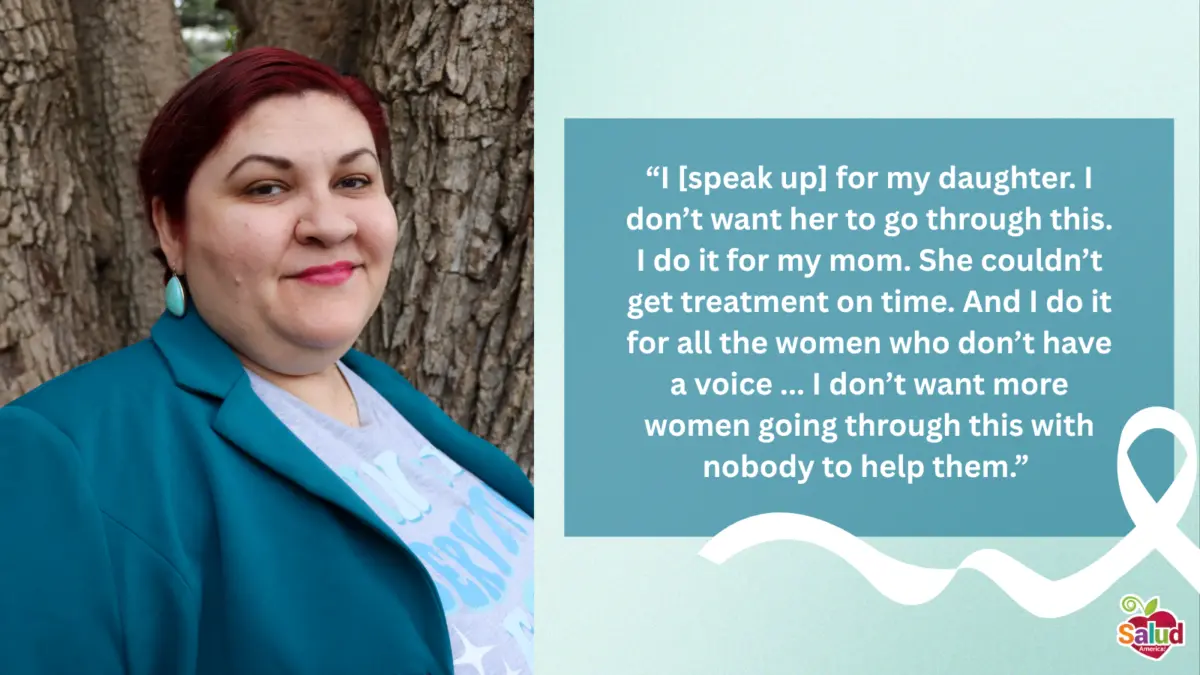
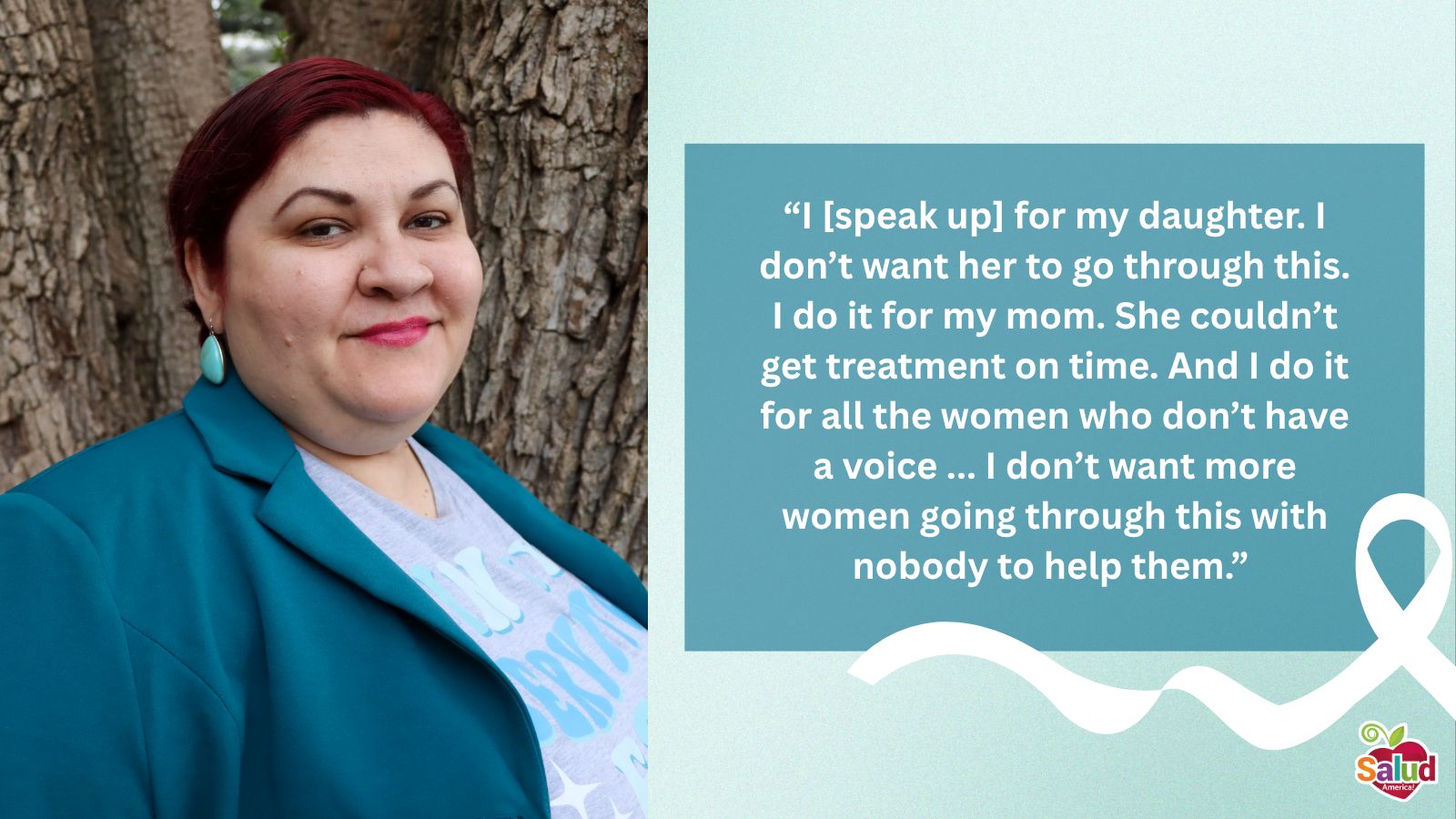
"[I speak up] for my daughter. I don’t want her to go through this. I do it for my mom. She couldn’t get treatment on time. And I do it for all the women who don’t have a voice… I don’t want more women going through this with nobody to help them."