


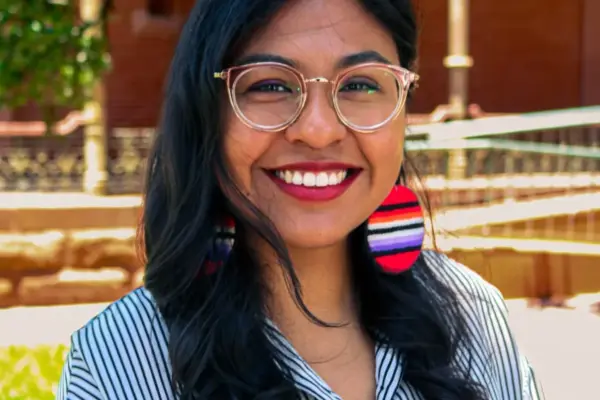





For many breast cancer survivors, the narrative follows a familiar, linear path: a routine self-examination reveals an unfamiliar lump, a quick trip to the doctor confirms the suspicion, and treatment begins. But for Deb Blake-Ontiveros, that conventional script was entirely absent. Her journey through the healthcare system was complicated by systemic oversights, the relentless demands of single motherhood, a pre-existing mental health condition, and a multi-year delay that fundamentally altered her relationship with her own body.
Today, Blake-Ontiveros is a dedicated advocate for cancer patients, using her voice to bridge the often-ignored gap between oncology and mental health. Her story highlights the systemic barriers frequently faced by young women of color, particularly Latinas, whose symptoms are too often minimized or misdiagnosed by medical professionals. Despite enduring a secondary cancer diagnosis, the dissolution of a romantic relationship, and the heavy physical and emotional toll of ongoing treatment, Blake-Ontiveros refuses to let her identity be consumed by illness. Instead, she has transformed her personal trials into a platform to ensure that other marginalized patients feel seen, heard, and supported.
A Misdiagnosis and the Reality of Being Young, Female, and Underserved
The roots of Blake-Ontiveros’s ordeal trace back to 2016 in Salt Lake City, Utah. At the time, she was a 35-year-old single mother pouring every ounce of her energy into raising her two-year-old daughter. Her daily life was an intense balancing act of parenting, managing a mental illness, organizing community rallies, maintaining friendships, navigating a custody battle, and serving as a grassroots leader who routinely helped others find vital community resources.
Yet, motherhood remained her absolute priority. "I felt like a super mom. That was my whole concentration all the time. Everything else came second," she reflected.

While maintaining this high-octane lifestyle, her body signaled that something was wrong. While breastfeeding her daughter, Blake-Ontiveros discovered a lump in her right breast. Trusting the medical establishment, she scheduled an appointment with her primary care physician—an older male doctor who had guided her safely through her pregnancy and in whom she had placed her trust.
Instead of receiving a thorough investigation, however, her concerns were brushed aside. Because of her young age, the physician attributed the mass to a clogged milk duct caused by infrequent nursing and diagnosed her with mastitis, a painful inflammation of breast tissue. For a single mother of color navigating the healthcare system on Medicaid, the dismissive experience felt emblematic of a larger pattern where the odds seemed stacked against her.
Trusting her physician’s expertise, Blake-Ontiveros accepted the diagnosis and continued with her life. Two years elapsed while the undetected mass remained inside her body. Consumed by the daily pressures of raising a toddler, preparing for preschool, and managing her hectic schedule, she inadvertently pushed her own physical health to the periphery.
It was not until she began dating again that the issue resurfaced. Her new partner noticed the lingering lump and urgently pressed her to seek medical evaluation, sharing that he had previously lost a friend to breast cancer. Prompted by his concern, Blake-Ontiveros consulted a female physician who immediately recognized the abnormality and ordered a diagnostic mammogram, which quickly escalated to a biopsy.

Recalling the harrowing experience of her first biopsy alone, she described the profound fear and physical agony involved. While a nurse held her hand, medical staff delivered the ominous news that the tissue sample was unreadable and deeply concerning. True to form, her immediate reflex was to compartmentalize her terror to ensure her daughter would be safely picked up from school. Two days later, while boarding a train on her way to a parent-teacher conference, she received the definitive phone call: it was breast cancer. At 37 years old, her life shifted irrevocably, though her primary focus remained arriving at the school on time.
Navigating Metastatic Disease and the Shock of Lifelong Treatment
The emotional weight of the diagnosis was further compounded by Blake-Ontiveros’s pre-existing mental health struggles. Confronting the prospect of chemotherapy while managing bipolar disorder felt entirely overwhelming. Terrified by the traditional medical interventions, she initially sought alternatives, hoping to find a natural cure that could eradicate the disease without invasive treatments.
She chose to postpone formal treatment during a month-long grace period, seeking answers elsewhere. Before that window closed, however, a PET scan revealed a devastating reality: the cancer had already metastasized, spreading aggressively to her lungs, lymph nodes, and the central cavity of her chest.
"I was just like a Christmas tree up in the chest area," she confessed, noting that at the time, she did not fully grasp the gravity of what "metastatic" truly meant.

True to her resilient, high-energy coping mechanisms, the diagnosis triggered a manic period of activity. She leaned heavily into what she lightheartedly calls her "hot chemo summer," filling her days with dates, poetry readings, motorcycle rides, and concerts to keep her mind occupied while the drugs combated the disease.
Within months, chemotherapy successfully cleared the cancer from her body. Experiencing a scan that showed no evidence of disease, she believed she had completely conquered the illness. Her optimism was abruptly halted, however, when her oncologist informed her that she would need to return for maintenance infusions every three weeks indefinitely.
"That’s when it hit me that that’s what metastatic meant," she explained. "Oh, I’m [no evidence of disease], but that’s not the same as cured. This can come back and I’m going to have to be on medicine for the rest of my life."
A Fresh Start, a Second Diagnosis, and the Test of Resilience
Following her primary treatment, Blake-Ontiveros sought a fresh start. She relocated with her daughter and her partner from Salt Lake City to a rural community in Utah. Moving away from the urban protests and community organizing of her past, she redirected her passion toward cancer patient advocacy, encouraged by her partner who recognized her natural leadership abilities. She began writing guest blogs for WebMD, collaborating with state cancer organizations, speaking on panels, and partnering with groups like Living Beyond Breast Cancer.
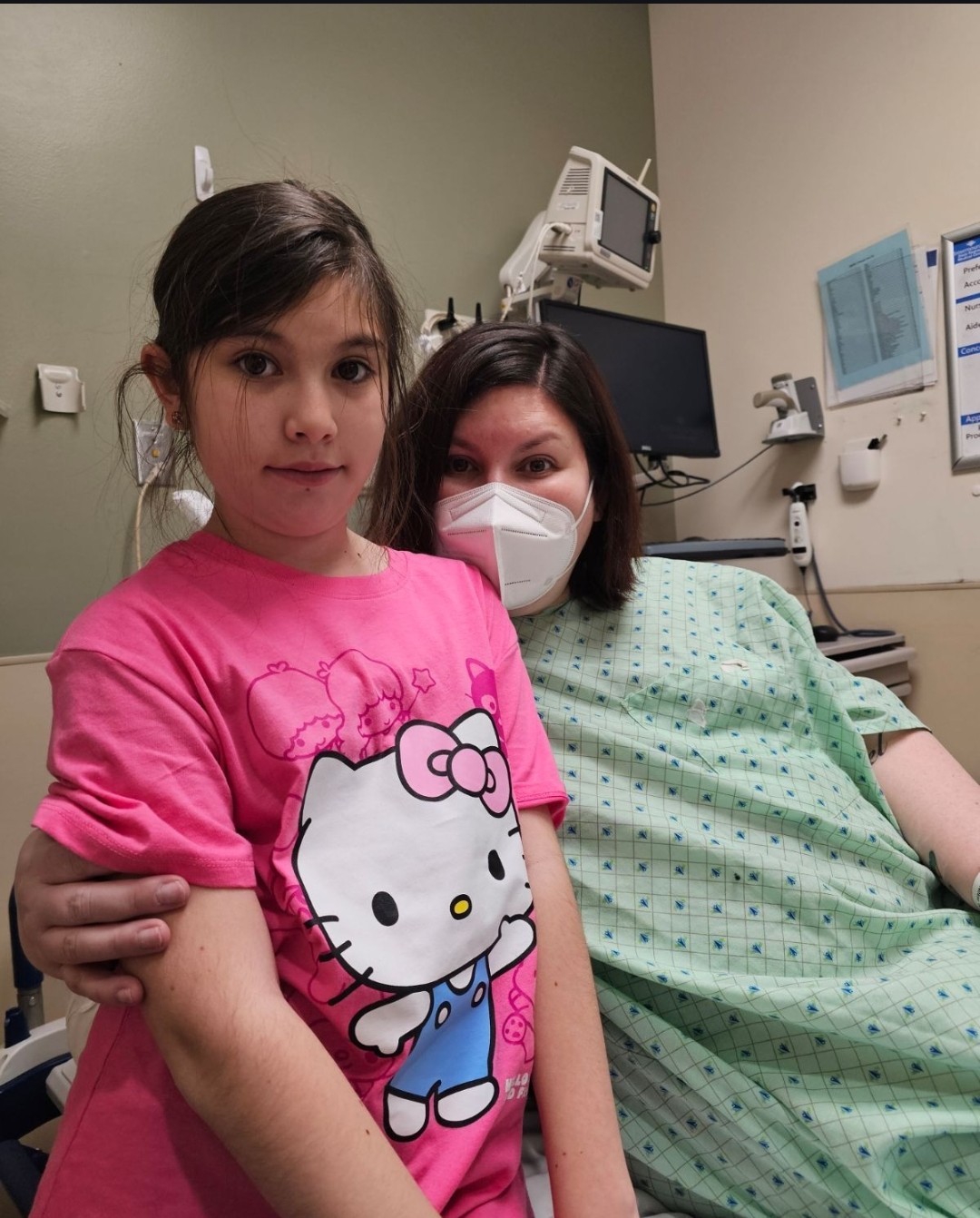
Just as she was settling into this new chapter, life introduced another profound challenge. In 2023, during a routine self-examination on the first of the month, she detected a new lump in the same breast.
Subsequent mammograms, ultrasounds, and biopsies confirmed an unrelated stage 2-3 breast cancer diagnosis. While the medical procedures were hauntingly familiar—the chemotherapy, the hair loss, and the debilitating sickness—her personal circumstances had shifted dramatically. Her partner, who had not witnessed her first battle during their long-distance relationship, struggled to cope with the daily reality of her illness. The relationship ultimately dissolved, leaving Blake-Ontiveros once again navigating cancer as a single mother without a daily in-home support system.
The burden fell heavily on her household, deeply impacting her daughter. Now twelve years old, her daughter began absorbing caregiving responsibilities to help around the house—a dynamic that deeply breaks Blake-Ontiveros’s heart as she continues to manage chronic fatigue and lingering treatment side effects.
Destigmatizing Mental Health within the Cancer Community
Despite the compounding challenges of ongoing treatment, Blake-Ontiveros has refused to retreat into silence. Central to her advocacy is an unyielding commitment to discussing the intersection of cancer and mental illness. She has been openly vocal about how her bipolar disorder influenced her initial reactions, her processing of medical information, and the physical toll of her survivorship.
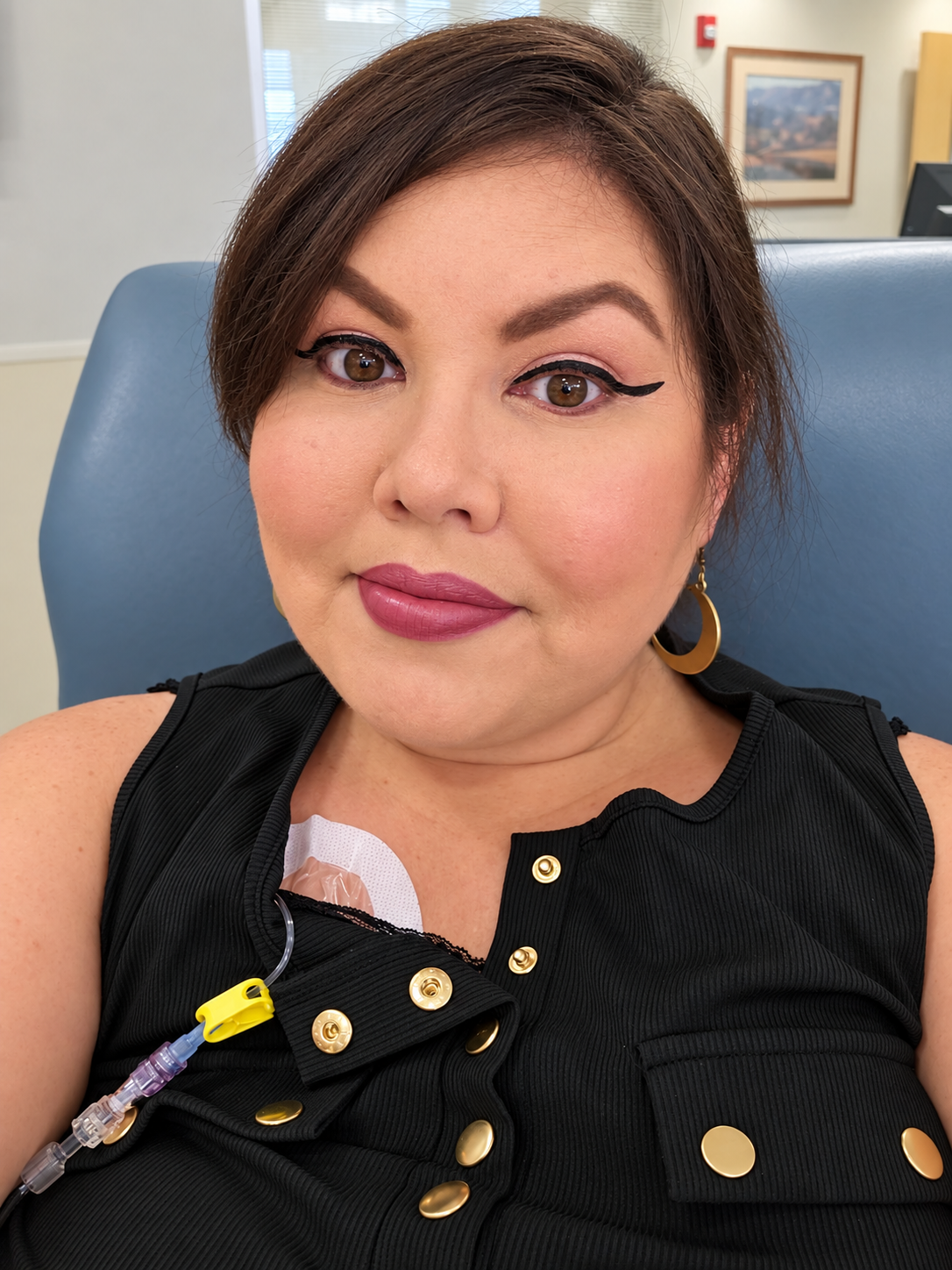
She notes that while cancer is universally taxing on human endurance, the psychological aftermath is frequently overlooked, particularly within communities of color where generational stigmas surrounding mental health run deep. Refusing to let family discomfort or societal embarrassment dictate her narrative, she speaks openly about her experiences to protect others.
"I still want to keep talking about this. I still want to keep taking opportunities to educate and share my story," she asserted. "My family acts like cancer is an embarrassing thing… I’m like, ‘This happened, and I don’t want it to happen to any other person in this family, so I’m going to talk about it, even if it makes you uncomfortable.’"
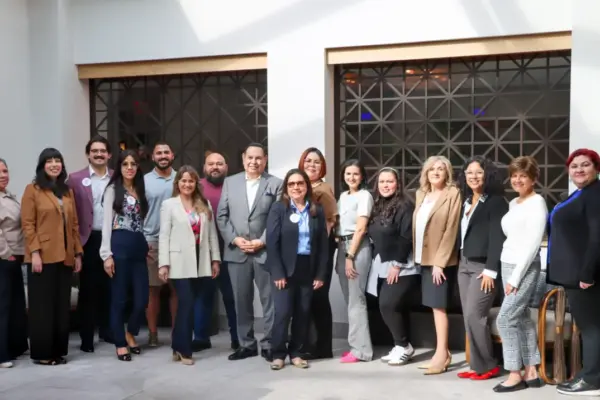
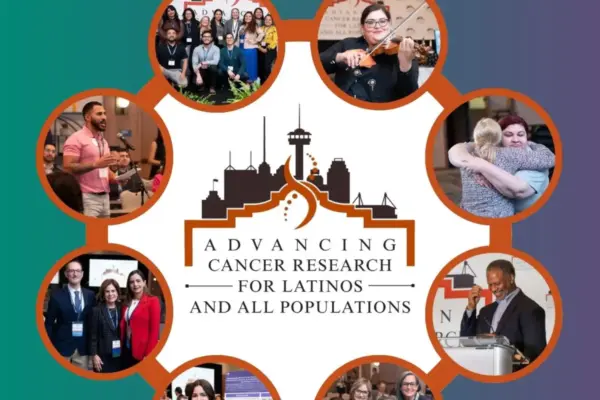
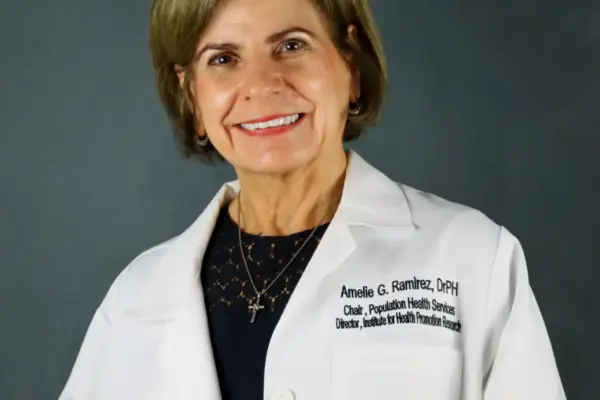
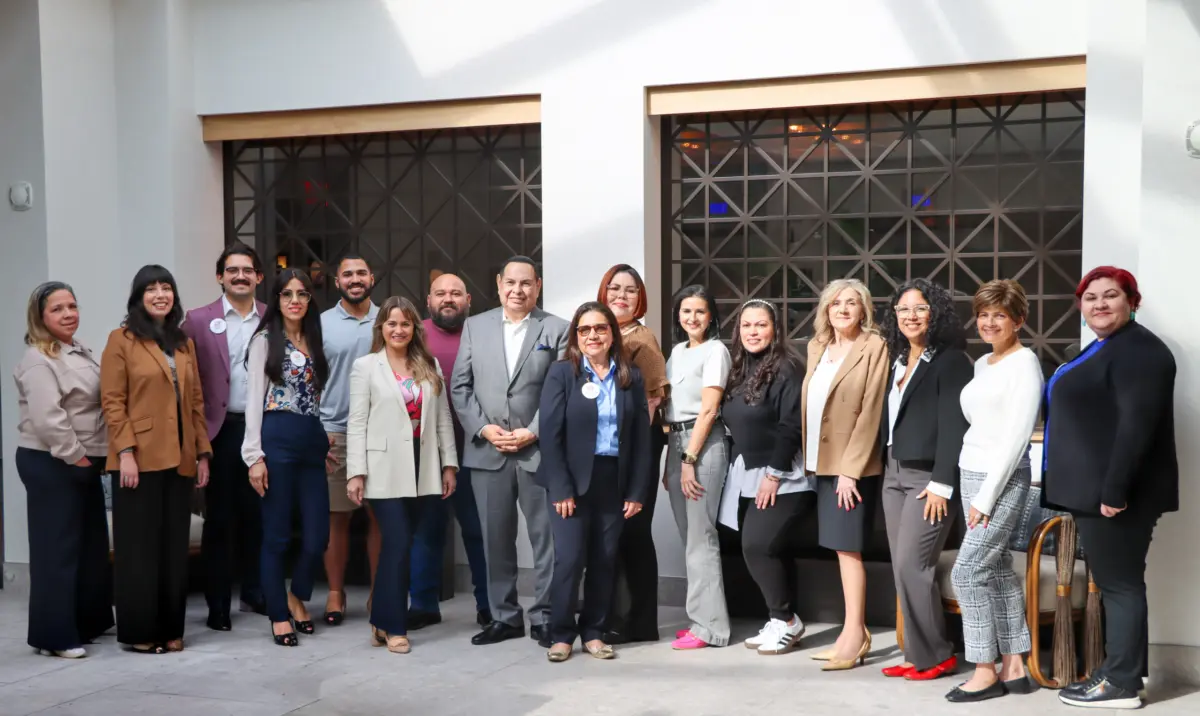
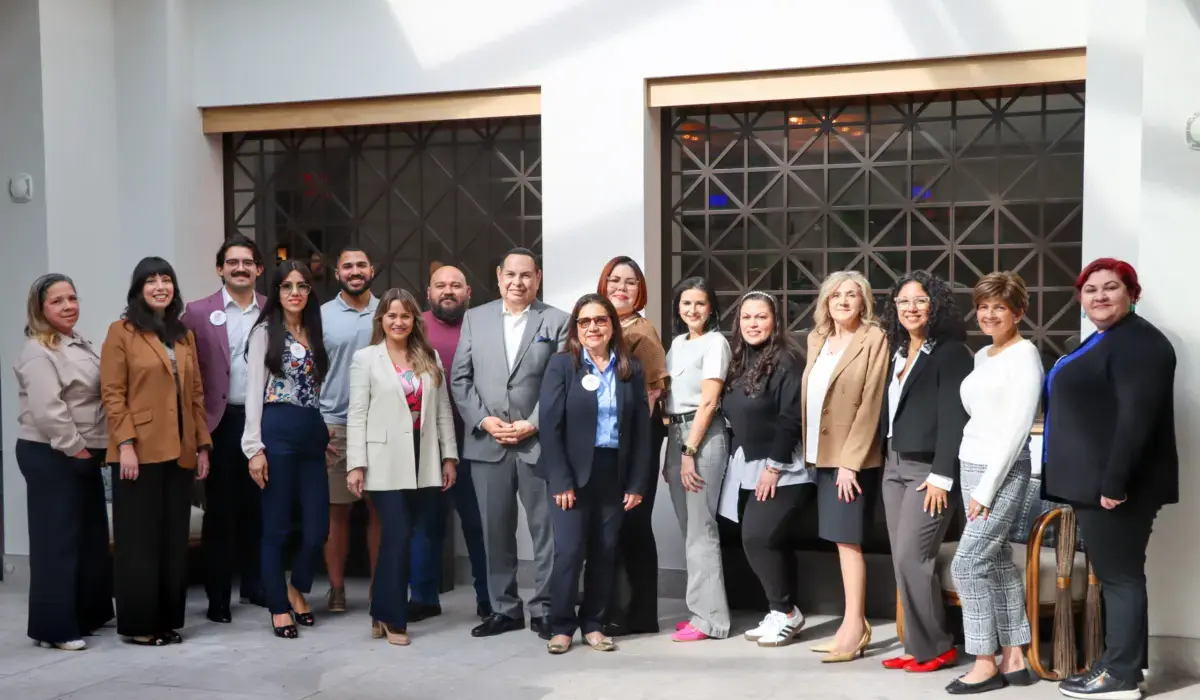
Her dedication recently led her to participate in the 2026 Latino Cancer Patient Advocate Training Program, held ahead of the Advancing Cancer Research for Latinos and All Populations Conference in San Antonio, Texas. The initiative, co-led by Dr. Barbara Segarra-Vázquez of the University of Puerto Rico, brings Latino cancer survivors together to build community and learn from experts on how to effectively serve others.
For Blake-Ontiveros, the primary goal of her advocacy is simple: ensuring that individuals grappling with severe mental health issues alongside a cancer diagnosis realize they are not alone. As she continues her treatments and balances motherhood with grassroots leadership, her core philosophy remains entirely unchanged.
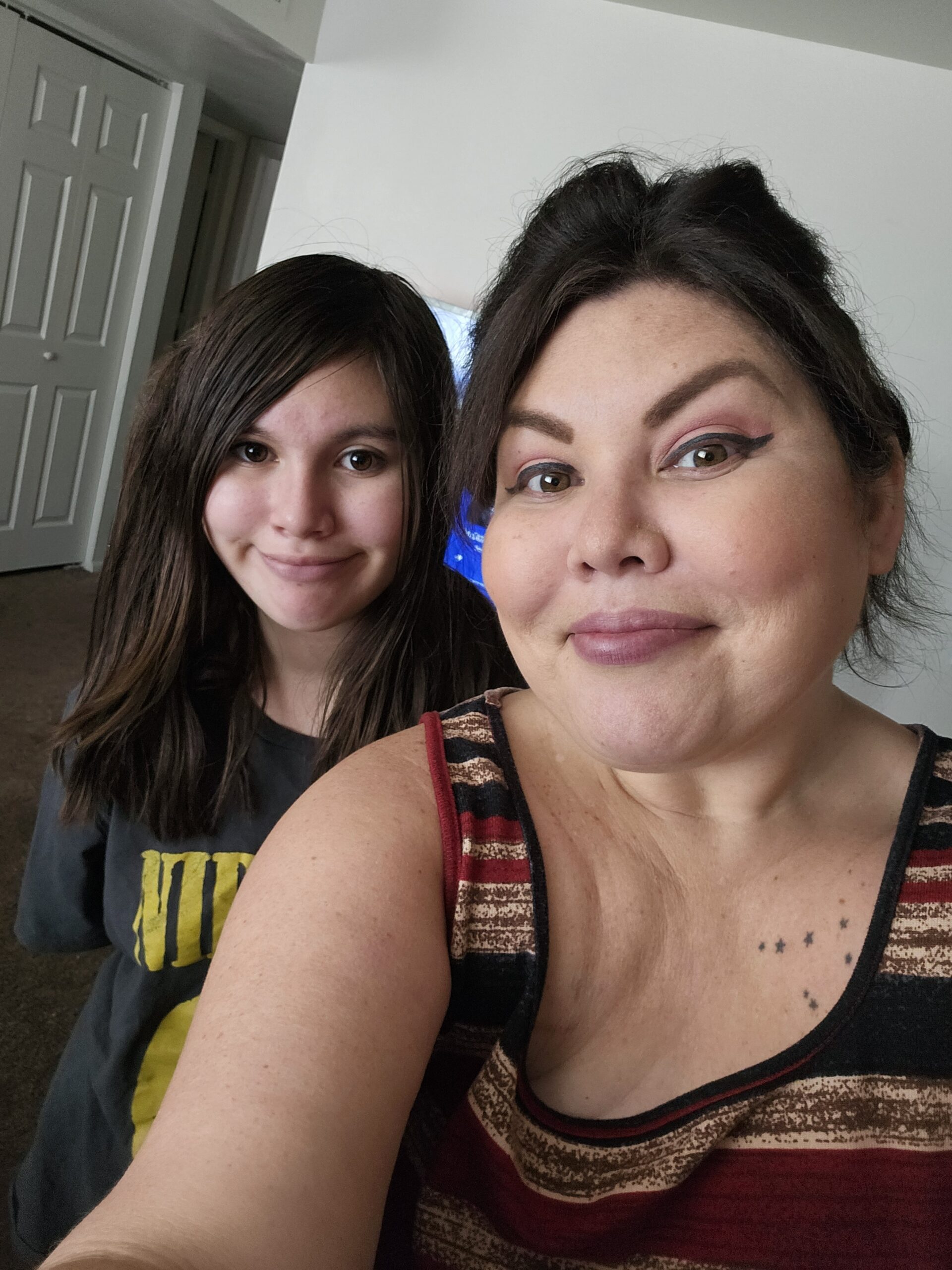
"All I needed was to know that one person felt seen," Blake-Ontiveros said. "I’m never going to stop being me. Cancer will not change that about me. I will never stop being me, but I will adapt and keep adapting."