




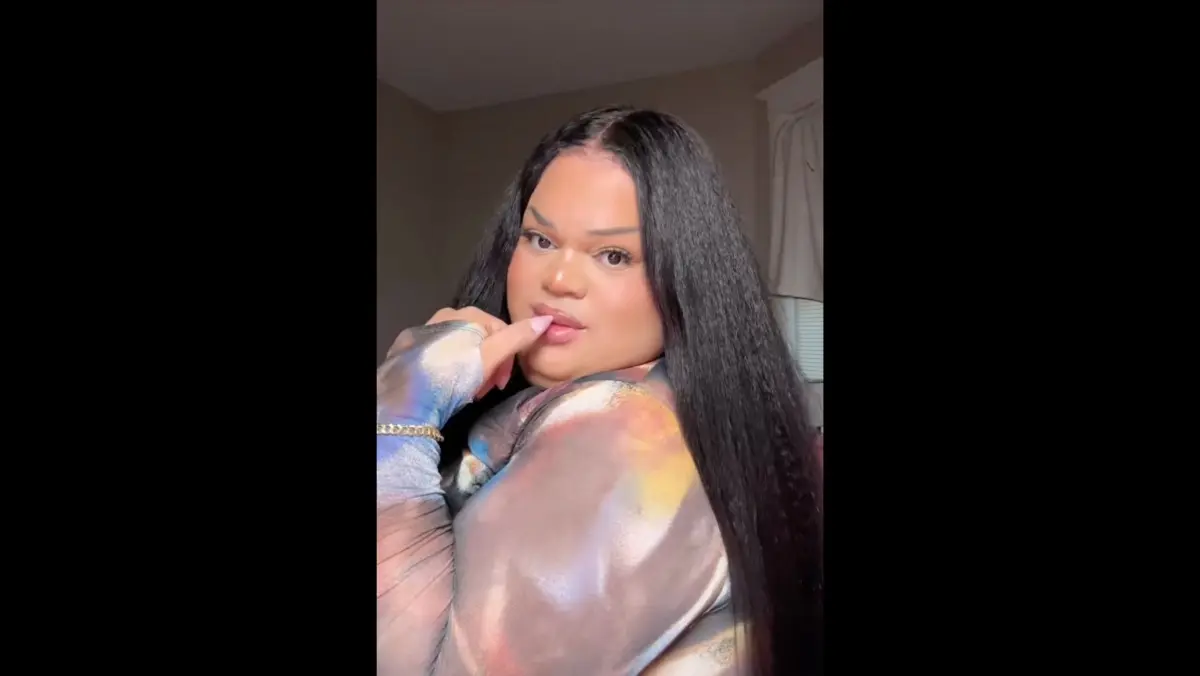
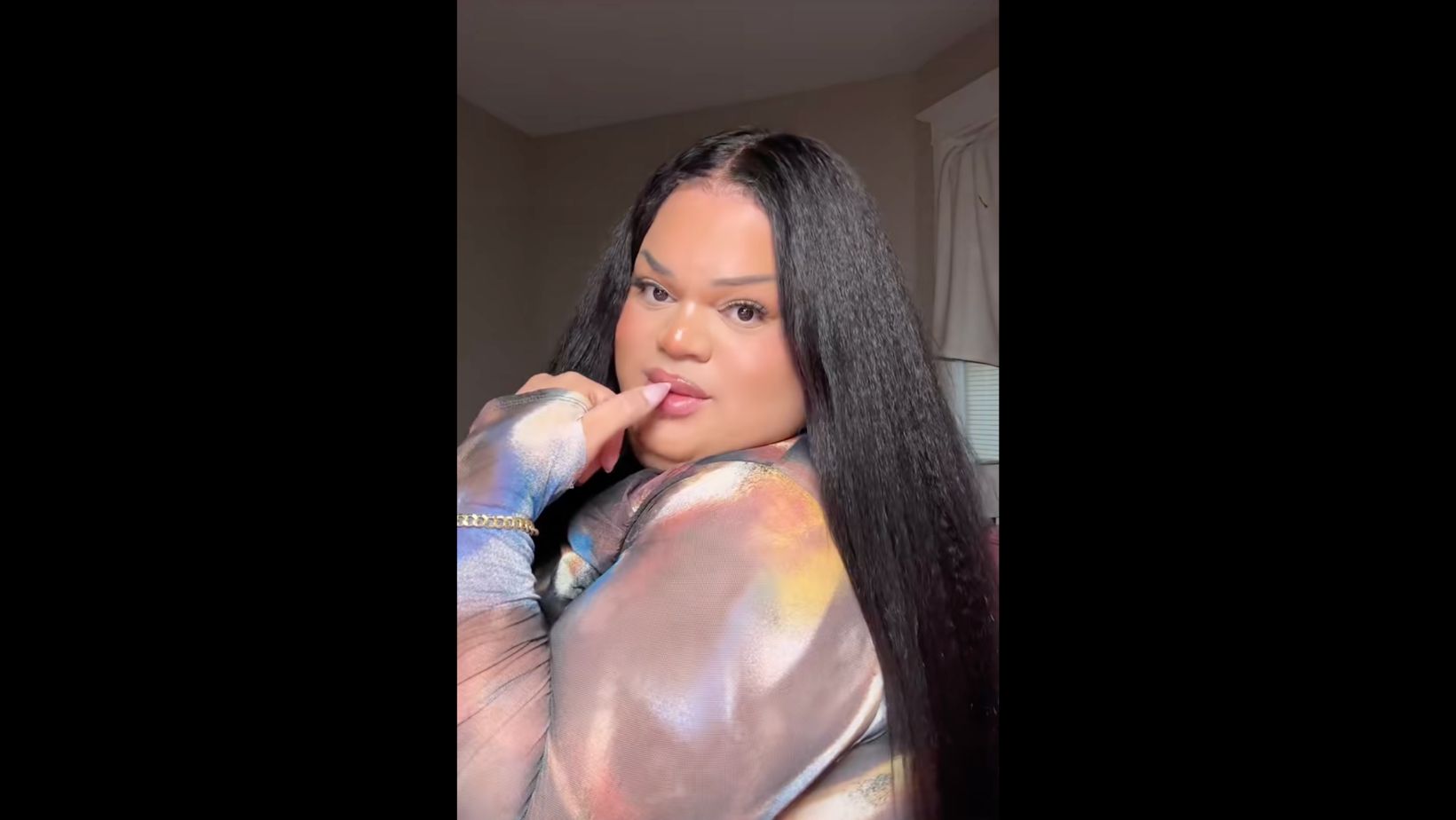
Jools Lebron, the 33-year-old transgender Latina content creator who captured global attention and ignited popular culture in 2024 with her viral "Very Demure, Very Mindful" trend, has announced she is stepping away from TikTok entirely. The decision follows a wave of fierce online backlash directed at a GoFundMe campaign she recently launched to help cover the costs of necessary dental surgery.
Lebron, whose signature catchphrase permeated mainstream media, high-profile brand campaigns, and celebrity culture, revealed in an emotional video message that she is walking away from the platform. She explained that she no longer believes the algorithm will ever work in her favor again, and that chasing the elusive momentum of her past viral success has taken a heavy toll on her mental health and well-being.
The controversy began when Lebron launched a GoFundMe campaign over the weekend seeking $45,000. In the description, she explained that the funds were urgently needed to pay for extensive dental work. According to the creator, her teeth sustained severe damage following a period of personal struggle with addiction—a challenge she has previously spoken about with openness and vulnerability. She noted that every subsequent visit to the dentist felt like an uphill battle against irreversible decay, and that she had already spent approximately $6,000 out of pocket trying to manage the medical issue on her own.
Within hours of the campaign going live, social media critics began dissecting her request, and the backlash escalated rapidly across multiple platforms. Lebron deleted the fundraiser shortly after the criticism intensified, but the digital fallout left a lasting impression on the creator, prompting her to announce her departure from TikTok shortly afterward.
What the GoFundMe Said and Why It Sparked a Backlash
In her initial fundraising appeal, Lebron painted a stark picture of her medical and financial reality. Beyond detailing the physical state of her teeth, she touched upon the difficulties of securing immediate financial relief through traditional employment. While she expressed a desire to enter the traditional workforce, she voiced legitimate doubts that a standard job would yield the income required to address the urgent nature of her dental needs in a timely manner.
The backlash that followed was swift and multifaceted. Detractors quickly pointed to statements Lebron had previously made regarding her earning potential during the height of her viral fame. Reports and interviews had indicated that she was commanding offers between $45,000 and $80,000 per sponsored video when the "Very Demure" trend was at its absolute peak. Critics argued that someone who had commanded such substantial sums should not find themselves in a position where they needed to crowdfund a medical procedure.
At the same time, other internet users took issue with her comments regarding traditional employment. Some commentators viewed her remarks as dismissive of the everyday labor and financial struggles faced by ordinary people who must rely on conventional jobs to cover their daily expenses and healthcare needs. As the criticism intensified and the tone of the commentary grew increasingly hostile, Lebron made the decision to take down the GoFundMe campaign.
However, the creator also found a strong defense network among supporters and fellow creators who pushed back against the narrative constructed by her critics. Defenders argued that the reality of internet virality is far more precarious than it appears from an outside perspective. A single viral moment, they noted, does not guarantee long-term financial stability, nor does it automatically translate into sustained, recurring income.
Furthermore, supporters emphasized that the gap between a creator’s brief window of peak success and their day-to-day financial reality can be immense, particularly after taxes, agency fees, and living expenses are accounted for. Lebron had also previously shared that she used a portion of the earnings from her viral period to support her family, a responsibility that left her with significantly less financial cushion than casual observers might have assumed.
The Transphobia Running Through This Conversation
As the discourse surrounding Jools Lebron and her GoFundMe campaign spread across TikTok, X, and other social media spaces, an uglier undercurrent quickly became apparent. A significant portion of the commentary directed at Lebron crossed the line from critical financial debate into open and aggressive transphobia.
Jools Lebron is a proud transgender Latina woman who uses she/her pronouns. In a fair and respectful public sphere, acknowledging and respecting a person’s gender identity is a baseline expectation. Yet, throughout the controversy, numerous commentators deliberately misgendered her, used her deadname, or weaponized the GoFundMe situation as a convenient vehicle to express outright hostility toward her identity rather than engaging in legitimate critique of her choices.
This distinction is crucial to understanding the broader social dynamics at play. The debate over whether digital creators with past high-earning potential should turn to crowdfunding for medical expenses is a valid, nuanced conversation worth having within the modern digital economy. However, the vitriol targeting Lebron’s womanhood and trans identity is entirely separate from that economic debate. It represents a form of hostility masked by plausible deniability, where critics use a controversial news cycle as cover to launch targeted attacks against a marginalized individual. Recognizing this behavior for what it is remains essential, rather than allowing it to blend into the standard noise of online outrage as if it were a normal component of public discourse.
What the Creator Economy Actually Owes Its Most Viral Voices
The stark contrast between Jools Lebron’s cultural peak in 2024 and the vulnerable position she described in her announcement video highlights structural flaws that the digital creator economy has consistently failed to address. Viral fame on platforms like TikTok operates on an unpredictable, algorithmic cycle. It does not come with a traditional salary, a comprehensive healthcare benefits package, or any structural safety net ensuring that a moment of widespread cultural recognition will translate into long-term financial security.
Algorithm-driven platforms dictate visibility on a moment-to-moment basis, often leaving creators who achieve sudden, defining fame to spend years trying to recapture an ephemeral wave that the platform has already discarded. Lebron’s situation represents an acute example of a systemic pattern that affects countless digital workers. The widespread debate over her crowdfunding campaign would likely look vastly different if the broader creator ecosystem offered viable safety nets, financial literacy resources, or clearer pathways for individuals transitioning from transient internet fame to sustainable, long-term careers.
In her final addresses to her audience, Lebron reflected on the emotional toll of chasing past momentum, admitting that she was only fooling herself by believing the platform would ever return her to the heights of the "Very Demure" era. Acknowledging that she was not currently in a healthy headspace, she made the conscious choice to step back, close that chapter, and move forward away from the constant pressure of TikTok virality.