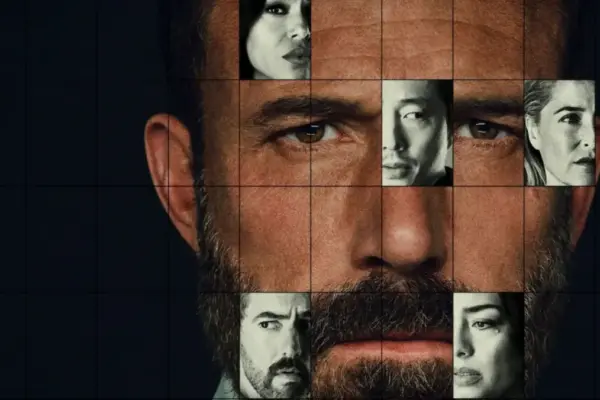








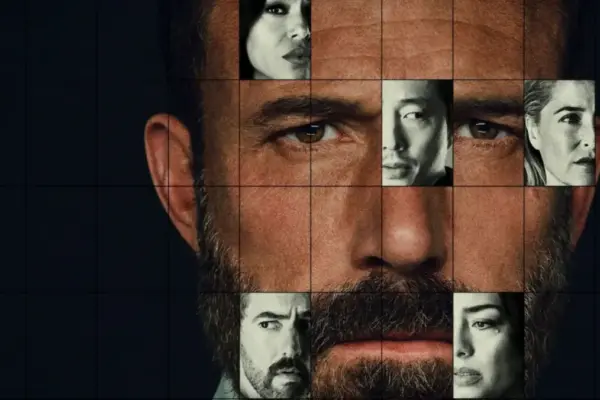

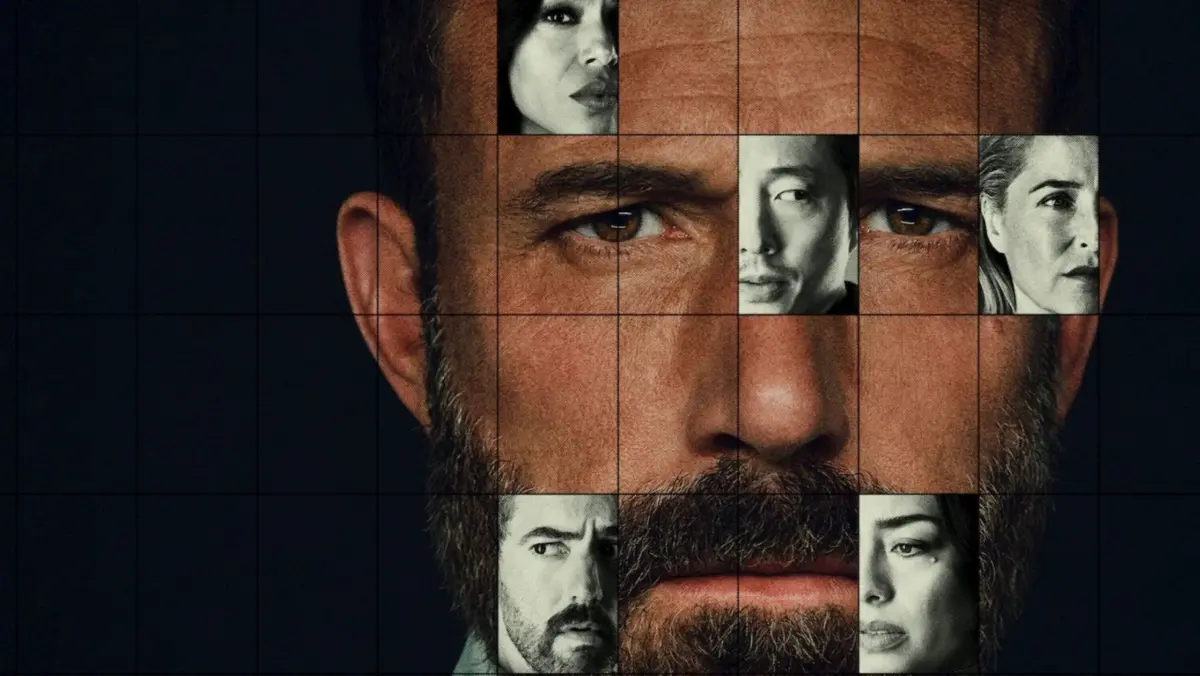
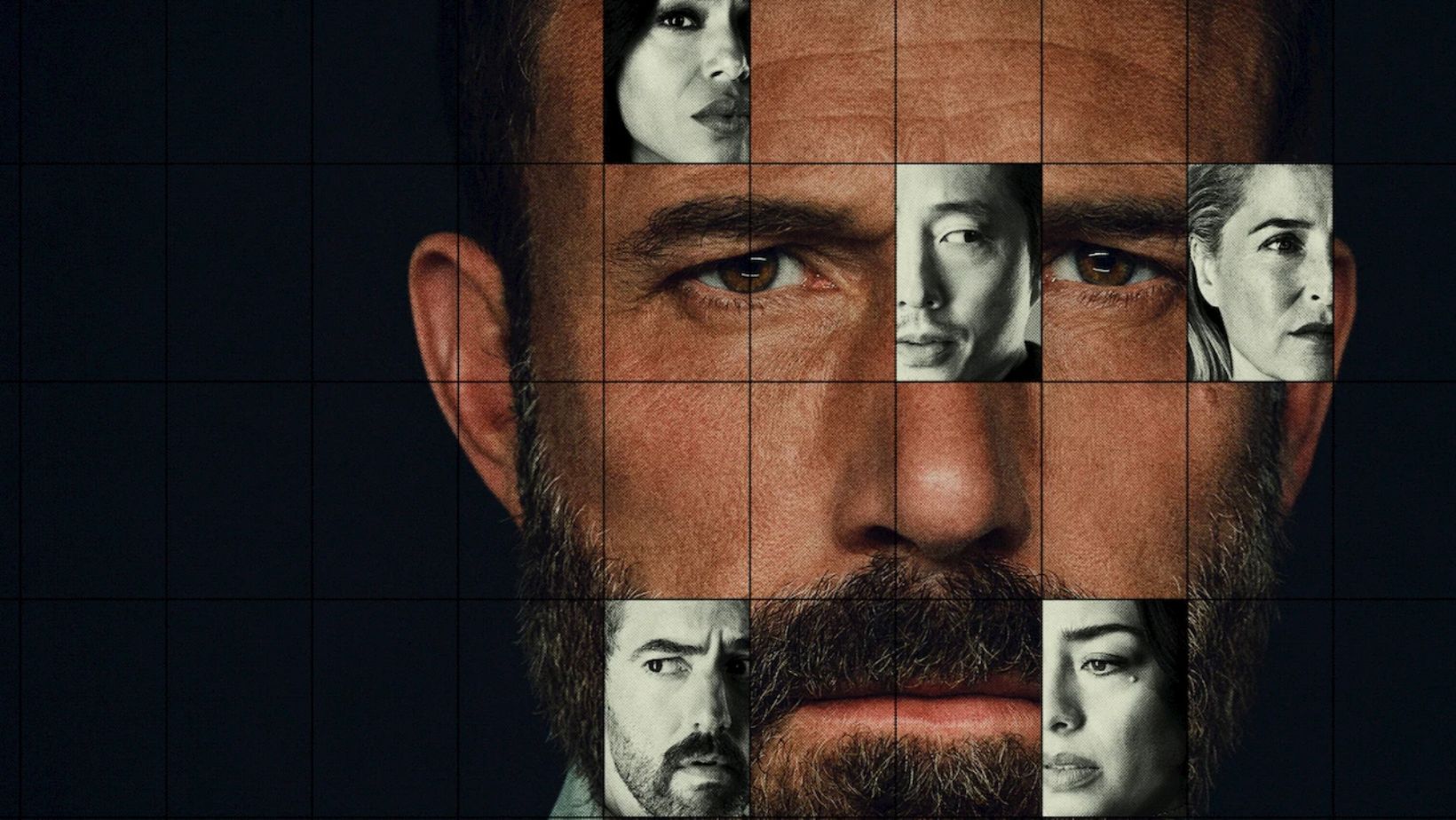
Ben Affleck recently sat down for an in-depth interview with prominent journalist Jorge Ramos to discuss his latest directorial project, the Netflix film “Animals.” Throughout the conversation, the acclaimed filmmaker and actor made it abundantly clear that this cinematic endeavor was never intended to be a detached creative exercise. Instead, Affleck approached the project with a deep sense of personal conviction, reflecting on the realities of the United States as a nation built by immigrants. He shared with Ramos that his own background, family history, and personal worldview heavily influenced his perspective, arguing that the narrative of Luis and Adriana—the two Mexican characters at the center of the film—is inherently intertwined with the broader history and ongoing identity of the United States.
This perspective served as the guiding philosophy behind every major decision Affleck made while directing and co-writing the film. Rather than treating immigration as a distant political talking point or a superficial background detail, he sought to ground the narrative in authenticity and human dignity. Affleck acknowledged that he was fully aware of the professional and cultural risks associated with tackling such a charged subject in the current sociopolitical climate. However, he maintained that the urgency of the topic demanded a bold approach, one that prioritized authentic storytelling over conventional Hollywood formulas.
During their discussion, Affleck also touched upon the growing climate of fear impacting immigrant communities across the nation. This grim reality manifested itself in an extraordinary and unexpected way during the physical production of “Animals.” The movie was filmed on location in Los Angeles, a bustling metropolis with a vibrant immigrant population, but the production encountered jarring interruptions when U.S. Immigration and Customs Enforcement (ICE) operations unfolded in the exact neighborhoods where the cast and crew were working.
Affleck described the surreal experience of watching the dramatic situations depicted in his screenplay play out in real life right outside the perimeter of his set. The collision of fiction and reality on the same streets and at the exact same time left a profound impression on the director, transforming the project from a standard cinematic undertaking into an urgent reflection of contemporary American life.
He Knew Making This Film Was a Risk and He Made It Anyway
Affleck was remarkably candid during his interview with Jorge Ramos about the inherent risks of centering a major film around the dignity and humanity of immigrant characters. In an entertainment landscape often driven by safe commercial calculations, choosing to center a narrative on marginalized communities in the middle of a polarized national debate on immigration is a deliberate act of defiance. Affleck explained that his primary artistic goal was to portray immigrants not as flat supporting players or plot devices in someone else’s story, but as complex, fully realized human beings who serve as the true protagonists of their own lives. He felt an undeniable responsibility to use his substantial platform and creative agency to bring these narratives to the forefront, noting that the social relevance of the current moment made it impossible to look away.
Furthermore, Affleck addressed longstanding industry assumptions regarding English-language audiences and their alleged aversion to foreign languages and subtitles. Within major Hollywood studios, a pervasive executive myth often dictates that domestic viewers will disengage from productions requiring them to read subtitles, limiting the perceived commercial viability of such projects. Affleck actively pushed back against this restrictive mindset by moving forward with the film anyway. He argued that the pressing social importance of the story, coupled with the necessity of representing the immigrant experience with absolute honesty and profound dignity, far outweighed any traditional commercial metrics or subtitle hesitation. By refusing to water down the narrative for mass-market palates, Affleck ensured that “Animals” maintained its sharp focus and uncompromising vision.
ICE Was Operating on His Filming Locations and the Script Was Playing Out in Real Life
The interview between Affleck and Jorge Ramos unfolded against a complex backdrop of intense national debate surrounding U.S. immigration enforcement and the widespread disruption that ICE operations cause within local communities. Affleck’s film arrives precisely at a cultural crossroads where the boundary between cinematic fiction and real-world struggle has grown distressingly thin. Recalling the production days in Los Angeles when filming had to be temporarily halted due to active ICE operations in the vicinity, Affleck noted that these disruptions served to sharpen his artistic focus. Rather than viewing the ICE presence as a mere logistical inconvenience or a delay that compromised the shooting schedule, he saw it as a stark reminder of why the story was so vital and why it demanded to be told with integrity.
Witnessing real-world immigration enforcement actions unfold just feet away from a set dedicated to exploring immigrant experiences created a powerful, undeniable parallel. Affleck characterized the experience as extraordinary, emphasizing that the direct collision between fiction and reality provided the production with an emotional depth and gravity that no amount of pre-production research or script revision could have artificially manufactured. This visceral intersection between the world of the film and the reality of the streets heavily influenced how meticulously Affleck approached the characters. Recognizing the limits of his own perspective, he took the crucial step of inviting Mexican actors Adriana Paz and Luis Gerardo Méndez to actively participate in writing their own dialogue, ensuring that the words spoken on screen carried genuine cultural resonance rather than relying on external approximations.
He Said This Is a Country of Immigrants and His Family Proves It
Affleck’s deep-seated connection to the subject of immigration is far from accidental; it serves as the foundational core of why he chose to bring this specific story to the screen at this exact historical moment. He articulated to Jorge Ramos that his own heritage and family history are rooted in the immigrant experience, reinforcing his belief that the struggles and triumphs of the characters in “Animals” mirror the broader narrative of the United States. In Affleck’s view, America has always derived its identity, resilience, and cultural richness from individuals who arrived from foreign shores to build their lives and futures anew.
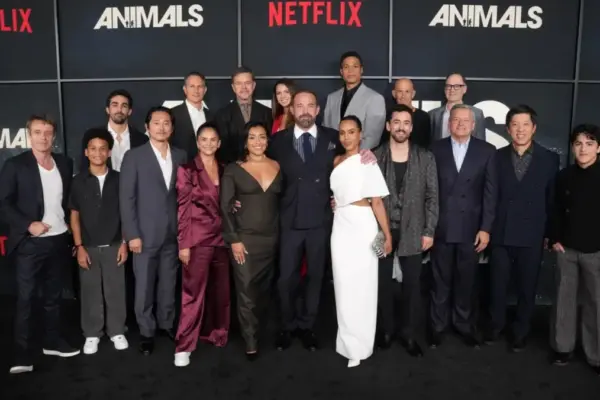
This deeply personal framework is complemented by a high-profile professional infrastructure. “Animals” features a stellar ensemble cast that includes acclaimed performers such as Kerry Washington, Gillian Anderson, Steven Yeun, and Ray Fisher alongside its Mexican leads. The project was brought to life in association with Artists Equity, the independent studio Affleck co-founded alongside longtime collaborator Matt Damon. Affleck undertook this ambitious project with full awareness that the cultural conversation surrounding immigration is already fiercely charged, deeply personal, and intensely scrutinized by millions of viewers across the country. “Animals” is currently streaming on Netflix, inviting audiences to engage with a story that bridges the gap between cinematic art and contemporary reality.