




Growing up in a Dominican household in New Jersey, cultural connection did not always arrive through grand gestures or formal traditions. Instead, it often materialized in the quiet glow of a television set while dinner was being prepared in the kitchen. Spanish would echo through the speakers, competing with the everyday clatter of pots and pans, overlapping family conversations, and the occasional spirited debate over who got to hold the remote. More often than not, the battle for the screen came down to a familiar choice between Univision and Telemundo.
Those broadcasts served as a steady backdrop to daily life, offering a bridge to a culture that felt simultaneously distant and intensely immediate. For many children of immigrants growing up in the United States during the late twentieth century, broadcast media was far more than mere entertainment. It functioned as a vital cultural anchor, helping families maintain a tether to the language, music, humor, and rhythm of their homelands while simultaneously navigating the realities of building a new life in America.
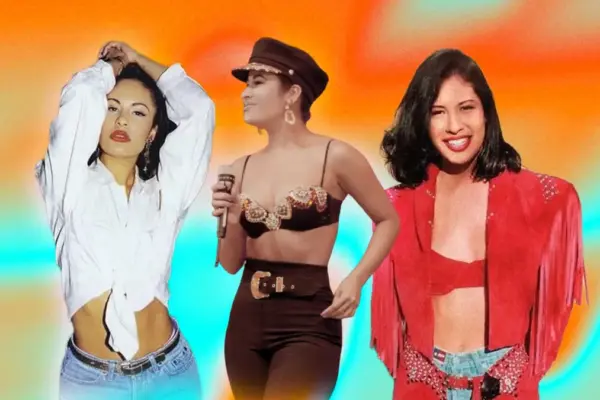
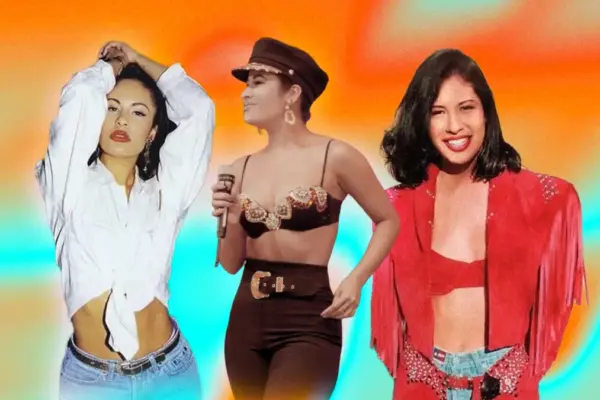
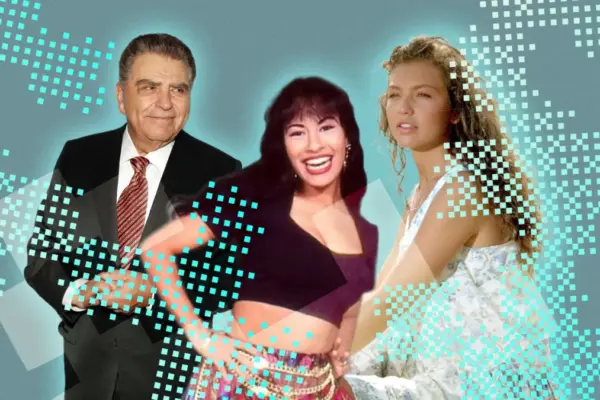
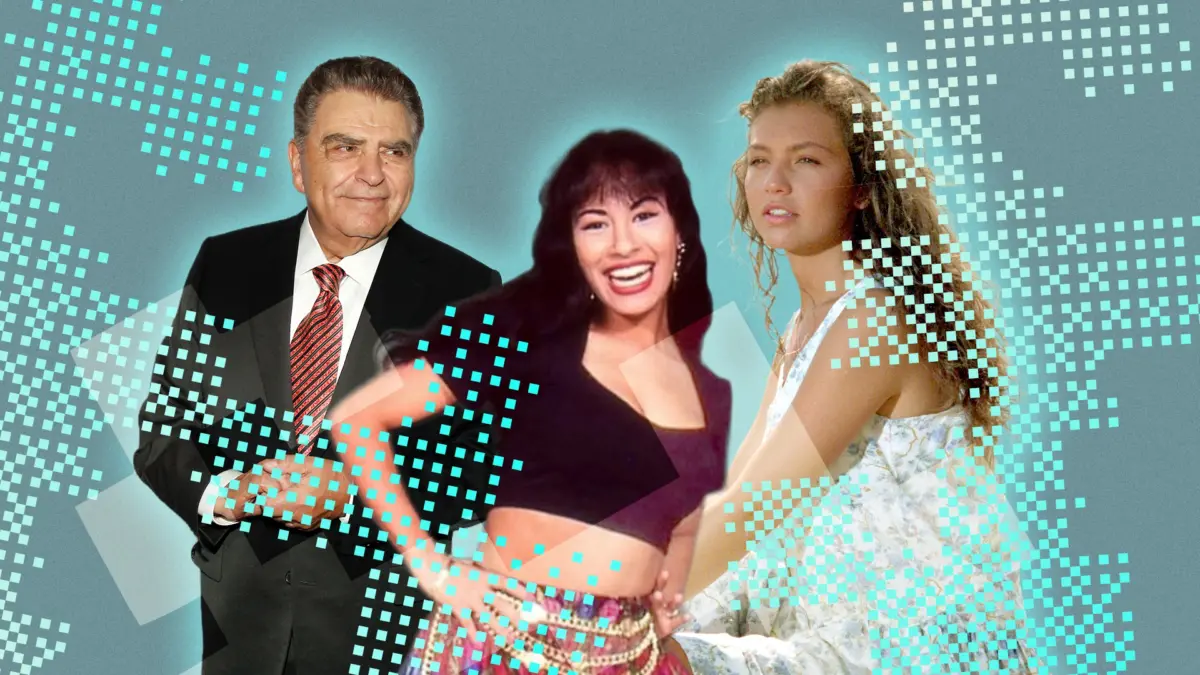
The programming of those decades carried a distinct magnetic pull. Weekday evenings frequently belonged to telenovelas like Marimar, starring Thalía and Eduardo Capetillo, which captured the imaginations of viewers across generations. Weekends brought the vibrant spectacle of Sábado Gigante hosted by Don Francisco, a variety show that households anticipated all week long. Musical icons like Selena occupied a sacred space in the rotation, with interviews and music videos replayed endlessly by families who never seemed ready to let those moments slip away.
Crucially, the magic of these programs extended far beyond the screen; it was actively forged in the living room. Watching an episode of Marimar was rarely a silent or solitary activity. A character’s questionable decision on screen would instantly provoke a shake of the head from a mother, followed by immediate chorus reactions from the rest of the room. Viewers would call out lines like, "¡Te dije que eso iba a pasar!"—I told you that was going to happen—sparking a wave of overlapping voices, laughter, gentle teasing, and mock arguments about who truly understood the plot best.
This lively dynamic mirrored the exact energy found at traditional Dominican family gatherings, where adults routinely laughed over old memories and debated everything from neighborhood gossip to current events. Someone was always calling out from another room, and somehow, everyone managed to be part of the conversation. Even though the specific storylines of these Mexican telenovelas or variety programs did not precisely reflect Dominican history or geography, they offered a deep sense of familiarity. The emotional expressions, intricate family dynamics, musical cadence, humor, and larger-than-life personalities reflected pieces of a shared Latino culture that viewers instinctively recognized.
Cultural resonance, as many children of immigrants eventually realize, does not always depend on direct, literal representation. Sometimes, it emerges purely through recognition. Growing up, these evening television rituals were rarely viewed as acts of intentional cultural preservation. To a kid in New Jersey, they were simply part of the nightly routine. Decades later, however, those ordinary moments reveal themselves as foundational lessons in identity, belonging, and origin.
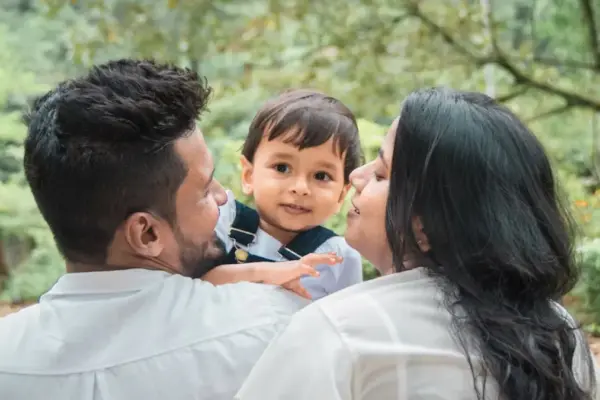
This shared viewing experience relied heavily on the concept of appointment television. Families tuned in because a specific show aired at a specific time, and those broadcasts naturally morphed into family conversation topics the very next day because everyone had witnessed the exact same events unfold. A child could spend the school day speaking English, navigating the cultural landscape of the United States, and then return home to a living room completely saturated in Spanish. This duality allowed second-generation Americans to inhabit multiple worlds comfortably. There was no need to choose between being Dominican and being from New Jersey; through the communal viewing experience, it was possible to simply be both.
Over time, however, the landscape of media consumption has undergone a fundamental transformation. Today, the familiar opening notes of a classic telenovela theme song can still instantly summon memories of those evenings with family, but the physical and logistical reality of watching television looks entirely different. The era of waiting for a scheduled broadcast and gathering collectively in the living room has largely given way to modern streaming habits. Audiences now watch content independently, on demand, and whenever personal schedules permit. When a modern viewer encounters something funny or evocative of home, the method of sharing has shifted from a living room shout-out to a quick clip or a meme dropped into a family group chat.
This evolution means that shared cultural moments have not necessarily disappeared, but they have undeniably become less automatic. In the past, a dramatic plot twist on a telenovela, a memorable musical performance on Sábado Gigante, or a popular song broadcast across national networks guaranteed a baseline of shared cultural currency. Everyone in the community had seen it, and everyone possessed an opinion. Today, with endless choices, algorithmic feeds, and hyper-personalized content, individuals frequently watch entirely different shows, follow disparate creators, and consume culture through fragmented pathways.
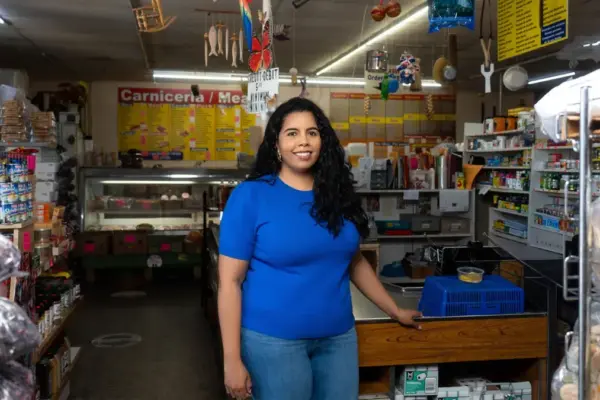
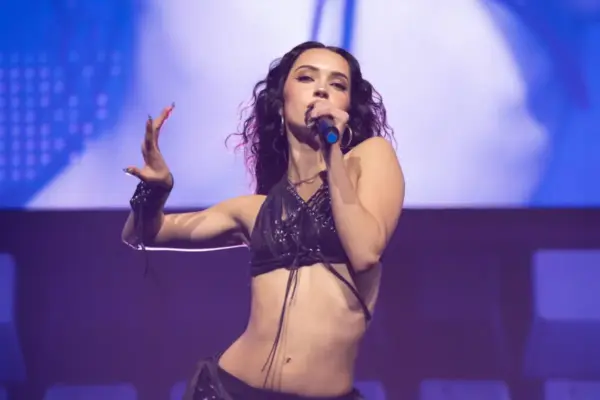
At the same time, the contemporary media ecosystem offers unprecedented advantages, particularly for Latino creators who are no longer waiting for mainstream networks to grant them representation. Instead, they are actively producing and distributing their own stories. A young Dominican viewer in New Jersey can now open a smartphone and instantly locate digital communities that reflect their exact lived experiences, bypassing the limitations of traditional broadcast gatekeepers. This level of access and creative freedom represents a monumental shift for marginalized voices.
Yet, even with infinite choices and vibrant digital spaces, a distinct type of longing persists for the collective viewing experiences of the past. The urge to find something that resonates with the comforts of home remains strong, but the desire to share that specific moment simultaneously with the people who originally defined what home felt like is harder to replicate in a personalized streaming environment.
Platforms have undeniably expanded, moving outward from traditional network television to encompass TikTok, independent podcasts, YouTube channels, and subscription streaming services. Yet the underlying human desire for connection has remained entirely constant.
For those who grow up straddling multiple cultures, heritage is transmitted through far more than formal oral histories or deliberate lessons about ancestral homelands. Culture lives permanently in language, culinary traditions, shared music, and the seemingly mundane, ordinary moments spent together in domestic spaces. The glowing television screen in a New Jersey living room, filling the air with Spanish, was never just a source of passive entertainment. In hindsight, what truly shaped identity was not merely what was happening on the screen, but the fact that it was being watched together as a family.
Today, audiences have access to more pathways for cultural connection than at any point in history. The central challenge moving forward lies in figuring out how to keep those connections shared in an increasingly individualized media landscape. Culture, after all, has never been merely something to passively consume; it remains something that must be actively experienced, remembered, and passed on.