








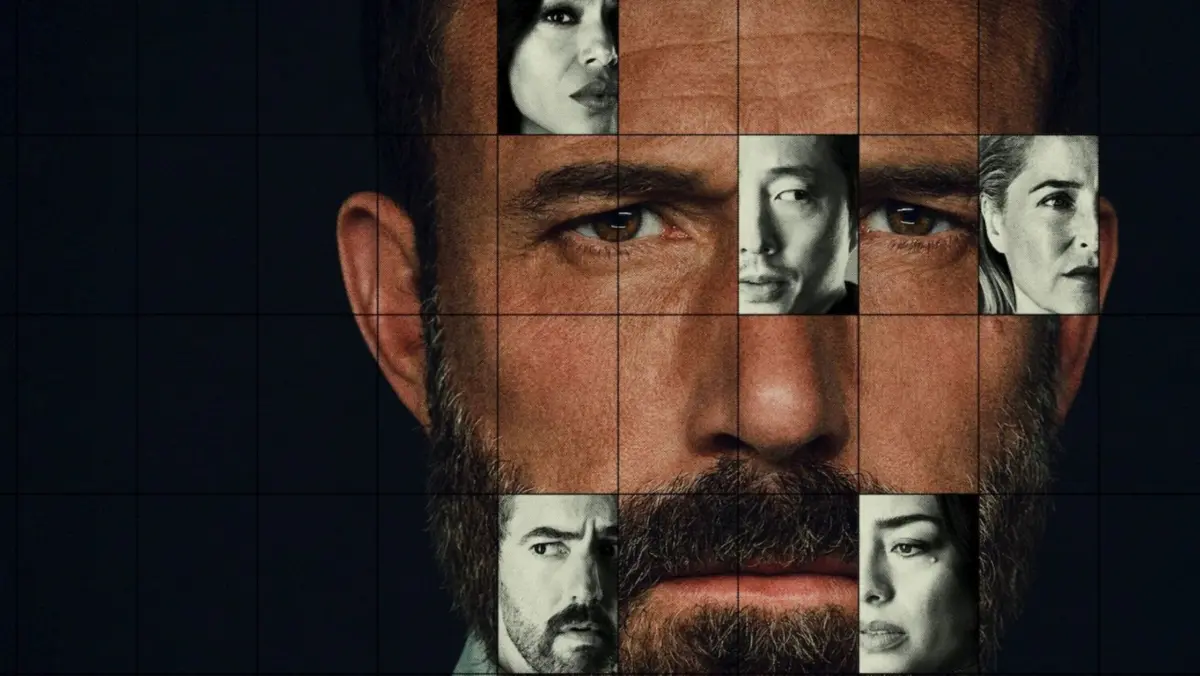
Ben Affleck recently sat down for an extensive and revealing interview with acclaimed journalist Jorge Ramos to discuss his latest directorial project, the Netflix feature film “Animals.” Throughout the conversation, the filmmaker made it abundantly clear that this cinematic endeavor was never intended to be a detached or purely commercial creative exercise. Instead, Affleck approached the project with a deep sense of personal and social conviction, telling Ramos that the United States fundamentally remains a nation of immigrants. He emphasized that his own family and background share in that immigrant narrative, asserting that the struggles and experiences of Luis and Adriana, the two central Mexican characters in the film, reflect the broader, ongoing story of the United States itself.
This overarching perspective served as much more than a routine marketing angle or promotional talking point. Rather, it functioned as the primary ideological driving force behind every major creative and logistical decision Affleck made while directing and co-writing the film. During their discussion, Affleck reflected candidly on the inherent professional and social risks he knew he was taking by bringing such a politically and culturally charged story to the screen amid the current, polarized climate surrounding immigration in the United States.
The depth of this commitment was particularly evident in how Affleck approached character development and authentic representation. Rather than relying solely on his own perspective or traditional Hollywood writing rooms, Affleck took the deliberate step of handing creative control over to his Mexican lead actors, Adriana Paz and Luis Gerardo Méndez. He gave them the pen to write their own dialogue, ensuring that the conversations depicted on screen carried genuine authenticity, cultural resonance, and emotional truth. By stepping back and allowing the actors to shape their characters’ voices, Affleck aimed to steer clear of tired stereotypes and instead present immigrant protagonists with full agency and dignity.
He Knew Making This Film Was a Risk and He Made It Anyway
Affleck was remarkably direct with Jorge Ramos regarding the calculated risks involved in producing a film that centers on the humanity, complexity, and dignity of immigrant characters in the present political climate. He acknowledged that fear, anxiety, and uncertainty have grown considerably within immigrant communities across the country. Despite these prevailing tensions, Affleck made the conscious decision to move forward with the project because he felt the subject matter was both timely and imperative. He explained to Ramos that his primary creative ambition was to portray immigrants not as flat supporting players or background elements in someone else’s narrative, but as fully realized individuals who command the center of their own stories.
The director also addressed a persistent, deeply entrenched perception within the broader film industry concerning English-language audiences and their alleged resistance to subtitles. For decades, commercial Hollywood studios have operated under the assumption that non-Spanish-speaking audiences strongly prefer English-language dialogue and will quickly disengage from foreign-language or bilingual productions that require reading subtitles. Affleck actively pushed back against this commercial assumption, deciding to make the film on his own terms. He argued that the profound social relevance of the narrative, combined with the absolute necessity of representing the immigrant experience with unwavering honesty and dignity, far outweighed any traditional box-office calculations or presumed audience aversion to subtitles.
This calculated defiance reflects a broader shift in how streaming platforms and independent production companies approach diverse storytelling. By backing a narrative rooted in authentic cross-cultural experiences, Affleck sought to challenge industry conventions while engaging viewers in a conversation about identity, power, and belonging. The film’s multi-layered approach also extends to its supporting cast, bringing together acclaimed performers such as Kerry Washington, Gillian Anderson, Steven Yeun, and Ray Fisher alongside its Mexican leads. Produced in association with Artists Equity—the production studio Affleck co-founded alongside longtime collaborator Matt Damon—“Animals” was built from the ground up to challenge industry norms while tackling complex human themes.
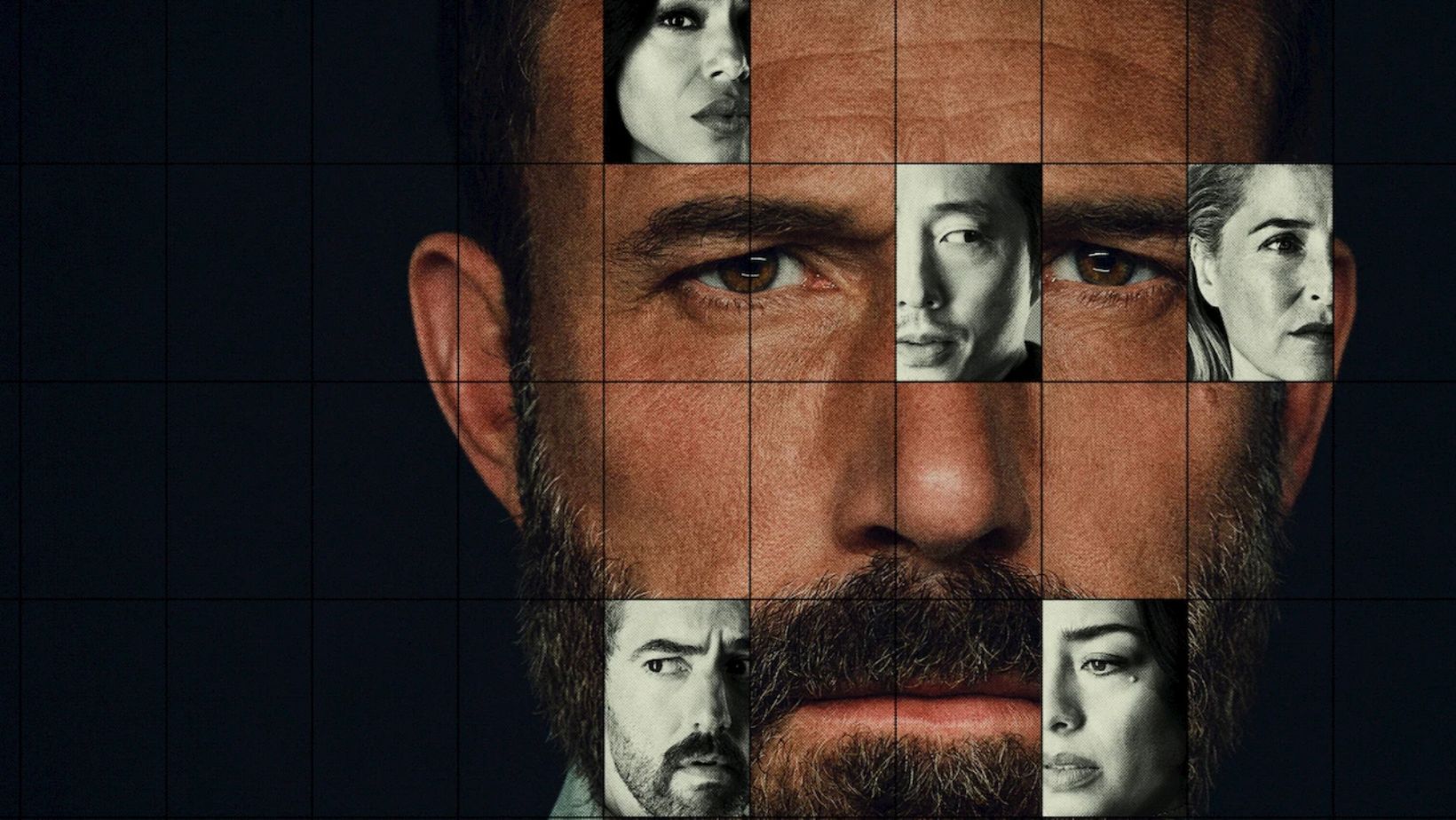
ICE Was Operating on His Filming Locations and the Script Was Playing Out in Real Life
The thoughtful interview between Affleck and Ramos unfolded against the backdrop of an intense, ongoing national debate regarding U.S. immigration enforcement, border policies, and the pervasive impact of Immigration and Customs Enforcement (ICE) operations on local communities. Affleck’s film arrives at a critical juncture when the traditional boundary separating cinematic fiction from everyday reality has grown remarkably thin. During production, this convergence of art and life manifested in ways that Affleck admitted he had never fully anticipated when the project first began development.
The movie was filmed on location in Los Angeles, a sprawling urban center with deep cultural ties to the Latino community. Affleck revealed to Ramos that there were specific days during production when the crew was forced to abruptly suspend filming because active ICE enforcement operations were simultaneously taking place in the immediate neighborhoods where they were working. Describing the surreal nature of the experience, Affleck noted that watching the complex social situations depicted in his script play out in real life right outside the perimeter of the set was nothing short of extraordinary.
This unexpected collision between fiction and reality on the streets of Los Angeles fundamentally altered the atmosphere on set and deepened the production’s emotional weight. Affleck noted that witnessing these events firsthand provided a stark, inescapable reminder of the urgency behind the story he was trying to tell, elevating the material beyond a standard cinematic exercise. This intense real-world context deeply informed how seriously the director took the responsibility of portraying immigrant lives accurately and respectfully. It also reinforced his decision to empower actors Adriana Paz and Luis Gerardo Méndez to craft their own dialogue, ensuring the script remained grounded in the lived realities of the communities whose stories were being brought to light.
He Said This Is a Country of Immigrants and His Family Proves It
For Ben Affleck, exploring the theme of immigration in “Animals” is not a detached intellectual exercise or a passing creative trend, but a reflection of a personal heritage that he wears proudly. He articulated to Jorge Ramos that his own family history and the broader lineage of his people are rooted in the immigrant experience. From his perspective, the struggles, aspirations, and daily lives of the characters in the film are inextricably tied to the fundamental narrative of the United States—a nation whose cultural identity, economic vitality, and historical development have continually been shaped by individuals who crossed borders to build new lives.
This personal conviction underpins the professional ambition that brought the project to fruition. By collaborating with top-tier talent both in front of and behind the camera, and by utilizing the infrastructure of Artists Equity to maintain creative integrity, Affleck sought to deliver a film that speaks directly to the complexities of modern American life. Released to streaming audiences globally, “Animals” enters a public discourse that is already deeply personal, politically charged, and emotionally resonant for millions of viewers navigating these realities on a daily basis. The film is currently available to stream on Netflix.