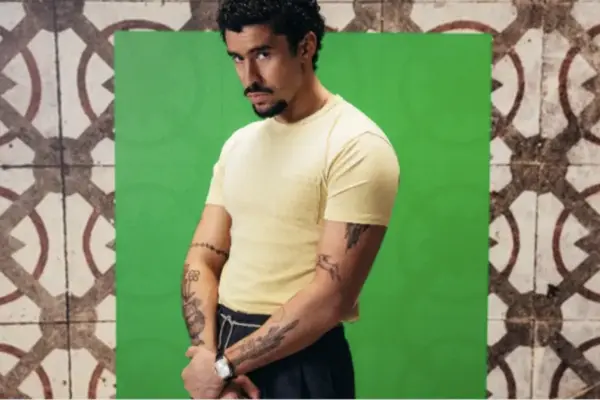









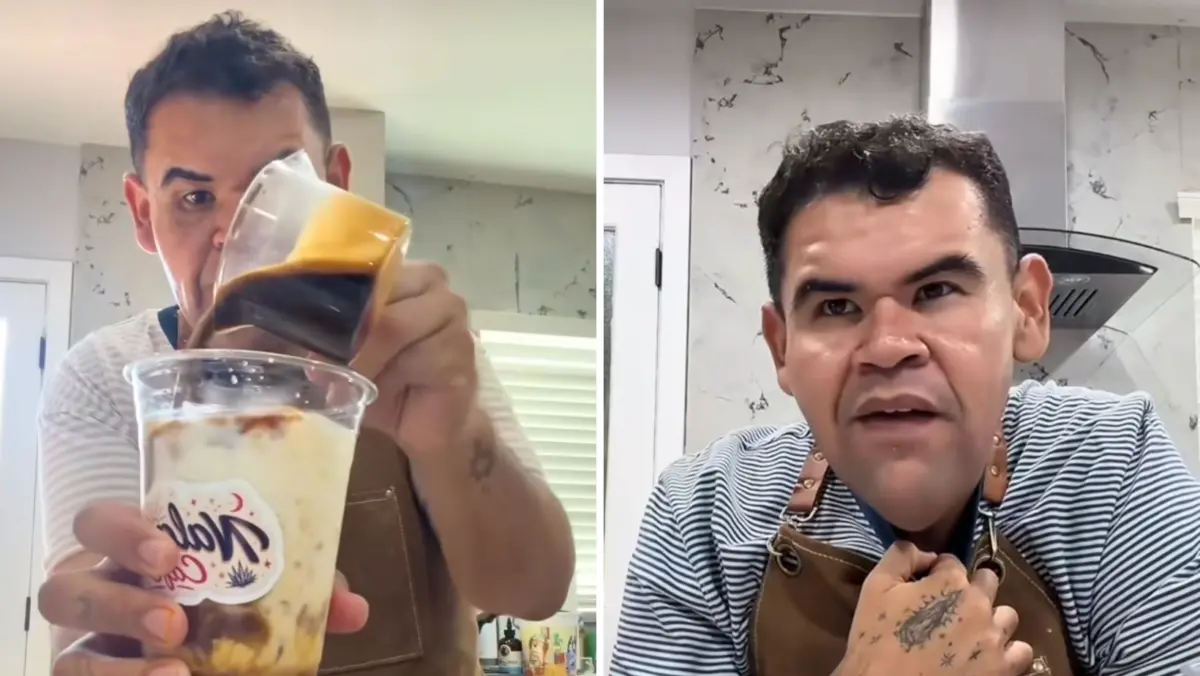
Jesus Zapien, the popular content creator widely known on TikTok as Jesus Nalgas, built his digital footprint by producing deeply relatable sketches centered on working-class Hispanic and Mexican family life. For many viewers, his humorous and grounded observations filled a notable void in social media spaces, offering a sense of representation and validation that mainstream platforms rarely provide to Latino audiences. However, the trajectory of his career has taken a sharp downward turn. Following a bizarre public feud with a customer and earlier controversial remarks regarding his business ventures, Zapien is facing an immense wave of backlash from the very community that propelled him to digital stardom.
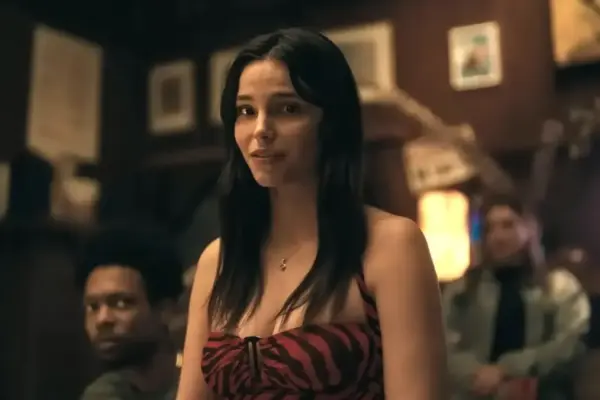
The recent controversy began when a customer named Natalie visited Nalgas Cafe, the home-based coffee shop operated by Zapien in Downey, California. Impressed by her experience, Natalie posted a glowing, five-star review of the establishment on TikTok. The video quickly gained massive traction, ultimately crossing the one-million-view threshold.
Rather than celebrating the free promotion and positive customer feedback, Zapien responded with hostility. During a public TikTok Live broadcast, he targeted Natalie directly, accusing her of being a "clout chaser" and claiming that her viral review amounted to doxxing his private residence.
Yet, the sequence of events leading up to his public outburst painted a very different picture. Prior to Zapien’s accusations, a commenter on Natalie’s viral post pointed out that the house number of the cafe was visible in the footage. Recognizing a potential privacy or comfort issue, Natalie took the proactive step of messaging Zapien privately. She asked him directly whether the showing address made him uncomfortable and whether he wanted her to remove the post entirely.
Zapien chose to ignore her private message completely. Instead of responding to her polite inquiry, he took his grievances public on a live stream, opting to publicly humiliate a supportive customer rather than simply answering a text message.
The Doxxing Accusation That Collapsed Under Scrutiny
The public response to Zapien’s live stream was swift, decisive, and overwhelmingly critical. The central flaw in his doxxing accusation was immediately apparent to viewers: Nalgas Cafe operates directly out of his private residence in Downey, yet features a large, highly visible promotional sign planted firmly on the front lawn facing a main boulevard. Zapien himself had placed the sign there specifically to attract foot traffic and draw customers to his public-facing business.
Furthermore, observers quickly pointed out that Zapien had previously posted numerous TikTok videos showing the exterior of the exact same house. He had even reposted other customer reviews that displayed the identical front facade without ever raising a complaint. The premise that a customer filming the exterior of an active commercial enterprise, complete with a giant roadside advertisement on the lawn, constituted a malicious doxxing attempt quickly fell apart under basic logic.
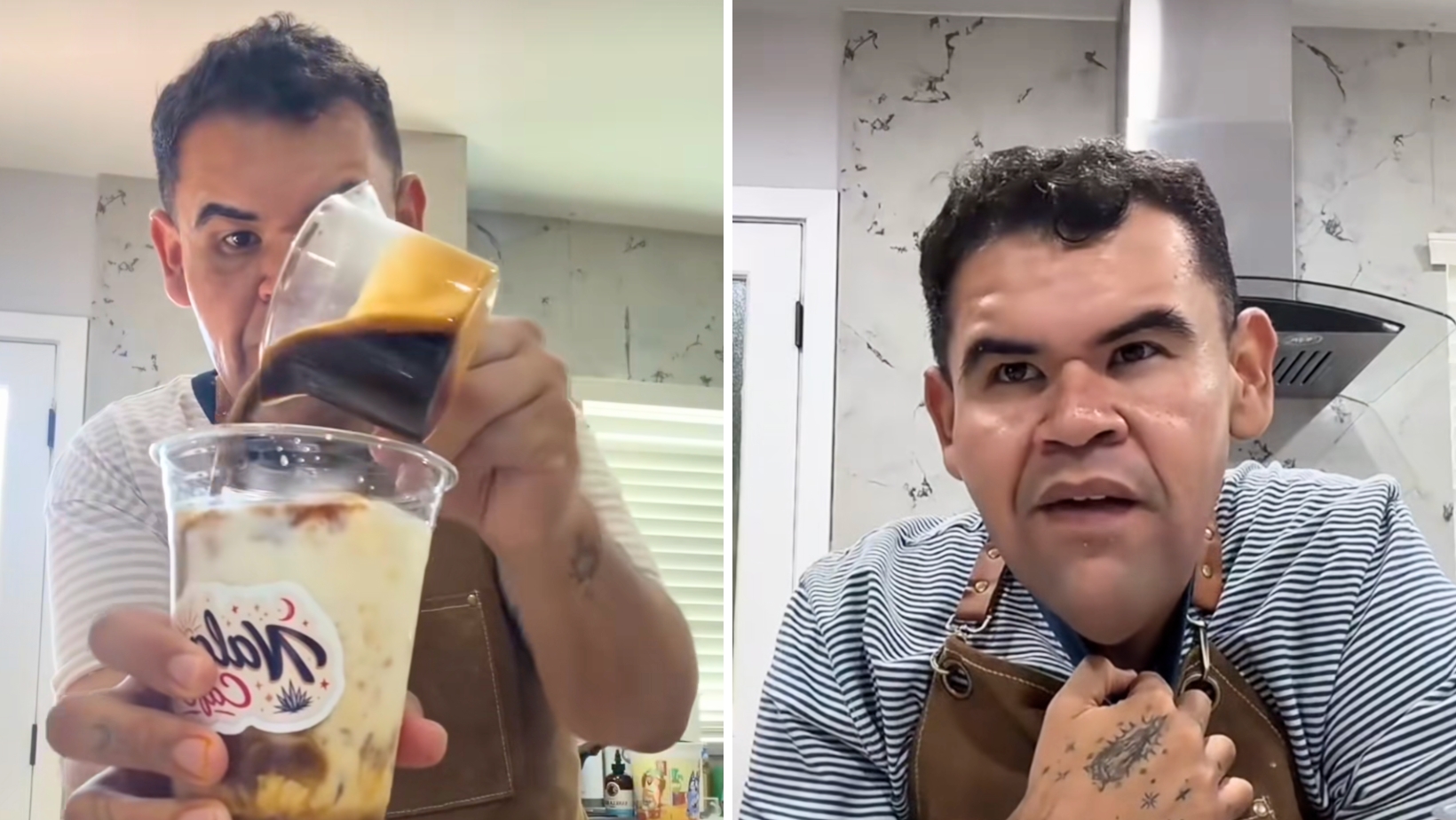
As commentary channels and users across multiple platforms dissected the interaction, a broader wave of criticism emerged. Numerous users flooded the comment sections of reaction videos to share their own personal, unpleasant encounters with Zapien. These testimonies suggested that his aggressive reaction to Natalie was not an isolated mistake, but rather a reflection of how he treats people when the cameras are not capturing his polished persona. Other creators even began producing parody content, finding the notion of a business owner screaming at a customer for a glowing review too absurd to ignore.
The "White People Money" Comment That Sparked Deep Resentment
The fallout from the customer dispute did not happen in a vacuum. Months before the Natalie situation unfolded, Zapien had already begun alienating segments of his core audience through remarks referencing "white people money" in connection with his entrepreneurial ambitions, including Nalgas Cafe.
For an audience that had supported him precisely because of how authentically he championed working-class Latino life, the comments signaled an alarming shift in priorities. Viewers felt that Zapien was attempting to distance himself from his cultural roots and financial backers now that he had achieved a measure of success.
The remarks raised a fundamental question about how a creator who built his entire platform on Latino relatability could view financial support through such a divisive lens. A dollar is a dollar. The twenty dollars earned from a Mexican family supporting his digital content spends identically at the cash register to money from any other demographic. Adopting a mindset that categorizes income by the race of the spender reveals an internal bias that is both jarring and contradictory to his public brand. It suggests an absorption of the very historical hierarchies that have long sought to diminish Latino economic power—treating the community as a stepping stone or a performance backdrop rather than a legitimate market worth investing in for the long term.
According to economic projections, Latino purchasing power in the United States is on track to reach $3.4 trillion by 2030. Framing a specific type of income as inherently superior makes little economic sense, and it feels particularly ungrateful coming from a creator whose platform was entirely built by working-class Hispanic families. Those very families provided the foundation that allowed Nalgas Cafe to open its doors and enabled a customer review to reach over a million views in the first place. His longtime supporters noticed the shift in tone long before the coffee shop controversy erupted.
What Both Incidents Reveal About a Creator’s Trajectory
Examined together, the "white people money" remarks and the unwarranted doxxing accusations tell a cohesive story about a digital creator who has begun to view his core audience as an obstacle rather than his bedrock. Jesus Nalgas did not build his massive following in spite of his Latino identity, but because of it. His cultural specificity resonated deeply with an audience that rarely sees its daily experiences reflected in mainstream media.
Treating that same audience as a temporary phase rather than the permanent foundation of his career is a clear display of ingratitude. Natalie simply left a positive review for a local coffee shop and went out of her way to reach out privately when a potential concern arose, only to be met with public hostility. The digital community watched that interaction unfold against the backdrop of months of perceived alienation, leading to a loss of goodwill that will likely leave a lasting impact on Zapien’s career.