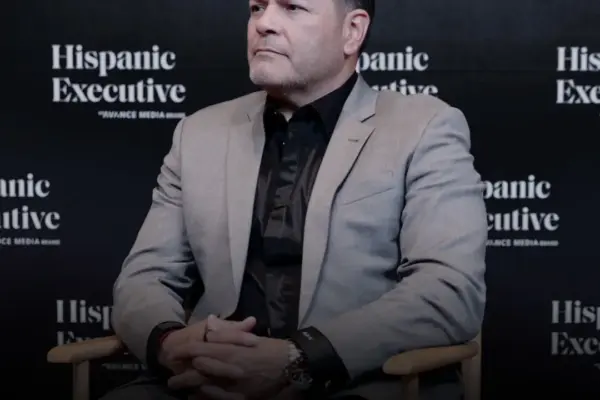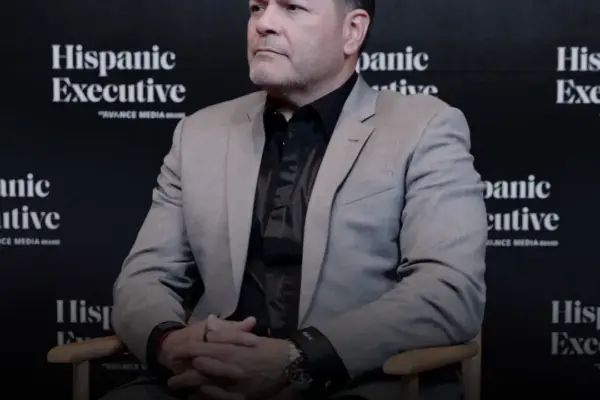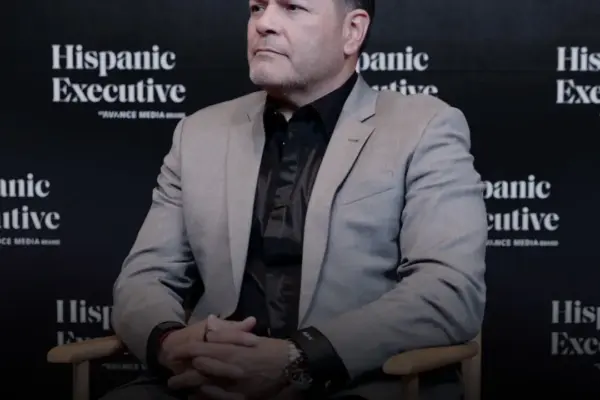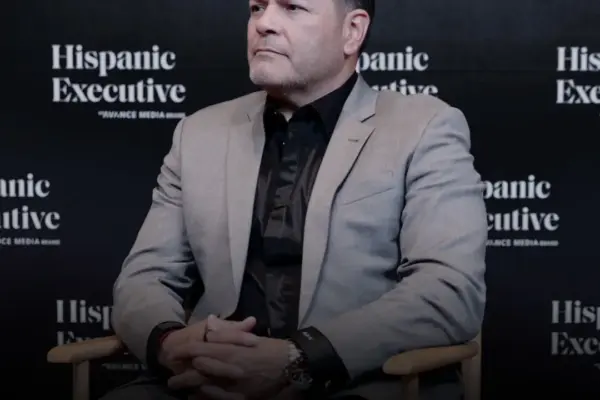






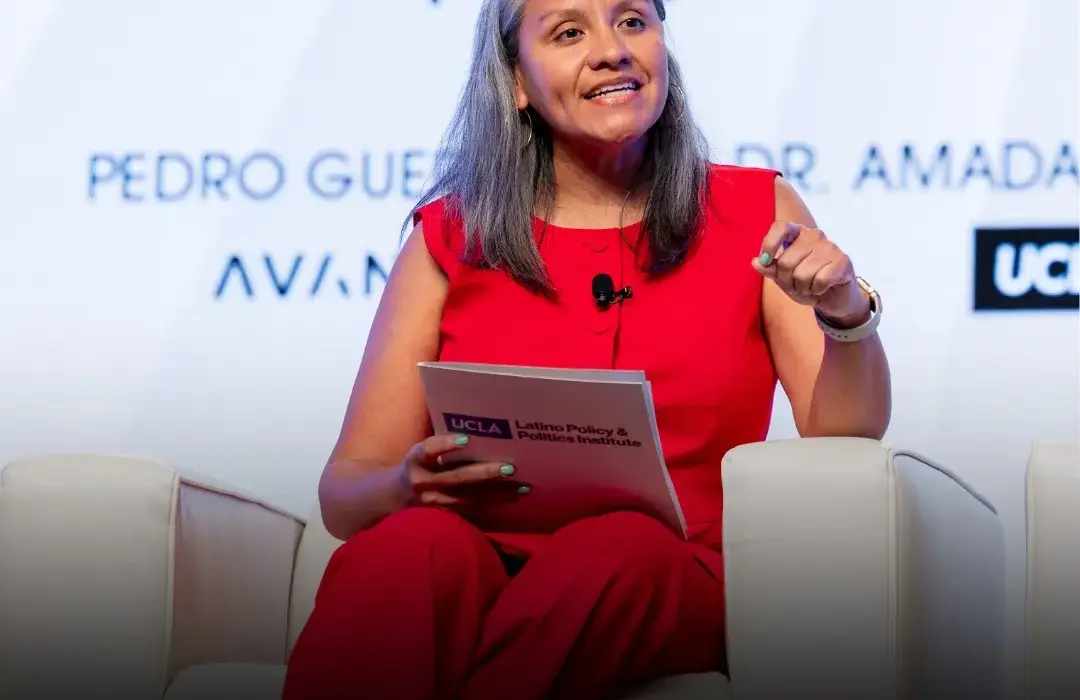
The intersection of academic research, community advocacy, and policy implementation took center stage at the AVANCE Global 2026 conference, held at the Bellagio in Las Vegas. Among the notable scholarly voices addressing attendees was Dr. Amada Armenta, an associate professor at the University of California, Los Angeles (UCLA) and the faculty director of the UCLA Latino Policy and Politics Institute (LPPI).
Dr. Armenta’s foundational 2017 book, Protect, Serve, and Deport: The Rise of Policing as Immigration Enforcement, provided a timely and critical scholarly lens when it was first published. Today, against a backdrop of shifting political landscapes and ongoing national debates regarding immigration, her work feels even more urgent. Her presence at the Las Vegas conference underscored the vital need for empirical research that directly addresses the systemic challenges facing Latino communities across the United States.
For Dr. Armenta, the perspective brought by researchers who share the lived experiences of the communities they study is fundamentally essential. Historically, research concerning Latino populations has frequently been conducted from an outside perspective—by scholars with significant social distance from the daily realities of the people they analyze. In contrast, researchers like Dr. Armenta bring both academic rigor and a deep, personal passion for sharing accurate data and telling authentic stories about their communities. This dual lens allows for a more nuanced understanding of complex socioeconomic and political dynamics.
Addressing the audience during the conference, Dr. Armenta emphasized that the scope of academic work must extend far beyond the traditional boundaries of university publishing. The ultimate goal, she noted, is to serve as a bridge between separate worlds.
"We also do research that is meant not just for academic advancement, but to bridge worlds," Dr. Armenta explained during her session. "We share research with policymakers, nonprofit organizations, or community-based organizations that want to use it for advocacy, and business communities that may not have time to read academic studies. We do research translation that really illustrates why data is so important."
This commitment to research translation forms the core of Dr. Armenta’s professional philosophy. While numbers and statistics are critical for establishing trends, they rarely communicate the human element required to drive meaningful legislative or social change. By translating dense academic studies into accessible, actionable insights, she helps community leaders and decision-makers utilize empirical evidence effectively in their advocacy efforts.
Dr. Armenta’s path to becoming a leading voice in Latino policy and politics began early in life. As a young person, she was deeply engaged in the political sphere, working as a political junkie who actively canvassed for various campaigns. During those formative years, she frequently told those around her about her ambitious aspirations of one day becoming president. However, a pivotal turning point occurred when she secured an internship in Washington, DC. Immersed in the daily operations of the nation’s capital, she quickly realized that electoral politics was not the lens through which she truly wanted to view or shape the world.
Rather than seeking elected office, she recognized a more profound calling: she wanted to be the expert that those in politics turned to for help when attempting to understand complex, multifaceted issues. This realization steered her toward academia and rigorous sociological research, allowing her to influence policy from an analytical and evidence-based foundation.
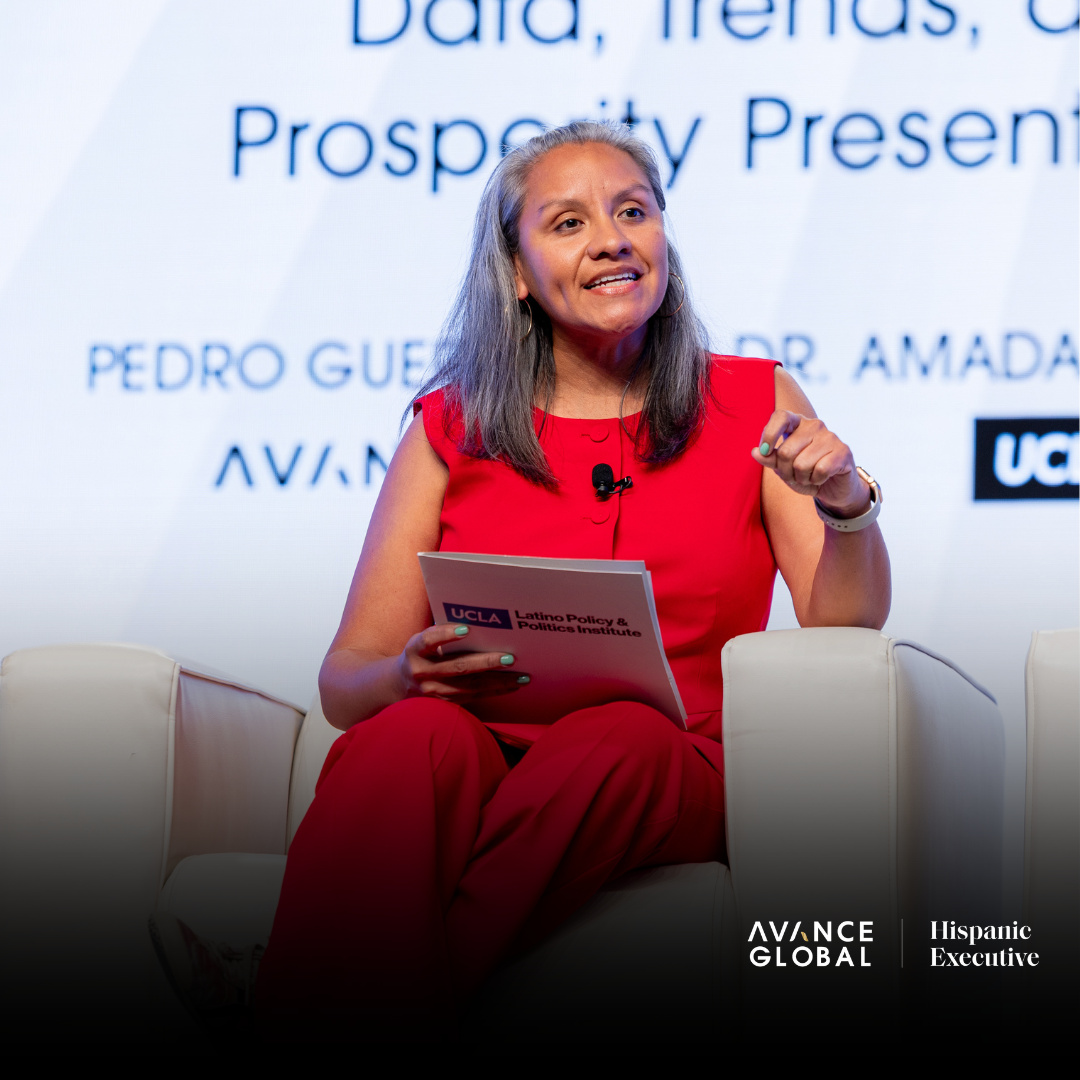
One of the defining characteristics of Dr. Armenta’s professional and public speaking style is her refreshing and uncompromising directness. In academic circles, communication can sometimes be obscured by dense jargon and overly complicated theoretical frameworks. Dr. Armenta rejects this approach, making clarity and straightforward communication her trademark. Colleagues and conference attendees alike note that no one ever leaves a conversation with her confused about her meaning or intent.
"I think I’m really direct," Dr. Armenta said when discussing her communication style. "It’s unusual for researchers to be able to distill information in an understandable way, and it’s something I feel really passionate about."
This ability to distill complicated data into clear, digestible narratives is particularly crucial at a conference like AVANCE Global, which centers on themes of economic empowerment, representation, and community unity. Within such a framework, hearing directly from scholars who investigate structural issues—such as immigration enforcement and its wide-reaching ripple effects—is imperative. Dr. Armenta pointed out that contemporary society is in great need of reputable, reliable information produced by smart and passionate individuals who are committed to public engagement.
A central theme of her message in Las Vegas was the fundamental limitation of raw statistics when divorced from context. In an era dominated by information overload and competing narratives, empirical findings cannot simply be presented in a vacuum and expected to drive reform on their own.
"Because data doesn’t speak for itself," the researcher noted, emphasizing the active role scholars must play in public discourse. "We need to help craft the story to make our data have power."
Crafting that narrative requires a significant investment of time, energy, and emotional labor—resources that are currently under heavy demand. Dr. Armenta acknowledged that she is stretched remarkably thin across multiple professional responsibilities. Between high-profile speaking engagements, directing initiatives at the UCLA Latino Policy and Politics Institute, conducting ongoing research, and fulfilling her teaching duties, her schedule is exceptionally rigorous.
Because of these competing demands, she is currently weighing whether she is ready to dedicate the substantial time required to write a follow-up book. The writing process for a major academic text requires a deep, uninterrupted focus that is difficult to maintain alongside an active public-facing schedule. Consequently, she has been evaluating alternative approaches to her work. She is actively considering whether the same critical information and research findings could be distributed in more digestible, modern formats while still maintaining the powerful storytelling tradition that remains central to her academic identity.
While she believes alternative dissemination methods are entirely possible, finding the necessary time to plan and execute such a transition remains an ongoing challenge. For now, Dr. Armenta continues to balance her heavy workload, utilizing platforms like the AVANCE Global conference to share her insights, challenge conventional perspectives, and advocate for the strategic use of data in empowering Latino communities across the nation.