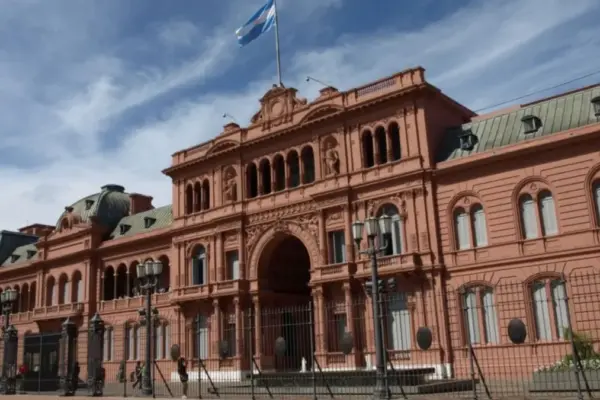






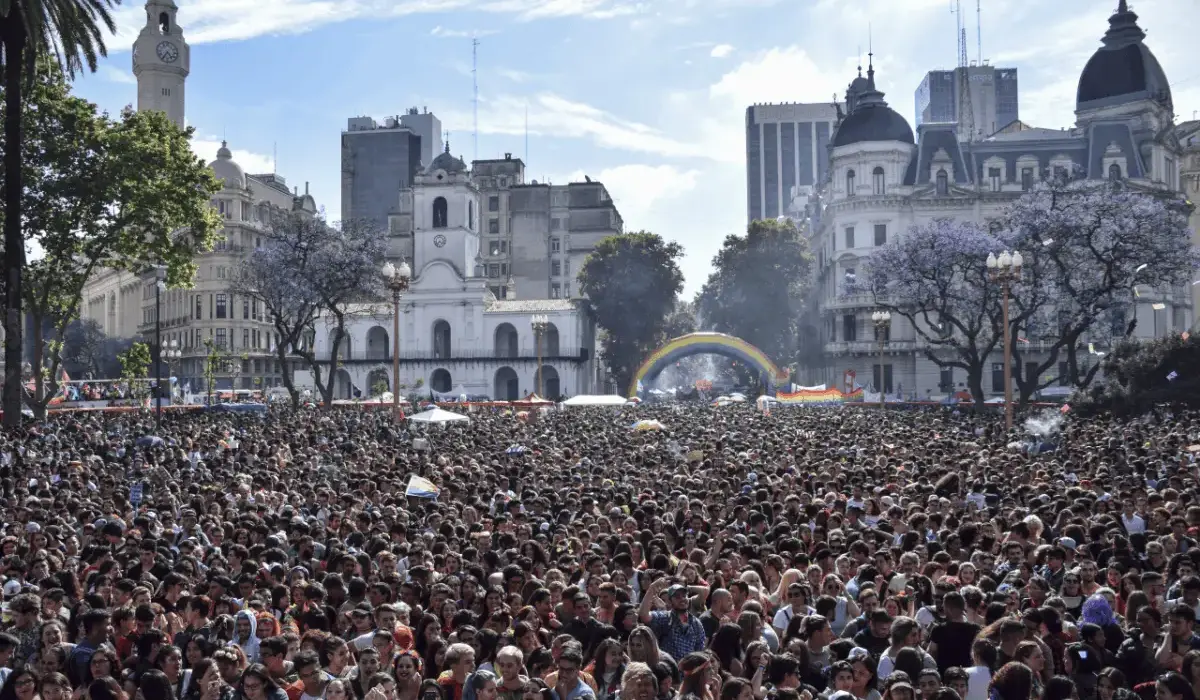
This year’s Pride celebration in Argentina will take place as originally planned on November 7, the Buenos Aires City government and the LGBTQIA+ community jointly announced late on Friday, successfully resolving a tense scheduling standoff that had dominated local headlines for over a week.
The breakthrough agreement comes after days of intensive negotiations between city authorities and event organizers. The controversy initially sparked when the Buenos Aires City government announced plans to restrict major public gatherings in the capital to accommodate the logistical demands of Pope Leo XIV’s upcoming visit to Argentina. The pontiff is scheduled to arrive in Buenos Aires on November 8—just one day after the scheduled Pride march—and will remain in the country until November 11.
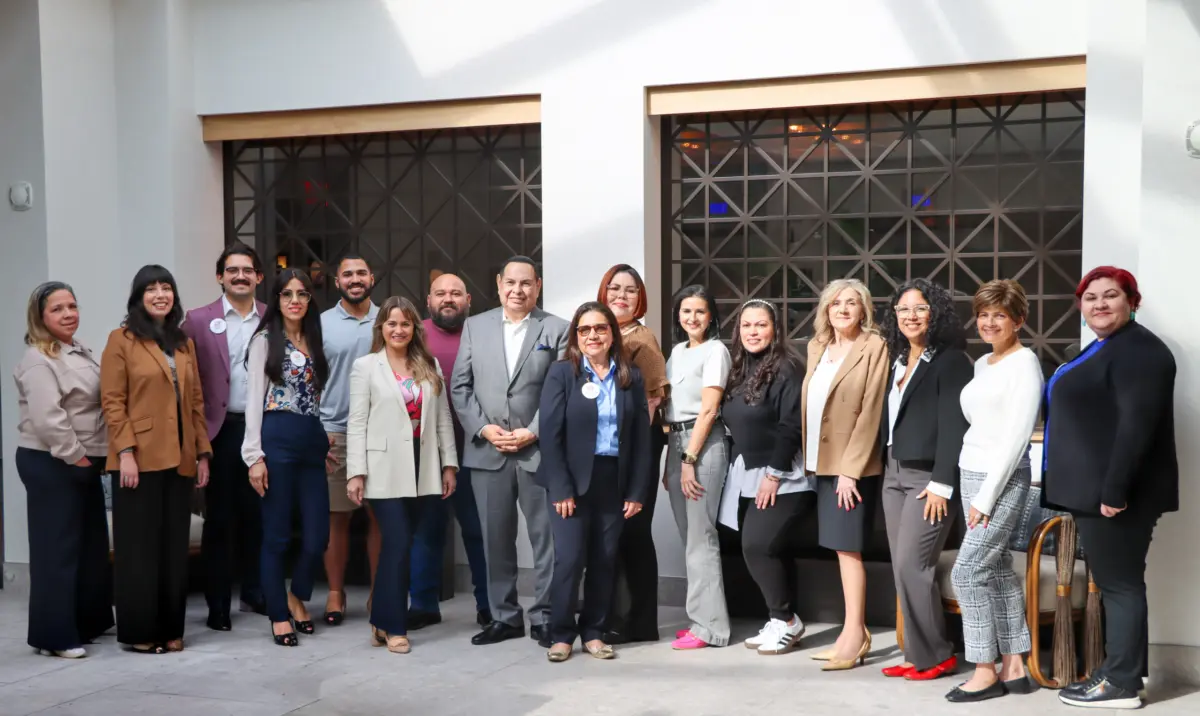
In a synchronized statement published across social media platforms on Friday evening, Pride organizers confirmed that they were able to find common ground, allowing both major events to proceed without disruption. They credited the resolution to an "openness to talk and agree" demonstrated by both parties during the diplomatic process.
"Dialogue, organization, and a shared political will show that it was possible to guarantee both events without giving up any right," the joint statement read. Organizers concluded their message with an enthusiastic call to action, assuring participants that they will "see everybody on the streets" on November 7.
The Buenos Aires City government promptly confirmed the agreement, releasing an identical statement that echoed the sentiment of cooperative planning and mutual respect for public participation. According to the finalized itinerary, the march will proceed down its traditional route along Avenida de Mayo, stretching between 9 de Julio Avenue and the National Congress building, where the main stage and cultural presentations will be set up.
Tense Negotiations and Logistical Hurdles
The path to Friday’s agreement was marked by considerable friction between municipal authorities and community leaders. On September 17, the Buenos Aires City government publicly announced that it would withhold authorizations for all public events within the city limits between November 6 and November 13. Officials cited the immense security, infrastructure, and logistical challenges posed by Pope Leo XIV’s four-day pastoral visit, which begins on November 8.
The blanket ban immediately drew sharp backlash from Argentina’s LGBTQIA+ community and civil rights advocates. Traditionally, the annual Buenos Aires Pride march is planned for the first Saturday of November. Because of the calendar alignment, this year’s march was slated for November 7—precisely 24 hours before the papal arrival.
Faced with the impending security restrictions, the city government’s initial proposal was to postpone the mass gathering by two weeks, pushing the date to November 21. However, organizers swiftly and firmly rejected the suggestion, arguing that shifting the date of a national mobilization of this magnitude involved far more complex considerations than simply "changing dates" on a calendar.
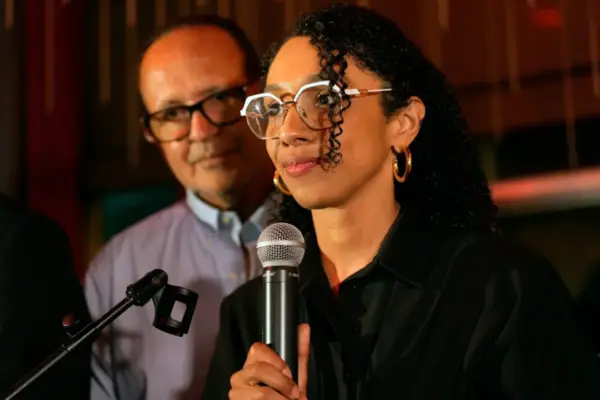
Fer Albornoz, a press representative for the Pride organizing committee, detailed the immense logistical disruption that a postponement would have caused. Speaking on the implications of the city’s initial proposal, Albornoz explained that preparations for the event begin nearly a year in advance, starting as early as March.
"There are 700 fair tents that have made arrangements to be selling at Plaza de Mayo and Plaza de los Dos Congresos that day, plus numerous musical acts and floats," Albornoz told the Herald during the height of the dispute. He warned that forcing a delay would result in widespread dropouts, as vendors, artists, and technical crews had already committed their schedules and resources to the original weekend.
Beyond the logistical nightmare of rescheduling hundreds of independent vendors and performers, organizers also highlighted the profound symbolic and cultural intersection of the two events. Albornoz pointed to "Somos Centu," an active group within the march’s organizing committee that focuses on the intersection of sexual diversity and spirituality, as a prime example of why keeping the original date mattered so deeply to participants.
"Members of that group, which is part of the march’s organizing committee, are about sexual diversity and spirituality. Many of them are religious and were planning to attend the march and stay to welcome Pope Leo XIV," Albornoz noted, emphasizing that many members of the queer community hold multifaceted identities that embrace both their sexual orientation and their faith.
A Unique Historical Context for Argentine Pride
The underlying reason for the scheduling overlap stems from a uniquely Argentine tradition regarding when Pride month is observed. While the global LGBTQIA+ community traditionally marks Pride month in June, culminating in international commemorations around June 28 to honor the 1969 Stonewall uprising in New York City, Argentina observes its celebrations during the late spring in the Southern Hemisphere.
The Stonewall riots, which served as a watershed moment for the modern gay liberation movement following police raids on the Stonewall Inn in Greenwich Village, inspired early global solidarity. However, practical and climatic realities quickly reshaped how the movement took root in South America.
"Our first pride march happened on July 2 [1992] in keeping with Stonewall, but remember that it’s the middle of winter here and it’s very cold," a representative from the Argentine LGBT+ Federation, a nonprofit umbrella organization uniting queer groups across the country, explained to the Herald in a historical retrospective.
During the early 1990s, as the HIV/AIDS epidemic ravaged marginalized communities and exacted a devastating toll on the LGBTQIA+ population, asking vulnerable individuals to demonstrate outdoors during the freezing Southern Hemisphere winter posed severe health and logistical risks. Recognizing that street visibility was critical yet dangerous under those conditions, activists began searching for an alternative calendar slot that offered milder weather.
Organizers discovered a vital piece of local history that provided a natural transition. Nuestro Mundo, recognized as Argentina’s very first LGBTQIA+ organization, was founded in November 1967—predating the Stonewall riots by nearly two years. Embracing this indigenous historical milestone, coupled with the arrival of warmer spring weather in November, the community successfully relocated the annual march. Since then, the late-spring mobilization has grown into one of the largest and most vibrant human rights demonstrations in Latin America, culminating annually in the heart of Buenos Aires.