











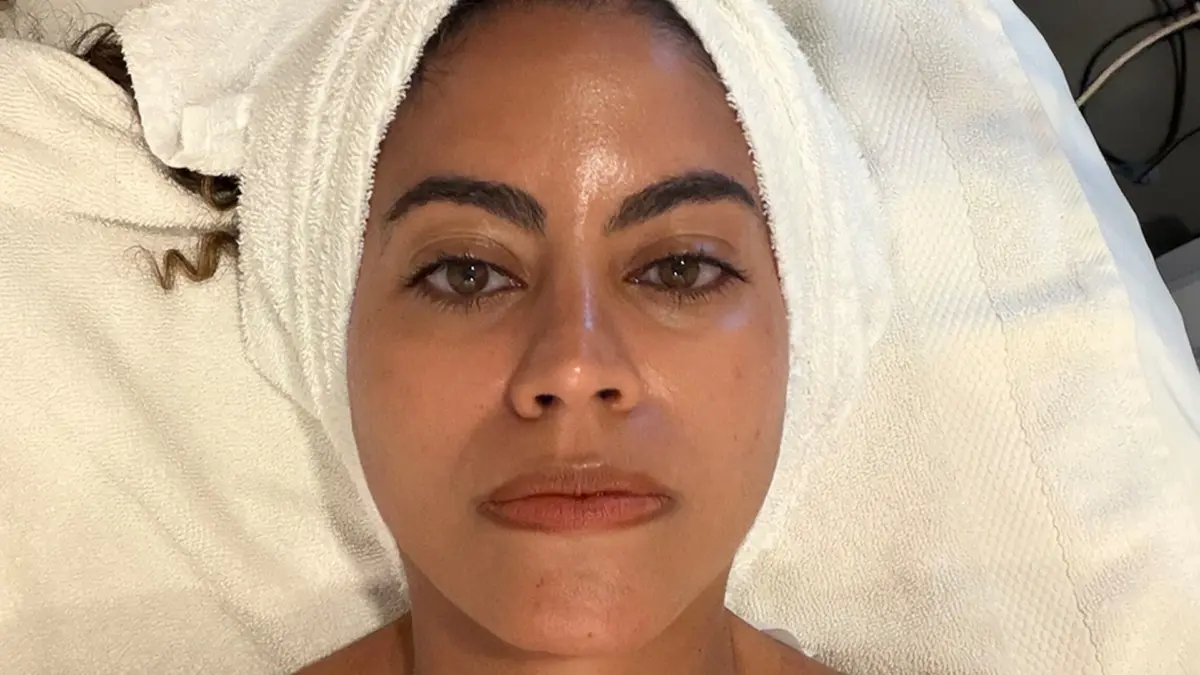
As the milestone of a 40th birthday approached, the search began for an in-office aesthetic treatment capable of maintaining an already youthful, defined face while keeping a brown complexion bright, clear, and evenly toned. The goal was straightforward: boost collagen production, smooth the overall complexion, and address early signs of skin laxity without enduring the extensive downtime associated with more intensive procedures or relying exclusively on short-term injectables. Equally important was finding an option that minimized the risk of post-inflammatory hyperpigmentation—a persistent concern for individuals with darker skin tones when considering specific laser and light-based therapies.
Earlier this year, attention turned toward XERF, positioning itself as one of the newest Korean aesthetic treatments to enter the United States market. Since receiving clearance from the Food and Drug Administration last August, the collagen-stimulating radiofrequency treatment has gained significant traction across social media platforms like TikTok, frequently appearing on personalized feeds. Viral before-and-after photographs regularly showcase individuals featuring more sharply defined jawlines, visibly lifted cheeks, and smoother skin textures. Experiencing the procedure firsthand brought an appreciation for the widespread enthusiasm, while also providing a grounded, realistic perspective on what a single session can genuinely accomplish.
Why I Wanted To Try XERF
Skincare has long been approached through a lens of prevention and maintenance. The first structured skincare routine was established during high school, guided by a longtime Latina dermatologist. That foundational period instilled essential practices: utilizing a gentle cleanser and moisturizer tailored to specific skin needs, alongside the daily, year-round application of sun protection factor (SPF).
Despite years of consistent facials and a dedicated skincare regimen, a cautious approach has historically been taken toward in-office treatments targeting visible signs of aging. The overriding priority has always been maintaining the stability of sensitive skin. Much of the twenties were spent managing occasional acne and residual post-acne dark spots, followed by the onset of rosacea in the thirties. This history created a natural hesitation toward procedures like microneedling, traditional lasers, and chemical peels. Experiencing even a couple of days of a red, irritated face feels disruptive; the preference is always to leave a dermatologist’s office or medical spa with an immediate, healthy glow rather than looking like recovery requires hiding at home for a week.
Similarly, experiences with injectables have remained conservative. Botox is administered twice a year exclusively to the chin to relax an overactive mentalis muscle. Throughout this time, the attending dermatologist has maintained a measured, "less is more" philosophy, actively discouraging treatments in other areas before they are genuinely necessary. Experimentation occurred last year with chin filler and Skinvive. While the initial results were deeply appreciated—eliciting the distinct feeling of stepping out as a polished, enhanced version of oneself—the glowing effect proved short-lived, and sensitive skin experienced a mild purge afterward. Although the filler improved the structural shape of the chin, it failed to address the underlying muscular movement causing dimpling. Despite the beauty of the initial outcome, maintaining treatments that did not solve the root issue seemed counterproductive.
Earlier this year, serious exploration into skin-tightening procedures led to a trial of Sofwave a few months prior to turning 40. While a dramatic lifting effect was not immediately apparent, the complexion felt noticeably smoother and more refined in the subsequent months. An earlier trial of SkinTyte, by contrast, involved an intensely hot sensation that left little confidence in its overall efficacy.
Concurrently, subtle facial shifts began to emerge: slight hollowing beneath the eyes and the preliminary shadows that precede the full development of nasolabial folds, commonly known as smile lines. These changes are suspected to be partially linked to weight fluctuations experienced while managing symptoms associated with small intestinal bacterial overgrowth (SIBO) and irritable bowel syndrome (IBS). Knowing that an immediate return to additional injections was undesirable, the search shifted toward an intervention that could collaborate harmoniously with the skin’s natural collagen production pathways.
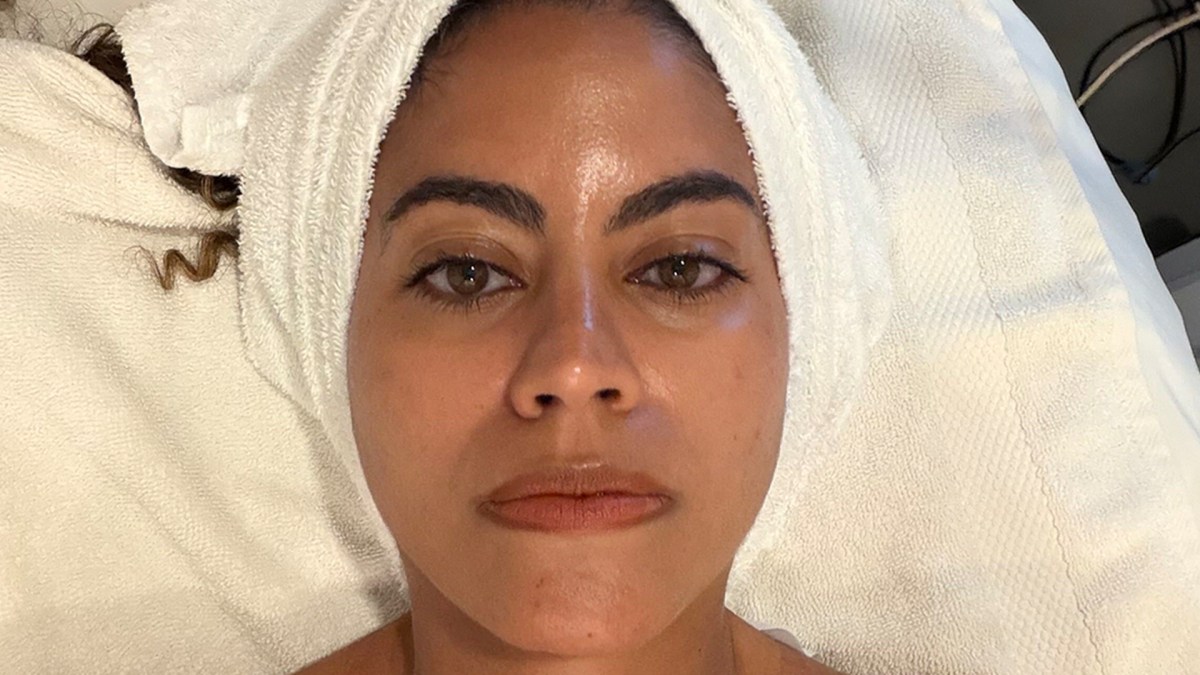
This search ultimately led to XERF, driven by its promise of minimal to no recovery downtime and its demonstrated compatibility with a diverse range of skin complexions. The initial appointment was approached with high hopes that a single session would impart an instantly snatched and radiant facial appearance.
What the Treatment Felt Like
The XERF procedure was performed at Joanna Vargas’s established spa in Manhattan. According to Vargas, the non-invasive procedure utilizes monopolar radiofrequency energy operating simultaneously across two frequencies—6.78 MHz and 2 MHz—allowing the energy to reach multiple tissue depths within a single treatment session. Unlike devices such as Morpheus8, XERF does not combine microneedling with radiofrequency, and unlike ultrasound-based tightening systems like Ultherapy and Sofwave, it depends entirely on radiofrequency energy to heat underlying tissue and stimulate collagen synthesis.
Because the energy delivery method does not selectively target pigment, Vargas explained, XERF is safe and effective across a wide spectrum of skin tones. That factor was paramount in the decision-making process. Naturally, this account reflects a personal experience with the procedure and does not serve as a universal guarantee of how every individual’s skin will react.
The face-only session lasted approximately one hour. While radiofrequency treatments inherently generate thermal energy, XERF proved entirely manageable. The sensation was comparable to receiving a hot stone massage, specifically tailored for the face—an experience that is notably tolerable. Integrated cooling technology within the device successfully balanced the generated warmth. Occasional mild pinches were felt, but the sensation never escalated to pain or unbearable heat, even across thinner-skinned regions like the forehead.
Immediately following the procedure, the skin appeared noticeably brighter and calmer, completely devoid of any visible signs of post-inflammatory hyperpigmentation. Shadows surrounding the smile lines appeared softened, an already-defined jawline looked subtly tighter, and the cheekbones carried a gentle, elevated contour. The hope for an immediate post-treatment glow was successfully realized.
My Results After One Month
The resulting changes stopped short of dramatic, surgical facelift levels, but they were unquestionably observable. Over the days following the appointment, the shadows around the smile lines continued to soften. The overall complexion appeared progressively smoother and more refined, lending the face a more sculpted definition. Additionally, increased movement had previously been noticeable in the forehead during speech and facial expressions; following the XERF session, that specific zone felt noticeably firmer, though the treatment avoided freezing muscle movement in the manner characteristic of neurotoxins like Botox.
XERF did not produce significant changes regarding the subtle hollowing beneath the eyes—an outcome that was entirely anticipated. That particular concern stems from localized volume loss, a structural issue that skin-tightening technologies are not engineered to replace. This limitation was viewed favorably, as the procedure successfully refined existing facial architecture rather than fundamentally altering the natural shape of the face.
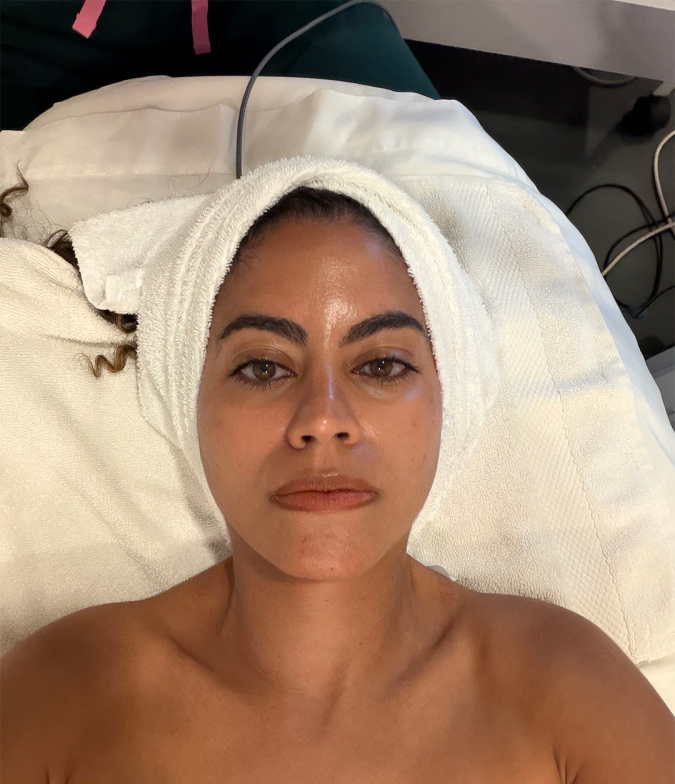
Vargas offered a similarly measured explanation regarding what patients can realistically expect around smile lines: XERF cannot erase deep folds in the manner of dermal fillers, but it can successfully strengthen and tighten the surrounding tissue matrix so that the area appears smoother and better supported. That professional description aligned precisely with the personal results observed. The face retained its natural appearance while looking fractionally tighter, smoother, and more lifted.
It is worth noting that XERF is not the sole factor influencing skin vitality. A disciplined daily skincare regimen is maintained, incorporating retinol and barrier-supporting formulations, alongside a long-standing commitment to daily SPF application. At-home aesthetic devices and health-conscious lifestyle habits also contribute to overall wellness. Consequently, attributing every single aspect of the skin’s radiant state to one isolated treatment would be inaccurate.
Because the biological process of collagen remodeling requires considerable time, comprehensive results continue to develop progressively for up to three months. One month post-treatment, steady improvements have continued to manifest week after week. Upon reaching the three-month milestone, a final evaluation will determine whether to schedule an additional session or transition the treatment into an annual maintenance schedule.
My Honest Verdict
Finding a treatment capable of delivering a coveted glass-skin effect on a brown complexion while simultaneously addressing the subtle signs of aging becoming apparent at age 40 once seemed unlikely, yet XERF came remarkably close. The skin maintains an impressive appearance without the application of cosmetics, genuinely feeling smoother, firmer, and subtly lifted.
While the procedure may not replicate the dramatic transformations often labeled as a "mini non-invasive facelift" across social media platforms like TikTok, anyone anticipating radical facial restructuring from a single session may need to adjust their expectations. For this patient, the complete absence of downtime proved to be a substantial advantage, and the tangible tightening and skin-refining outcomes are undeniable.
Earning a perfect rating, the experience has clearly won over this Latina patient. Expectations remain grounded while observations continue through the upcoming three-month evaluation period to fully assess the final evolution of the results.