









By Lissete E. Lanuza
September 17, 2026 – 10:32
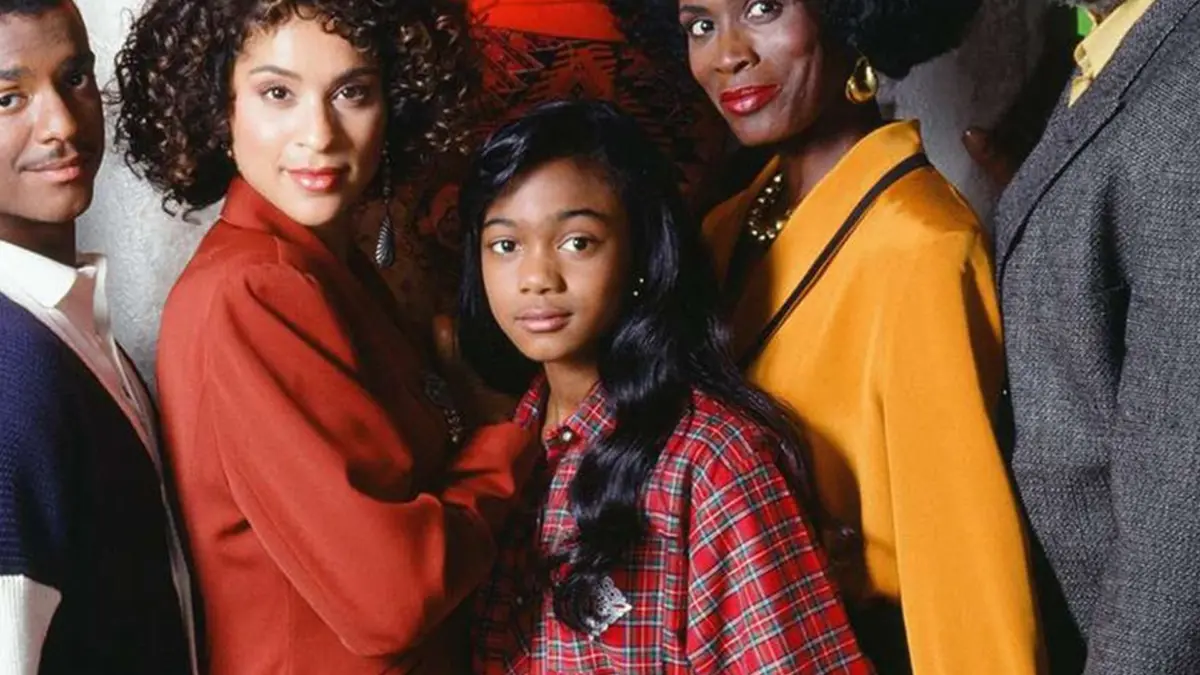
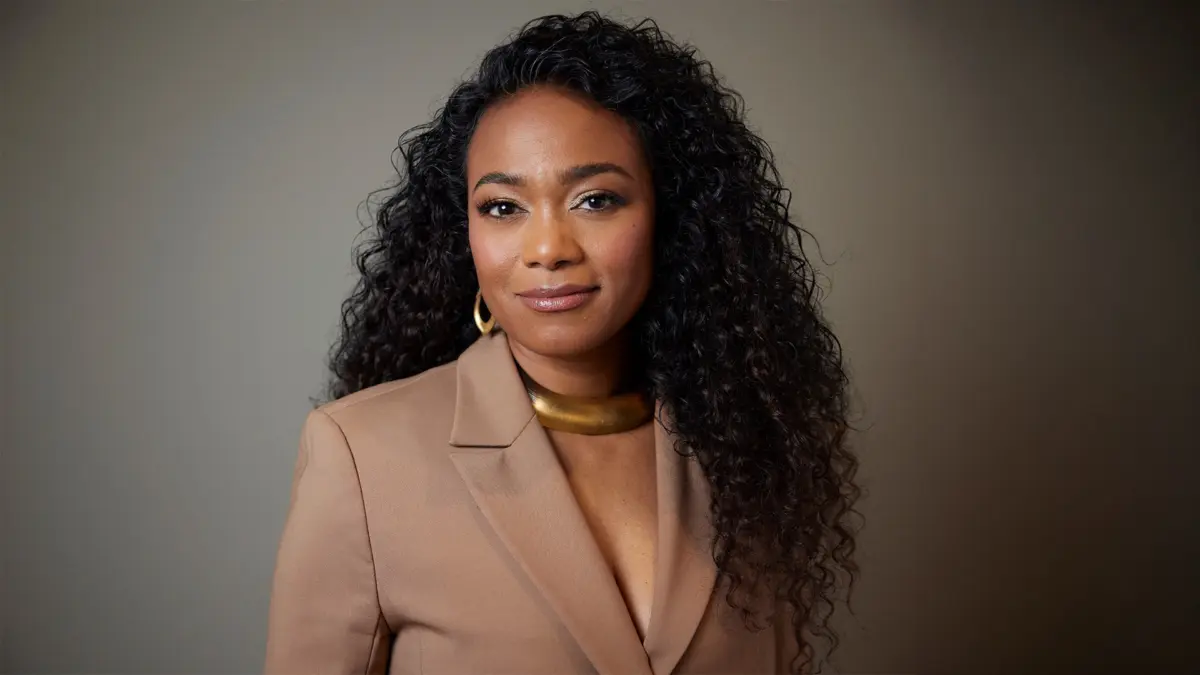
Actor, singer, and current Dancing With the Stars contestant Tatyana Ali—best known for her iconic childhood role as Ashley Banks on the beloved television sitcom The Fresh Prince of Bel-Air—has stepped into a new and vital role as a leading advocate for maternal health equity. In recent years, Ali has emerged as a prominent voice in the nationwide movement to dramatically improve maternity health outcomes for Black and Indigenous mothers and babies by directly confronting systemic racism and deep-seated inequities embedded within modern maternity care.
For Ali, this advocacy is not merely a philanthropic endeavor or a detached public relations campaign; it is deeply personal. The entertainer has spoken openly about her own harrowing experience with what she describes as "obstetric violence" during the delivery of her firstborn son, Aszi, back in 2016. In a revealing and emotional interview with NPR, Ali shared that her carefully prepared birth plan was entirely ignored by medical staff and that she was physically restrained during the labor and delivery process.
Recalling the trauma of that day, Ali described how a routine medical environment quickly escalated into a distressing and overwhelming situation. "It went from a small group of people in the room to many people in the room screaming, yelling at me," she recounted during the interview. "I was held down by about four people."
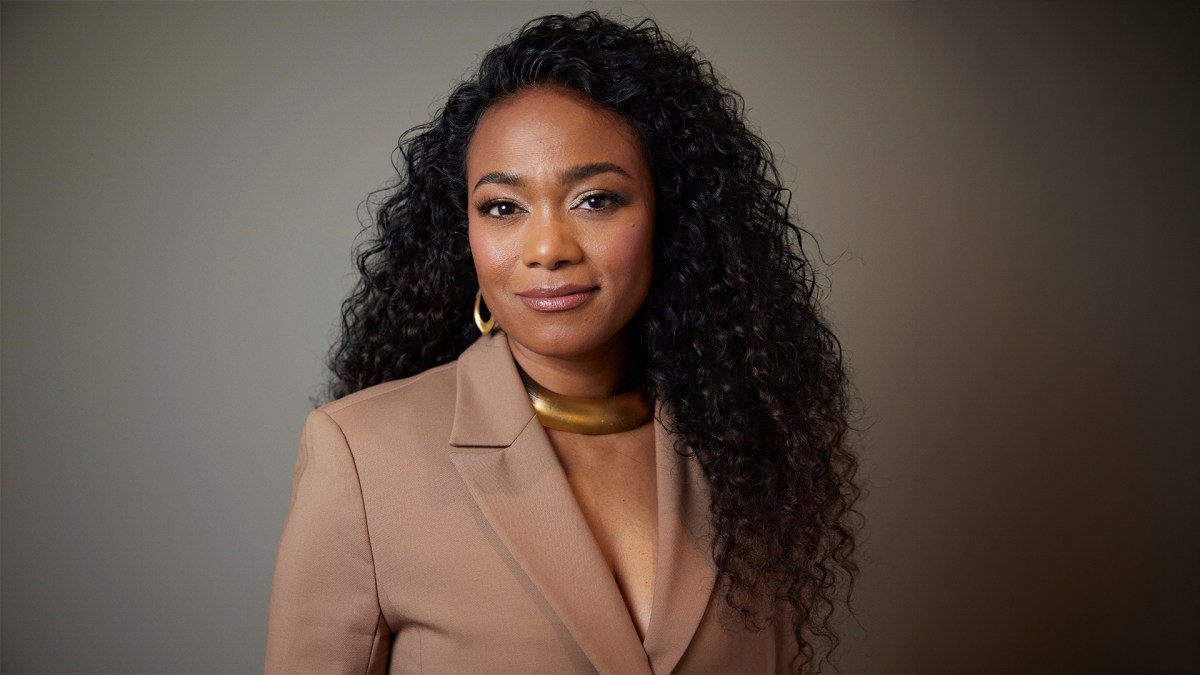
Reflecting on the ordeal, Ali places the blame squarely on systemic racism within the broader healthcare infrastructure, suggesting that her status and celebrity did not protect her from the biases that frequently endanger women of color in medical settings. She views her personal trauma not as an isolated incident, but as a symptom of a much larger, pervasive crisis. "It wasn’t just me," she said, reflecting on the systemic nature of the issue. "I was just one tiny drop in a very, very large bucket that has been overflowing for a very, very long time."
Unfortunately, the statistical reality of maternal health in the United States overwhelmingly supports her claims. The United States continues to struggle with a much higher rate of maternal mortality compared to other wealthy, industrialized nations around the globe. According to data published by the Centers for Disease Control and Prevention (CDC), 649 women in the United States tragically died of maternal causes in 2024 alone. Furthermore, the racial disparities within these statistics are stark and alarming: Black mothers were found to be more than three times as likely to die from pregnancy-related causes as white women, highlighting an urgent crisis in equitable healthcare delivery.
Recognizing the gravity of these numbers and drawing from her own lived experience, Ali decided to move beyond advocacy and take direct, entrepreneurial action. She founded a business enterprise called Baby Yams, an initiative specifically designed to fund grants for Black and Indigenous birth workers and students who are entering the maternal healthcare field. As part of its core mission, Baby Yams donates a significant portion of its proceeds directly to the Birth Future Foundation, an organization that provides essential grants to midwives, doulas, and student birth workers who are working on the front lines of community-based maternal care.
Ali remains firmly convinced that the tools to fix the broken system are already available, provided there is enough institutional will and financial support to back them up. "There are solutions. The solutions exist now," Ali emphasized, pointing to grassroots efforts that are already making a tangible difference in communities across the country. "There are birth centers, there are midwives educating themselves, doulas going into practice." According to the advocate and performer, it is crucial to maintain relentless pressure on the medical establishment while simultaneously building alternative networks of care.
For Ali, the ultimate goal of the maternal health equity movement is to restore dignity, autonomy, and safety to the childbirth experience for women of color. She believes that every mother deserves to be treated with respect and compassion by the medical professionals entrusted with their care during one of the most vulnerable moments of their lives.
"We deserve to be cared for. We deserve to have choices. We deserve to have control over our own bodies," she said, summarizing the core philosophy of her ongoing advocacy work. "We are beautiful. We are deserving of loving hands."