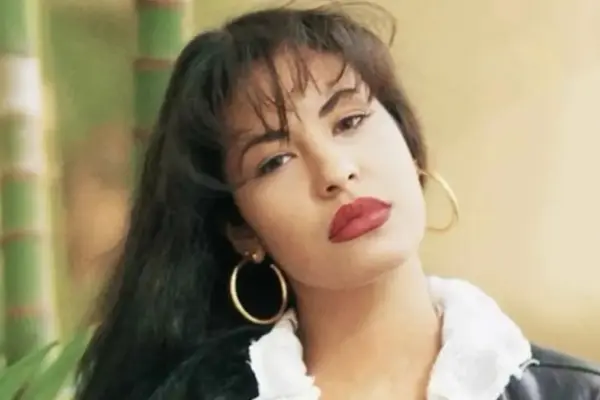





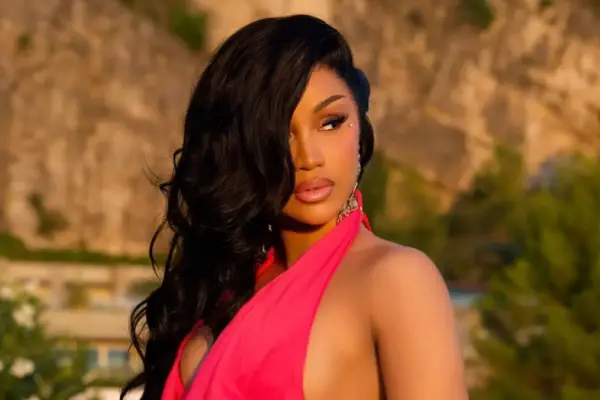
Long before the TikTok algorithm anointed brown lip liner as the internet’s latest must-have aesthetic, and years before viral trends sparked red-carpet debates, the look was already a foundational staple of Black, West Coast Chicana, pachuca chola, and East Coast Latina beauty culture.
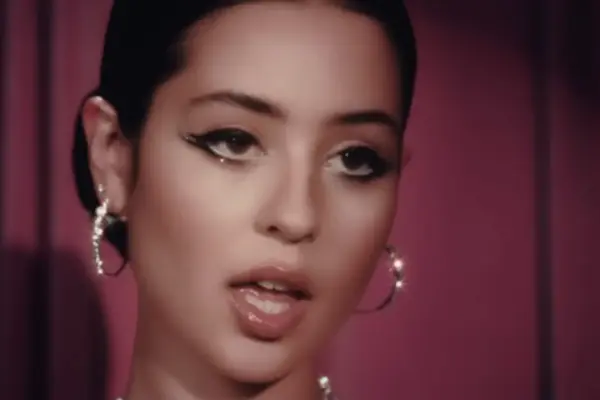
Characterized by a deep, sharp brown lip liner contrasted with a lighter center and finished with a glossy sheen, the aesthetic did not suddenly arrive on the modern beauty scene. For the women who pioneered it through the 1980s and 1990s, the look was more than just a stylistic choice—it was a necessity born out of exclusion.
At the time, the mainstream beauty industry offered very few products catering to deeper complexions. Darker-skinned consumers were largely ignored by major cosmetic brands, forcing them to improvise and adapt with the tools available. What has now been packaged by Gen Z influencers and mainstream celebrities as a fresh, revolutionary trend actually has a rich, deeply rooted history within communities of color.
The backlash surrounding Hailey Bieber’s viral "brownie glazed lips" brought this ongoing tension back into the spotlight. Time and again, beauty looks embraced by women of color for decades are rebranded as fresh discoveries for white audiences, while the original creators are erased from the narrative.
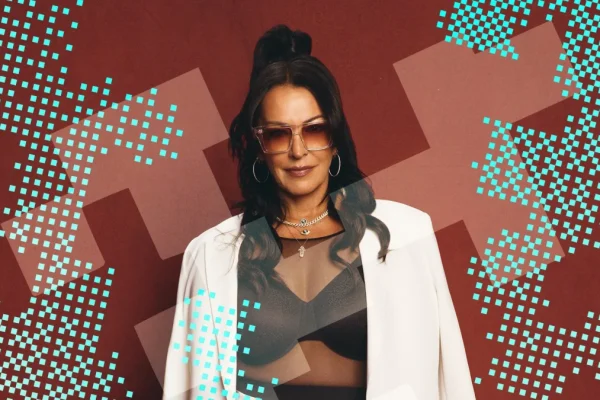
Global Beauty Expert Stephanie Flor remembers these obstacles firsthand from her high school days, noting that the industry simply did not provide the correct shades for women of color. To achieve the right look without looking washed out, she and many others had to become their own color mixers and makeup artists. Without accessible nude lip liners, Flor recalls improvising by using brown eye pencils to create the necessary dimension and structure.
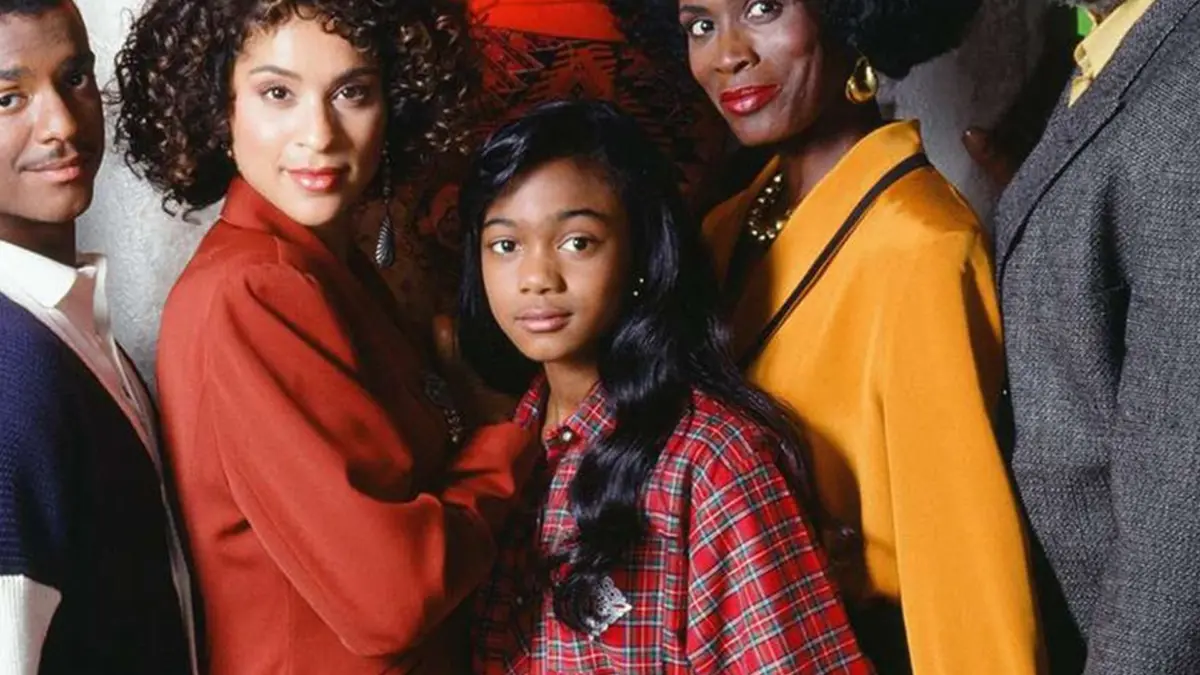
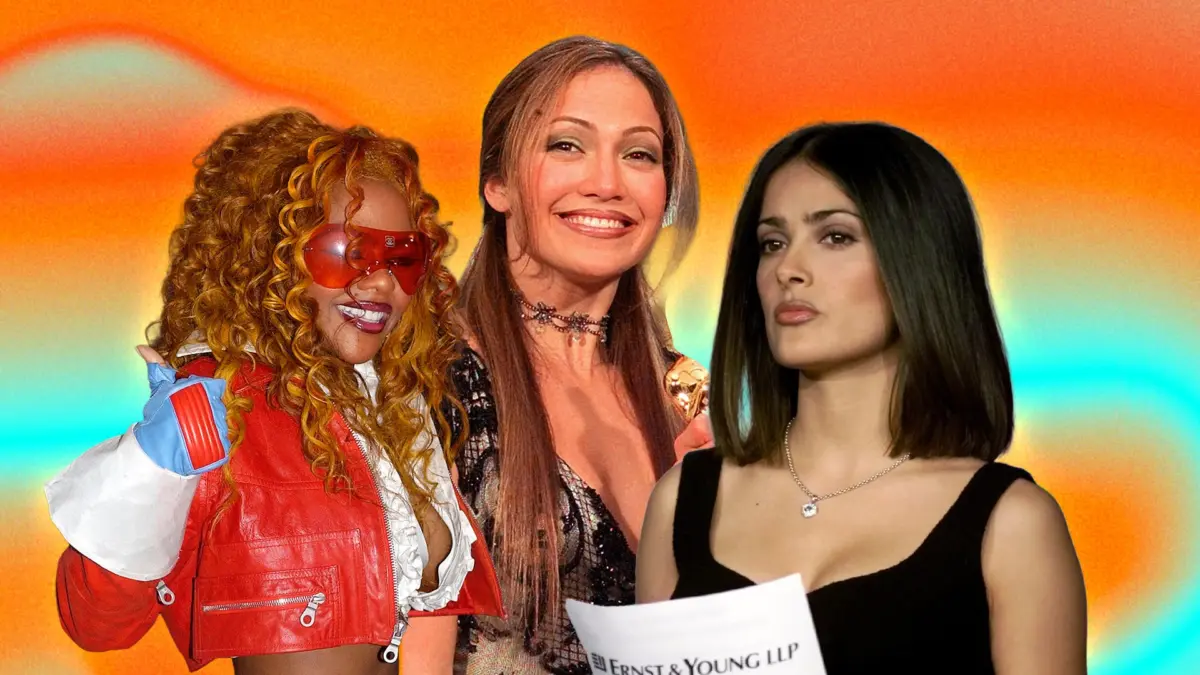
As Flor transitioned into her career as a professional makeup artist, she continued to refine and champion the dark-liner look, drawing heavy inspiration from the Black and Latina celebrities of the era who proudly wore it. Icons such as Missy Elliott, Lil’ Kim, Naomi Campbell, Mary J. Blige, and Jennifer Lopez cemented the style in popular culture long before social media existed.
Flor notes that the aesthetic relies on a precise technique where a dark liner establishes the outer structure, a lighter center brings dimension, and a clear gloss catches the light to make the lips appear fuller and more hydrated. Master makeup artists of the era, such as the legendary Kevyn Aucoin, deeply understood how to use a simple liner to reshape lip structures and accentuate facial features across diverse faces.
Yet, the social reception of this aesthetic has historically depended heavily on who is wearing it. For years, when brown lip liner was worn by women of color, it was frequently dismissed, marginalized, and stigmatized as "ghetto" or overly dramatic. However, when the exact same aesthetic is adopted by white celebrities and high-fashion models, it is suddenly reframed as chic, effortless, and nostalgic.
This double standard lies at the heart of the ongoing cultural frustration. The individuals and communities once judged for their personal style receive little to no credit, and they rarely experience the same mainstream praise when white influencers popularize the exact same look. As Flor points out, the brown lip liner technique itself is not sacred, but the cultural history surrounding how communities of color used it, evolved it, and faced discrimination for wearing it is what demands genuine recognition.
Despite these historical injustices, a wide array of products now makes the look accessible to a broader audience. Flor highlights several of her favorite items for achieving the classic brown-liner combination, noting that brands have come a long way in offering inclusive shade ranges. Charlotte Tilbury’s Pillow Talk Lipstick and Liner Set remains a favorite for its versatile browns and nudes that complement diverse complexions. Meanwhile, affordable drugstore options like e.l.f. provide accessible brown and neutral shades, and L’Oréal Paris offers reliable combinations like the "Nudes for Life" Color Riche Lip Liner paired with Color Riche Satin Lipstick in "Worth It" for olive, tan, and brown skin tones. For those seeking enhanced staying power and deep pigment, Kulfi Beauty’s Lassi Lips Staining Lip Liner in the shade "Jaan" and their Matte Blur Lip Stain in "Earl Grey" offer striking results.
The re-emergence of brown lip liner as a trend attributed to mainstream white influencers reflects a broader pattern in the beauty and fashion industries. Beyond lip liner and long acrylic nails, this dynamic has repeated itself with brown lipstick, traditional Black hairstyles—such as styled baby hairs, braids, and cornrows—and physical features native to Black and Latina women. Traits like fuller lips and curvier bodies were once derided as excessive or unrefined when seen on women of color, only to later fuel massive cosmetic trends like lip fillers and Brazilian butt lifts. When these features appear on thin, white women who conform to traditional Eurocentric beauty standards, they are celebrated as high fashion.
Flor emphasizes that she welcomes new generations discovering and enjoying classic beauty techniques, but insists that this discovery must come with historical context intact. Appreciation quickly shifts into erasure when the origins of a culture are entirely stripped away. While beauty is meant to travel and cultures have always exchanged influences, the core issue remains whether contemporary consumers and brands acknowledge the communities that laid the groundwork. When a technique rooted in urban communities of color is stripped of its history, given a new name, and presented as an overnight invention, a critical pause is required.
This phenomenon is not isolated to a single product or trend; it represents a systemic oversight in how popular culture records beauty history. Understanding the diverse backgrounds of these traditions—recognizing the distinct contributions of Chicana, chola, Black, Afro-Latina, and other communities rather than collapsing them into a monolithic "Latina aesthetic"—allows people to honor the past while making the style their own. True cultural evolution relies on moving forward without forgetting the originators who wore the look long before it became a viral trend.