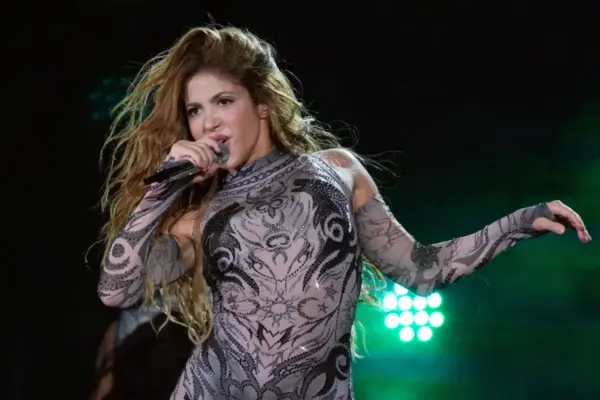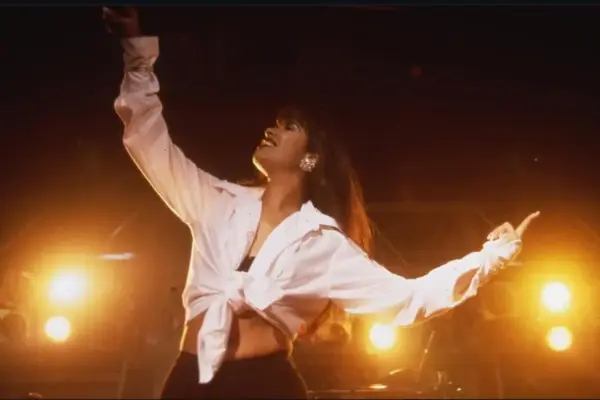
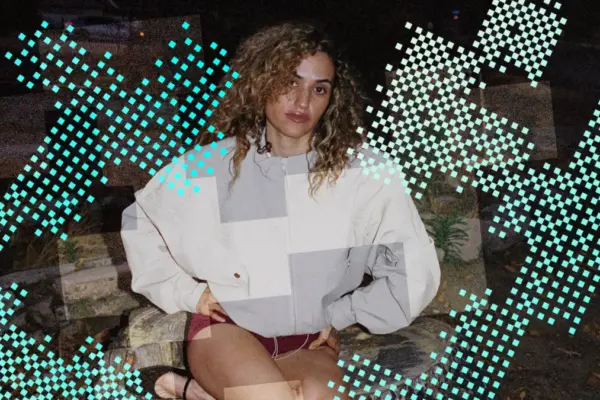
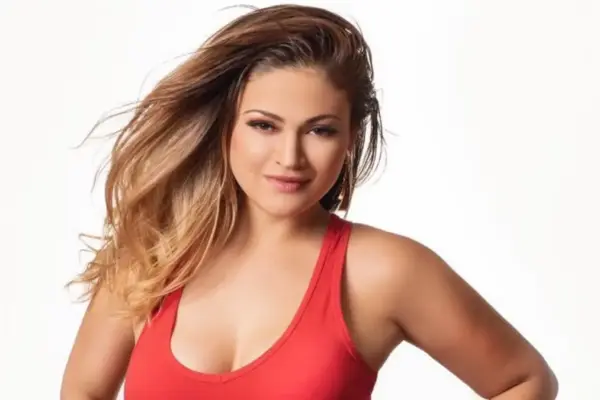
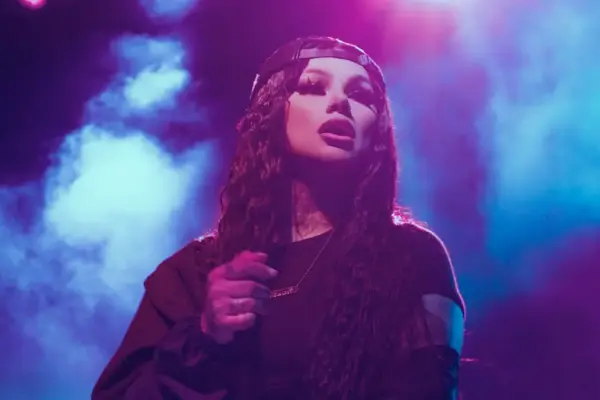
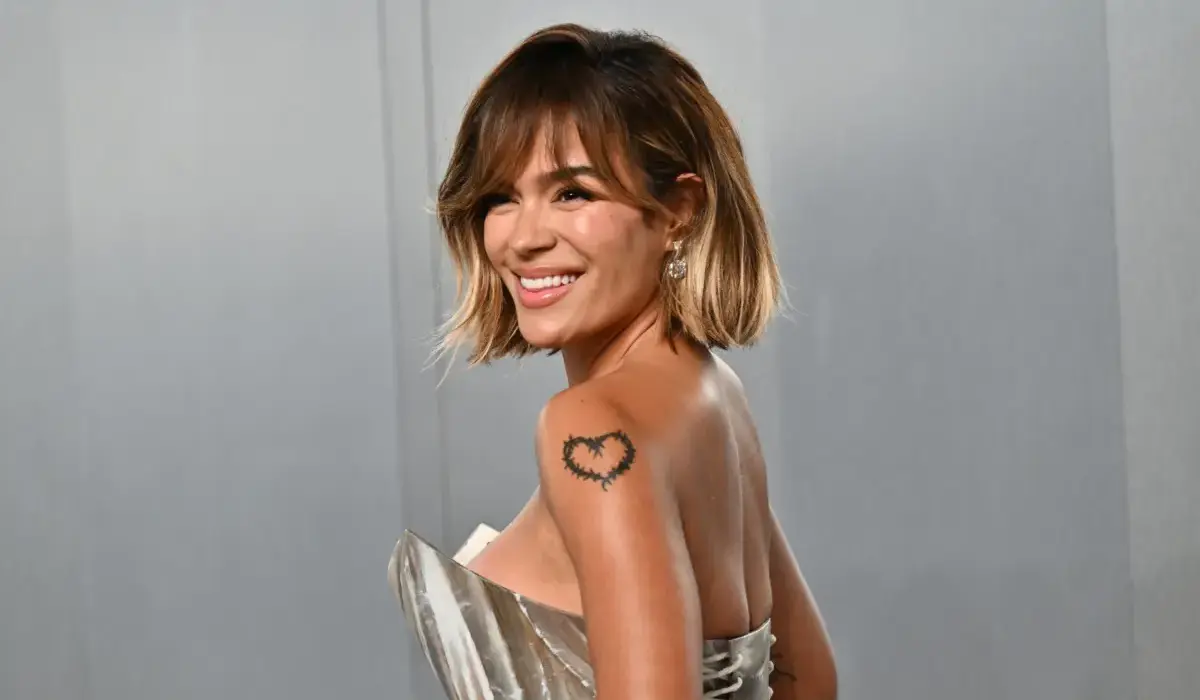
As she prepares to make history as the first Latina headliner to take the main stage at Coachella, Karol G is naturally commanding the global media spotlight. Marking the occasion in high-profile fashion, the Colombian superstar graces the cover of Playboy’s Spring 2026 issue. However, rather than focusing solely on her meteoric rise in the music industry, her chart-topping hits, or her groundbreaking festival milestone, the cover interview takes a remarkably candid and reflective turn. Karol G opened up to interviewer Paola Ramos about a deeply sensitive and complex topic: her hesitation to publicly speak out against Immigration and Customs Enforcement (ICE) and the heavy burden of political expectation placed on immigrant artists in the United States.
The conversation sheds light on the very real, behind-the-scenes fears that many prominent foreign-born public figures grapple with in an increasingly polarized political climate. Addressing her deliberate caution regarding immigration enforcement agencies, Karol G did not mince words about the tangible vulnerabilities faced by artists who lack permanent U.S. citizenship.
"People will say, ‘It’s better you don’t,’" she told Ramos during the interview. "Why? Because if you say the thing, maybe the next day you’ll get a call: ‘Hey, we are taking your visa away.’ You become bait, because some people want to show their power."
Far from suggesting that she intends to remain permanently silent or indifferent to social injustices, the multi-Latin Grammy winner is instead questioning what it truly means to engage in effective activism. She is weighing the value of fleeting, performative statements against deeply intentional, soul-driven advocacy that yields meaningful outcomes for the communities she represents.
"I just don’t want to just say ‘ICE Out’ and have nothing come from it… I’m probably going to go a little harder than that. I just want to represent my community," Karol G explained. "But what I’m telling you is that, as a human being, I want that to mean more. I’m not saying that I’m not going to do it; what I’m saying is that I would do it and will do it with my soul. But I want to sit down and understand, in my head: Here’s what that meant."
This nuance touches upon a broader, deeply layered reality that defines the modern intersection of celebrity culture, politics, and marginalized communities. In an era where artists possess massive global platforms, fans and cultural critics increasingly expect them to leverage their influence to amplify voices that might otherwise go unheard. For Latine audiences, these expectations are uniquely personal. Their communities often include immigrants, mixed-status families, and individuals directly and adversely affected by ICE raids, deportations, and fluctuating federal immigration policies. Consequently, for many supporters, a celebrity’s public stance is not merely about aesthetic visibility or trending hashtags—it is viewed as a fundamental test of solidarity.
This tension frequently places artists under intense public scrutiny. Last year, bachata icons Romeo Santos and Prince Royce faced direct criticism from fans and cultural commentators for initially declining to take a firm stance on ICE during an appearance on the New York Times "Popcast" podcast.
Artists like Karol G often function as living symbols of what success and upward mobility look like for immigrants and the broader Latine diaspora. Because of this symbolic weight, when prominent figures choose to remain silent on high-stakes political issues like immigration enforcement, their lack of commentary does not go unnoticed. Within many cultural circles, there exists an unspoken expectation that those who achieve wealth and influence owe a debt of reciprocity to the communities that fostered their early success, leading many to interpret silence as passive complicity. Yet, this raises a persistent and contentious question: Do celebrities genuinely owe the public this type of sociopolitical commentary, particularly when speaking out carries profound personal and professional risks?
Conversely, that same level of high-profile visibility grants artists a unique kind of access that ordinary citizens do not possess. They have access to rooms, resources, and global reach that can shape public conversations, drive charitable initiatives, and influence policy debates in ways everyday advocates cannot easily replicate. This disparity in reach is precisely why the expectation for public advocacy exists in the first place—not simply because artists are visible, but because their voices can travel immeasurably further.
Yet, the personal stakes for Karol G are entirely concrete. As an immigrant artist operating in the United States on a visa, she is navigating a politically volatile environment that has repeatedly demonstrated the aggressive reach of modern immigration enforcement. Under these conditions, the possibility that speaking out could jeopardize an artist’s legal right to work in the United States, disrupt major career milestones like headlining Coachella, or compromise personal safety cannot be easily dismissed. While some observers argue that demanding political statements from artists is unfair when it threatens their livelihoods and security, others maintain that social responsibility is an unavoidable duty of extreme fame.
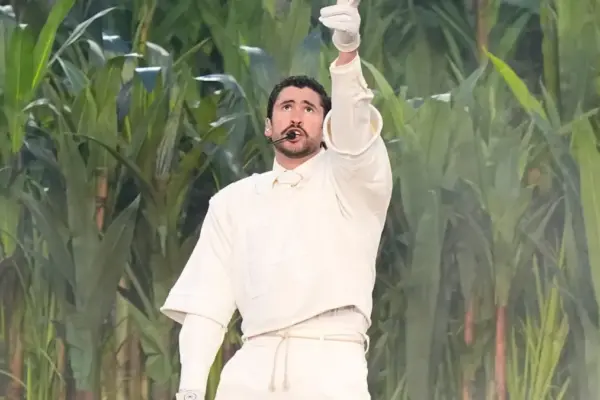
In many ways, the heavy expectations placed on Latine celebrities—and particularly Latin music artists—have been heavily shaped by the career of Bad Bunny. Beyond his status as a global musical powerhouse, he has consistently positioned himself as a symbol of political courage and grassroots change for Latine fans. His activism is well-documented, from his vocal opposition to government corruption in Puerto Rico during the historic 2019 protests that ultimately led to the resignation of Governor Ricardo Rosselló, to his outspoken critiques of anti-Latine rhetoric in the U.S. By continuously advocating for dignity and visibility for immigrant communities—including a prominent statement during this year’s Grammy Awards—Bad Bunny has made his political stance unmistakably clear, even when facing significant industry and political pushback.
Because Bad Bunny has established such a visible model for how to successfully leverage global fame for social and political advocacy within the Latin music space, fans and critics frequently measure other artists against that same benchmark. This raises a difficult question: Is it a fair expectation to place on every artist across the board?
The reality of the situation highlights a stark disparity in risk. Because Bad Bunny is a native of Puerto Rico, he is a U.S. citizen by birth, protecting him from the specific legal vulnerabilities that threaten foreign-born artists. Other musicians who rely on visas or performance contracts face entirely different consequences, including the potential revocation of their legal status to live and work in the country, alongside very real safety concerns.
Expecting every Latine artist, including Karol G, to effortlessly emulate the political trajectory of Bad Bunny relies on the flawed assumption that all artists possess the same baseline security and privilege. While the debate regarding celebrity responsibility remains a valid and ongoing discussion among fans, media analysts, and cultural commentators, the pressure placed on artists often fails to account for the very real threats such activism can pose to their personal well-being and professional livelihoods.