









As families across Mexico and the United States prepare to welcome back the souls of their departed loved ones and celebrate the autumn festivities, a troubling financial reality has emerged: honoring these cultural traditions is getting noticeably more expensive with each passing year.
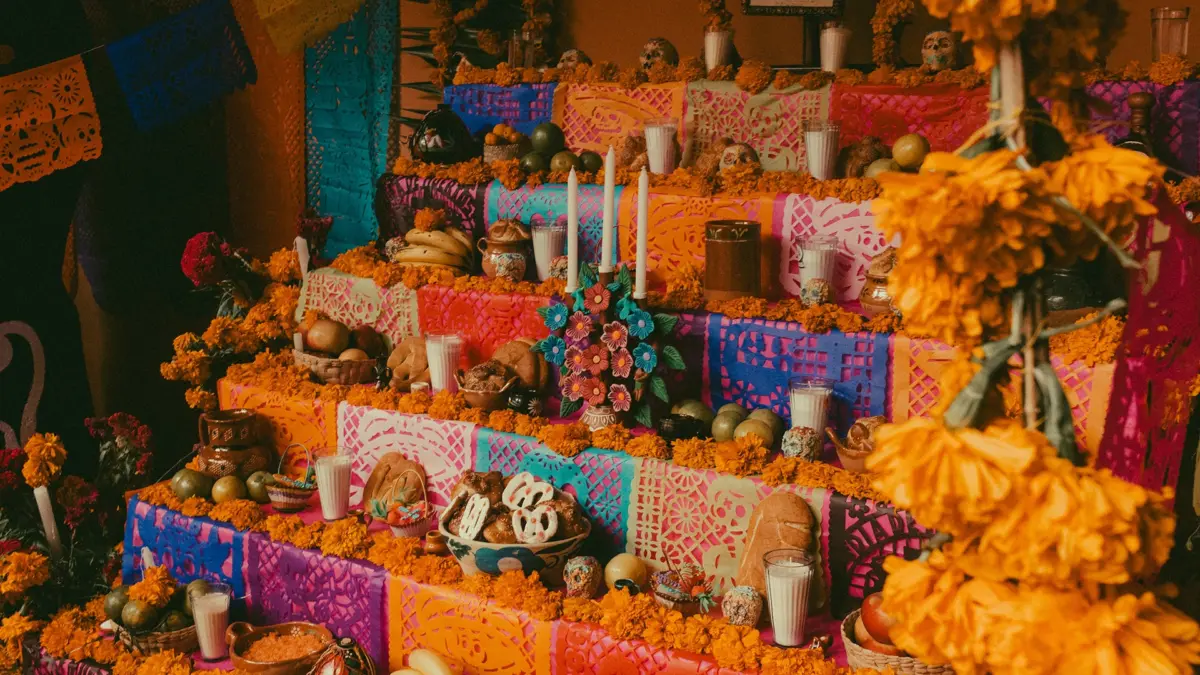
A recent market survey released by the Alianza Nacional de Pequeños Comerciantes in Mexico sheds light on the growing economic pressures facing households this season. According to the organization’s findings, assembling a traditional Día de Muertos ofrenda—the elaborate altar dedicated to remembering deceased family members—will cost approximately 2,480 Mexican pesos this year. This comprehensive estimate accounts for all the essential elements required to build a proper altar, including the vibrant cempasúchil or marigold flowers, traditional candles, an array of prepared foods, beverages, and decorative items.
When compared to the previous year, this price tag represents a significant upward shift, marking an increase of 16.15% from 2025. The financial strain is felt even further when looking at specific seasonal staples that hold immense cultural and sentimental value. For instance, purchasing pan de muerto, the quintessential sweet bread baked specifically for the holiday, will cost about 19% more than it did last year, putting an additional dent in household budgets as families gather to share meals and memories.
The economic pinch is not confined solely to traditional Mexican observances; those looking to celebrate Halloween are encountering similarly inflated prices. Organizing a modest Halloween gathering for a group of ten people is projected to cost around 6,750 Mexican pesos, which also represents a 16% increase compared to last year’s celebrations. This parallel rise in costs across both Día de Muertos and Halloween highlights a broader economic trend affecting seasonal festivities in the region, leaving consumers to navigate tighter financial margins during a traditionally joyful time of year.
Meanwhile, the financial landscape of Halloween in the United States mirrors these pressures on a massive scale, with overall consumer spending expected to reach a staggering $13.5 billion. However, a comprehensive study from the National Retail Federation indicates that American consumers are far from reckless with their holiday budgets. The data reveals that shoppers are paying close attention to where they can get the best value for their hard-earned money amidst persistent economic uncertainties.
According to the National Retail Federation study, consumer behavior is shifting toward strategic financial management. Specifically, 31% of surveyed individuals stated that they plan to actively compare shop across different retailers to secure lower prices. Furthermore, 26% of consumers will rely on coupons, promotional deals, and sales events to trim their holiday expenditures. Perhaps most notably, another 34% of respondents reported that they will focus their purchasing decisions on versatile items that they can either reuse in future years or creatively repurpose for other celebratory occasions, minimizing single-use waste and unnecessary spending.
This heightened focus on affordability matters deeply as families attempt to balance the overlapping financial demands of Día de Muertos and Halloween. Households are currently tasked with managing a complex web of seasonal expenses, which includes preparing an authentic ofrenda, purchasing costumes for children, buying specialized food items, and keeping up with regular household expenses. Compounding these financial challenges are school activities and extracurricular events that traditionally intensify around the autumn holidays, creating a period of peak household spending.
The pressing question for many households is how to preserve cherished cultural traditions while managing real, often strained budgets. As the commercial costs of pre-made decorations and store-bought goods continue to climb, many families are finding creative ways to adapt without sacrificing the spirit of the holidays. Instead of turning to expensive commercial alternatives, a significant number of households are expected to rely on traditional home cooking, crafting homemade decorations from scratch, and utilizing old family photographs for their ofrendas, transforming potential financial limitations into an opportunity for personal and ancestral connection.
Ultimately, the true essence of Día de Muertos lies in honoring the lasting memories of the loved ones we celebrate, keeping their spirits alive through stories, shared meals, and remembrance. Similarly, Halloween can be just as festive and memorable with a simple, handmade costume crafted at home alongside your children rather than purchased at a premium retail price. As the real cost of celebrating different holidays continues to rise, these times serve as a reminder of what the celebrations are truly about, proving that the real meaning of these days has nothing to do with how much money we spend.